News
Willie Blanton Mills Identified as the Man Found Near Lake Havasu City in 1992
A DNA lead and an FBI fingerprint comparison identified Willie Blanton Mills, found in Arizona in 1992. Mohave County is still asking about his last movements.
Topics: Willie Blanton Mills, Mohave County, Forensic Identification, Missing Persons, Arizona
The man found in a desert wash near Lake Havasu City, Arizona, in March 1992 was Willie Blanton Mills. Originally from Pennsylvania, Mills had been living with relatives in Santa Ana, California, when he disappeared. The FBI confirmed his identity to Mohave County investigators on October 21, 2026. The identification became public in early November.
Investigators still do not know how Mills died or how he came to be buried in Arizona. The sheriff’s office has treated the case as a homicide because of the circumstances in which he was found. The autopsy could not establish a cause of death.
Why the original investigation stopped short of a name
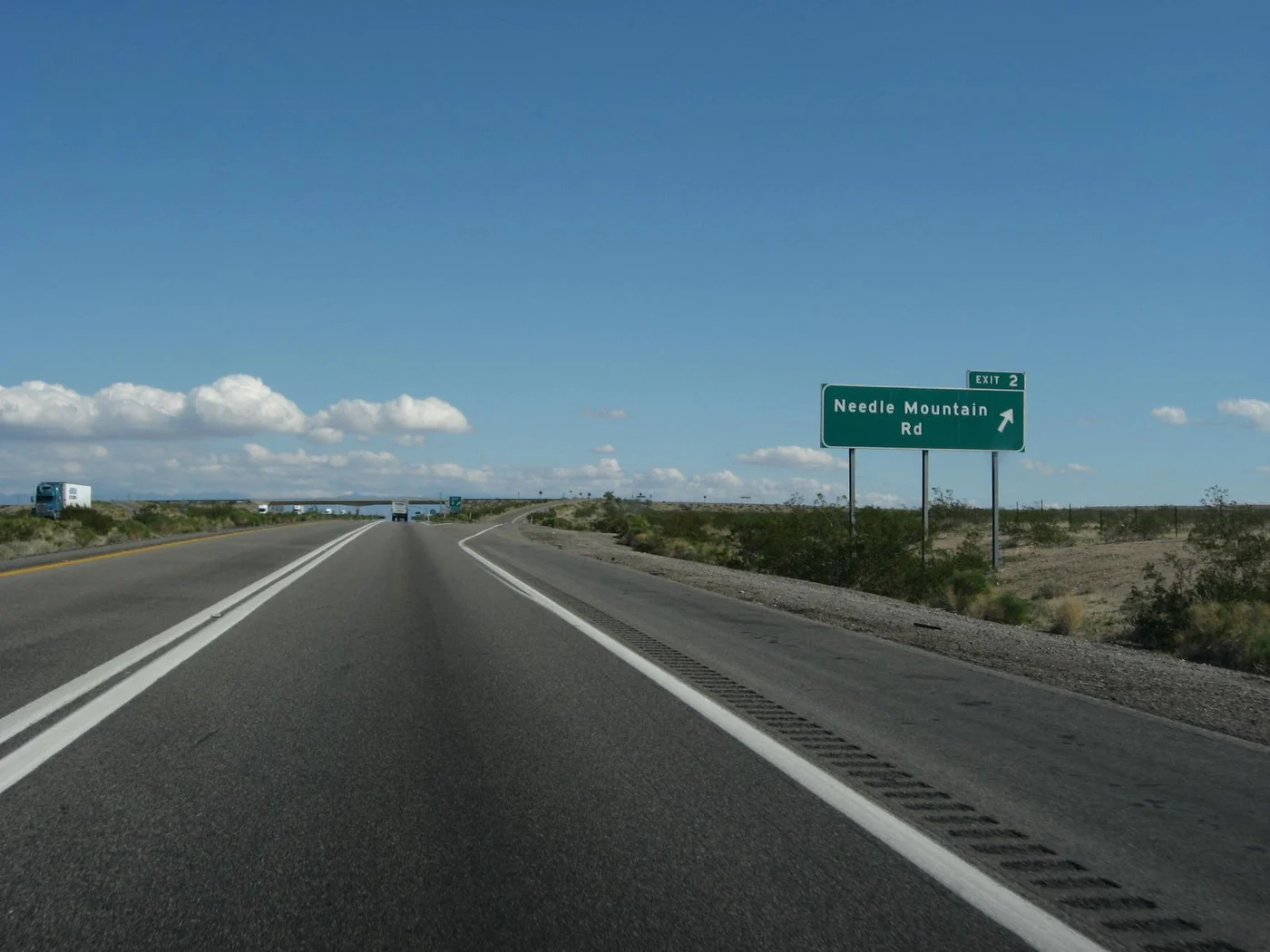
Deputies responded on March 11, 1992, after a shallow grave was discovered off Interstate 40 near Needle Mountain Road. Investigators had two potentially identifying clues. Fingerprints produced no match in the databases searched at the time. An X-ray showed a metal pin in the man’s right leg. Investigators traced the hardware to its manufacturer, but the brand and serial number did not identify the patient. The case was recorded in the national missing and unidentified persons system as UP15671. Othram’s case account
The archive photograph above shows the interstate exit years later. The grave itself is outside the frame. Photograph by Ken Lund · CC BY-SA 2.0
What changed after 34 years
Othram developed a DNA profile from evidence in the case and supplied it to law enforcement. The FBI used genetic genealogy to locate a relative, who told investigators that Mills had been missing since 1992. With a name to investigate, the FBI’s Latent Print Unit was able to confirm the identification through fingerprints. Investigators also learned that Mills had received a pin in his right leg after an accident.
That sequence explains the different roles of the evidence. The DNA work gave investigators a family connection to follow. The fingerprint comparison confirmed whose remains they had recovered. Neither tells investigators what happened between Mills’s disappearance and the discovery of the grave.
What investigators are asking for now
Mohave County’s Special Investigations Unit is seeking information about Mills’s activities and whereabouts around 1992. Anyone with firsthand information can contact investigators at 928-753-0753, extension 4408, and refer to case 92-03547. Investigators’ public request
For another account of how the status of a DNA identification is established, see the evidence and inquest in the Somerton Man case.