The Index
Phaleron Captives: What the Athens Mass Grave Reveals
The Phaleron mass grave held 79 men. Learn what the burial and isotope study reveal, why the Cylon link is unproven, and where the remains are displayed.
Nov 26, 2026The archive
Explore difficult episodes of history through records, context and the people affected. This reading path moves from legal persecution to a notorious text and the places where history is remembered.
Difficult episodes of the past, approached through records, archaeology and context: witch trials, plague and disaster, burial sites, ossuaries and occult history. Reports on new excavations and museum findings keep their uncertainty intact, including dating disputes and competing interpretations.
The aim is to give the people affected the same attention as the macabre detail, and to separate what the documents show from what later legend added. Start with the reading path below, or browse the A–Z index.
Historical context matters when a dramatic claim travels into the present. A museum description, an archaeological report and a later popular story may describe the same object for different purposes. Our guides keep those layers visible and identify the dates and institutions involved where the record permits. Read the linked evidence before treating a reported discovery as a final explanation. When a story concerns persecution, disaster or death, the people affected remain part of the history rather than scenery for a macabre anecdote.
A suggested reading order
Start with the accusations, legal proceedings and historical context.
Examine a witch-hunting text without treating its beliefs as facts.
Learn the documented purpose of a place often presented only as macabre spectacle.
Use death bills and a contemporary diary to test a familiar fire-and-plague myth.
Follow an environmental disaster through weather, mortality records and later research.
99 entries
The Index
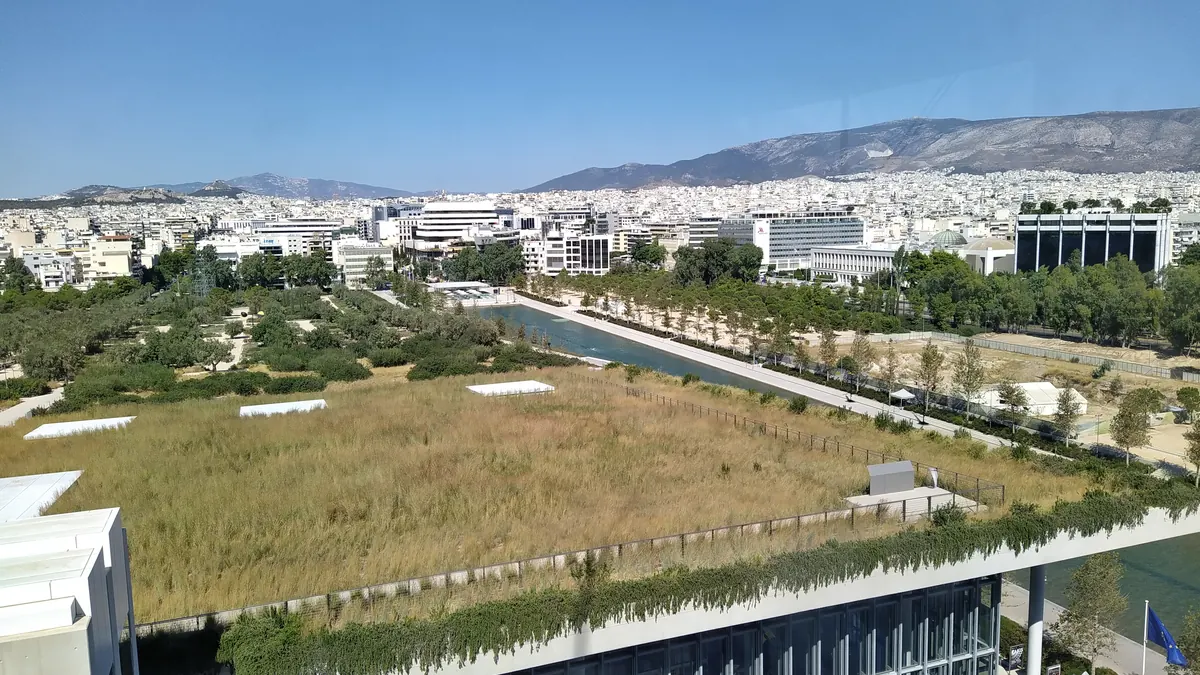
The Phaleron mass grave held 79 men. Learn what the burial and isotope study reveal, why the Cylon link is unproven, and where the remains are displayed.
Nov 26, 2026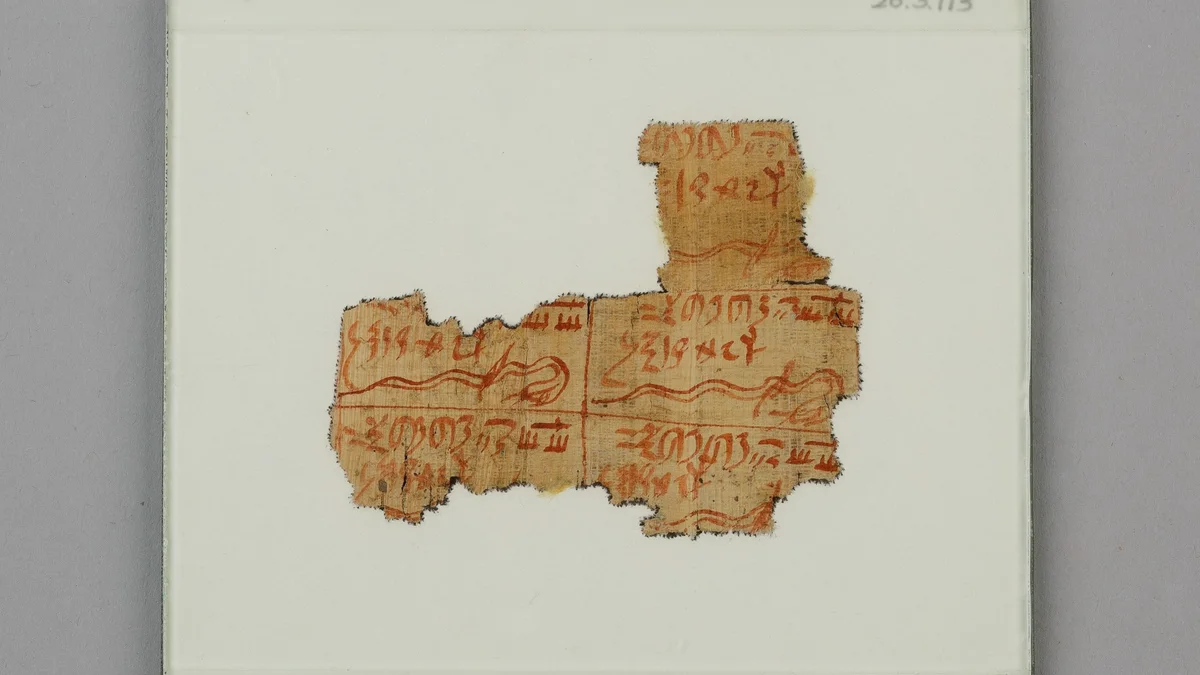
The Index
Forty burned papyrus fragments from Thutmose III’s temple show how Egyptians cursed Apophis, roughly 1,000 years before a surviving ritual manual.
Nov 24, 2026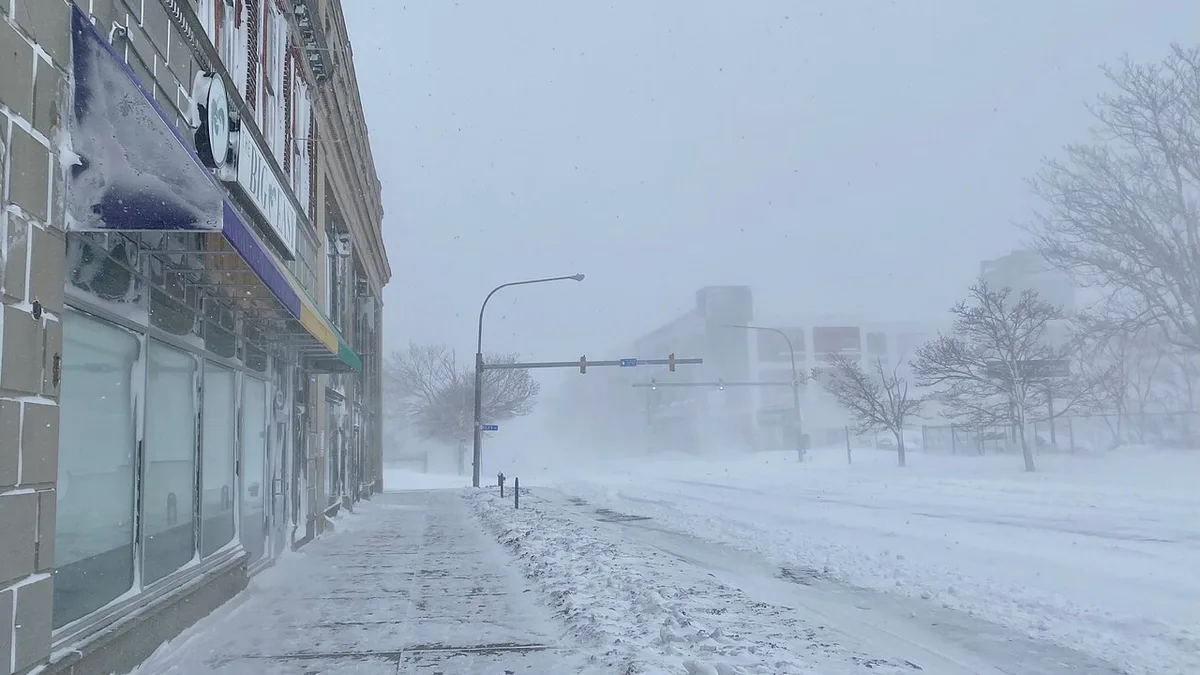
The Index
HBO’s The Buffalo Miracle follows a restaurant shelter during the Christmas 2022 blizzard. Here’s what happened in Amherst and at a separate school.
Nov 23, 2026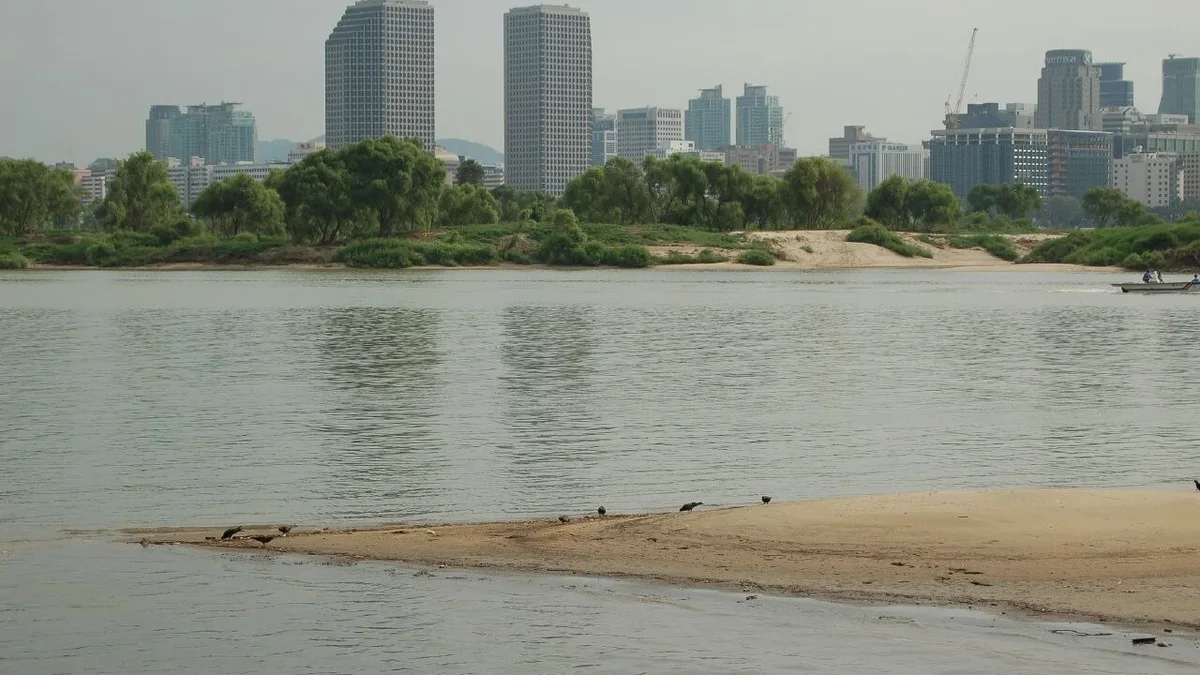
The Index
The Host opens with a real pollution case in Seoul. See what happened in 2000, what the South Korean court ruled in 2005, and what Bong Joon-ho invented.
Nov 22, 2026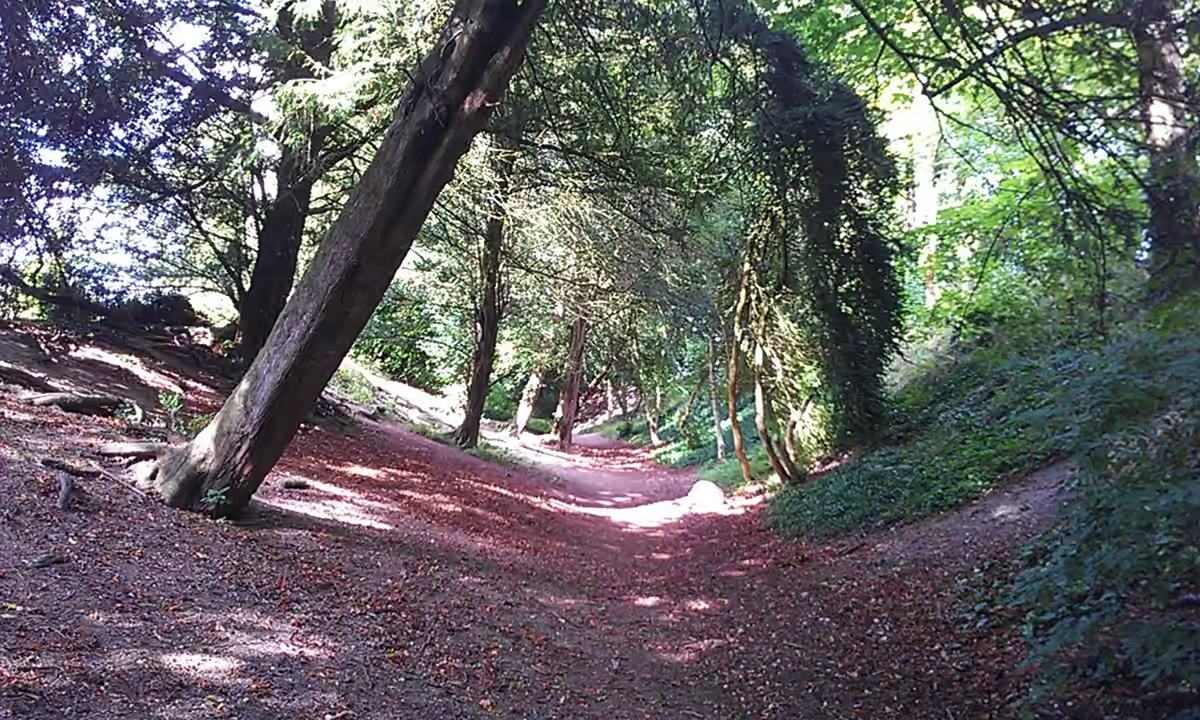
The Index
A pit near Cambridge held remains of at least ten people. See what the Wandlebury excavators found and why they are still weighing how the group died.
Nov 21, 2026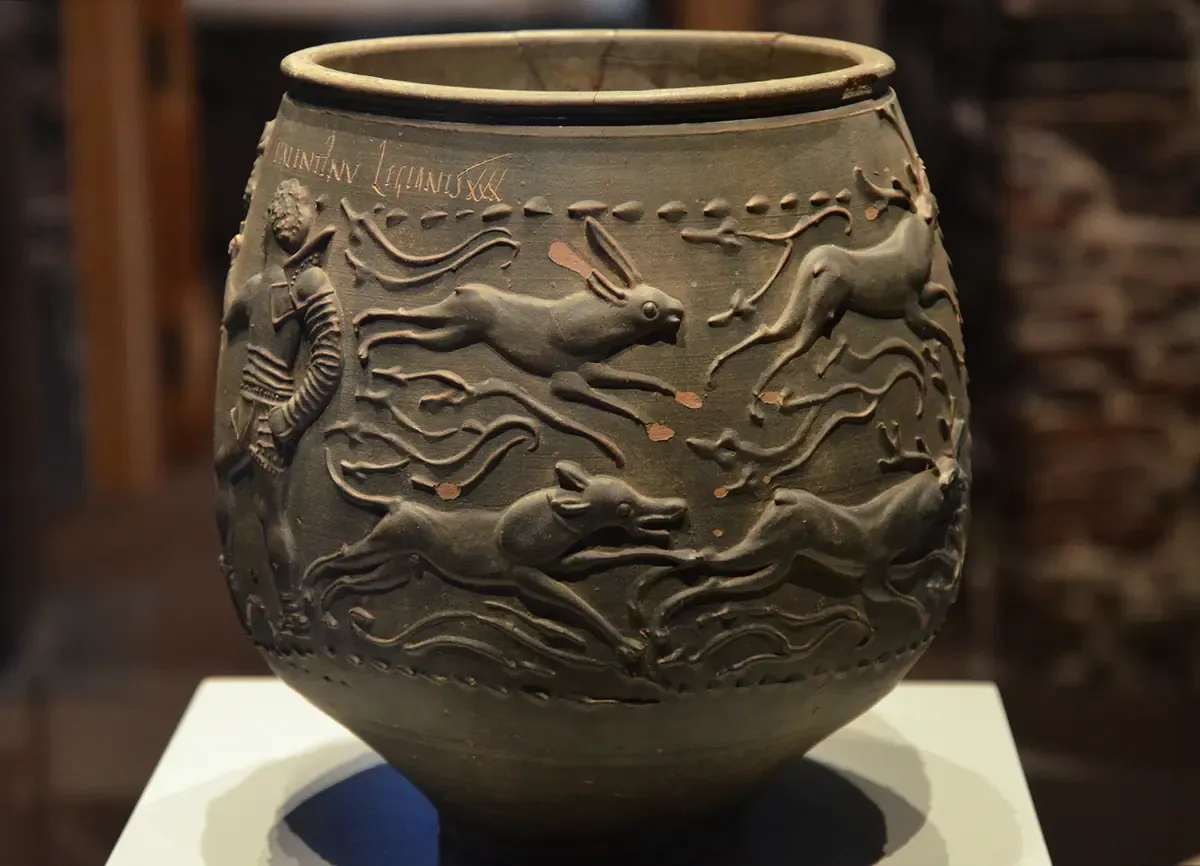
The Index
A Roman urn from Colchester held the ashes of a man aged 40 or older. Isotope analysis suggests he may have grown up in what is now Italy or Spain.
Nov 21, 2026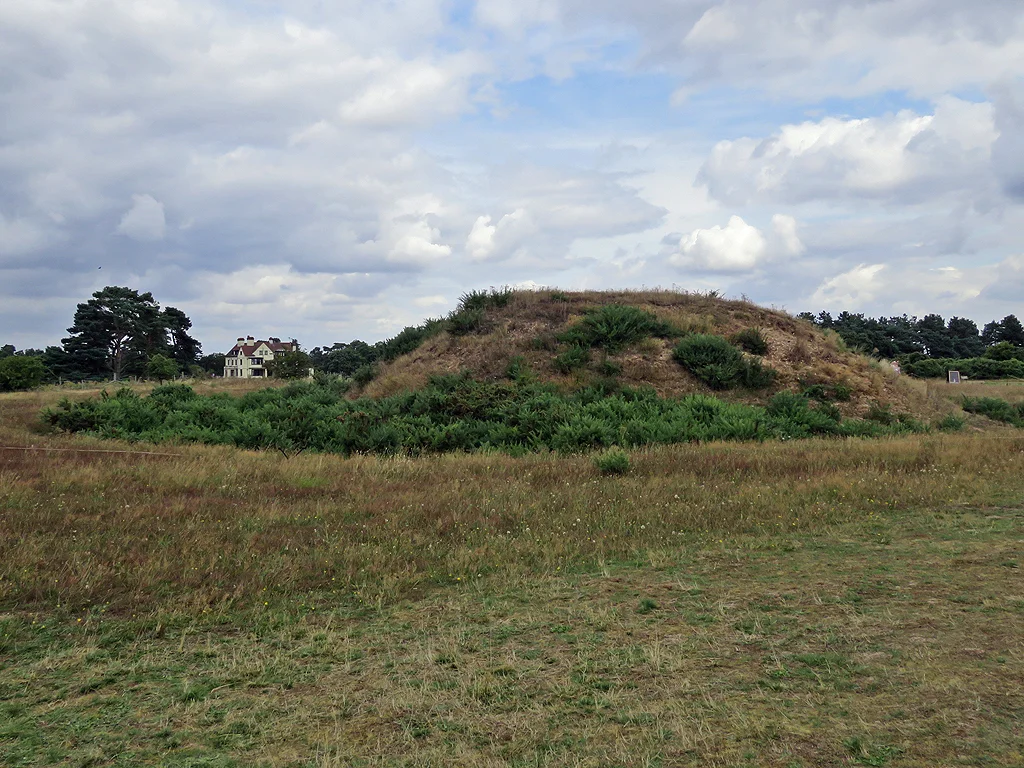
The Index
A shape in Suffolk’s acidic sand marks an Anglo-Saxon burial. See what Time Team found at Sutton Hoo and why a possible second burial remains uncertain.
Nov 20, 2026
The Index
An elite Xiongnu tomb in Mongolia held 413 finds, including a possibly Roman glass cup. Here’s what the objects reveal and what remains unknown.
Nov 19, 2026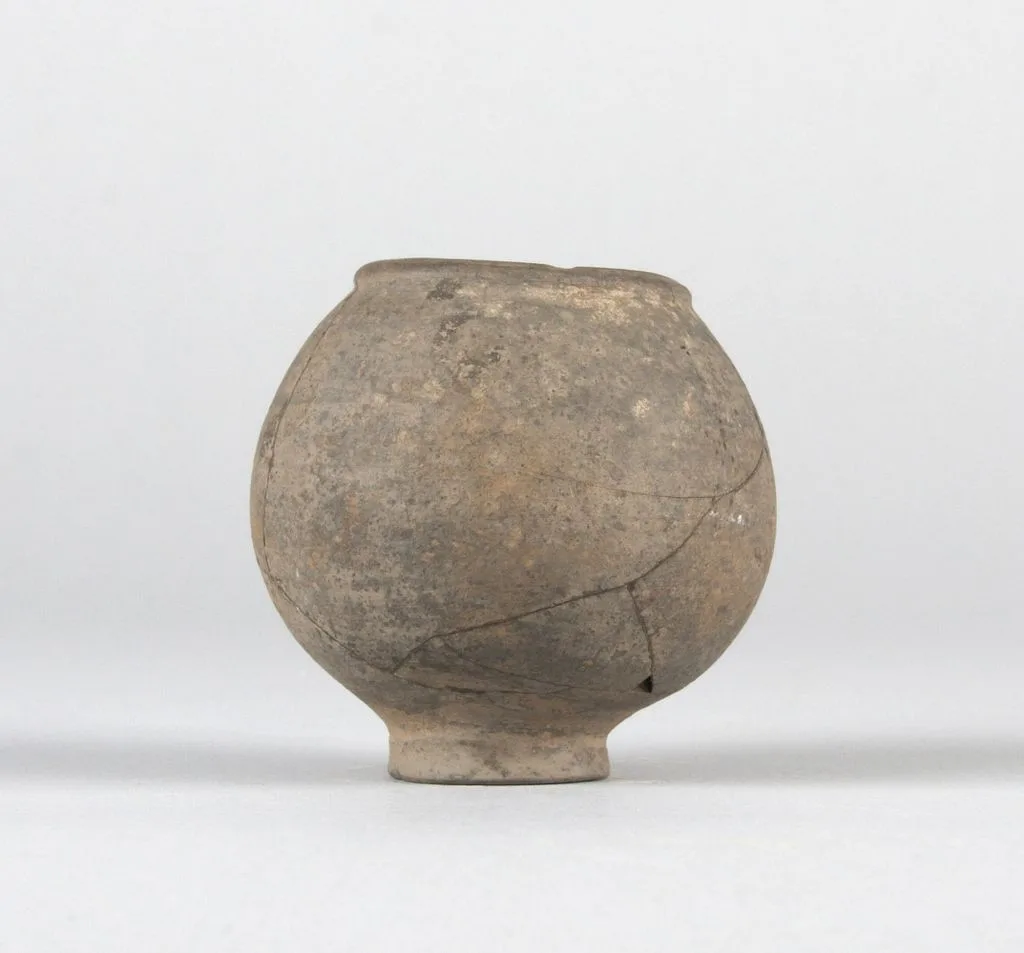
The Index
An inverted jar and two radiocarbon dates help explain a Roman infant burial found at Wendover, Buckinghamshire, and where the evidence runs out.
Nov 19, 2026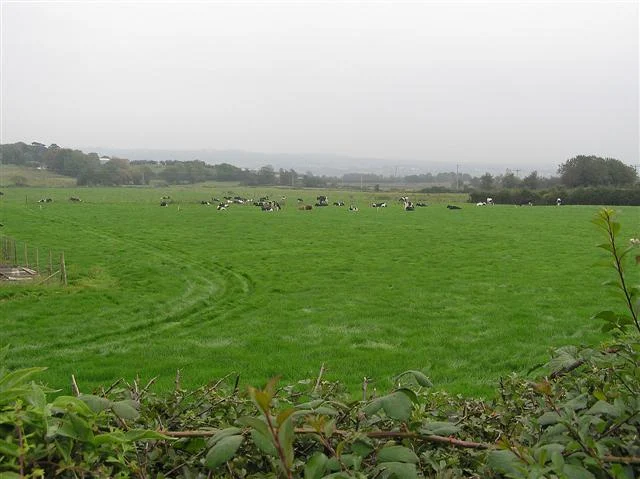
The Index
A public hearing examined the life and death of an Iron Age woman found near Bellaghy. Here is what researchers established and why her death remains a mystery.
Nov 18, 2026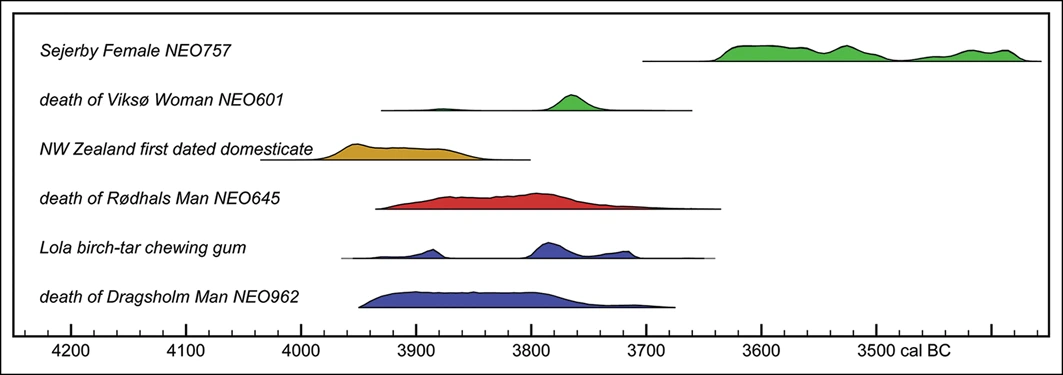
The Index
A new study places a Danish coastal forager alongside early farmers. Here is how marine carbon affected the date and what his burial can—and cannot—prove.
Nov 18, 2026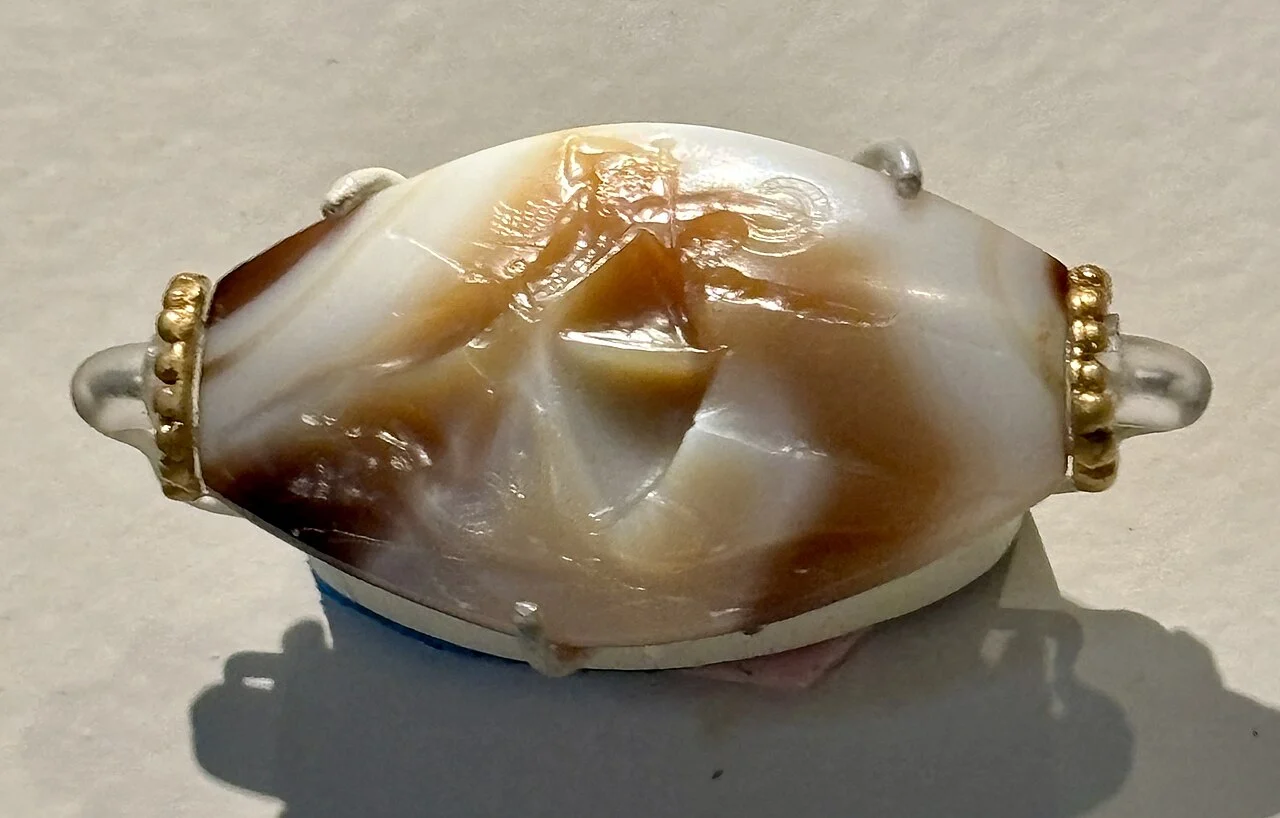
The Index
An intact Bronze Age grave at Pylos held a carved agate just 3.6 cm long. Here’s what the burial reveals about the Griffin Warrior and his links to Crete.
Nov 17, 2026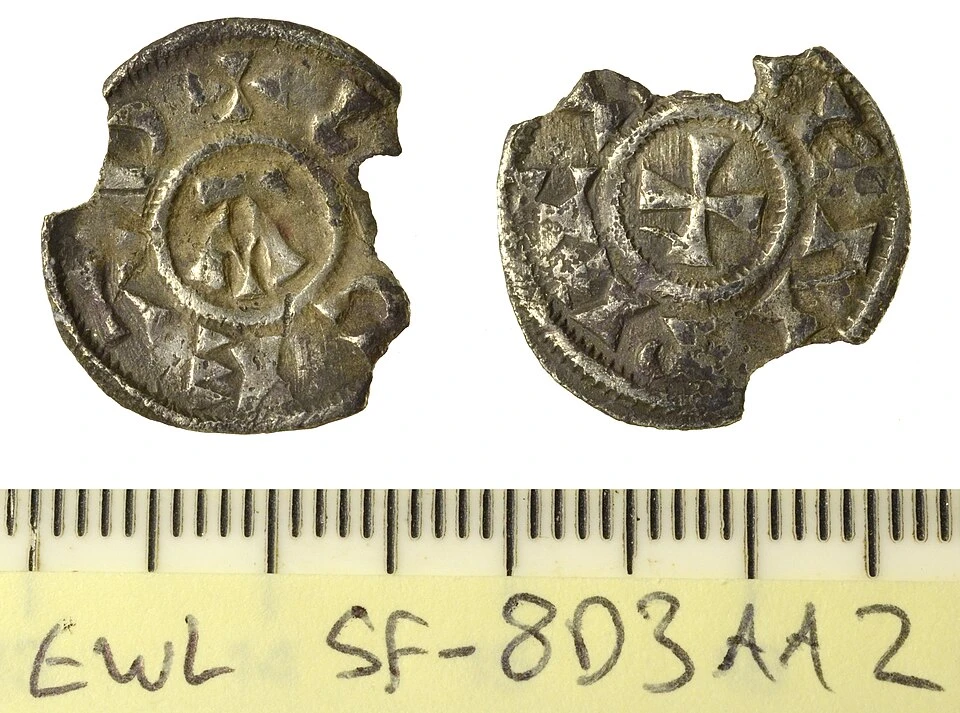
The Index
A medieval legend says a wolf guarded St Edmund’s head. The Anglo-Saxon Chronicle and a set of silver pennies help trace how an East Anglian king became a saint.
Nov 17, 2026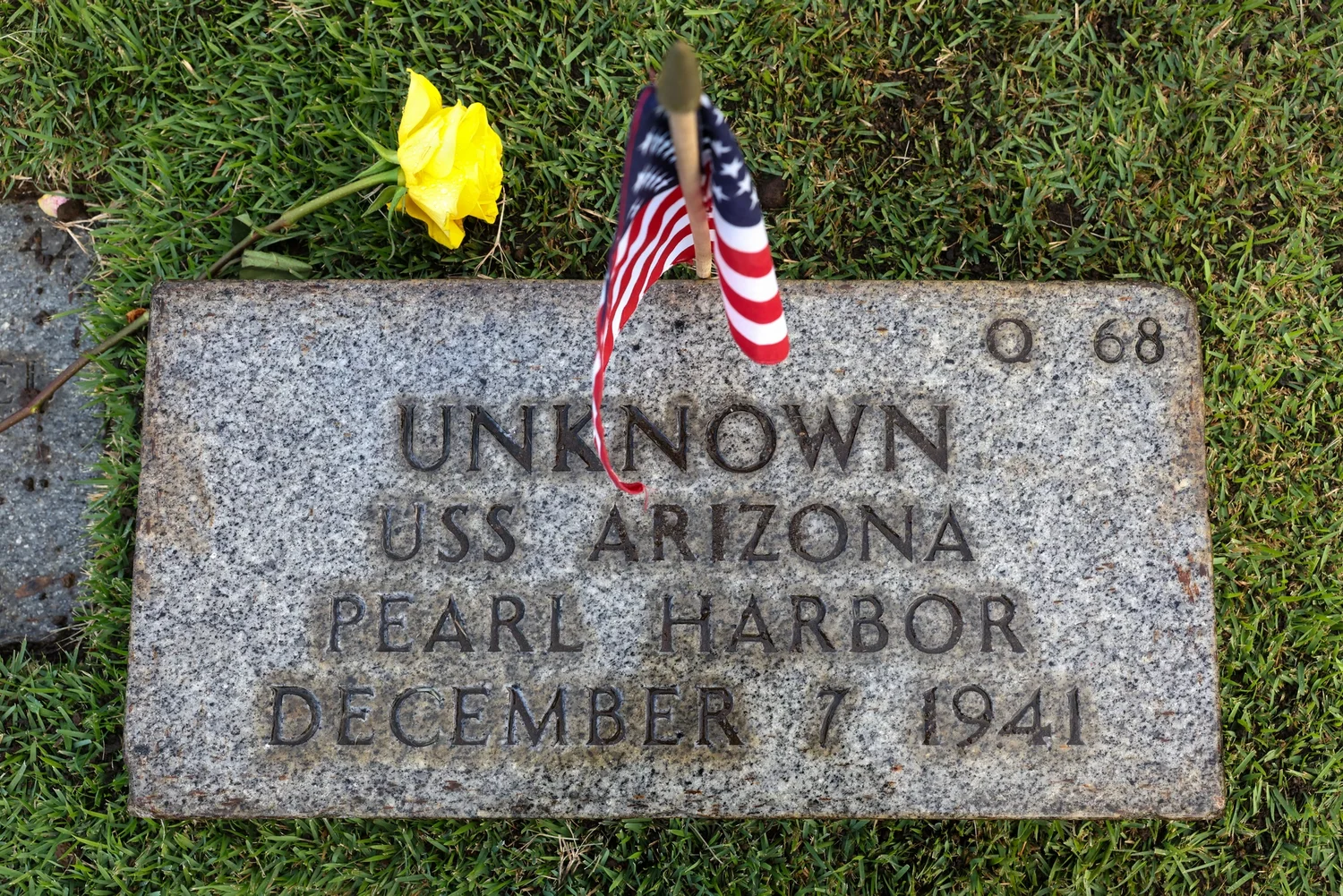
The Index
Eight USS Arizona unknowns were disinterred at Honolulu’s Punchbowl cemetery. Here’s why the work began early and what DNA comparisons can establish.
Nov 16, 2026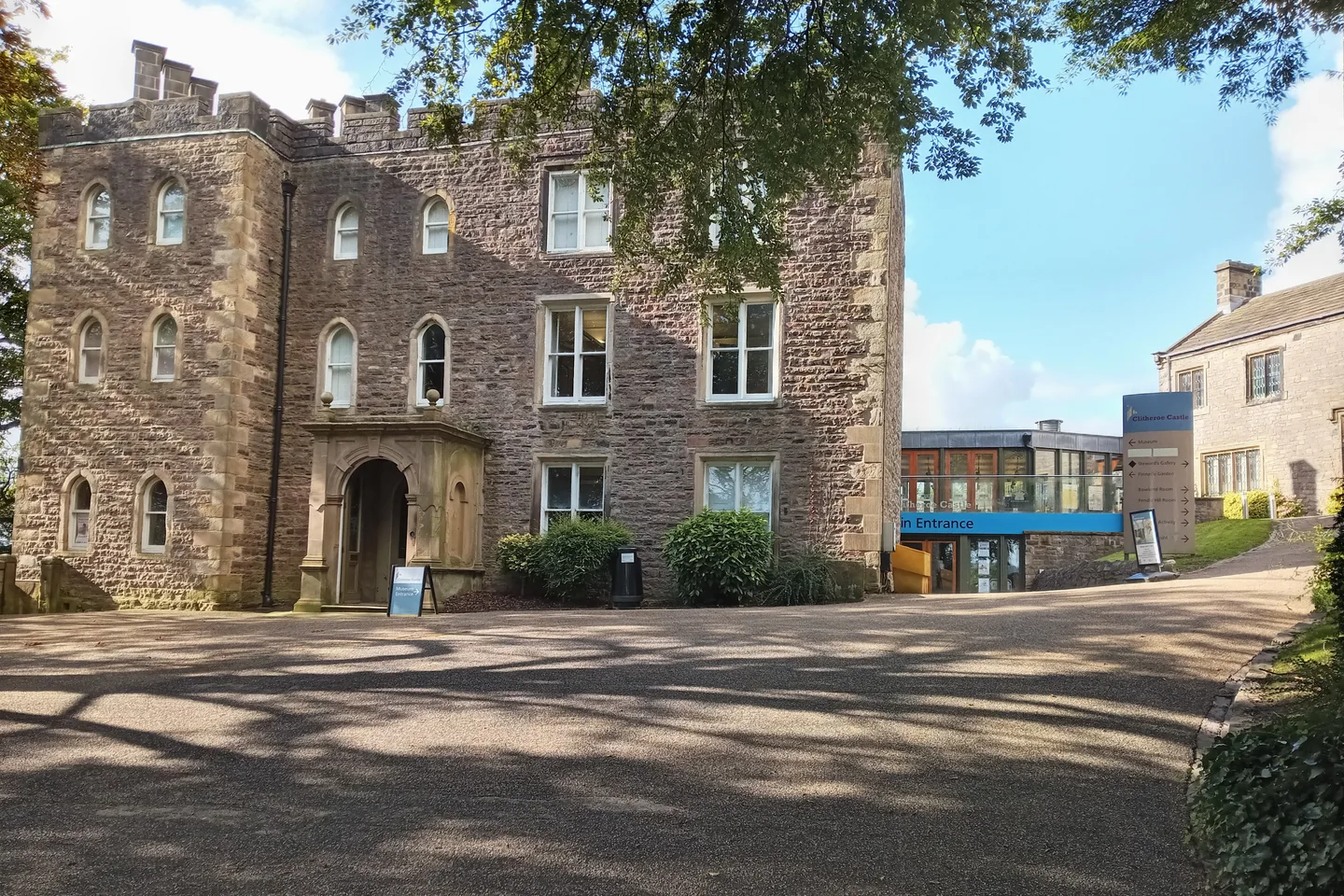
The Index
Nine cremation burials and a pot inside an urn were found at Higher Standen Farm. See what archaeologists dated and where Clitheroe Castle Museum displays the finds.
Nov 15, 2026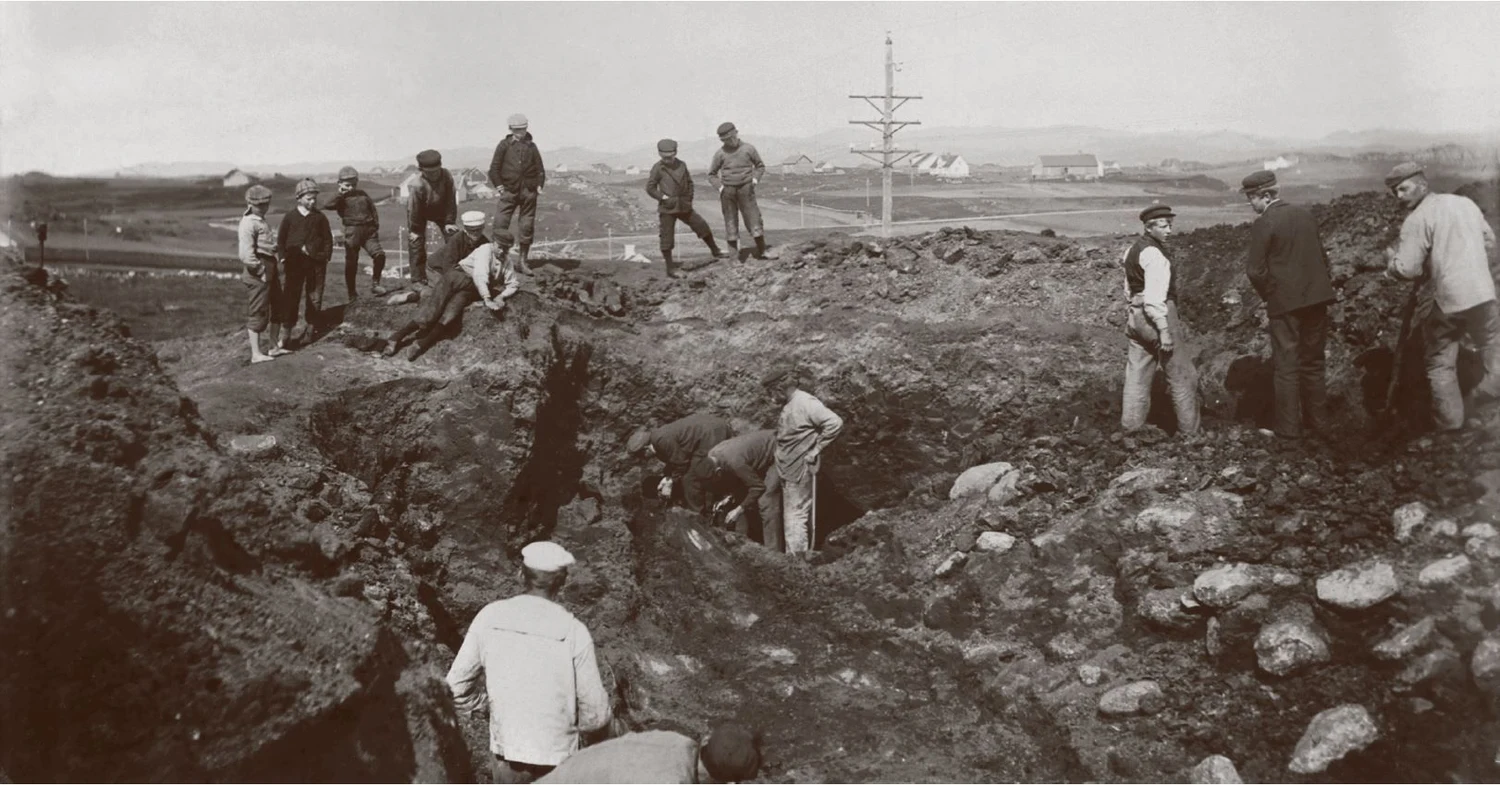
The Index
A 2026 excavation on Karmøy exposed an older structure beneath the Grønhaug ship grave. See what dates the Viking ship and why a Bronze Age burial remains unconfirmed.
Nov 14, 2026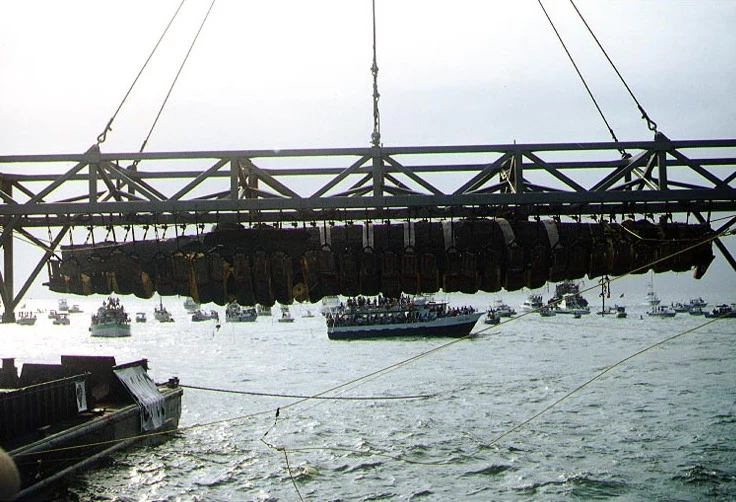
News
A Charleston Museum exhibit shows clothing and personal effects from the H. L. Hunley. Here’s what the artifacts tell us and what remains unresolved.
Nov 14, 2026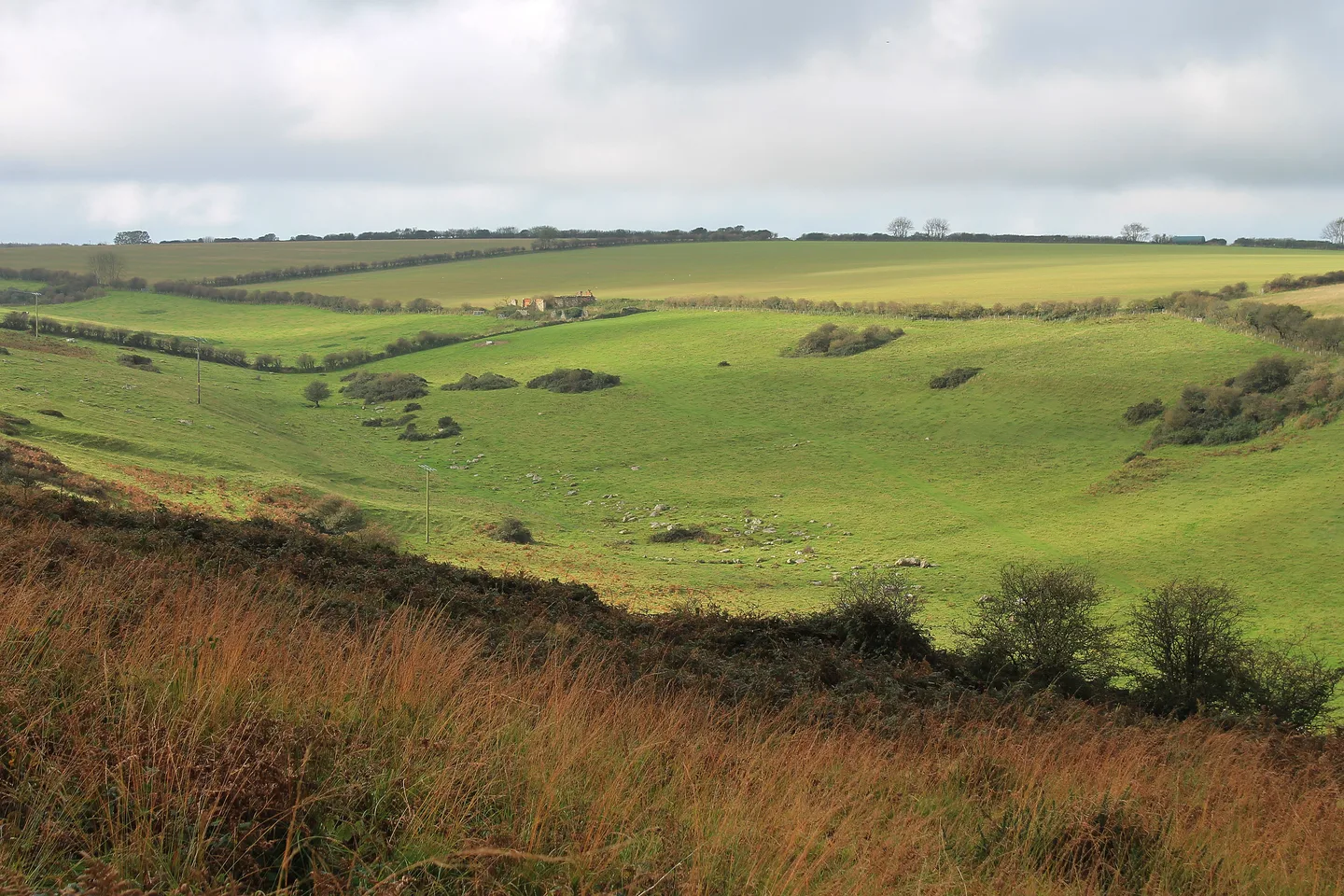
News
A five-foot sarsen has been raised in Dorset’s Valley of Stones. See why archaeologists think it belonged to a tomb and how it differs from the valley’s polishing stone.
Nov 13, 2026