The archive

Horror: Fiction, Folklore & True-Story Claims

Follow the stories behind horror cinema, literature and games. Use these starting points to distinguish fictional mythology, adaptations and claims that a work was inspired by real events.

Horror on screen and in print: explainers that separate a work's invented mythology from the history, religious texts and folklore it borrows. Where a film or game claims to be a true story, we check that claim against the production record and the historical sources.

Use the reading path below to start with the stories behind the genre, or use the A–Z index for a particular creature, case or literary tradition.

A story can borrow a name, setting or ritual from an older tradition without reproducing that tradition faithfully. These guides examine those changes instead of treating a film or game as a historical reference. For a true-story claim, begin with the documented person or event; for invented mythology, begin with the original work and the rules it actually establishes. Spoilers may be necessary to explain an ending or a creature. Release announcements and trailer-only reports are not the focus of this collection.

A suggested reading order

Start here

  1. The Exorcist True Story: The 1949 Case Behind the Novel and Film

    Compare the film’s inspiration with the limits of the historical account.

  2. Is The Blair Witch Project a True Story? How a Fake Legend Became Modern Folklore

    Explore how invented mythology borrows the texture of real folklore.

  3. Is Infirmary Based on a True Story? Shudder’s Missing Guard Is Fiction

    Check a found-footage film’s true-story claim against its production record.

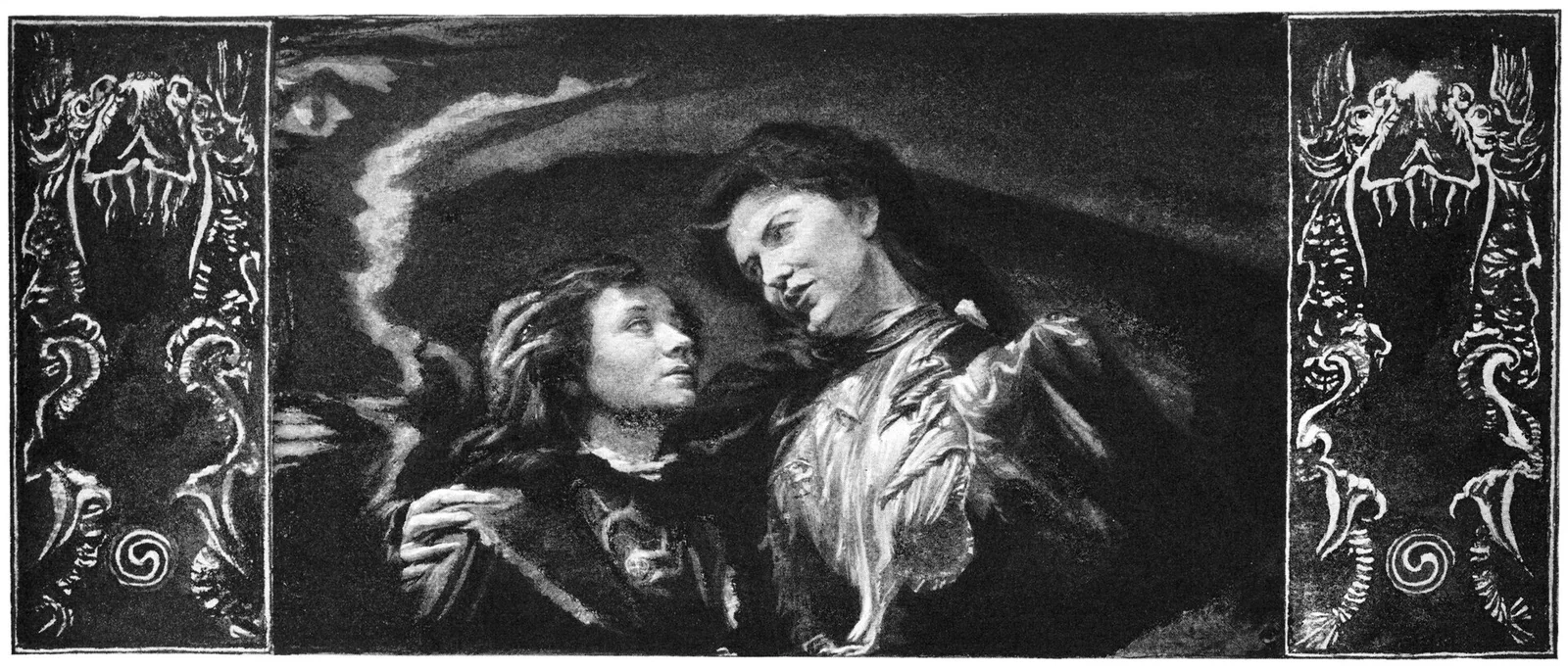
  4. Carmilla Explained: The Ending, Mircalla and the Vampire Before Dracula

    Begin a literary route with the vampire novella that preceded Dracula.

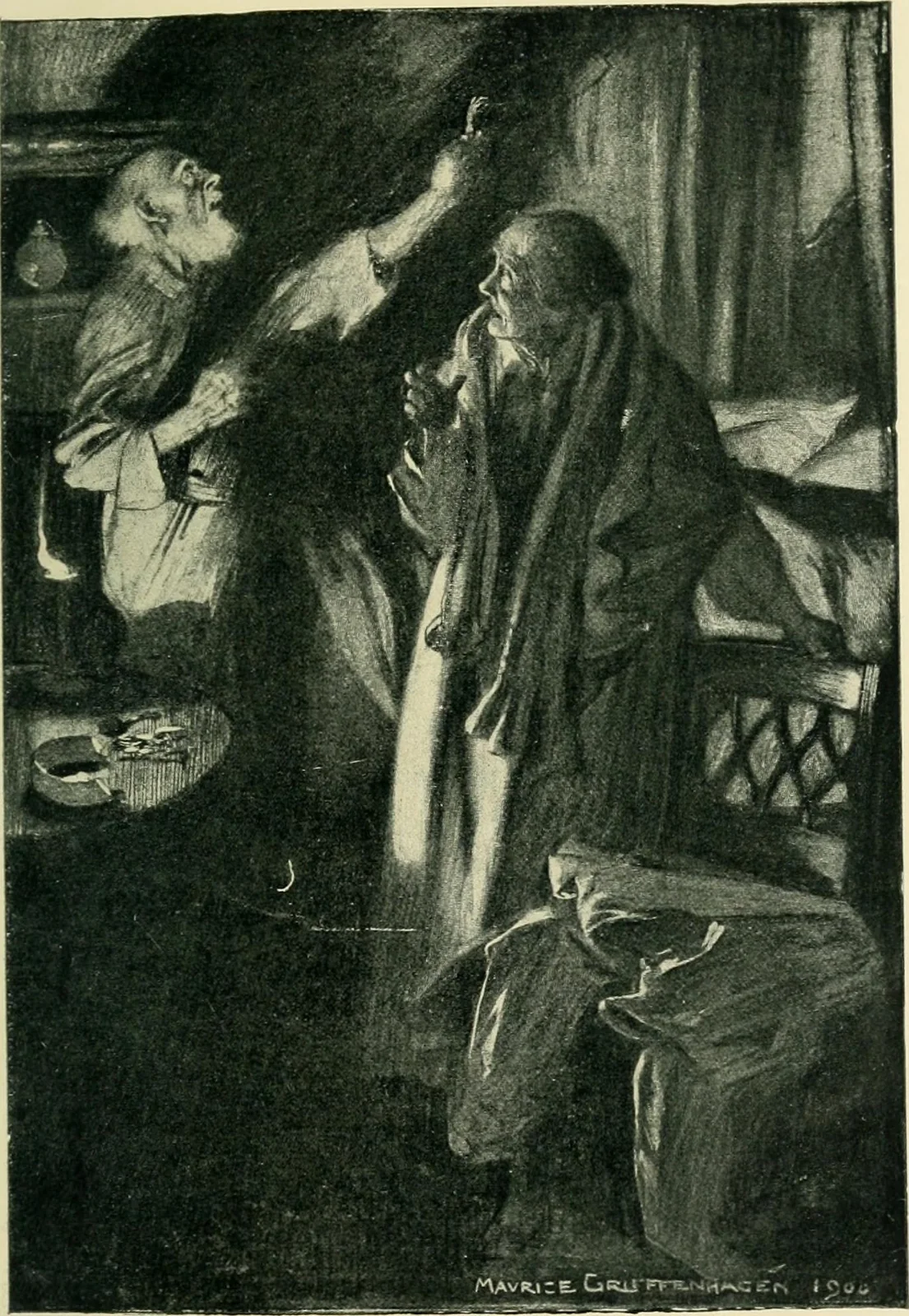
  5. The Monkey's Paw Ending Explained: The Three Wishes and the Knock

    See how a short story makes an unseen ending do its work.

Browse the coverage

70 entries