Lore & Explained / TV & Streaming
Does Mike Flanagan’s Carrie Connect to The Dark Tower? What He Confirmed and What Remains Theory
Mike Flanagan places Carrie within Stephen King’s Dark Tower cosmology. What his comments confirm, what the finale adds and why no crossover is announced.
Topics: Carrie, The Dark Tower, Mike Flanagan, Stephen King, Carrie White, Emaline, telekinesis, the shine, Prime Video, adaptation lore
Spoiler warning: This article discusses the ending of Prime Video’s 2026 Carrie season, including characters and unanswered questions introduced in its finale. The finale details are attributed to published coverage; this is not a firsthand review.
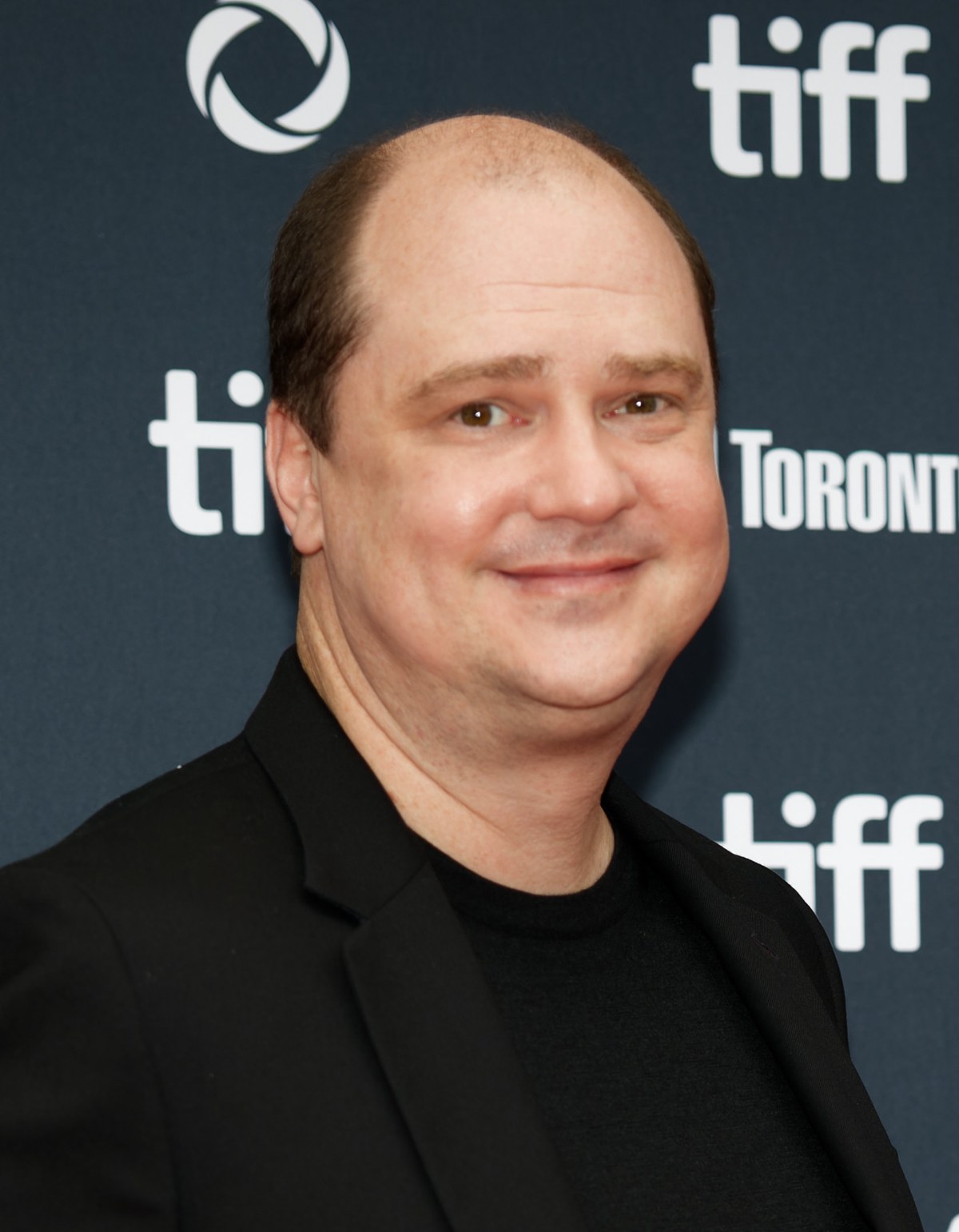
Hero: Mike Flanagan at the 2024 Toronto International Film Festival, photographed by Kevin Payravi / WikiPortraits, via Wikimedia Commons. Filmmaker context, not a Carrie still. The existing locally hosted photograph was resized and recompressed; those image adaptations retain the CC BY-SA 4.0 license.
Mike Flanagan has now addressed the question that hangs over the expanded mythology of his Carrie television series: does it belong to the world of Stephen King’s The Dark Tower?
In an October 7 interview with TV Insider, Flanagan said he thinks the story exists on a level of the Tower and that Carrie White has a place in King’s larger fictional world. He also described the pleasure of making connections among King’s stories.
That is a statement of creative intent from the series showrunner. It is stronger than a fan noticing an Easter egg.
It is not, however, an announcement that Carrie will meet Roland Deschain, that Flanagan’s planned Dark Tower adaptation will feature the same cast, or that every character with psychic abilities in Stephen King’s fiction uses one identical supernatural system.
The distinction matters because the eight-episode series has now been released in full, and its ending deliberately widens the questions surrounding Carrie’s abilities.
What Mike Flanagan actually confirmed
Flanagan’s central point was about a shared fictional universe, not a promised crossover episode.
He told TV Insider that King’s interconnected stories are part of the attraction of adapting them. He described Carrie as occupying a level of the Tower and said the original novel already suggests that Carrie has a place in that bigger world.
The same interview makes clear that Flanagan would like to explore the expanded story further if the opportunity arises.
The safe reading is therefore:
Flanagan intentionally imagines his Carrie within a wider Stephen King cosmology.
That does not establish how literal the connection will become.
There is no announcement that a Dark Tower character will appear in a future Carrie season. Nor does the interview reveal a crossover deal, an episode order or a shared on-screen continuity plan between the two adaptations.
Flanagan is describing how he understands the fictional world he has built.
What is a “level” of the Dark Tower?
In King’s fiction, the Tower is not simply a castle that characters might travel to.
The official Dark Tower site presents it as the center of a cosmology containing multiple worlds and realities. Roland Deschain’s journey moves through one part of that architecture.
That is why Flanagan’s choice of language matters.
Saying Carrie exists on a level of the Tower is not the same as saying that Carrie White has visited Mid-World. The Tower provides a framework in which separate stories can occupy related worlds without requiring a literal meeting between their protagonists.
This is an important difference between cosmological connection and plot crossover.
A creator can imagine two stories within the same larger reality without turning one into a direct sequel to the other.
What the Carrie finale adds
TV Insider’s October 7 finale coverage describes a version of Carrie White whose fate and relationship to other gifted people extend beyond the original novel’s familiar prom-night tragedy.
Its account identifies Emaline, played by Thalia Dudek, as a figure central to Carrie’s understanding of her abilities. It also describes an enigmatic group introduced late in the season, including a documentarian played by Kate Siegel.
The story raises the possibility that Carrie is not alone in possessing unusual powers.
Those details matter because they make the supernatural element less self-contained.
In the 1974 novel, telekinesis is fundamentally part of Carrie’s personal story: she can move things with her mind, and that ability becomes inseparable from her isolation, mistreatment and rage. Stephen King’s official synopsis establishes the telekinesis but does not lay out a wider institution or network responsible for all psychic abilities.
Flanagan’s series is more interested in what other people might know about the gift.
That is a choice made by the adaptation, not a previously hidden chapter of the 1974 novel.
Is Emaline a Dark Tower character?
There is no verified basis for calling Emaline an established Dark Tower character.
TV Insider discusses possible connections between the character and other branches of King’s fiction, including stories involving people with extraordinary abilities.
That is interpretation, not a casting or canon confirmation.
At present, the clear facts are narrower:
- Prime Video lists Thalia Dudek in the cast as Emaline.
- TV Insider discusses Emaline’s role in the finale.
- Flanagan confirms the intended broader Dark Tower context.
- No first-party statement reviewed here identifies Emaline as an existing character from The Dark Tower, The Institute or Firestarter.
Recognizing an echo between stories is useful. Declaring the echo to be an identity reveal would go further than the evidence.
What about Kate Siegel’s mysterious character?
According to TV Insider’s recap, Siegel appears as an unnamed documentarian associated with a disturbing group late in the season.
The description invites questions about who the group is and what it wants.
But an unnamed figure is not automatically a disguised character from a different book.
The original coverage draws comparisons with other stories by King as possible explanations. Those suggestions should remain theories unless the show or its creators name the connection.
There is no reliable confirmation here that Siegel plays a specific member of Roland’s world, a person from Doctor Sleep or an emissary from another King adaptation.
That makes her character an open thread rather than an answered crossover.
Does Carrie’s telekinesis mean she has “the shine”?
The language of the shine is relevant, but it needs care.
In the Shining tradition, psychic sensitivity can take forms such as perception, communication and visions. In Carrie, the most prominent established ability is telekinesis — physical objects moving through the character’s concentration or will.
Those are both supernatural gifts in King’s fiction.
They are not automatically identical in mechanics, origin or limits.
TV Insider describes the 2026 adaptation’s gifts through a shared psychic framework and discusses whether other characters may possess related abilities. That describes an interpretation of the series and its expanded mythology.
Neither the original Carrie synopsis nor Flanagan’s Dark Tower remarks establish a universal rule that every telekinetic in King’s world is a “shiner” in precisely the same sense.
The useful comparison is conceptual: Carrie no longer treats unusual mental powers as something that must remain completely isolated to one teenager’s experience.
Did the 1974 Carrie novel reference The Dark Tower?
The publication dates are important.
King’s official bibliography dates Carrie to April 5, 1974.
The Dark Tower: The Gunslinger appeared as a book in June 1982. Its component stories had previously appeared in magazines beginning in 1978.
That does not make it impossible for a later writer or adaptation to link Carrie to the Tower. It does mean we should avoid claiming that the 1974 novel contained explicit references to a published Dark Tower series.
Flanagan’s suggestion that King hinted at a larger place for Carrie is best understood as his interpretation of King’s supernatural storytelling, not evidence that Roland Deschain or the Tower is named in the original novel.
Later King fiction built a much more visible architecture of connected worlds.
The television adaptation is now drawing on that broader history.
How this differs from an explicit Dark Tower connection
Morbid Index recently covered Other Worlds Than These and its Dark Tower connection.
That is a useful comparison because the Talisman story has explicit textual links to Mid-World and Tower terminology. The latest book is marketed with those connections visible in its own premise.
The 2026 Carrie situation is different.
Its clearest evidence is Flanagan’s explanation of his creative intent, accompanied by story choices that broaden the world of psychic abilities.
The two levels of evidence should not be collapsed.
One story openly names and uses the Tower’s mythology. Another is being placed within that cosmology by the filmmaker adapting it.
Both can be connected to King’s imaginative universe, but not in identical ways.
Does this confirm a crossover with Flanagan’s planned Dark Tower adaptation?
No.
Flanagan has separately been developing a television adaptation of The Dark Tower. His interest in connecting King stories makes the shared-universe comment more intriguing.
But planning or developing two adaptations does not itself confirm they will share actors, settings or a continuity agreement.
The October 7 interview does not announce a Carrie character appearing in The Dark Tower or vice versa.
Nor does it make a future Carrie renewal official.
Morbid Index’s separate report on Flanagan’s preferred three-season plan explains that creative ambition and a formal Prime Video renewal are different things.
The same rule applies here.
Intended shared cosmology is confirmed as Flanagan’s view; an on-screen franchise crossover is not.
Why the distinction improves the ending
The connection matters even without a cameo.
The original story’s supernatural power feels cruelly private. Carrie has a gift but lacks the social world, support and understanding to live safely with it.
By widening the possibility of people who know something about psychic powers, the 2026 series opens a different kind of question.
The mystery is no longer only what Carrie can do.
It is also who might understand those abilities, who might try to control them, and what sort of world exists beyond the town that hurt her.
That gives the Dark Tower comparison a narrative purpose. It can inform the show’s sense of scale without making its story a required chapter in Roland’s quest.
What is confirmed — and what remains open?
Confirmed: All eight episodes of the first season are available on Prime Video; Flanagan says he understands Carrie as part of a larger King cosmology associated with a level of the Tower; the adaptation introduces more questions about people with extraordinary abilities.
Not confirmed: Emaline is an existing Dark Tower or Institute character; Siegel’s unnamed figure belongs to a previously established supernatural group; Carrie will appear in the planned Dark Tower show; either project has announced a crossover; Prime Video has ordered multiple Carrie seasons.
Those distinctions keep an intriguing interview from becoming a false franchise announcement.
Frequently Asked Questions
Is Mike Flanagan’s Carrie connected to The Dark Tower?
Flanagan says he thinks Carrie exists on a level of the Tower and within King’s interconnected fictional universe. That confirms his creative interpretation, not a specific cameo or crossover production.
Is Carrie White a character in the Dark Tower novels?
The sources reviewed here do not establish Carrie White as an on-page participant in Roland Deschain’s central story. Her placement in the larger cosmology is what Flanagan discusses.
Does the 1974 Carrie novel mention the Dark Tower?
King’s 1974 novel predates the published Gunslinger stories. The original book establishes Carrie’s telekinesis; it does not explicitly introduce the later Dark Tower series.
Is Emaline from The Institute?
No official statement reviewed here identifies her as a character from The Institute. Similarities between supernatural abilities do not prove shared identity.
Is Kate Siegel’s Carrie character from Doctor Sleep?
That is unconfirmed. TV Insider describes a mysterious unnamed figure, but no official identification with a Doctor Sleep character has been provided.
Does Carrie have the shine?
The 2026 adaptation invites connections among King’s fictional psychic abilities. The word should not erase distinctions among telekinesis, visions and other powers or impose one rule on every book.
Is the Carrie series a sequel to The Dark Tower?
No. It is a new television adaptation of Stephen King’s Carrie, with broader cosmological ideas discussed by its showrunner.
Are all eight episodes streaming?
Yes. Amazon’s current series information confirms that all eight episodes launched on Prime Video on October 7, 2026.
Has Carrie Season 2 been renewed?
No renewal was confirmed in the sources reviewed for this article. Flanagan’s wish to continue the story is not a season order.
Is this a review of Carrie?
No. This is an evidence-based lore and continuity explainer, using an attributed creator interview and published finale coverage. No Morbid Index author is claiming to have watched the season or given it a rating.
Sources & further reading
- TV Insider: Mike Flanagan on Carrie and The Dark Tower (October 7, 2026; finale spoilers)
- Bloody Disgusting: Flanagan explains the Dark Tower connection (October 7, 2026)
- Amazon: Carrie Season 1 is streaming, all eight episodes
- StephenKing.com: Carrie (1974)
- StephenKing.com: The Dark Tower world
- StephenKing.com: Other Worlds Than These — official Dark Tower connections
- Library of Congress: Bernard Gotfryd collection rights statement
- StephenKing.com: The Gunslinger first published June 1982
- Morbid Index: Other Worlds Than These and the confirmed Dark Tower link
- Morbid Index: Mike Flanagan’s preferred three-season Carrie plan
- Wikimedia Commons: Mike Flanagan at TIFF 2024
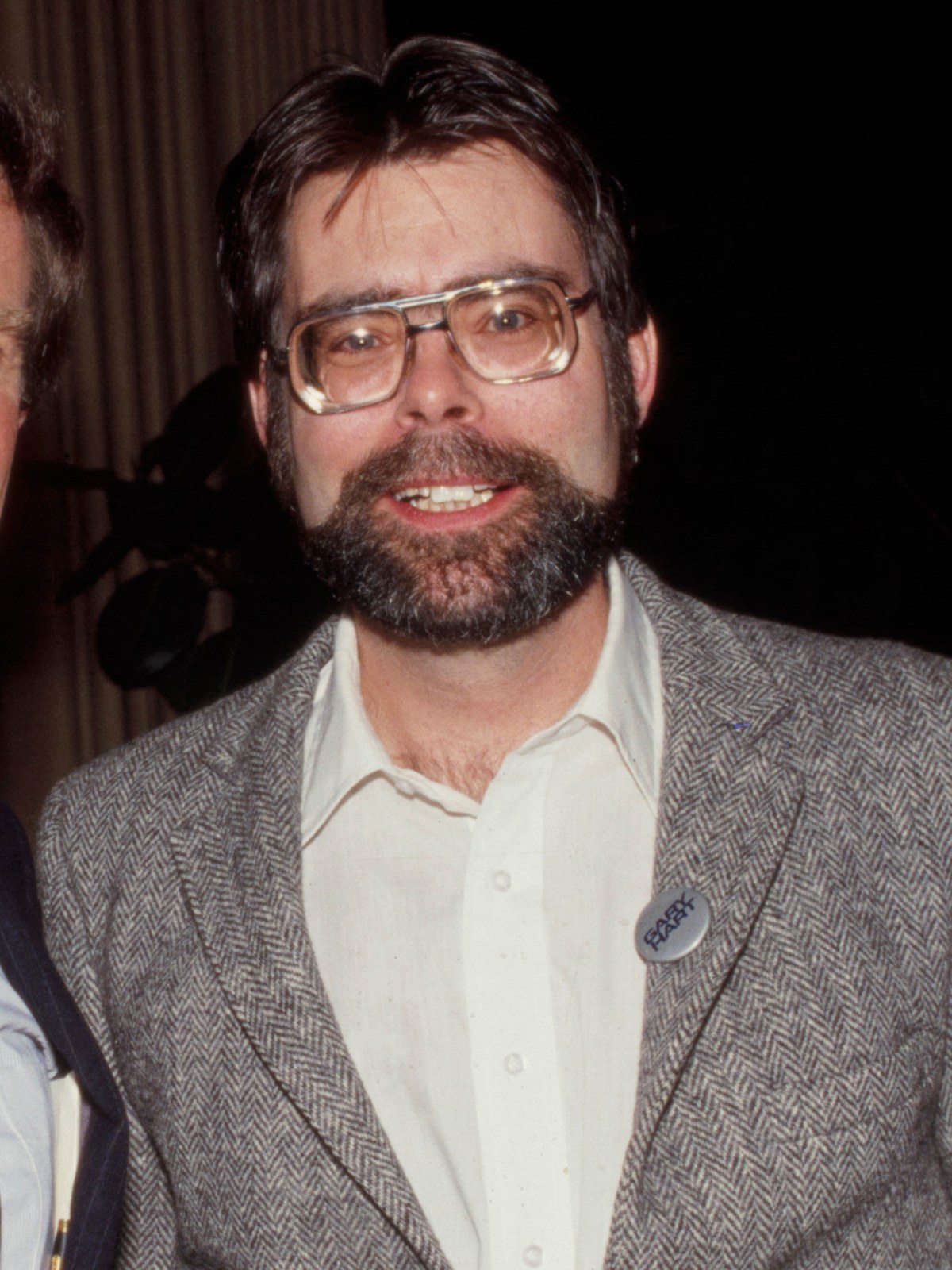
- Wikimedia Commons: Stephen King, 1984
.jpg)
.jpg)