News
JonBenét Ramsey DNA: Why Police Are Cautious About New Tests
Boulder's police chief says tiny DNA samples could be consumed by testing. What his new interview confirms, what police already tested and what remains unresolved.
Topics: JonBenét Ramsey, Boulder, DNA, Forensic Genetic Genealogy, Unsolved Cases
Boulder police are discussing possible genetic-genealogy testing in the JonBenét Ramsey investigation, but Chief Stephen Redfearn says some small DNA samples could be used up by the process. His new interview describes a decision about evidence, not an announced identification. The murder remains unsolved.
What the new interview establishes
In ABC News’ November 6 report, Redfearn says the department is talking with laboratories about testing that could support forensic genetic genealogy. He wants confidence that the available technology can produce useful results before committing certain samples.
ABC describes evidence that is both very limited and complex, including mixtures of DNA. Redfearn also says investigators are re-interviewing people, testing new evidence and following leads. These are different activities: caution about a particular proposed test does not mean that all forensic work has stopped.
The report accompanies ABC’s 20/20 investigation. It does not announce a successful new genetic-genealogy match or identify a perpetrator.
Why the concern predates this interview
The practical limitation was already public in Boulder’s November 9, 2022 update. Police described the available DNA as extremely small in quantity and complex. They warned that analysis could consume some or all of a sample.
That statement also recorded discussions with private laboratories, the Colorado Bureau of Investigation and the FBI about further testing and genetic genealogy. Police said additional analysis would follow when proven technology could reliably handle samples of the kind available in this case.
The new interview therefore adds the current chief’s explanation of the decision. It should not be presented as the first time investigators considered genetic genealogy or recognized the risk of using up evidence.
What police have already confirmed
The December 2025 statement on Boulder’s case page says detectives conducted new interviews, re-interviewed individuals, collected new evidence and tested or retested other material to generate leads. It does not publish a laboratory-by-laboratory inventory of those tests or their results.
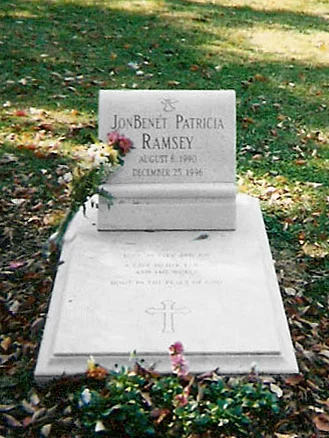
The same official page records that JonBenét was six when she was reported missing and later found dead in her Boulder home on December 26, 1996. It continues to describe an open homicide investigation.
What would be a different kind of update?
Discussions with a laboratory, completion of a test and identification of a person are separate developments. Neither the new interview nor the police statements cited here announces that this case has reached the last of those stages through the proposed testing.
For a confirmed identification with a documented sequence of evidence, see how investigators identified Willie Blanton Mills. That case concerns the identity of recovered remains; it does not establish what a different sample can reveal in the Ramsey investigation.
Boulder asks anyone with information about JonBenét’s case to contact its investigators through the official case page, which lists the department’s current tip contacts.