The Index / Unsolved Cases
The Hinterkaifeck Murders: What Happened at the German Farm in 1922?
Six people were killed at Hinterkaifeck in Bavaria in 1922. The surviving record establishes an unsolved crime, not the internet legend built around it.
Topics: Hinterkaifeck, Germany, Unsolved Murder
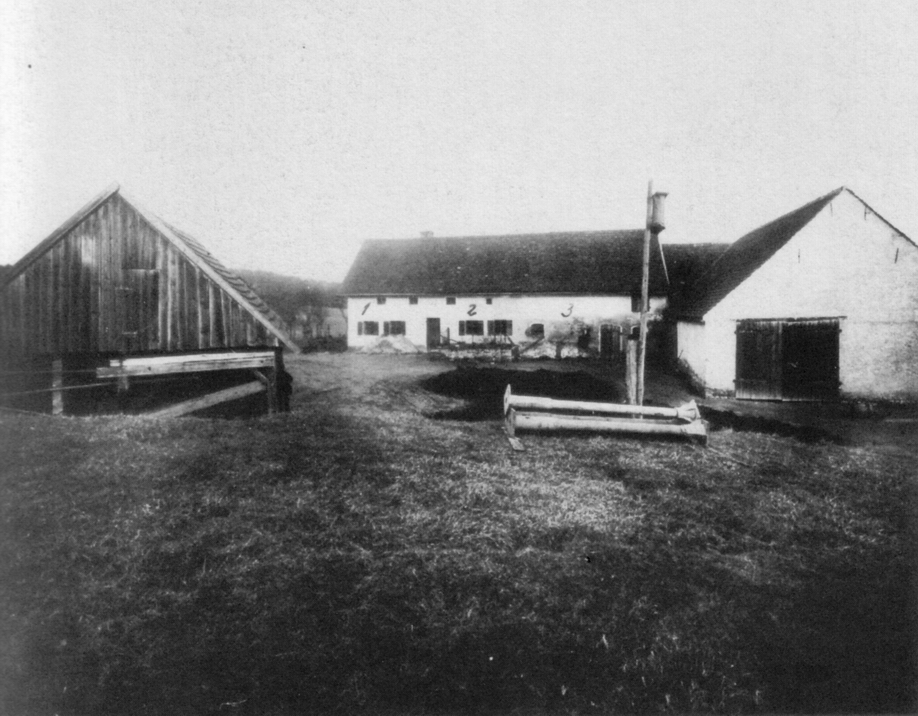
Andreas Biegleder / Wikimedia Commons (Public Domain)
The Hinterkaifeck murders remain unsolved. Six residents of an isolated Bavarian farm were killed on the night of March 31, 1922; their bodies were found on April 4. The case is unsettling without the added claims that a killer secretly lived in the attic or that every strange detail online is in the police record.
The farm and the people who lived there
Hinterkaifeck was an isolated farmstead near Gröbern, in Upper Bavaria, rather than a village of its own. Andreas Gruber and his wife Cäzilia lived there with their widowed daughter Viktoria Gabriel, her young daughter Cäzilia, her son Josef, and, from March 31, the newly hired maid Maria Baumgartner. The family history was complicated and became part of later speculation, particularly questions about Josef’s paternity. It is important not to convert family conflict into a solved motive. Investigators considered it because they had to; the evidence never established a killer.
The farm’s relative isolation matters because it affected discovery and access. It does not turn every later story about a hidden intruder into a fact. The surviving documents are uneven: police materials exist in the Bavarian State Archives, but portions of the broader record were lost, dispersed or destroyed during later upheavals. A modern account should say when it is relying on a later recollection rather than a contemporaneous report.
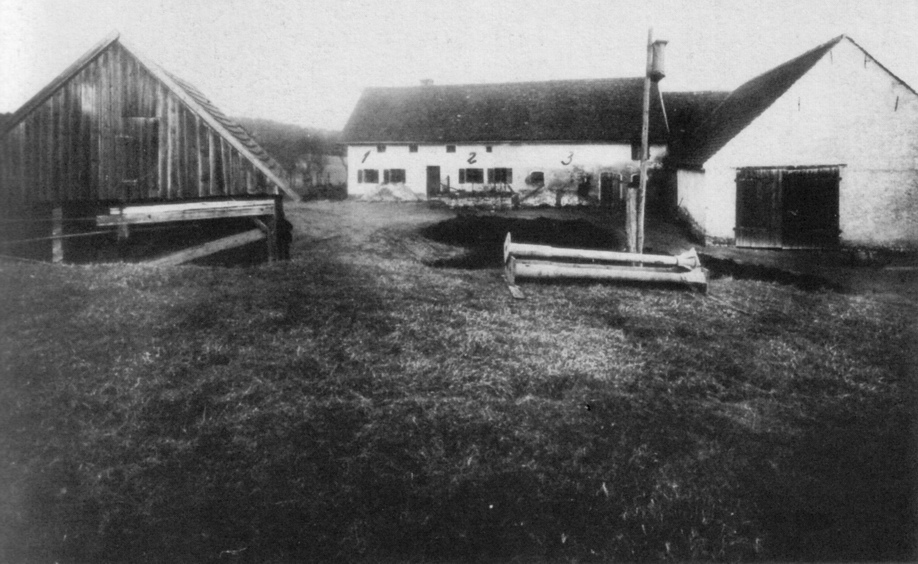
Historic view of the Hinterkaifeck farm, Andreas Biegleder / Wikimedia Commons (Public Domain).
The crime and the record
The victims were Andreas Gruber and Cäzilia Gruber, their daughter Viktoria Gabriel, Viktoria’s children Cäzilia and Josef, and the family’s new maid, Maria Baumgartner. The Bavarian Main State Archive dates the killings to the evening of March 31 and identifies a mattock as the weapon later found when the farm was demolished in 1923.
Investigators faced a rural scene, delayed discovery and the limitations of 1922 forensic practice. The archive says Munich police opened more than 100 inquiries by 1930 without solving the case. Parts of the later record were also lost or dispersed, which makes confident modern reconstructions particularly risky.
The timing is more secure than many of the famous details. The Main State Archive places the deaths between roughly 7 and 10 p.m. on March 31. On April 4, neighbors concerned that the family had missed church, school and routine appointments went to the property. The adults and older child were found in the barn; Josef and Baumgartner were found inside. The distinction matters because the common story that every victim was simply lured outside in a single sequence is a reconstruction, not a proven account of the killer’s method.
Investigators identified severe head injuries and later recovered the mattock believed to be the weapon. It was found in 1923, after the farm was demolished, concealed in a false floor. That discovery is documented; it did not yield an identified offender.
What may have happened afterward
Accounts that someone fed livestock, used the kitchen, or remained on the farm after the killings are often repeated as fact. Some derive from witness recollections and investigative material, but they do not establish the identity, location or duration of a killer’s presence. The same caution applies to reports of footprints, attic noises and missing keys: they are leads in a difficult record, not a solved sequence.
The footprints-in-snow story is particularly revealing. It appears in many modern summaries as the opening proof of a stalker who arrived from the forest and never left. What can be said more carefully is that reports of unusual tracks were associated with the period before the crime; the available record does not establish their maker or preserve them as forensic proof. The alleged attic noises, a missing newspaper and missing keys have similar problems of source quality. They may have been reported by people close to the farm, but they cannot demonstrate that a murderer lived overhead for days.
There are also observations that someone may have handled livestock, food or a fire after the killings. Those observations are among the reasons the case acquired its enduring unease. They are still circumstantial. A person could have come to the farm after the murders; a killer could have remained; routine assumptions could have been mistaken. The record does not let us choose among those possibilities with confidence.
Lorenz Schlittenbauer, a neighbor connected to Viktoria, became a prominent suspect in public discussion. Karl Gabriel theories and later named suspects have also circulated. None resulted in a conviction or a demonstrated solution. The archive’s preservation of the investigation is valuable precisely because it shows how much remained unresolved.
Schlittenbauer’s connection to Viktoria and his behavior during the discovery made him a natural subject of suspicion, both then and later. So did disputes around Josef’s paternity. But suspicion is not evidence, and accounts of exactly how he behaved at the farm can be colored by later storytelling. Karl Gabriel, Viktoria’s husband, had been reported killed in the First World War; theories that he returned secretly are speculative. Josef Bärtl and other names appear in later case literature, often on the basis of hearsay or retrospective claims rather than evidence that could support a prosecution.
Cold-case reviews have revisited the case, including attempts to organize surviving material and consider DNA possibilities. The central barrier remains the same: no usable evidentiary chain has tied a person to the killings. That is why the case is unresolved, not merely mysterious.
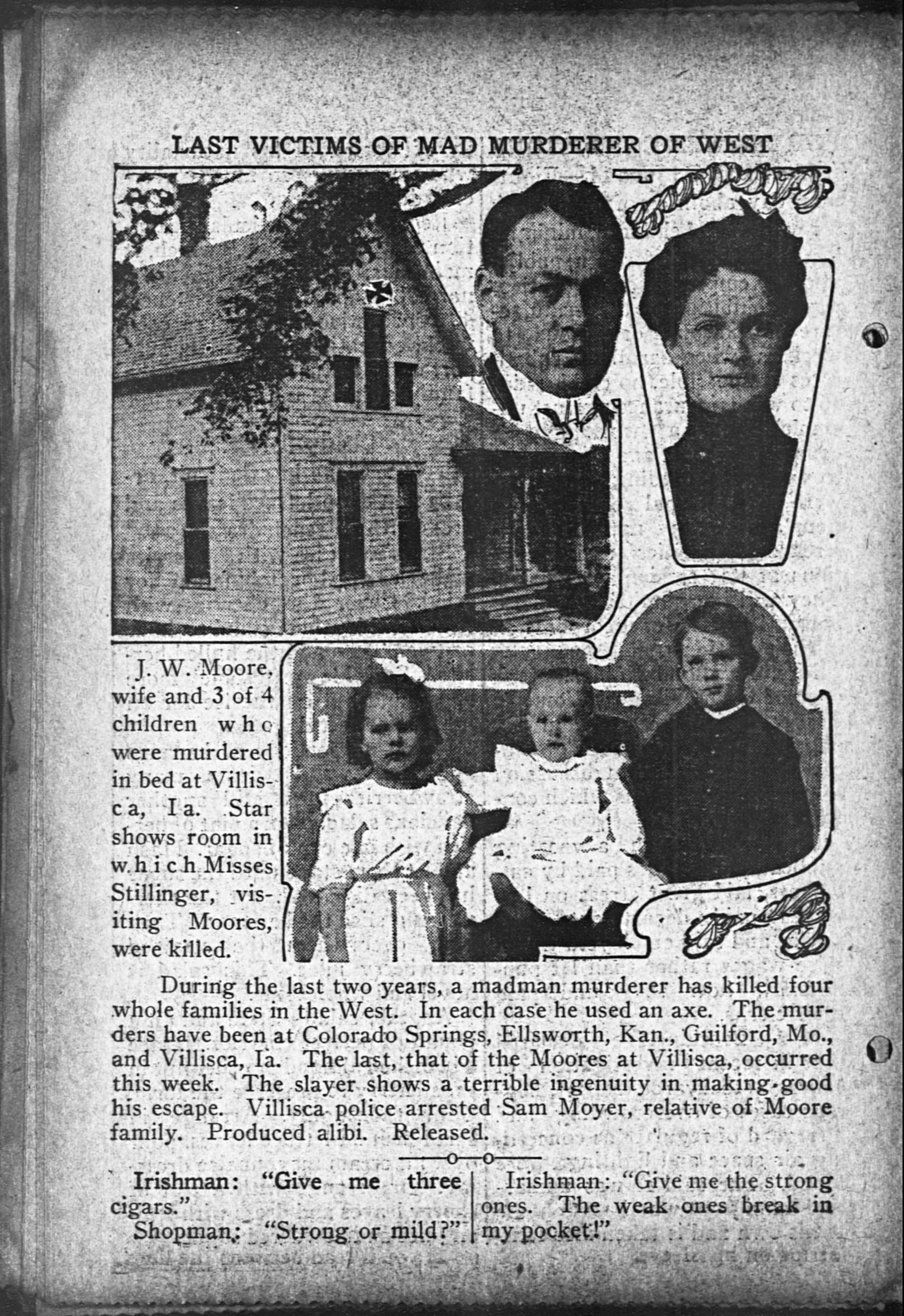
Hinterkaifeck belongs with other cases where a real crime accumulated a folklore afterlife. For another carefully documented unsolved household murder, see the Villisca Axe Murders; for a different kind of disappearance, see the Yuba County Five.
Questions readers ask
Who killed the Hinterkaifeck family? No killer has been identified by a court or official resolution.
Was the weapon found? A mattock believed to be the weapon was found in 1923 during demolition.
Did the killer stay at the farm? There are claims and circumstantial observations, but no conclusive proof of who, if anyone, stayed there.
Is Hinterkaifeck solved? No. More than a century later, no offender has been established by reliable evidence.




.jpg)