Lore & Explained / TV & Streaming
Netflix's The Body and the Salem Witch Trials: What the History Really Adds
Quinn Shephard cites Salem, The Crucible and Carrie as influences on Netflix's The Body. What those references mean and what the 1692 record does not prove.
Topics: The Body, Netflix, Quinn Shephard, Salem Witch Trials, The Crucible, Carrie, religious horror, horror history
Netflix’s The Body borrows the language of religious fear, adolescent visions and community panic, but it is not a retelling of the Salem witch trials. The important historical connection is more specific: creator Quinn Shephard has identified Arthur Miller’s The Crucible and the events of 1692 as influences, alongside films about teenagers whose inner lives become terrifying to the adults around them.
In Netflix’s own interview with Shephard, she names Carrie, Jennifer’s Body, Heavenly Creatures and Mean Girls among her inspirations. She also recalls an intense adolescent interest in The Crucible and the Salem witch trials. That is a statement about the show’s creative origins. It does not mean that the script is based on a documented haunting, a particular Salem defendant or an undisclosed real incident.
The comparison becomes more useful when we ask who has the power to define another person’s behavior as dangerous—and what happens when belief turns an accusation into an accepted explanation.
What Netflix actually confirms about The Body
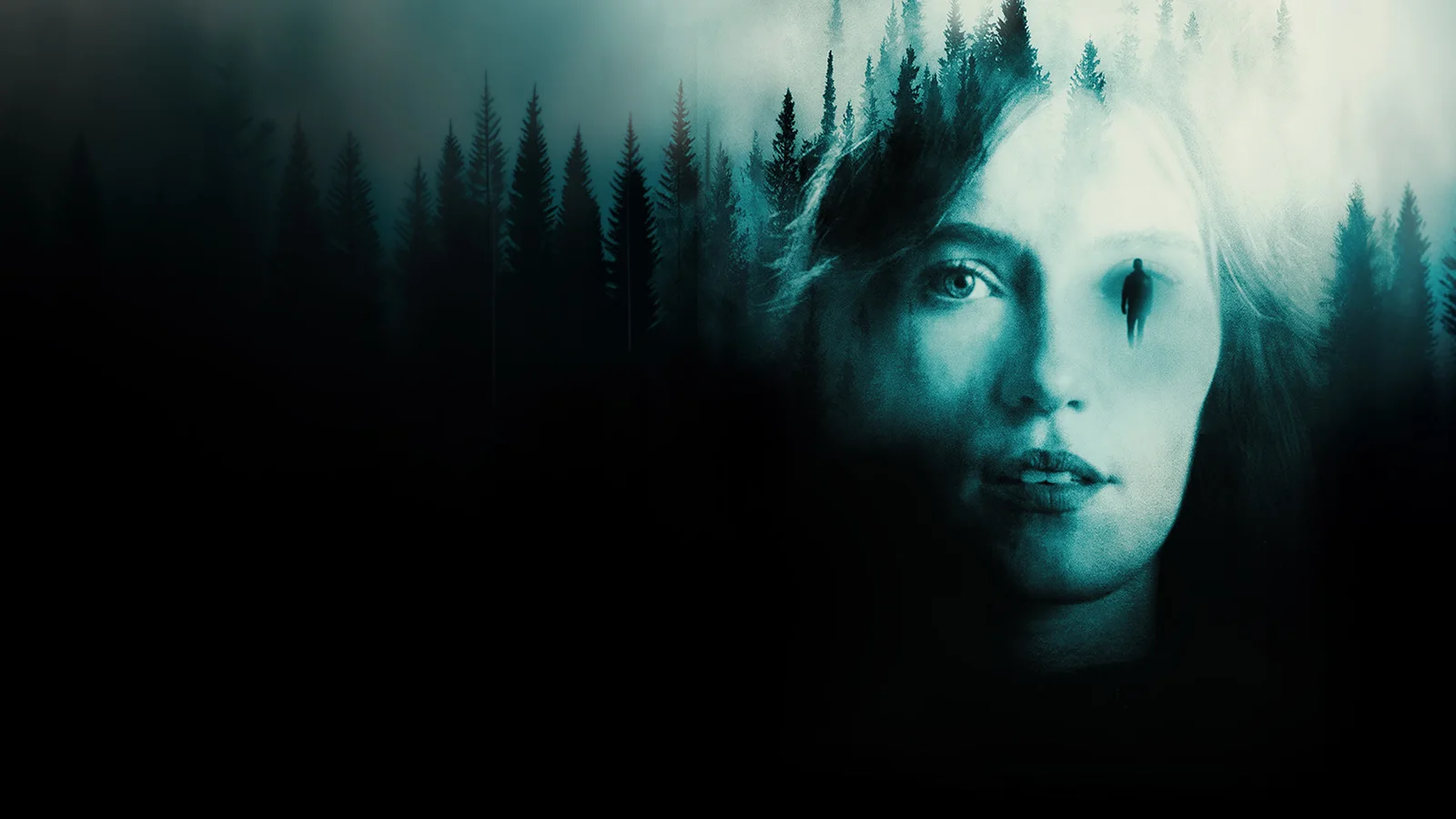
The official premise begins with a dance-team initiation at a Catholic school. After the initiation goes wrong, several girls experience what Netflix describes as prophetic visions. The situation spreads beyond the group into what the streamer calls mass hysteria in their town. Netflix lists the series as eight episodes and dates its release to November 11, 2026. Its U.S. Media Center listing independently confirms that date and the premise.
Shephard created the series, serves as showrunner and directs the premiere. The credited cast includes Kristina Bogic, Sara Boustany, Geena Meszaros, Nnamdi Asomugha and Sofia Wylie; Riley Keough is among the executive producers. Netflix identifies Bogic’s character as Anya Butler, Boustany’s as Elise Zakaria and Meszaros’s as Lisbeth Anderson. The girls’ exact relationships to the visions and to one another should not be invented beyond what Netflix has published.
Netflix published its own trailer article on October 12, 2026, confirming the new campaign and November 11 premiere. Its promotional description leaves the full explanation of the fictional visions unresolved.
Netflix’s synopsis says the girls have visions; it does not establish whether those visions are genuinely supernatural inside the fiction. Nor does it identify a demon, a possession mechanism, an exorcism or an actual seventeenth-century case as the show’s hidden explanation.
Why Salem is a revealing influence—not a shared plot
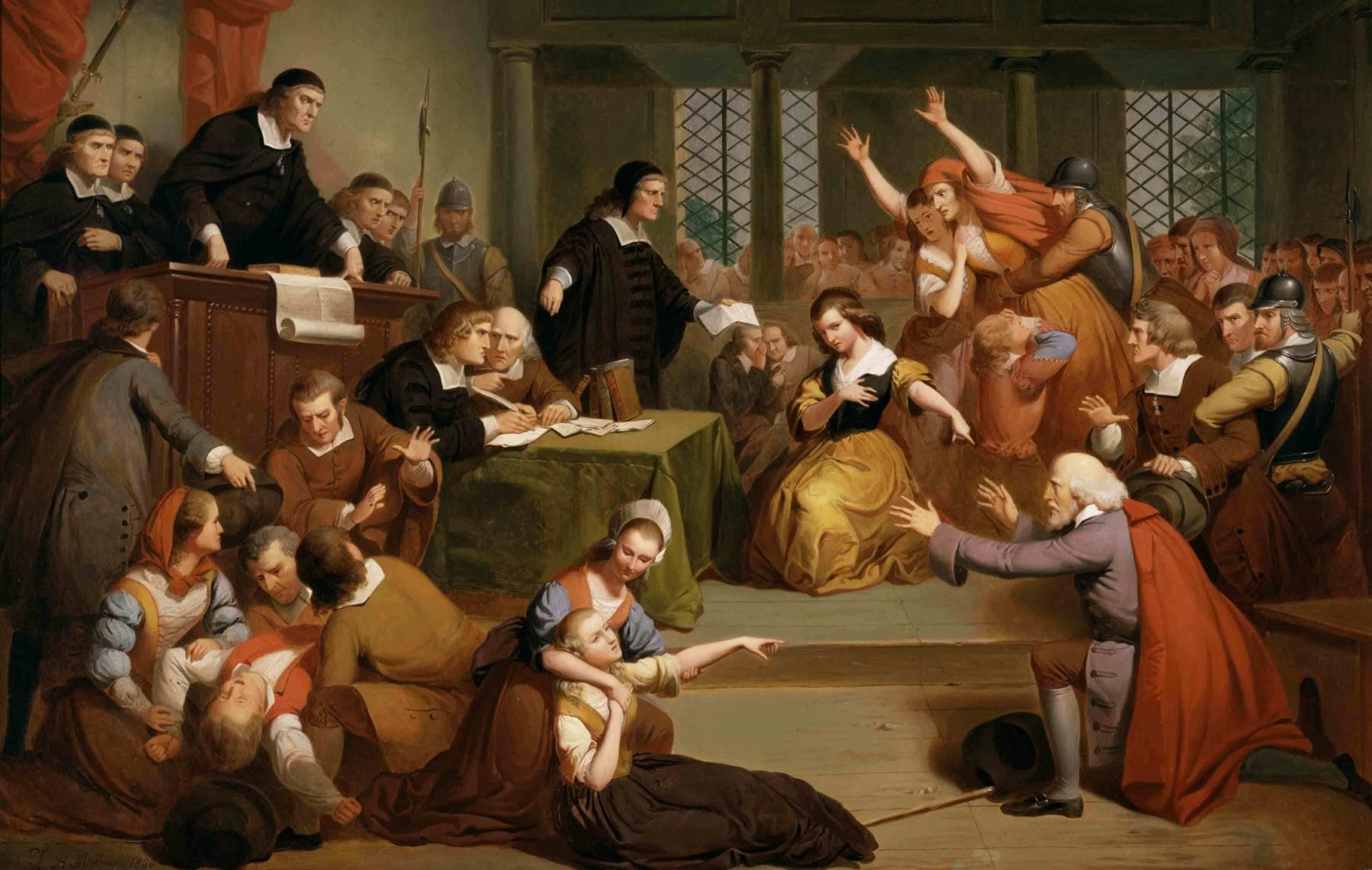
The Salem witch trials began in 1692 in colonial Massachusetts. Young people, including Betty Parris and Abigail Williams, were central to the early accusations. The resulting proceedings were not a harmless public scare: people were arrested, subjected to judicial examinations and punished for a capital crime. According to the National Endowment for the Humanities’ examination of the records, 19 people were hanged, one was pressed to death, and five more died in custody.
That history gives horror writers two different kinds of material. One is a visual vocabulary: young accusers, religious authorities, unusual behavior and suspicions of invisible forces. The other is the more consequential reality of institutions accepting claims about the supernatural as legally meaningful evidence.
At Salem, testimony that a specter associated with the accused had harmed someone became an important part of prosecutions. The court system, not merely gossip, made that testimony consequential. The records therefore reveal more than a community briefly frightening itself. They show a political, religious and judicial process in which the consequences fell on identifiable people.
Our separate, document-focused history of the Salem witch trials covers the specific defendants, chronology and competing explanations. The Body should not be marketed as though it has dramatized those cases. Netflix describes a present-day fictional school and town, not a recreation of 1692 Massachusetts.
A ghostly vision is not the same thing as spectral evidence
It is tempting to draw a straight line between the words vision and spectral evidence. But they are different claims in different settings.
In Netflix’s fiction, a vision is part of a character’s experience, and its eventual cause remains unknown before release. In surviving Salem testimony, accusers reported being tormented by apparitions attributed to other people. Magistrates then treated that testimony as relevant to accusations of witchcraft. The Salem Witch Trials Documentary Archive preserves transcriptions and manuscript images that allow readers to examine what was recorded rather than relying on later folklore.
The useful parallel is not that Salem’s accusers had the same experiences as the characters in The Body. It is that other people’s interpretations of an experience can reshape the life of someone who has no power over the story being told about them.
That is a thematic reading of Shephard’s stated inspiration—not a claim that Netflix has revealed how the fictional mystery ends.
The Crucible is part of the connection, but it is not a transcript
Arthur Miller’s 1953 play The Crucible is a central modern lens through which audiences encounter Salem. It turns the trials into a tightly structured drama about fear, private grievance, public accusation and conformity. Miller wrote it in the climate of anticommunist investigations in the United States, giving the seventeenth-century episode an unmistakably contemporary political resonance.
The play is also historical fiction. It changes ages, relationships and details for dramatic effect. The romantic affair between John Proctor and Abigail Williams, for example, is not an established event in the trial records. Readers wanting to compare Miller with primary-source accounts can use the historical overview already published on Morbid Index.
Shephard’s reference to The Crucible therefore points to a long-running theatrical question: how does a social order decide whom to believe, whom to blame and whom to sacrifice? It does not license treating a twentieth-century play as independent proof about 1692.
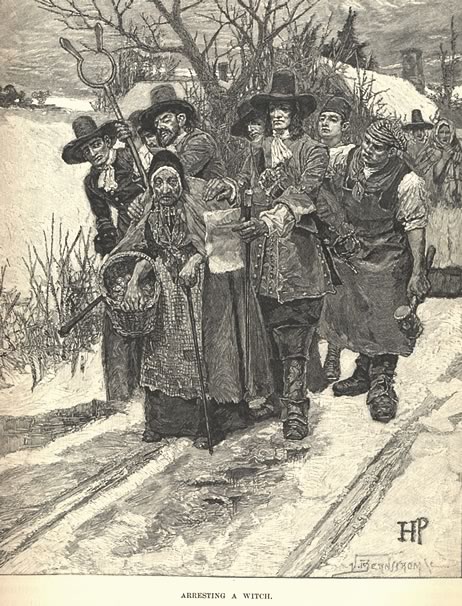
The show combines several traditions that should not be confused
Netflix’s list of inspirations ranges across very different kinds of storytelling. Carrie offers an example of religious pressure and adolescent isolation meeting a supernatural premise. Jennifer’s Body explores friendship, desire and the monstrous treatment of a teenage girl. Mean Girls is social comedy rather than supernatural horror. The Crucible stages the terrifying power of an accusation.
None of those works supplies an automatic answer to the new series’ central mystery. Shephard describes The Body as a coming-of-age story with comedy and Catholic-horror elements. The creator also explicitly discusses the experience of growing up queer and repressed when explaining why the series is personal to her. Those comments make the tension between inner experience and outer judgment an especially grounded way to approach the show.
It is an interpretation to connect that tension to Salem; it is not confirmation that the school has a secret witch cult, that a named character is possessed or that the narrative has a particular villain.
The same restraint applies to the phrase mass hysteria. In a television synopsis it describes a fictional town’s response. It is not a clinical diagnosis of the characters, and it should not be projected backward as a medically established cause of the Salem trials. Historians continue to analyze the roles of religious belief, conflict, testimony, governance and coercion in those prosecutions. The record does not support reducing every participant to one psychiatric explanation.
The real people behind the historical analogy
The drama of Salem is sometimes retold as a conflict between two faceless groups—panicked girls and accused witches. Actual historical sources are more troubling because they identify individuals.
Tituba, an enslaved woman in Samuel Parris’s household, was among the first three accused. Sarah Good and Sarah Osborne were accused alongside her. The NEH’s account of the archival record stresses the vulnerability of early defendants and the role of coercive examinations. Rebecca Nurse, a respected older woman, was later executed. These were people embedded in families and communities; none should be reduced to a stock horror character.
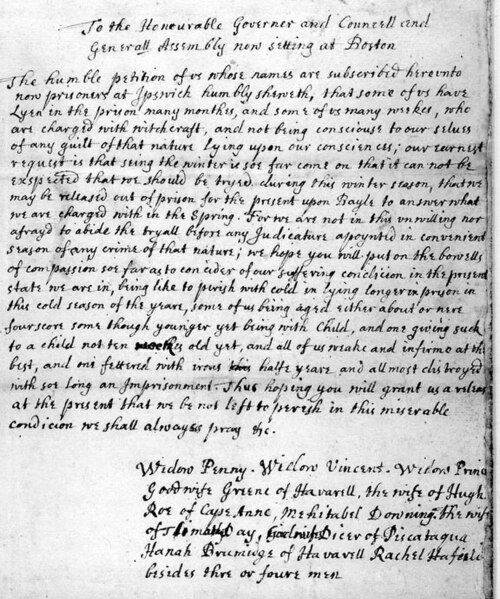
That document is also a reminder of what the fictional shorthand witch hunt can obscure. Accusations could bring confinement, damaged reputations and death. Some petitions sought the ordinary protections of release on bail and a hearing. Those are legal and human stakes—not paranormal evidence.
Is The Body based on a true story?
There is no verified announcement that The Body adapts a specific real case. Netflix presents an original series created by Quinn Shephard. The Salem trials are a confirmed influence mentioned by its creator, not a claimed plot-by-plot source. The two statements are easy to collapse into a misleading marketing line, especially when a show uses Catholic ritual and visions.
Similarly, the town-wide panic in the premise cannot yet be explained as demonic possession, collective deception, psychological contagion or a coordinated conspiracy. The series has not been released at the time of this article’s preparation, and Netflix’s publicity leaves the mechanism open.
What to watch for when the series premieres
There is one especially useful question to carry into The Body: when people report something frightening, who decides what the report means—and what happens to the people blamed afterward? Salem’s court records show the consequences of a society answering that question through religious and legal authority. Shephard’s series appears interested in a modern version of judgment operating through school, family and community.
That interpretation may change once all eight episodes are available. For now, the responsible comparison is one of themes and documented influences. A supernatural television series can draw on historical persecution without turning the persecution itself into a supernatural event.
The Body is listed for November 11, 2026, on Netflix. Read our full historical guide to Salem for the underlying record, or consult the University of Virginia’s document archive to see the surviving testimony directly.
Sources & further reading
- Netflix Tudum: The Body — creator interview, cast, premise and November 11 release (October 23, 2025)
- Netflix Media Center: The Body — official synopsis and U.S. November 11, 2026 date
- Netflix Tudum: The Body official trailer announcement (October 12, 2026)
- Library of Congress Manuscript Division: ca. 1692 bail petition (October 27, 2022)
- National Endowment for the Humanities: The Salem Witch Trials According to the Historical Records (Winter 2022)
- Salem Witch Museum: Student Resources and historical image guidance
- University of Virginia: Salem Witch Trials Documentary Archive
- Morbid Index: The Salem Witch Trials Explained
- Wikimedia Commons: Tompkins Matteson, Trial of George Jacobs, 1855
- Wikimedia Commons: Howard Pyle, Arresting a Witch, 1883
- Wikimedia Commons: Petition for Bail from Accused Witches, 1692