The Index
North Berwick Witch Trials: Storms, Torture and James VI
How did storms become a plot against James VI? Examine the North Berwick witch trials, coerced confessions and the claims printed in Newes from Scotland.
Topics: North Berwick, Witch Trials, James VI, Scotland
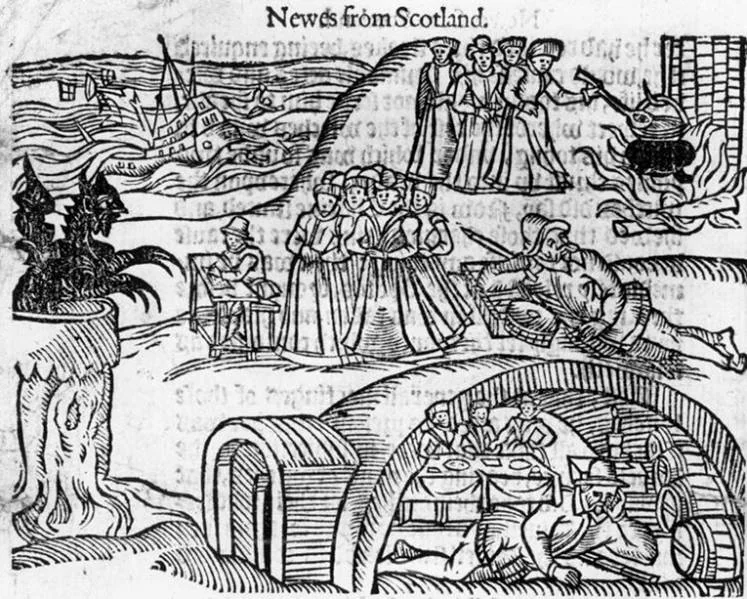
The North Berwick witch trials were a Scottish persecution beginning in 1590, in which alleged magical attacks on James VI became a matter of royal concern. Storms at sea, coerced confessions and accusations of meetings with the Devil were woven into a conspiracy narrative. They are evidence of prosecution and belief, not evidence that the accused controlled the weather.
James’s involvement made the case especially influential. It also helped shape the way the story was printed and remembered.
Why did a storm become a witchcraft accusation?
James and his Danish bride, Anna, experienced dangerous travel around the North Sea. National Museums Scotland explains that James took an active part in proceedings against alleged witches connected with the storms. His Daemonologie followed in 1597.
The 1591 pamphlet Newes from Scotland gives a contemporary version of the accusations. It claims that witches worked together to raise contrary winds and threaten the king. Its narrative turns weather into a deliberate attack on a divinely protected ruler.
The king’s survival then becomes part of the pamphlet’s argument for divine favor. This is a political and religious interpretation of events, not an independent demonstration that magic caused the storms.
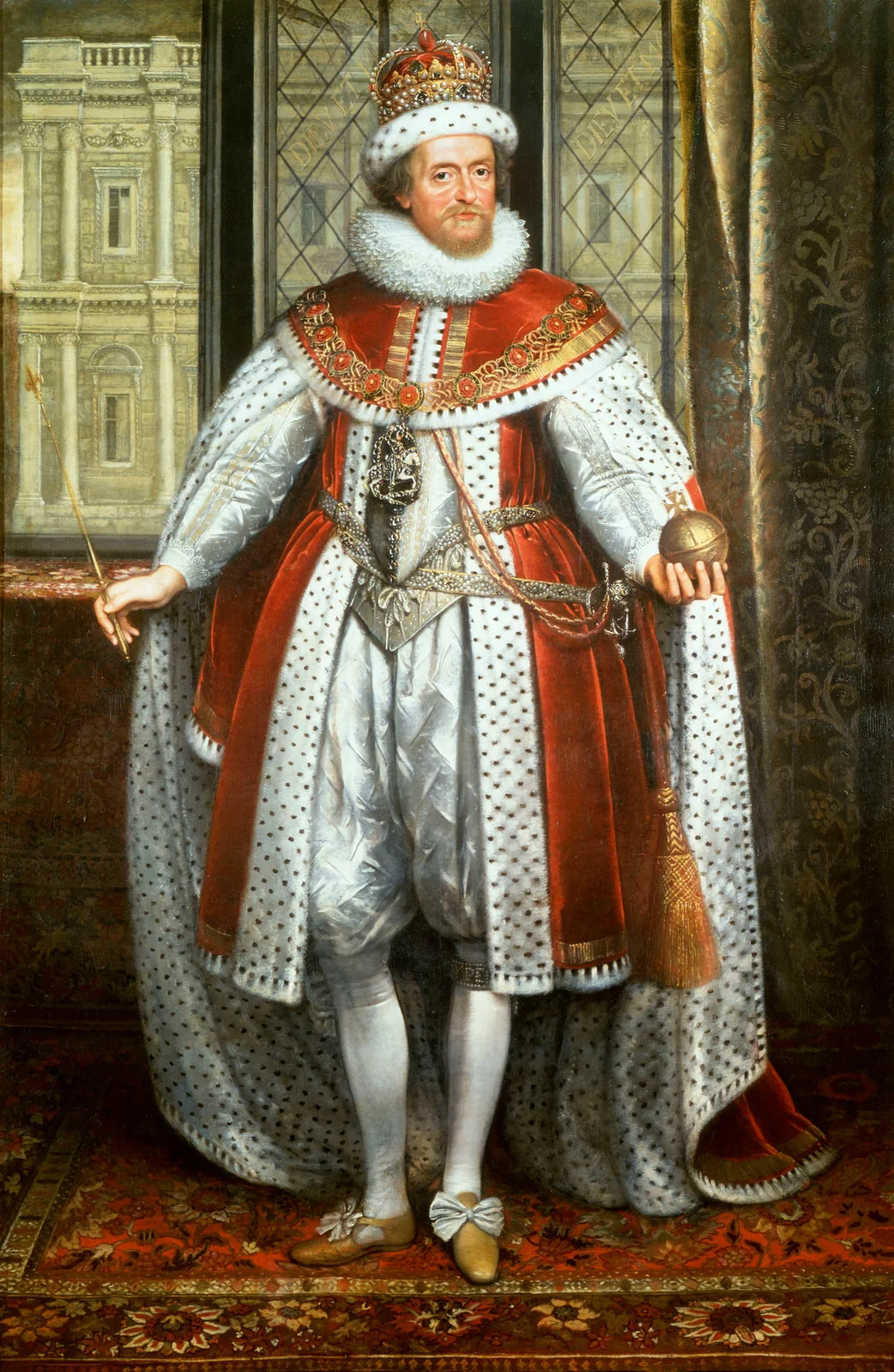
James VI and I in a later state portrait by Paul van Somer. Source. Paul van Somer I. Public domain. Resized and converted to WebP.
Who were the accused?
The pamphlet names Geillis Duncan, Agnes Sampson and John Fian, also called John Cunningham, among the people drawn into the case. Their identities should not be reduced to the labels supplied by their interrogators.
Duncan’s alleged abilities became grounds for suspicion. Sampson was pressed for a confession and described as participating in a gathering at North Berwick kirk. Fian was assigned a prominent role in the supposed organization of the witches.
These roles belong to the prosecution story. Repeating that Fian “was the witches’ secretary” without qualification would turn an accusation into a biographical fact. The same caution applies to the pamphlet’s claim that Sampson disclosed private words exchanged by James and Anna.
What does the source say about torture?
Newes from Scotland itself describes coercion and severe physical abuse. Sampson initially denies the allegations. The narrative then explains how officials force a confession, while interpreting resistance as evidence of the Devil’s influence.
Fian’s treatment is presented in similarly disturbing terms. The pamphlet can acknowledge extreme violence and still celebrate the authorities administering it. That combination makes it valuable evidence for the logic of persecution, while making its supernatural claims deeply unreliable.
The full historical text should be read with that sequence in view: allegation, denial, coercion, confession, and then the confession presented as confirmation. A confession obtained in those circumstances cannot be treated as an unpressured account of events.
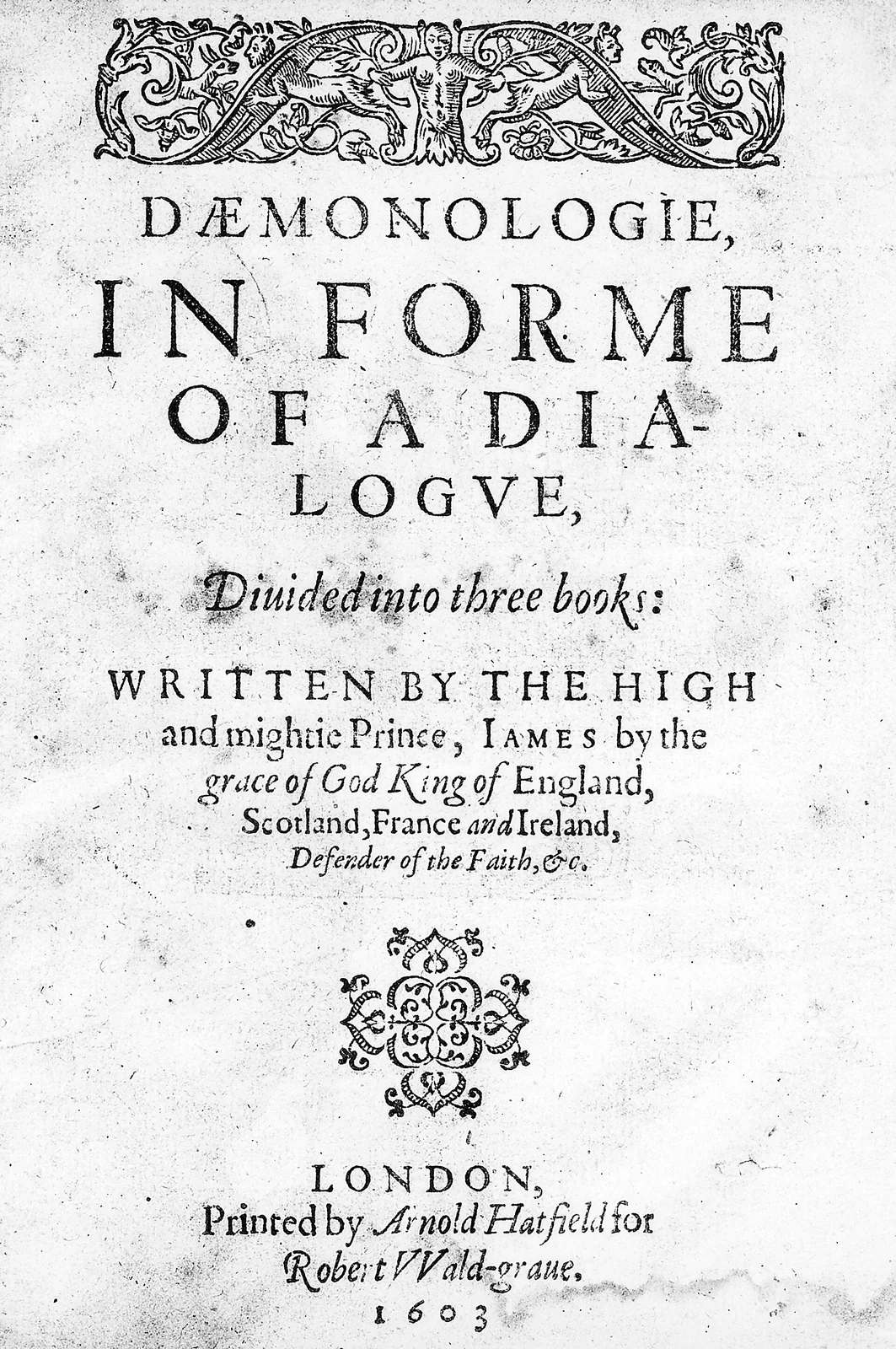
The London 1603 edition of Daemonologie, the witchcraft treatise James first published in 1597. Source. James VI and I; scan: Wellcome Collection. CC BY 4.0. Resized and converted to WebP.
Did the Devil appear at North Berwick kirk?
The pamphlet alleges a gathering involving dancing, a sermon-like appearance by the Devil and acts of submission. It is a description within a hostile printed account. No surviving image of the alleged gathering is a photograph or an eyewitness verification of its supernatural elements.
The woodcut associated with the case is evidence of how printers pictured the accusations. The real church setting, likewise, gives the story a location without establishing that the gathering occurred as described.
This distinction matters when historical illustrations circulate online with their original context removed. A caption such as “witches meeting the Devil” should identify it as a representation of an allegation.
How does this connect with later witch trials?
James’s interest in witchcraft belongs to the same broad early modern world as the later Pendle trials of 1612. The cases nevertheless had different defendants, procedures and surviving sources. They should not be merged into one continuous trial.
The comparison also helps when reading texts such as the Malleus Maleficarum. A witch-hunting book records and promotes a way of thinking; it does not authenticate the imagined crimes it describes.
North Berwick’s enduring horror lies in what people did under the authority of those beliefs. Real prisoners suffered while an alleged supernatural attack became a story about protecting a king.