The Index
Transylvania’s Little Ice Age: What 937 Accounts Reveal About Famine and Plague
A 2026 study reconstructs Transylvania’s harsh winters, hunger and epidemic years from 937 historical accounts. Read the findings and the limits of the evidence.
Topics: Transylvania, Little Ice Age, Historical Climate, Famine, Plague, Seventeenth Century
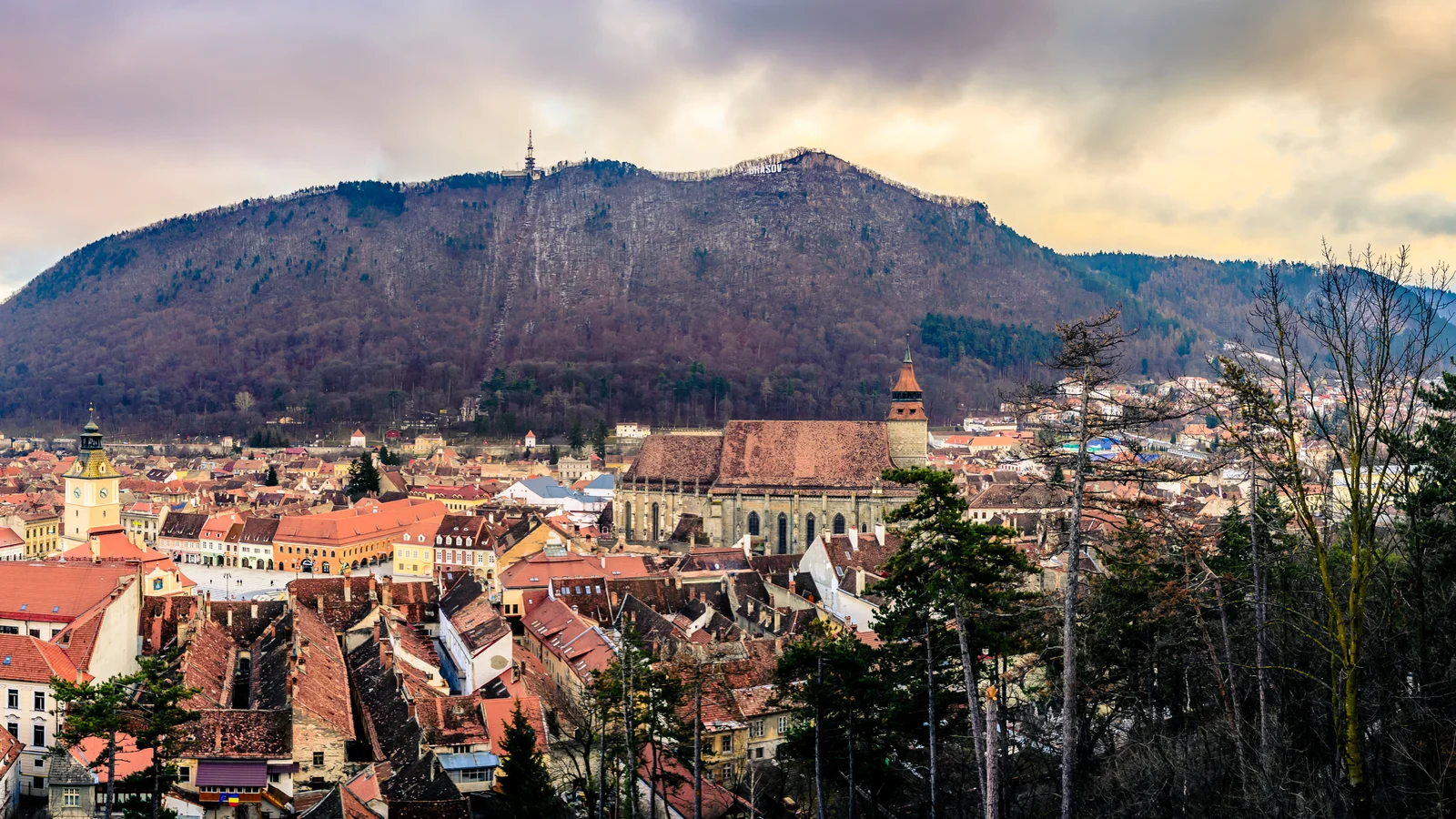
Seventeenth-century Transylvania’s chronicles record repeated harsh winters, failed harvests, hunger and epidemics. A new study brings together 937 testimonies to reconstruct how those pressures overlapped. Its authors describe weather as an additional strain on communities already exposed to war and inequality, rather than a complete explanation for their suffering.
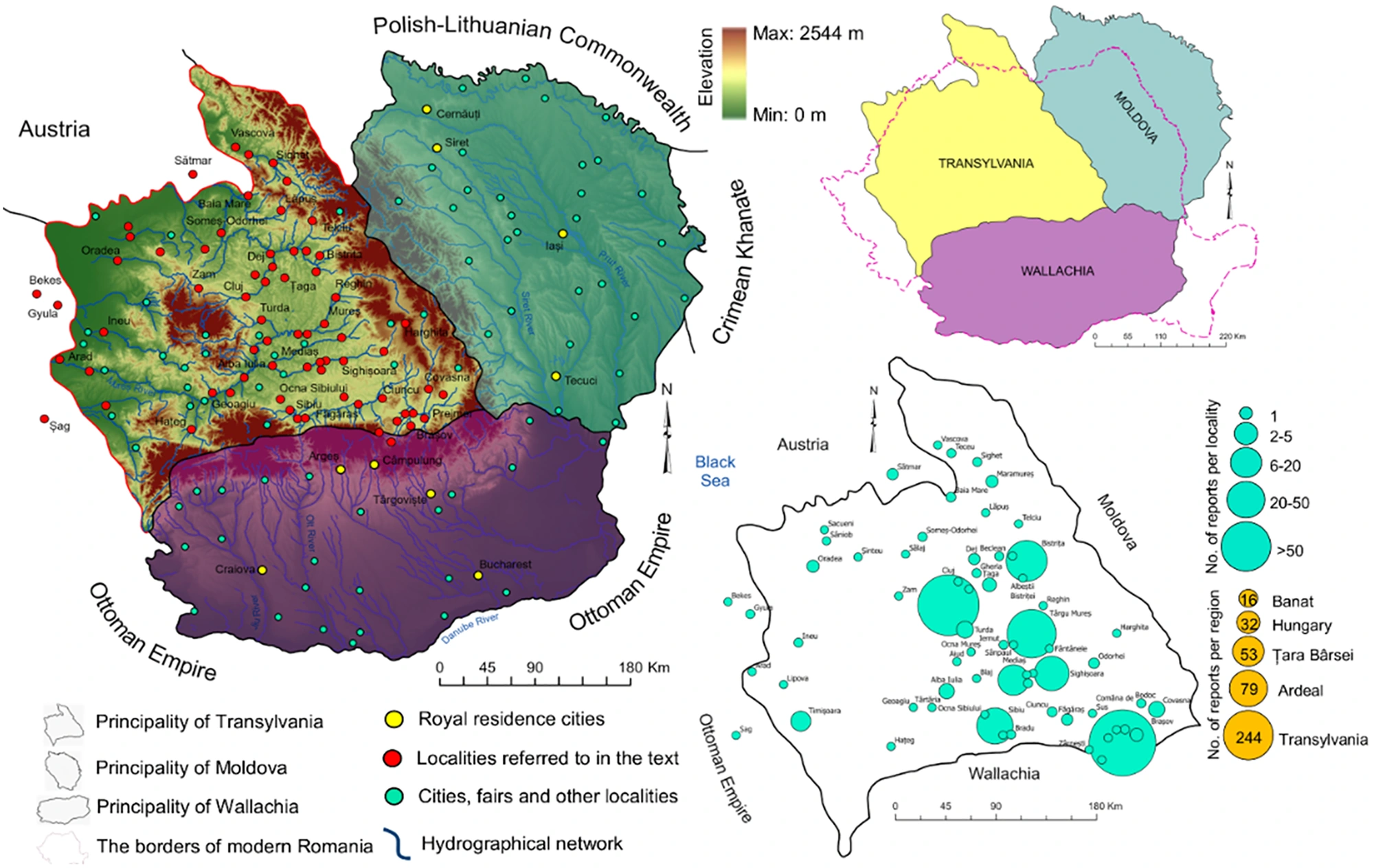
The PLOS Climate paper by Gaceu and colleagues, published on October 28, 2026, concerns the former Principality of Transylvania. It is a reconstruction from surviving written evidence, supported by comparisons with natural climate archives. It does not supply a continuous series of measured daily temperatures.
What are the 937 accounts?
The material includes chronicles, diaries, letters, administrative and monastic records, and notes preserved in religious books. The researchers also used later historical compilations that draw on earlier writings. Translating a chronicler’s description of frozen rivers, damaged crops or unusually early flowering into climate evidence requires interpretation.
The paper associates its testimonies with 68 localities, while some reports describe broader regions. Brașov, Sibiu, Cluj and Sighișoara are among the cities represented. The numbers describe the assembled documentary record, rather than 937 separate people or a survey of every settlement.
Cold winters, damaged harvests and hunger
The reconstruction identifies 55 winters described as particularly harsh. Of those, 36 fall between 1645 and the end of the study’s century, within the period of low solar activity known as the Maunder Minimum. The authors also find warm spells and unusually early plant growth, so the record contains considerable variation within the broader cooling pattern.
Agricultural damage matters because many households depended on what they could produce for immediate needs. The paper identifies 20 years with poor harvests and 26 years associated with high prices and hunger. It singles out 1601–1606 and 1648–1652 as intervals of widespread famine.
The same year can appear in several categories. A report from one place also need not describe conditions across the principality: flooding, frost, pests, military disruption and access to food could combine differently between settlements.
Did the weather cause plague?
The authors identify 31 individual years with epidemic reports, with several outbreaks described across consecutive years. Their proposed connection is indirect: failed harvests and hunger increased vulnerability while war, population movements and existing social conditions added pressure.
The paper explicitly separates climatic pressures from plague’s biological cause, Yersinia pestis. A cold winter does not establish the cause of an individual death, and an archival account is a different kind of evidence from a laboratory diagnosis. The reconstruction should be read as an analysis of recorded crises and their possible connections.
For the biological evidence from an earlier pandemic, see what caused the Black Death. Our Great Plague of London guide examines another seventeenth-century outbreak and the claim that the Great Fire ended it.
What the records leave out
Literate urban communities are more visible in the material than people whose experiences were never written down or preserved. Chroniclers were also more likely to mention extraordinary conditions. An unrecorded year might have been unremarkable, or its evidence might simply have been lost.
The researchers compared their documentary reconstruction with evidence including the Scărișoara cave ice record and the Old World Drought Atlas. Such comparisons help assess broader patterns; they do not remove the geographical gaps or turn every local report into a conclusion about the whole principality.
Sources & further reading
- Gaceu et al. (2026), Climatic extremes and their social implications in 17th century Transylvania — PLOS Climate, published October 28; open access under CC BY 4.0
- Archaeology News Online Magazine — November 1 report on the new reconstruction
- Brașov photograph by Andrei-Daniel Nicolae — original source and attribution record
- Hero photograph license — Creative Commons Attribution 2.0