The Index
Bar Hill’s Frog Graveyard: Why Researchers Now Blame Birds
Thousands of amphibian bones puzzled archaeologists at Bar Hill. New analysis points to birds of prey. Here is what changed, and what the numbers mean.
Topics: Bar Hill, Archaeology, Roman Britain, Animal Remains
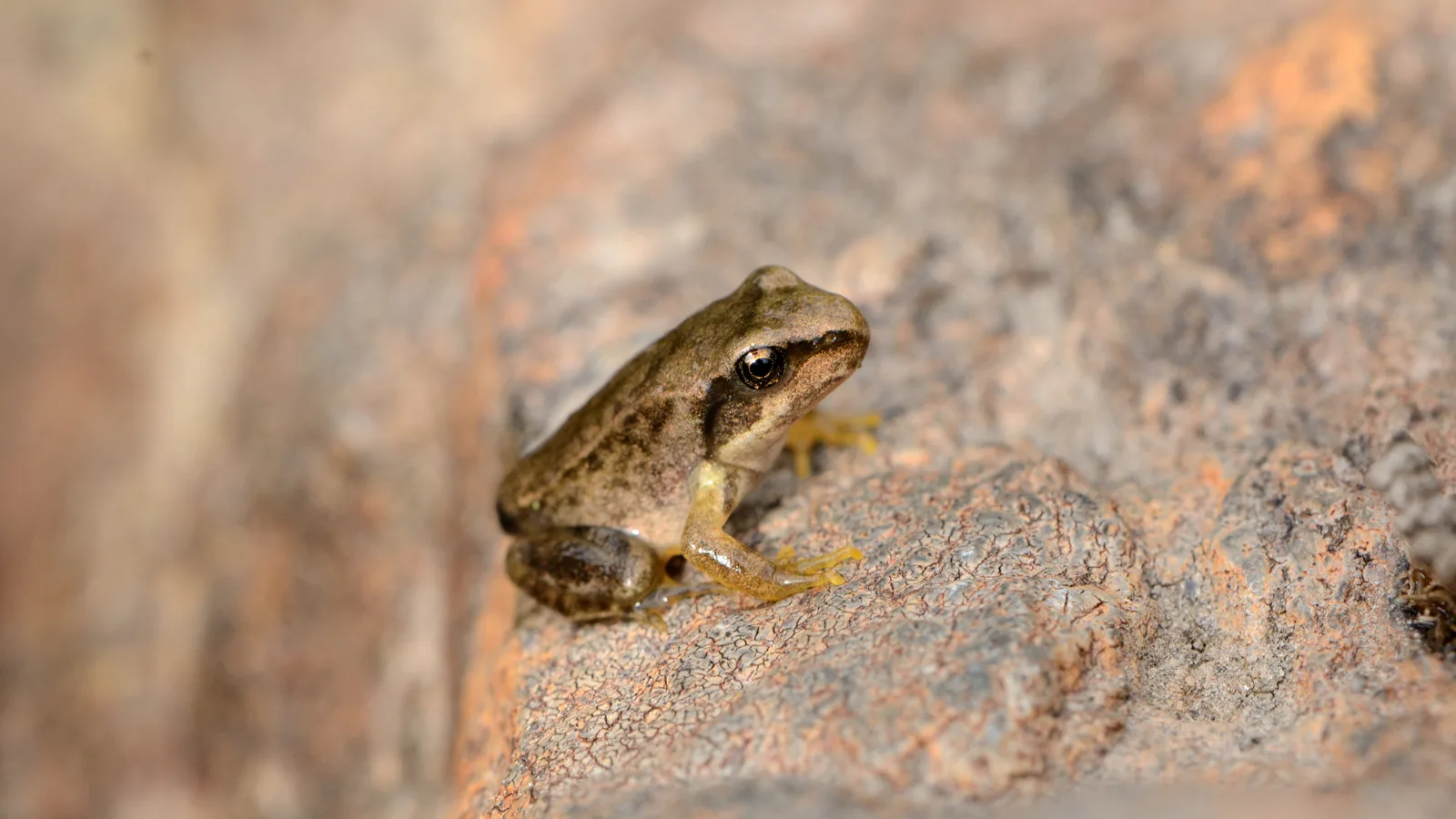
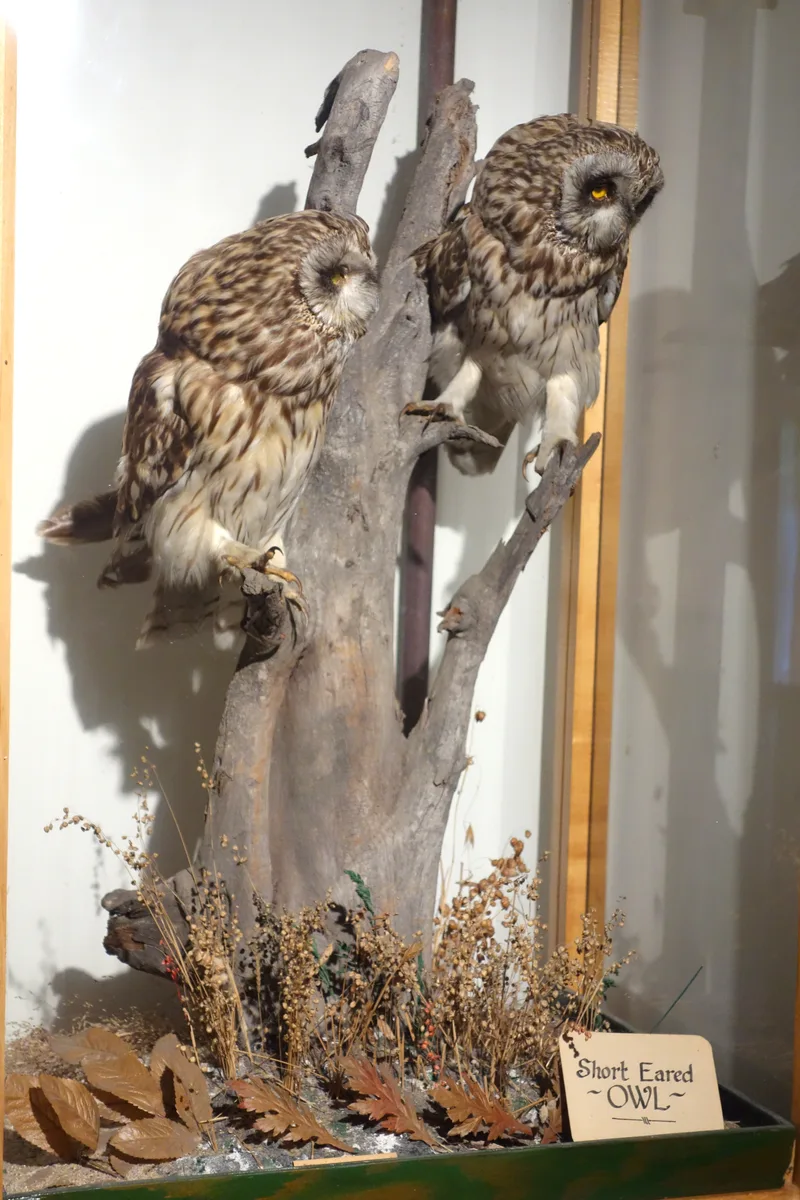
Birds of prey are the leading explanation for the huge concentration of amphibian bones at Bar Hill, near Cambridge. Bournemouth University’s November 9 research announcement identifies short-eared owls and hen harriers as the likely predators.
More than 8,000 bones does not mean 8,000 frogs
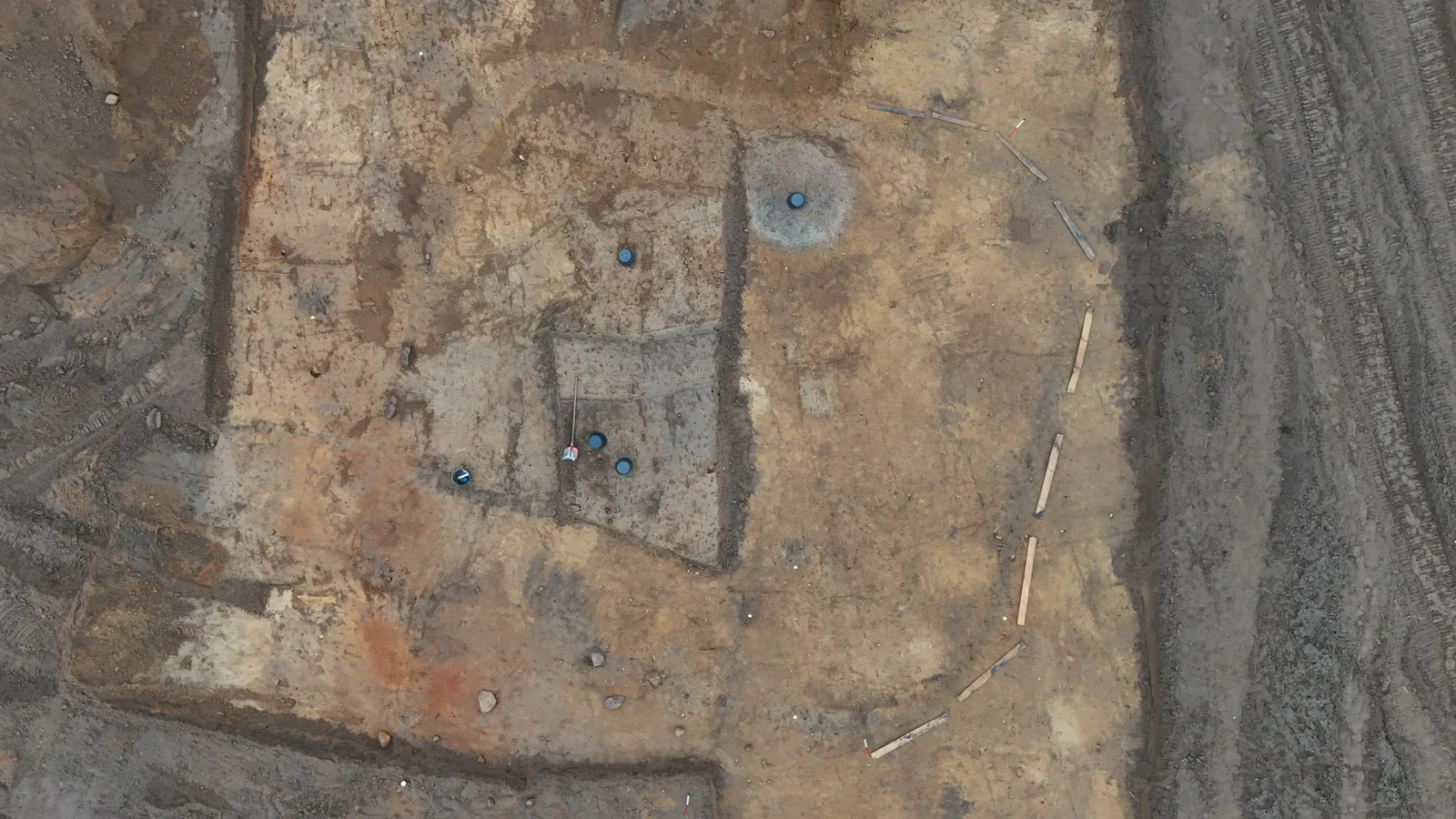
MOLA’s original account described more than 8,000 amphibian bones from one settlement, representing at least 350 frogs and toads. Most lay in a 14-metre ditch beside a roundhouse. Those are different measurements: the bone count should not be reported as a count of individual animals.
The initial puzzle was the concentration. Nearby excavations had produced far fewer amphibian remains, including places closer to rivers. “Graveyard” is a convenient nickname for the find, not evidence that anyone intentionally buried these animals.
Why the interpretation changed
MOLA initially considered several possibilities: frogs attracted to insects around stored or processed grain, animals trapped during migration, severe winter conditions and disease. Its early assessment found no cooking or cut marks, and regarded predation as unlikely because signs of digestion had not been identified.
The new university account reports a different result from further analysis. Damage on the bones was compared with earlier studies and interpreted as evidence of bird predation. Measurements of arm bones suggested many frogs died in their first winter. Radiocarbon dating placed the remains around 1,700 years ago, in the Roman period.
This also explains why an older account can discuss an Iron Age ditch while a newer report calls the bones Roman. Dating a landscape feature and dating the remains found inside it are separate questions.
What the bones can tell us
The researchers link plentiful frogs to retreating wetlands and open hunting ground to woodland clearance. The proposed predator species remain an interpretation of the evidence.
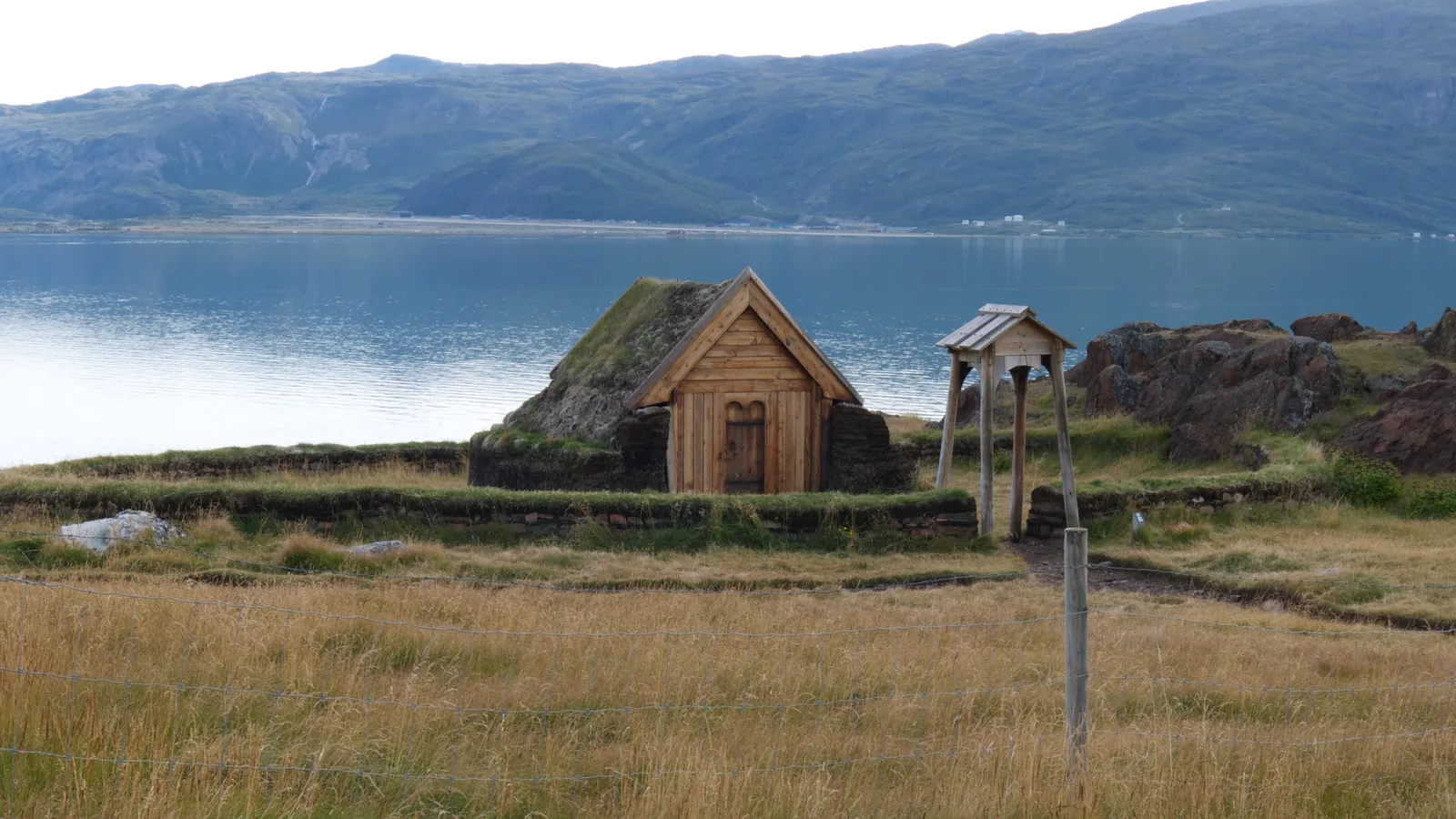
For another example of separating an archaeological finding from the story built around it, see what the burial at Qinngua confirms about a Norse church.