The Index
Qinngua’s Norse Church: What the Burial Confirms
A grave confirms a Norse church at Qinngua in Greenland. The proposed medieval name and building date remain less certain. Here is what the evidence supports.
Topics: Qinngua, Greenland, Norse Greenland, Archaeology, Burial Practices
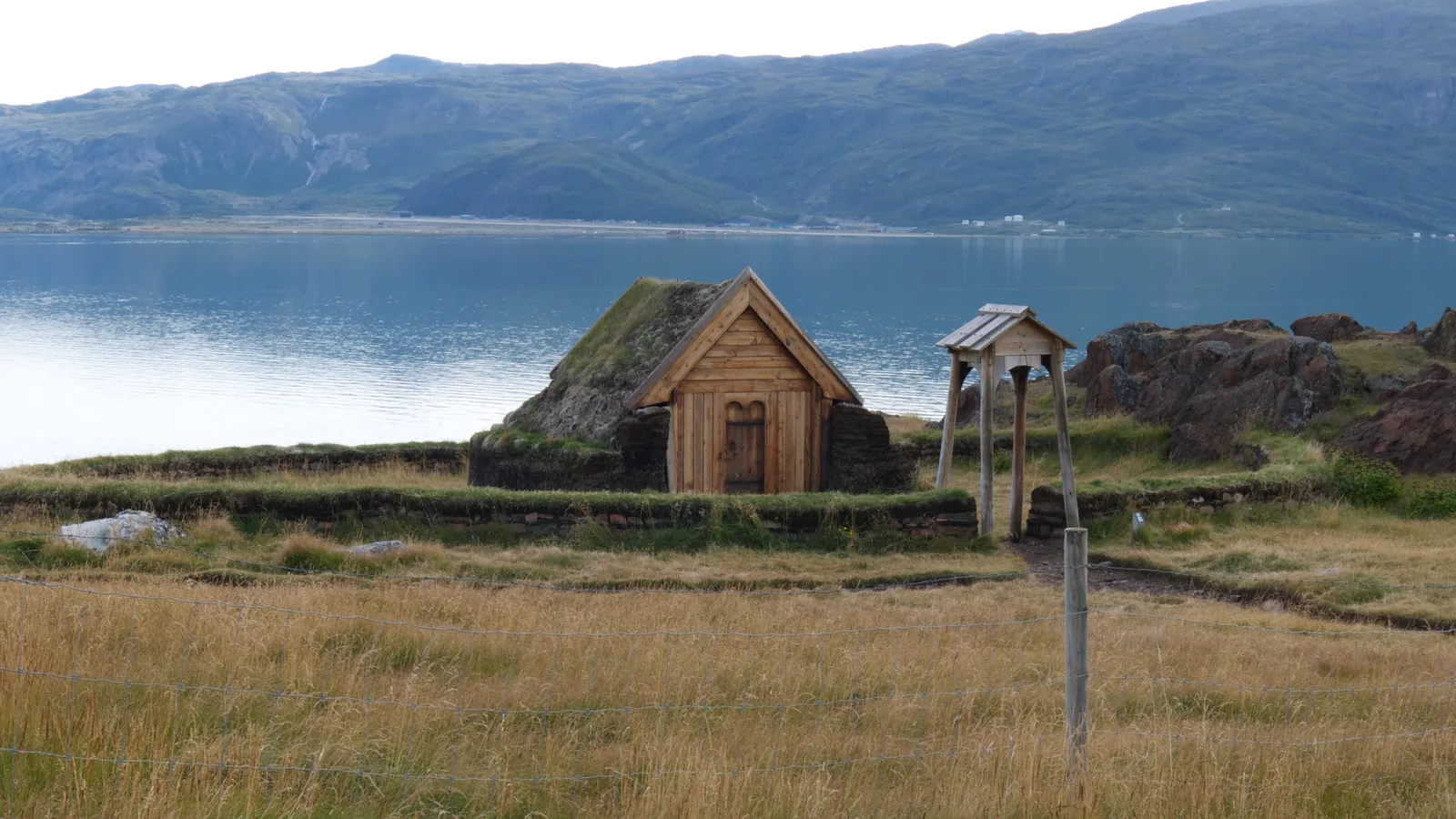
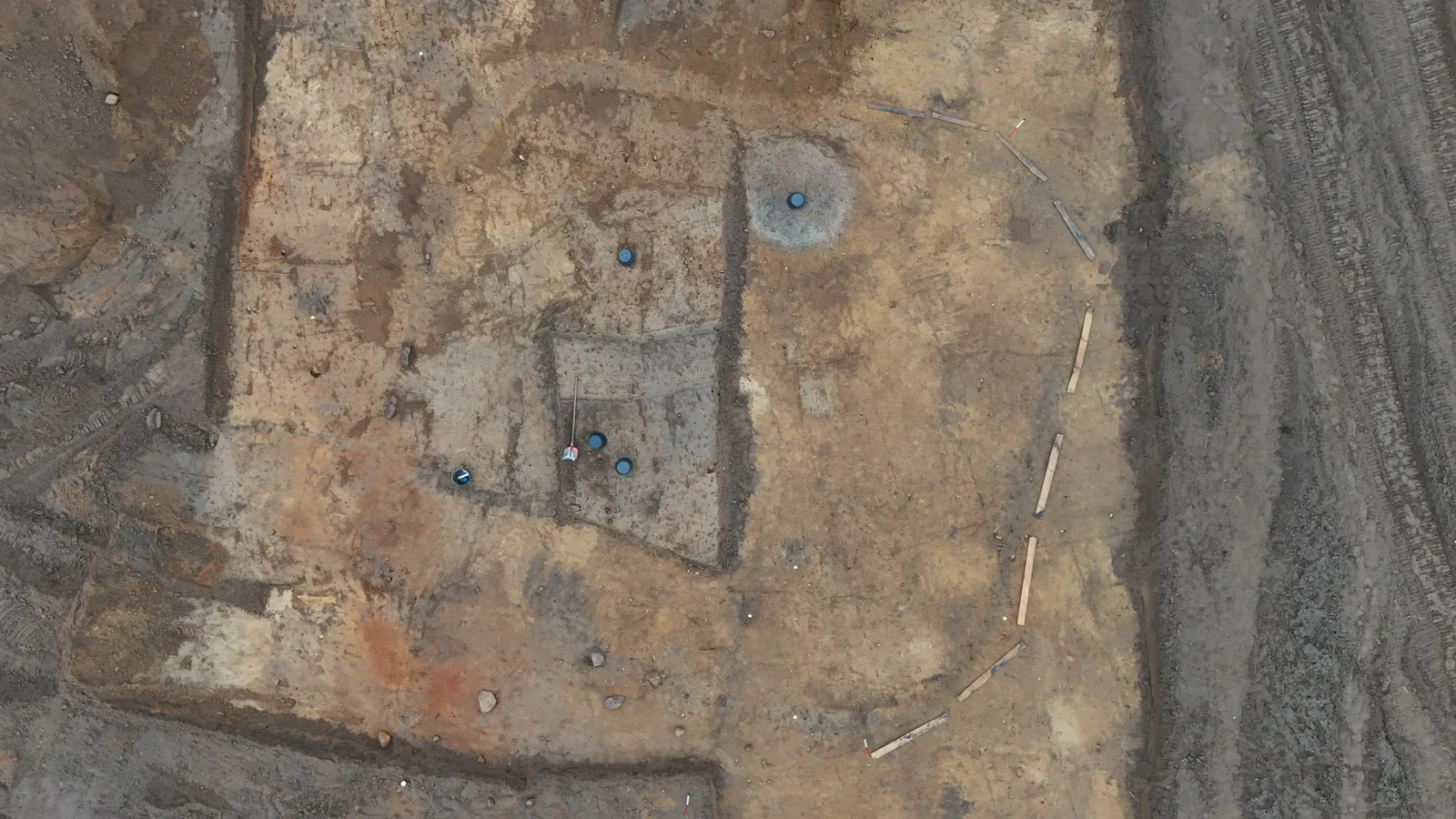
A burial at Qinngua, near Narsarsuaq in southern Greenland, confirms a suspected ruin as a Norse church, according to the excavation team. Its medieval name and exact construction date remain uncertain. The museum’s September 24, 2026 announcement describes an August excavation.
What changed at Qinngua
A rectangular stone enclosure and central building had suggested a church for years. Human remains supplied the missing cemetery evidence. The museum provisionally places the large, dressed-stone church in 1100–1300, with sample analysis still underway.
A proposed name
The team links the location to Kirkja undir Sólarfjöllum, the “Church under the Sunny Mountains,” mentioned in medieval sources. This matches landscape with documents; it is not a name read from the grave. The announcement identifies neither the deceased nor a cause of death.
Reading the wider landscape
UNESCO’s account of Kujataa places Norse Greenlandic farming between the tenth and fifteenth centuries. Its World Heritage property combines five areas containing farms, fields, pastures and archaeological remains. Churches belong within that inhabited landscape, rather than standing as isolated monuments.
The region’s later Inuit farming tradition is distinct. UNESCO describes a combination of agriculture, grazing and marine-mammal hunting in both cultures, separated by centuries. That longer history matters: the end of Norse settlement should not be mistaken for the end of Greenland’s human history.
The photograph above shows a reconstruction at Brattahlíð, photographed in 2011. It provides regional context, not a reconstruction of the Qinngua building. Photo: Claire Rowland, CC BY 2.0; resized and converted to WebP.
For another example of the limits of burial evidence, see what the objects and ancient DNA at Fallward can tell us about one person’s life.