News
Buenavista Bone Find: Why INAH Says Possible Ossuary
INAH reports a possible ossuary near Mexico City’s Buenavista station. The bones suggest reburial, but their date and the individuals’ ages remain unresolved.
Topics: Buenavista, Mexico City, INAH, Archaeology, Burial Practices
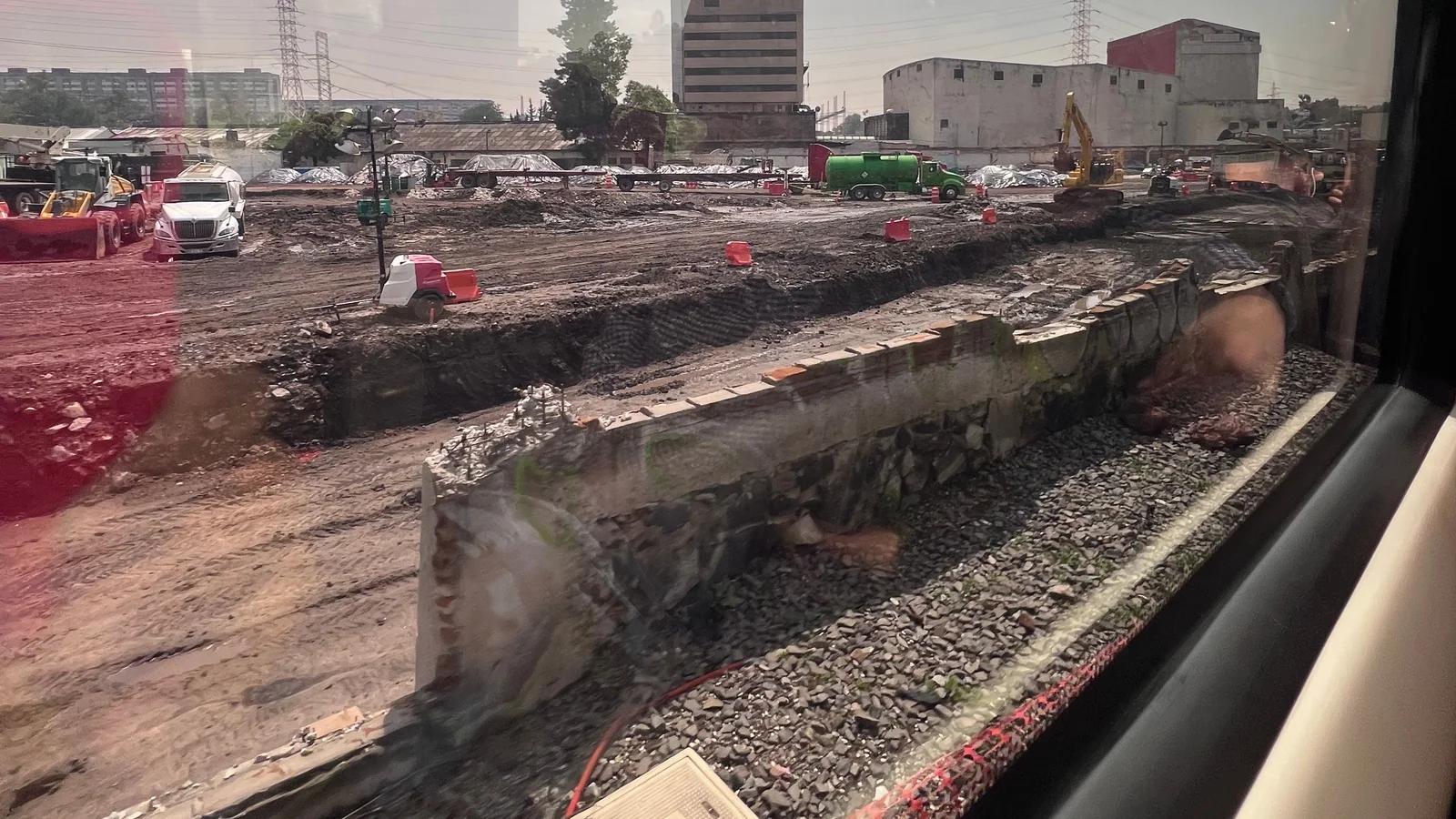
Human remains found near Mexico City’s Buenavista railway terminal may come from an ossuary: a place where bones were collected after earlier burial.
Mexico’s National Institute of Anthropology and History (INAH) announced the find on November 4. The first bones were discovered on September 17, 2026, during railway works; remains representing nine individuals have been counted.
Why the team suspects reburial
The bones were not arranged anatomically. Anthropologist Abril Machain Castillo points to the presence of skulls and long bones, without small or irregular pieces. She interprets the deposit as remains moved when an earlier burial space was reused.
The date remains provisional
INAH discusses late pre-Hispanic, Spanish-contact and colonial possibilities. Associated Aztec III pottery does not settle the bones’ date. Laboratory work will examine the individuals’ ages, sex and bone modifications.
The announcement therefore supports a possible reburial deposit, rather than an established account of how these people died. It does not establish human sacrifice.

For a separate Mexican discovery with a different archaeological context, see our coverage of INAH’s analysis of the Frontera Comalapa skulls in Chiapas. That case should not be used to fill gaps in the Buenavista findings.
The construction photograph above dates from September 4, before the reported discovery. Photograph by Koffermejia, CC0 1.0; cropped, resized and converted to WebP.