News
Isle of Man Viking Finds Point to a Possible Double Burial
Viking Age brooches, a decorated sword and trading gear have been declared Treasure on the Isle of Man. See what they reveal and where to view the finds.
Topics: Isle of Man, Viking Age, Burial Practices, Archaeology
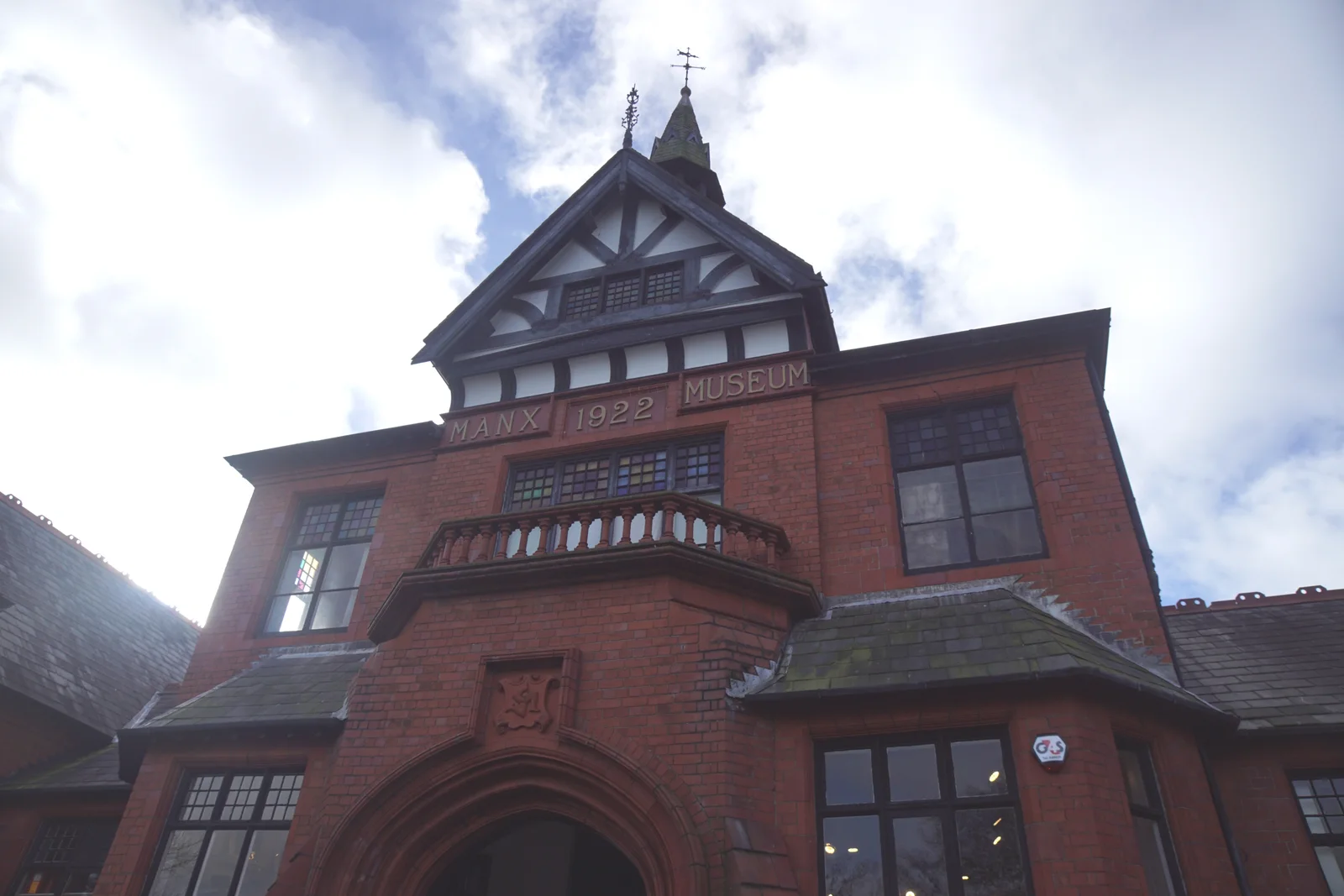
Manx Museum, the exhibition venue. Photo by Otter, CC BY-SA 4.0. Resized and converted to WebP.
A Viking Age sword, three bronze brooches and trading equipment from around AD 900 have been declared Treasure on the Isle of Man. Manx National Heritage’s November 9 announcement identifies a possible double burial. Disturbance at the site leaves open the possibility that the objects came from separate graves of the same period.
What the brooches tell us
Two of the brooches are oval, with interlaced animal designs. Women in Viking Age Scandinavia typically wore this type in pairs as dress fasteners. The third brooch is a different design, originally gilded, with spirals around a glass centre.
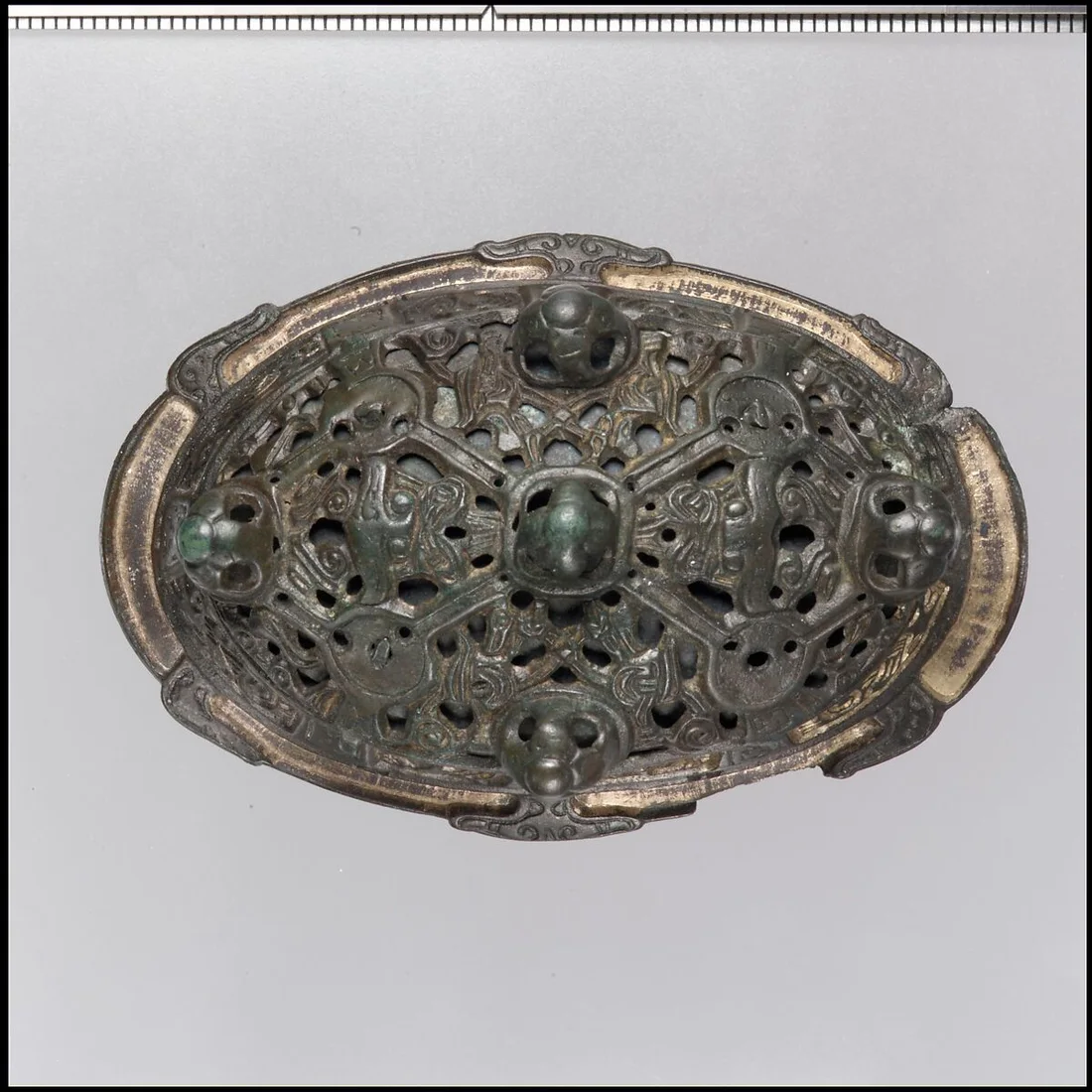
The museum’s earlier report of a pair found in 2018 puts those brooches around AD 900–950. A small excavation at their findspot located no grave. Manx National Heritage says the newly announced pair could be about 50 years older and may represent the island’s earliest known Viking Age burial of a woman. That remains an interpretation of the objects and their context.
Why the grave arrangement remains uncertain
The suggestion of two burials draws on objects with different conventional associations. Oval brooches are associated with women’s dress and swords with men’s graves. With the site disturbed, the objects alone cannot settle who was buried there, how many graves there were or how the goods were placed.
X-rays revealed silver inlay and twisted silver wire on the surviving sword hilt. Manx National Heritage considers deliberate breakage during burial plausible, with further damage after deposition. The lead weights and bronze scale fragments suggest a different part of life on the island. Traders could use such equipment to weigh coins and precious metals.
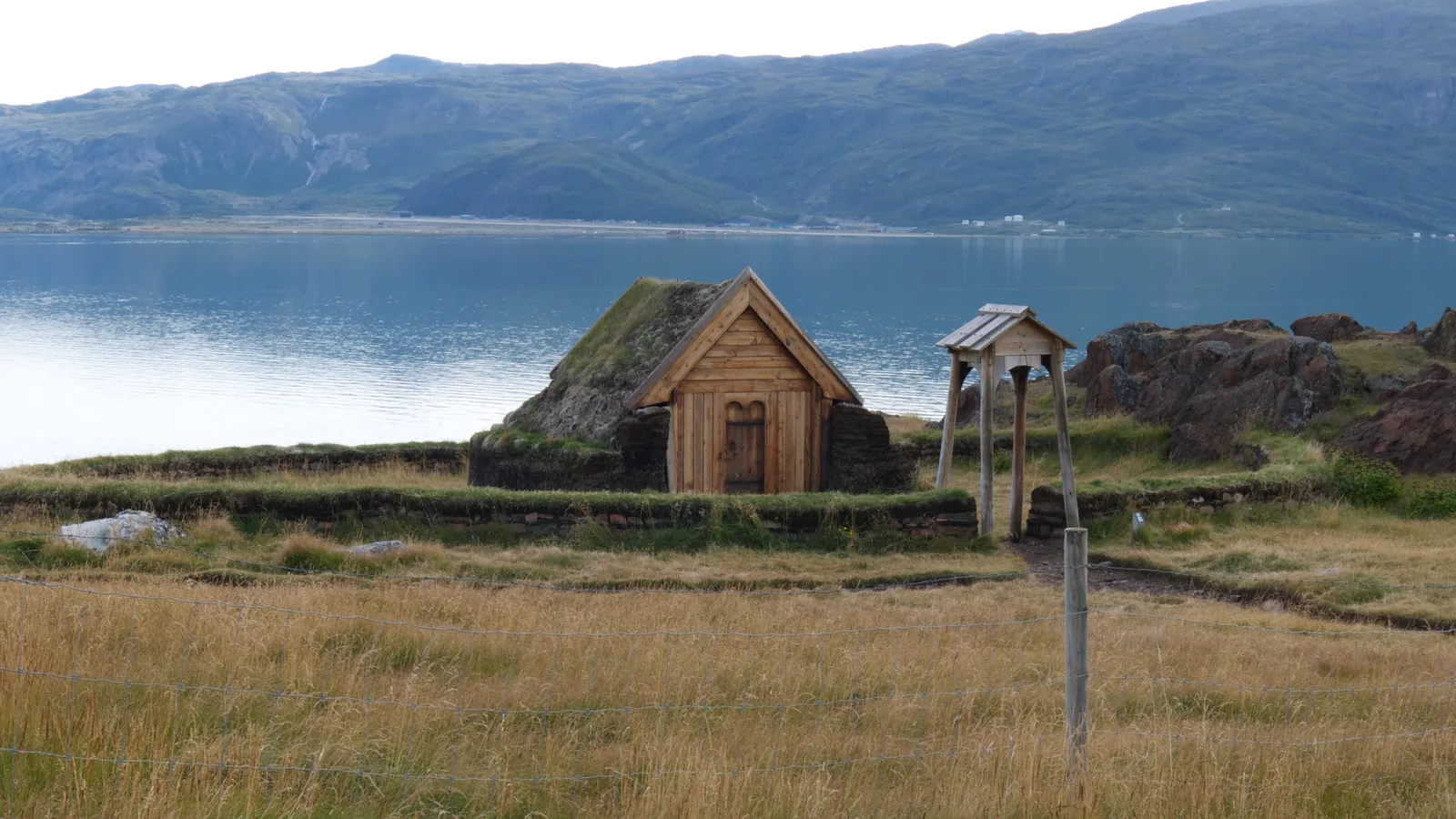
A securely recorded burial can support a different level of inference. At Qinngua in Greenland, the position of a grave helped an excavation team identify the use of a Norse building. On the Isle of Man, the objects survive with less certainty about their original arrangement.
Where to see the finds
A selection is due to go on display in the Viking Gallery at the Manx Museum in Douglas on Wednesday, November 11, 2026. The Treasure declaration was made by the island’s Coroner for Inquests. Manx National Heritage’s announcement links to its own video of the finds.