Lore & Explained
Buer Explained: Why the Goetia Demon Has Five Legs
Why does Buer have five legs? Trace his grimoire descriptions, healing claims, seal and the famous nineteenth-century illustration by Louis Le Breton.
Topics: Buer, Demons, Ars Goetia, Grimoires
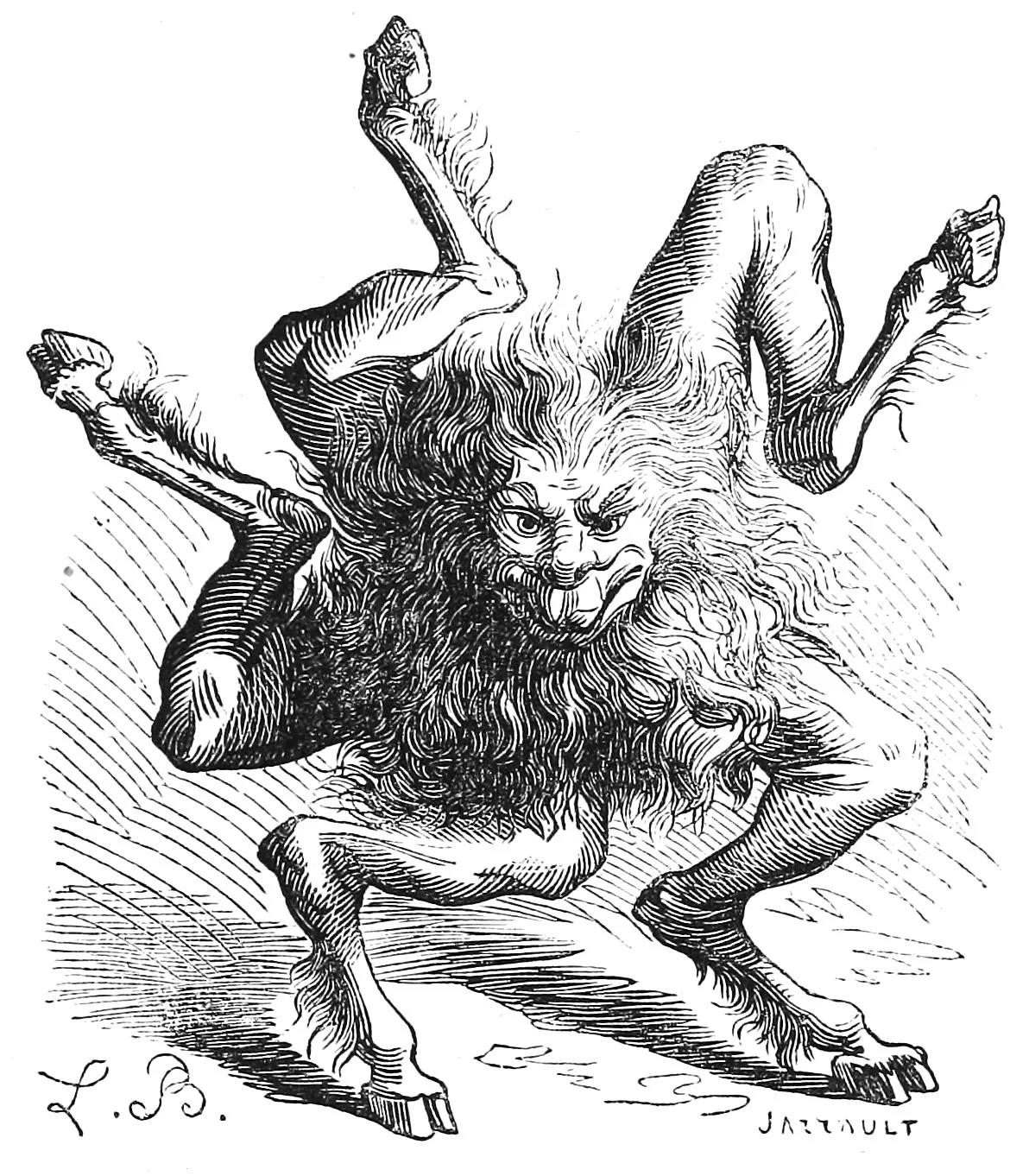
Buer is a spirit in European grimoire literature, usually identified as a president who teaches philosophy, logic and the properties of plants. His famous five-legged appearance comes from nineteenth-century illustration; the older textual descriptions are less straightforward.
The circular creature with a lion-like head is easy to recognize. It is also a good example of how a single striking image can become more familiar than the text it supposedly explains.
What the older catalogues say
Buer appears in Johann Weyer’s Pseudomonarchia Daemonum and as the tenth spirit in the Ars Goetia. In Weyer he is entry seven. Both numbering systems identify a place in a list, not a measured level of power.
The Goetia describes him as a great president, assigns him 50 legions, and associates him with moral philosophy, natural philosophy and logic. It also credits him with knowledge of plants, the provision of good familiars and the healing of illness. These are claims within an occult text, not established capabilities or medical treatments.
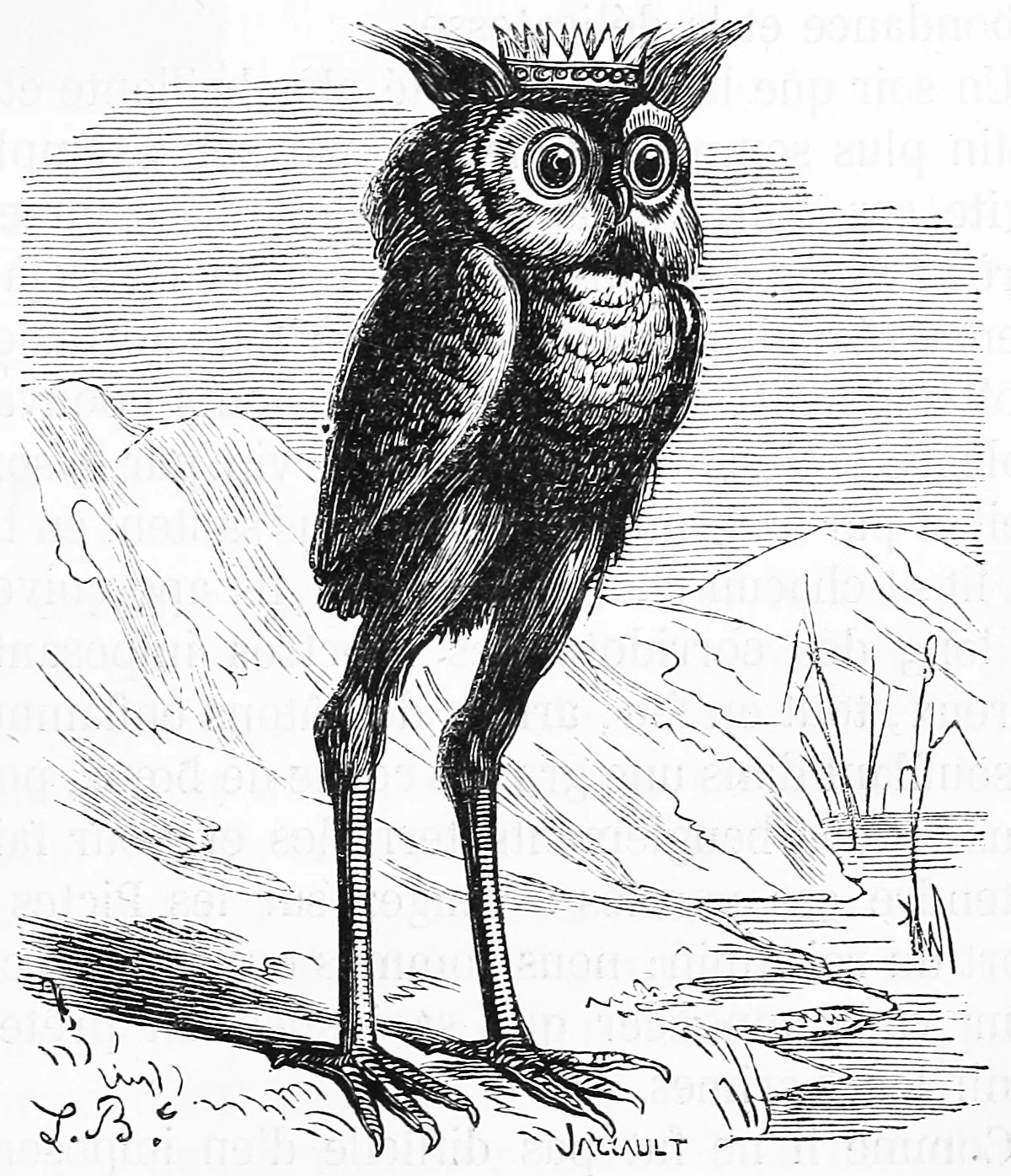
The teaching role places Buer beside figures such as Stolas, although their entries emphasize different subjects. The old catalogue does not present either one as simply a monster that attacks everyone it encounters.
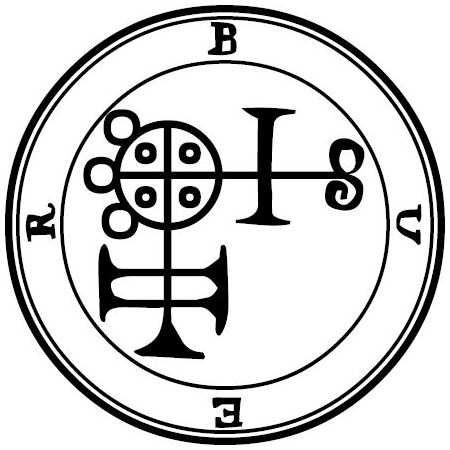
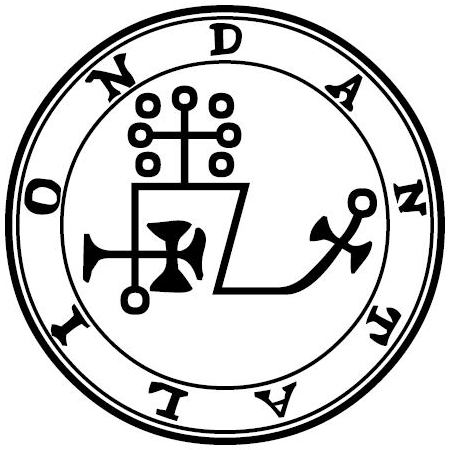
Buer’s identifying seal in the 1904 printed Goetia. Source. S.L. MacGregor Mathers and Aleister Crowley. Public domain. Resized and converted to WebP.
Why does Buer have five legs?
Louis Le Breton’s illustration for the 1863 Dictionnaire infernal shows a head surrounded by five radiating legs. The arrangement makes Buer look capable of turning like a wheel. That image is the immediate historical source for many later depictions.
It should not be mistaken for an eyewitness drawing or for a picture from antiquity. It is an artist’s visualization published centuries after the earlier catalogues.
The distinction is especially useful because the Goetia entry itself does not give a detailed anatomical description of five limbs around a central head. If an illustration is doing the explanatory work, credit the illustrator rather than attributing every visible feature to the manuscript.
What does Sagittarius have to do with Buer?
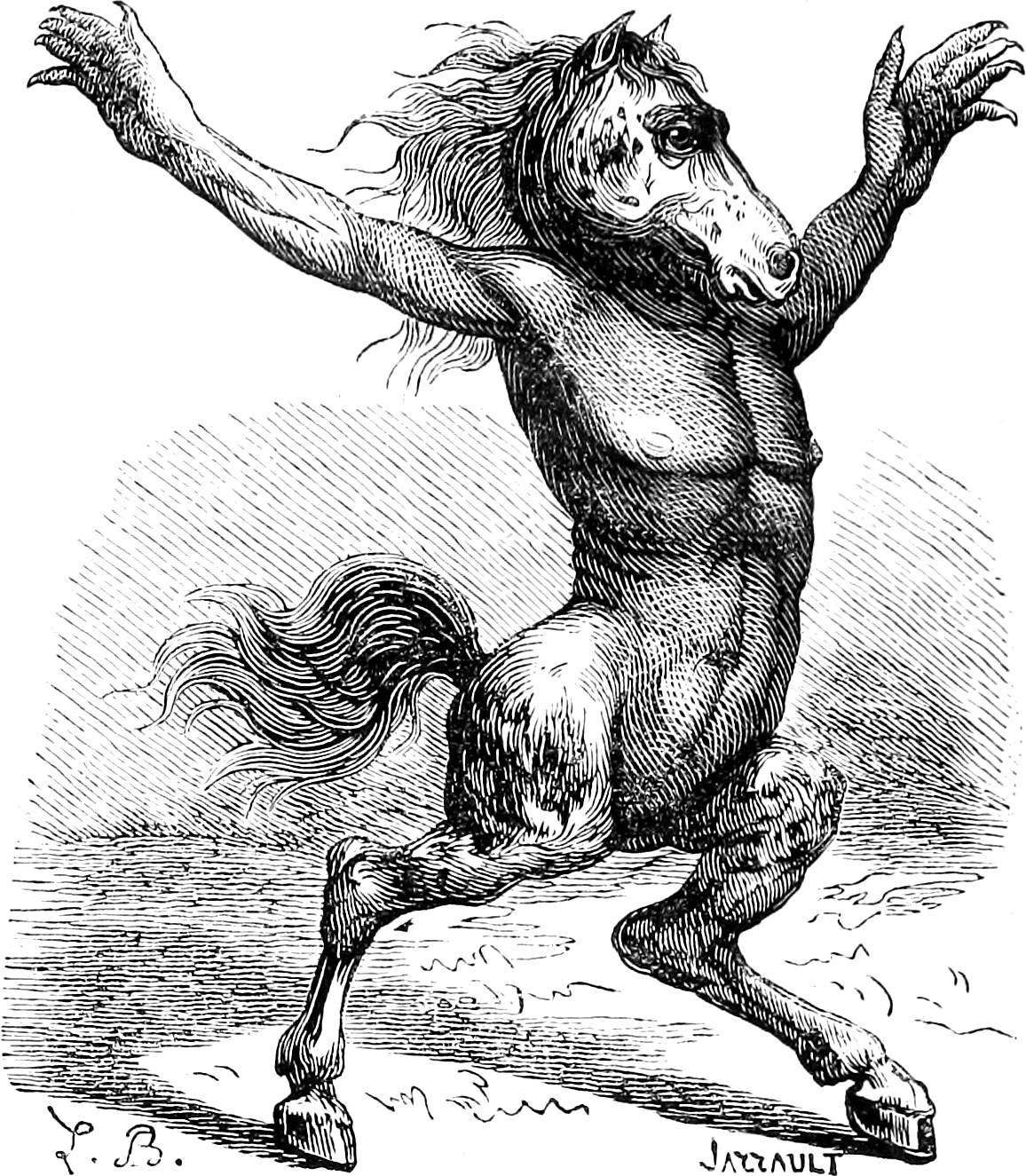
In the Sloane 3825 reading, Buer appears in the sign of Sagittarius, with a reference to the sun being there. This has encouraged later attempts to connect his shape with a centaur or with astrological timing.
The textual history complicates that tidy explanation. Peterson’s edition notes that the wording in the earlier Latin can be read in terms of the image of a star, and flags a translation problem. The lesson is not that every later association is meaningless. It is that there is no reason to pretend the wording has been stable in every version.
| Question | What the evidence supports |
|---|---|
| Is Buer in the Goetia? | Yes, as its tenth spirit. |
| Does the tradition associate him with learning? | Yes, particularly philosophy, logic and plants. |
| Is the five-legged image old? | Yes, but the familiar engraving is nineteenth-century. |
| Do all versions explain the shape identically? | No; wording and visual interpretation differ. |
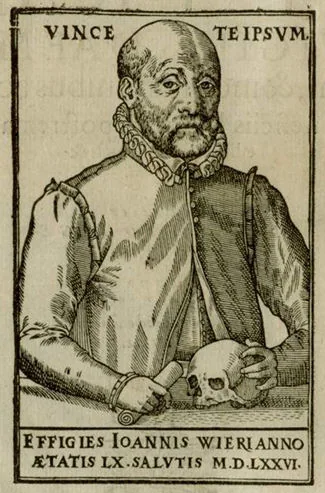
Johann Weyer: his catalogue predates the familiar five-legged illustration. Source. Unknown artist; portrait of Johann Weyer (1576). Public domain. Resized and converted to WebP.
Why is a demon described as a healer?
The question assumes that these catalogues are organized like a modern horror film. In fact, their entries repeatedly promise things a practitioner might want: information, reputation, treasure, useful companions or relief from misfortune.
That does not make Buer a medical authority or establish him as a benevolent being. It tells us what the text offers its imagined reader. The tension between a suspect spiritual source and a desirable result is part of the grimoire’s structure.
There is also no need to invent a lost historical physician or an ancient god behind Buer to make the entry interesting. Such an origin would require its own evidence. A recurring name in later occult compilations is not, by itself, proof of a continuous ancient cult.
Buer’s seal and his illustration are different things
The seal is a graphic identifier in the magical book. The five-legged figure is a pictorial representation. They can appear together in modern collections, but neither explains the other automatically.
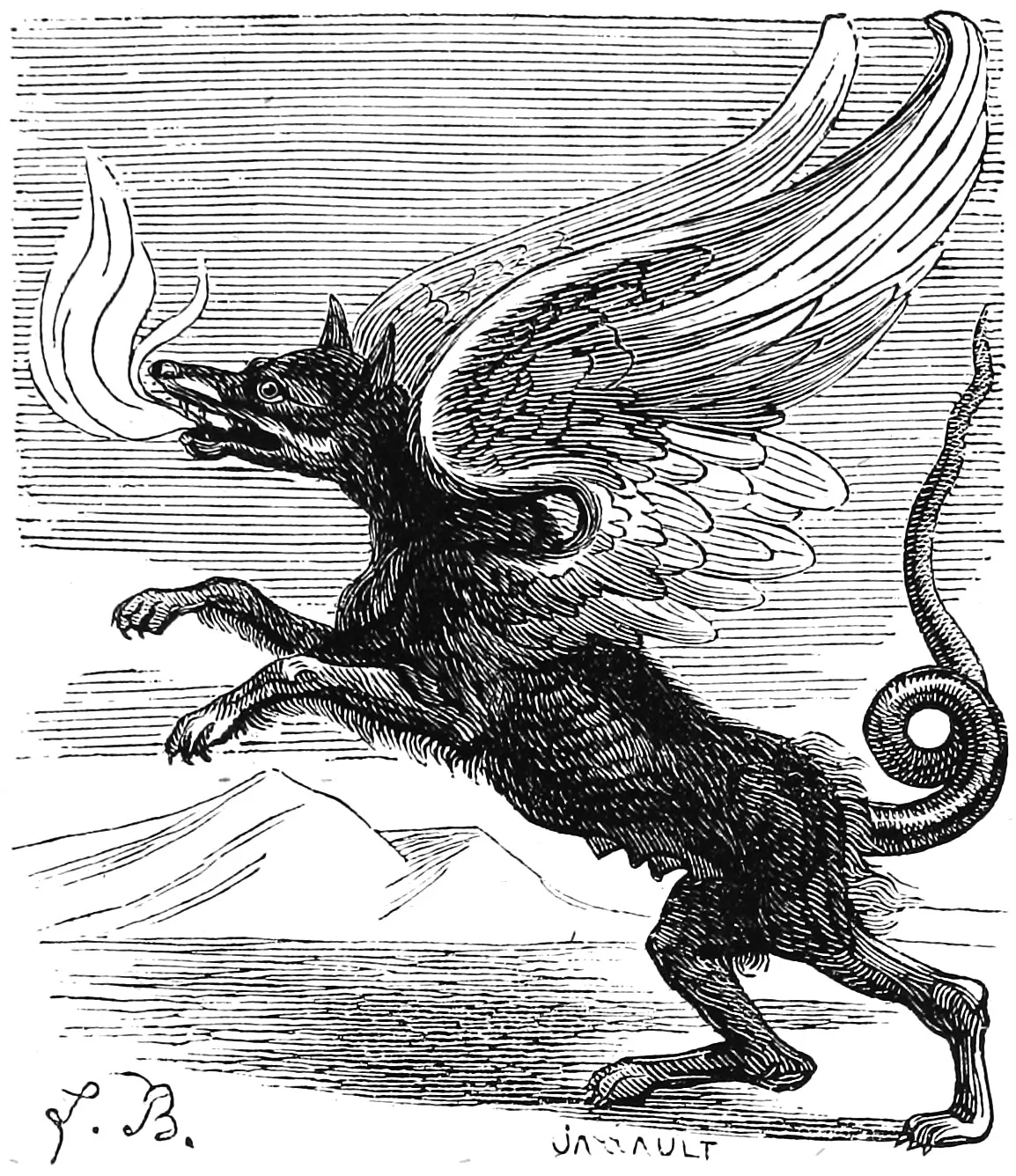
For comparison, Marchosias has a much more explicit animal description in the text: a wolf with wings and a serpent’s tail. Looking at what each entry actually supplies is a better starting point than assuming every famous demon engraving was copied directly from an equally detailed original description.