Lore & Explained
Orobas Explained: The Horse-Shaped Prince in the Grimoires
Who is Orobas? Read the grimoire account of his horse form, prince's rank, truthful answers and seal, and distinguish textual claims from later lore.
Topics: Orobas, Demons, Ars Goetia, Grimoires
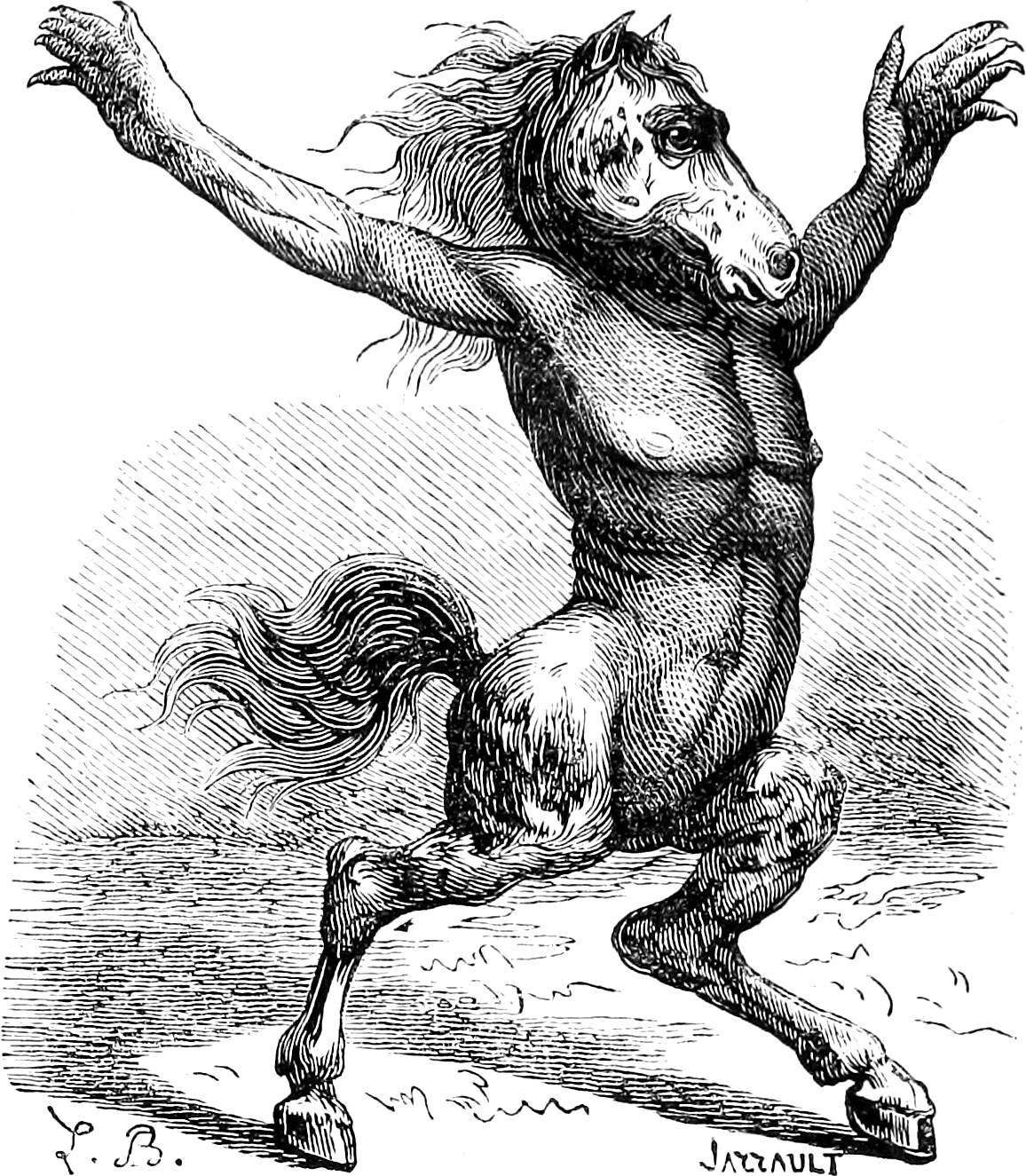
Orobas is a prince in European demon catalogues who first appears as a horse and then takes human form. His entry is unusually concerned with truthful answers, social standing and protection from other spirits. He is number 55 in the Ars Goetia, not a horse god established by ancient archaeological evidence.
That distinction separates the actual source material from the larger biographies that sometimes grow around occult names online.
The horse in the catalogue
The Goetia calls Orobas a great and mighty prince. It describes the horse form first, followed by a human appearance assumed at the ritual operator’s command. It assigns him 20 legions.
Johann Weyer’s earlier Pseudomonarchia Daemonum includes him as number 58. The two positions are finding aids within different catalogues. They do not show that his rank changed from one numbered level of Hell to another.
The transformation is also narrower than a modern character profile might imply. The entry gives two forms; it does not narrate Orobas’s birth, childhood, family or a permanent life as a talking horse.
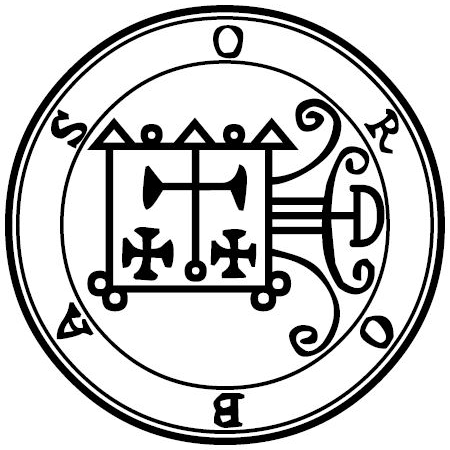
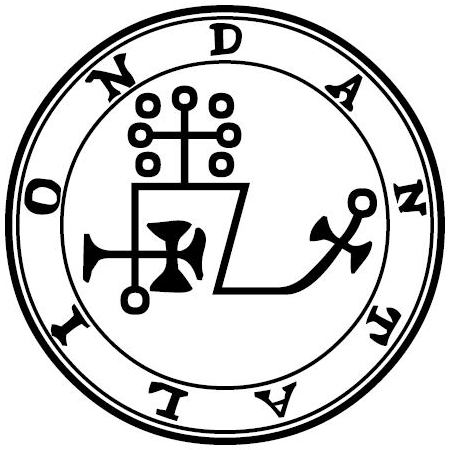
Orobas’s identifying seal from the 1904 Goetia. Source. S.L. MacGregor Mathers and Aleister Crowley. Public domain. Resized and converted to WebP.
What is Orobas said to know?
The primary entry credits him with revealing past, present and future events, answering questions about divinity and the creation of the world, and obtaining dignities and favor.
Those promised rewards combine supernatural knowledge with ordinary human ambitions. A person imagining access to Orobas could supposedly learn hidden things while also improving their position among other people. The catalogue is as interested in status and relationships as in spectacular supernatural appearances.
Its promises are evidence of what the author or compiler attributed to the spirit. They are not demonstrations that predictions, promotions or divine answers were delivered. Historical study can describe a claim precisely without endorsing it.
Why is he described as faithful?
Orobas’s entry says he is faithful to the exorcist and will not allow that person to be tempted by other spirits. That is the basis for his modern reputation as an unusually trustworthy Goetic figure.
The context matters. The text describes a relationship between a commanded spirit and the practitioner. It does not say that Orobas is universally harmless, a guardian angel or a figure accepted in every religious tradition.
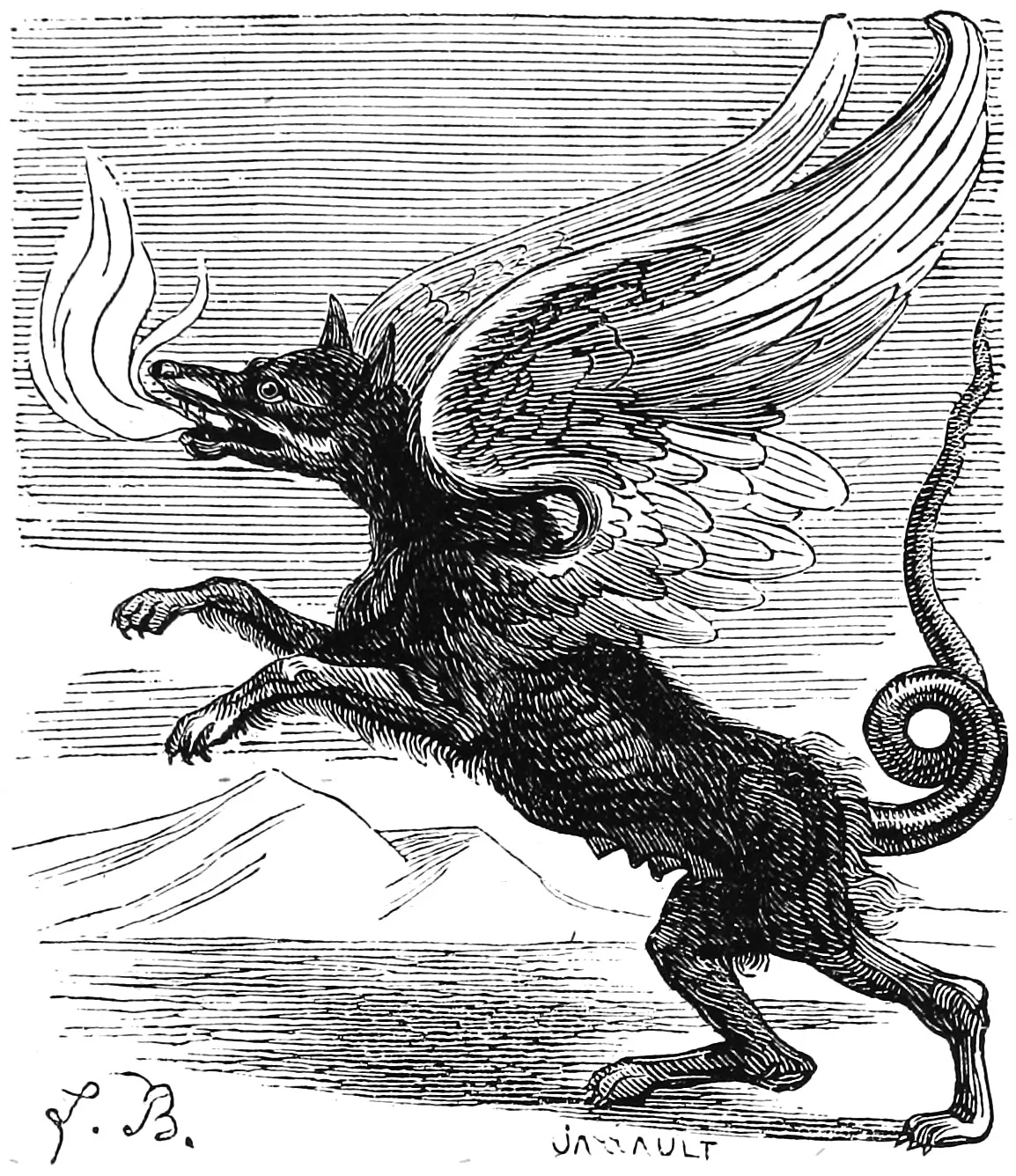
Nor is loyalty unique to him. Marchosias is also described as faithful, despite his threatening winged-wolf form. These entries resist the simple equation of frightening appearance with constant deception.
How should the seal be read?
The seal identifies Orobas in the Goetia’s visual system. It belongs alongside his name, rank and attributed functions. The historical entry does not provide an explanation of every line or tell a story about how the symbol was personally designed by a supernatural horse.
When a modern book offers an elaborate symbolic decoding, its author and source should be named. That may be a modern interpretation rather than information present in the old entry.
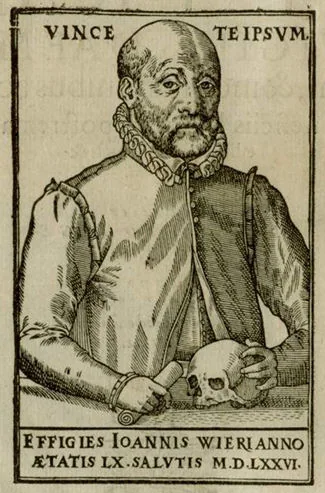
Johann Weyer, whose catalogue includes Orobas before the later Goetia. Source. Unknown artist; portrait of Johann Weyer (1576). Public domain. Resized and converted to WebP.
Is Orobas connected to other supernatural horses?
The shared animal form makes comparison tempting, but it does not establish a shared origin. Scotland’s kelpie belongs to water-horse folklore. Nuckelavee comes from Orcadian sea-monster traditions. Orobas belongs to a catalogue of spirits operating within a Solomonic magical framework.
Their stories assign the horse different jobs. The kelpie can turn an apparently familiar animal into a danger at the water’s edge. Orobas’s appearance announces a spirit whose main listed functions concern knowledge and standing. Similar imagery can serve different cultural purposes.
What can be said with confidence?
There are surviving written descriptions of Orobas, a recognizable horse-to-human transformation, a princely rank and a consistent emphasis on truthful answers. Those are secure statements about the texts.
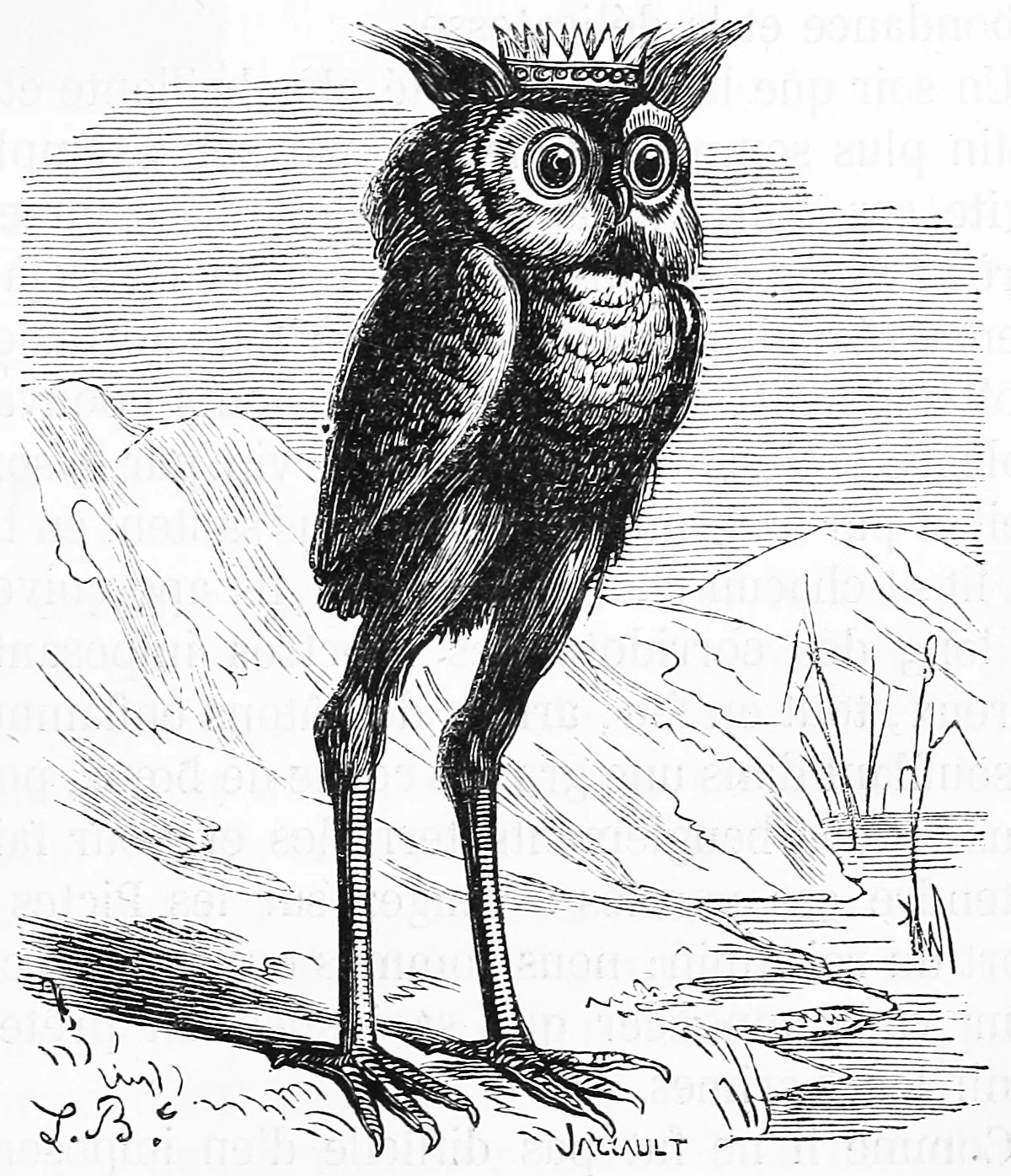
Claims that he began as a particular ancient deity, that a modern ritual always produces results, or that his seal guarantees protection require evidence beyond those descriptions. The source is short enough that its limits can be stated plainly. Reading it alongside Stolas shows how two figures with the same broad rank can have quite different visual and intellectual profiles.