Lore & Explained
Dantalion Explained: The Many Faces and the Book in the Goetia
Understand Dantalion's many faces, book and powers over thoughts in the Goetia, including what the short entry does and does not say about this duke.
Topics: Dantalion, Demons, Ars Goetia, Grimoires
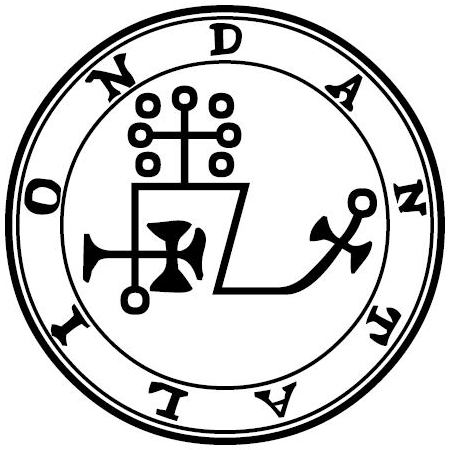
Dantalion is the 71st spirit in the Ars Goetia, a duke described as a human figure with many male and female faces and a book in his right hand. The text associates him with knowledge, hidden thoughts and the ability to change minds. Those attributes belong to a magical catalogue, not to verified accounts of mind-reading.
Unlike several better-known Goetic figures, Dantalion does not appear in Johann Weyer’s earlier list of spirits. His entry therefore cannot simply be traced by finding the same name in every predecessor.
What the primary description contains
The Goetia gives Dantalion 36 legions and a collection of related functions. He teaches arts and sciences, discloses secret counsels, knows people’s thoughts, can alter them, can cause love, and can show the likeness of a distant person in a vision.
That last detail is easy to misread. The text describes showing someone’s likeness; it does not say the physical person is transported into the room. A vision and bodily relocation would be different claims.
The many faces and the book make sense alongside this profile. They offer an image of access to numerous people and bodies of knowledge. That is an interpretation of the description, rather than an explanation explicitly supplied by the grimoire itself.
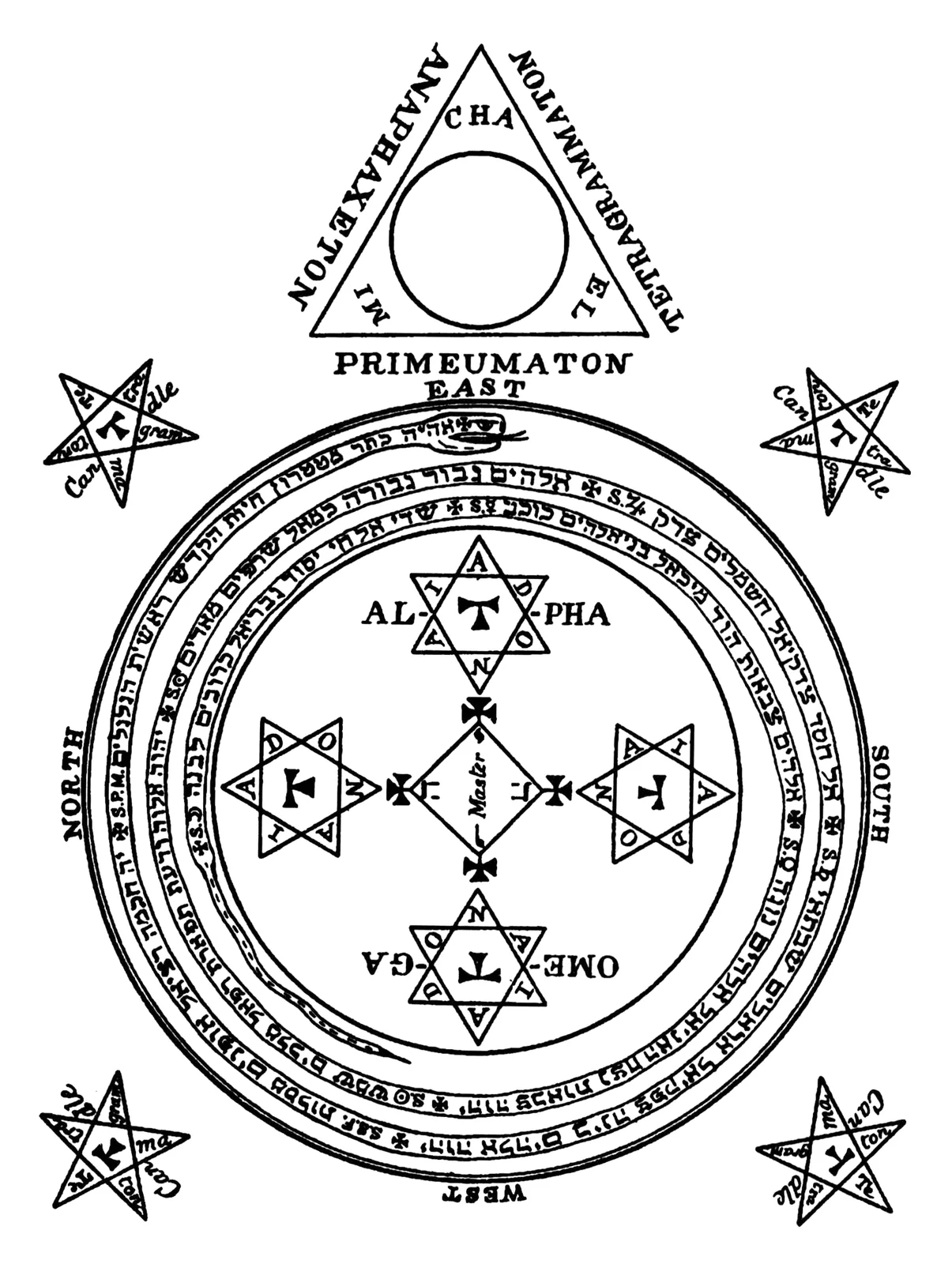
The circle and triangle illustrate the book’s ritual setting; they are not a portrait of Dantalion. Source. Samuel Liddell MacGregor Mathers and Aleister Crowley. Public domain. Resized and converted to WebP.
Why the book matters more than an invented biography
Dantalion’s book is a concrete feature in the entry. Its title, contents and physical appearance are not specified. Calling it a particular lost scripture, a ledger of every human life or the Necronomicon adds information that the passage does not contain.
The same applies to the faces. The text says they resemble men and women. It does not give them names, identify them as stolen souls or explain that each face corresponds to one of his legions.
Those ideas might work in fiction. They should be labeled as an adaptation’s inventions if used to explain a novel, comic or game. For another book with a famously fictional reputation, see our history of the Necronomicon.
Is Dantalion in Weyer’s Pseudomonarchia Daemonum?
No. A comparison with Weyer’s list shows the absence of Dantalion. Peterson’s Goetia edition also points to a related description in Sloane manuscript 3824, which preserves the knowledge, thought-changing and visionary functions.
This illustrates why the Goetia should not be treated as a perfectly unchanged list handed down from antiquity. Different texts include different figures, and later compilations draw together material from multiple sources.
Paimon, for example, has a much longer trail of identifiable earlier appearances. Dantalion needs to be studied on his own evidence rather than assigned the same history by association.
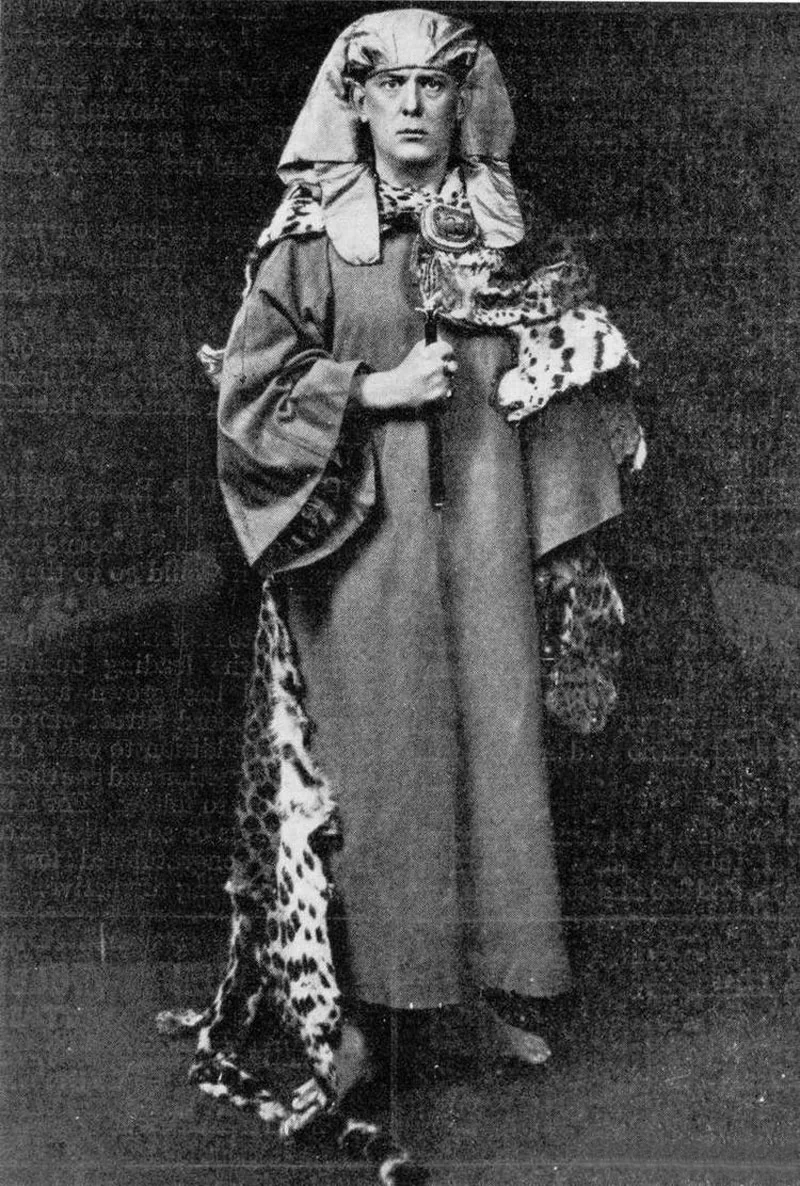
Aleister Crowley, associated with the 1904 printed edition. This photograph does not date the manuscript tradition. Source. Unknown photographer. Public domain. Resized and converted to WebP.
What does Dantalion’s seal symbolize?
The historical function of the seal is identification within the ritual text. It accompanies the entry as a character or sign of the spirit. The passage does not contain a detailed symbolic key explaining each stroke.
A seal reproduced from the 1904 printed Goetia is evidence for that edition’s design. A newly drawn version should be distinguished from the historical scan, especially if lines have been simplified or additional symbols added.
The entry number 71 is equally practical. It locates Dantalion near the end of the catalogue; it does not mean he is the 71st most powerful demon or that his powers operate according to that number.
Mind-reading, influence and the limits of the source
The entry combines finding out what someone thinks with changing those thoughts. These are separate functions, even though modern summaries often merge them into a vague claim of omniscience.
It also tells us little about limits, costs or rules. Inventing a complete supernatural system from this paragraph can make a fictional character more usable, but it makes historical explanation less accurate.
The useful historical profile is therefore specific: many faces, a book, a duke’s rank, 36 legions, and attributed access to thought and knowledge. Read with Orobas’s emphasis on truthful answers, it shows two different ways that grimoires imagine obtaining information unavailable through ordinary means.