Lore & Explained
Stolas Explained: The Owl, the Raven and the Goetia Prince
Is Stolas an owl or a raven? Compare the Goetia, Weyer's catalogue and Le Breton's illustration, including the prince's seal and attributed powers.
Topics: Stolas, Demons, Ars Goetia, Grimoires
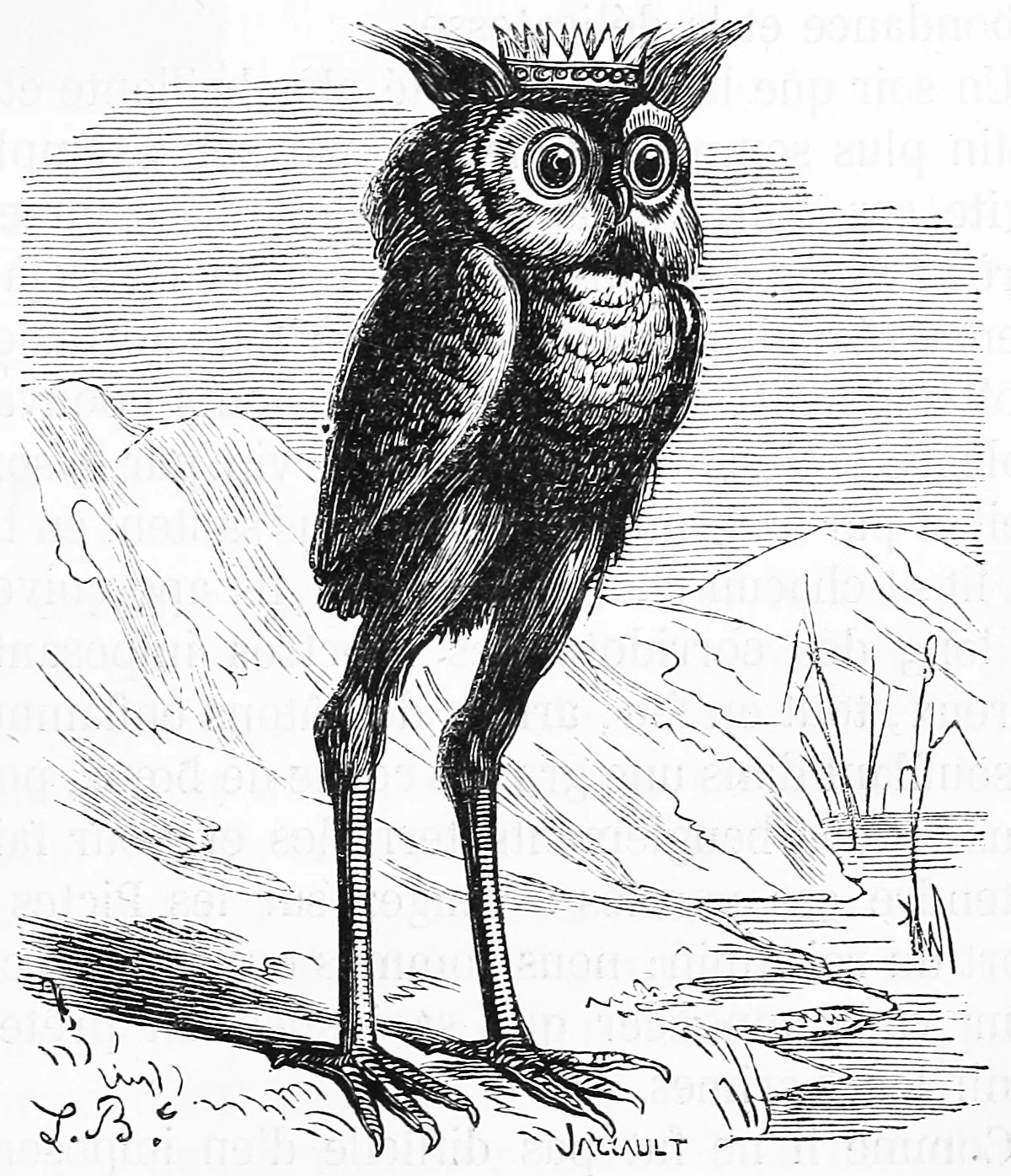
Stolas is a prince in European demon catalogues, associated with astronomy, plants and precious stones. The familiar crowned owl is an influential illustration, not a description shared by every grimoire. Earlier texts describe a night raven; some later copies say a mighty raven. That difference matters if you are looking for the historical figure behind modern adaptations.
Stolas belongs to a written occult tradition. The surviving books document ideas about spirits, rather than demonstrate that those spirits or their powers exist.
Where does Stolas appear?
Johann Weyer’s Pseudomonarchia Daemonum, published as an appendix in 1577, includes Stolas near the end of its catalogue. In the later Ars Goetia, he is spirit number 36. Weyer places him at 69. The change is a change of arrangement, not evidence that somebody promoted or demoted him.
Both traditions describe a prince who governs 26 legions and teaches subjects that would have belonged to a broad understanding of natural knowledge: the heavens, herbs and stones. In the account, he first appears as a bird and can subsequently take human form.
That makes him different from a generic movie demon whose only function is possession. His catalogue entry imagines a dangerous source of specialized knowledge. For a comparable figure with a different courtly identity, see King Paimon and his grimoire sources.
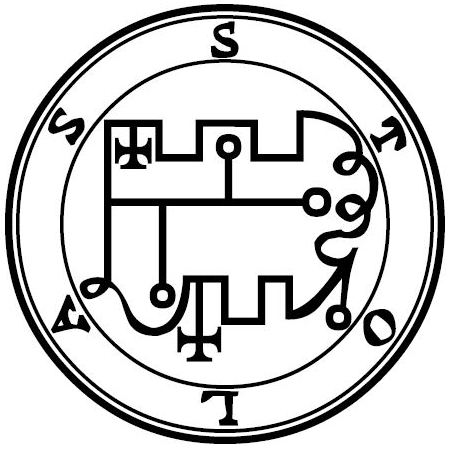
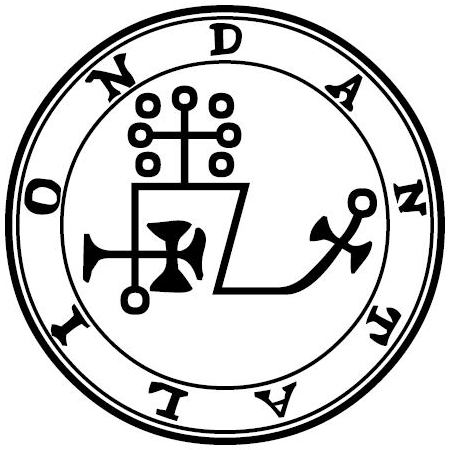
Stolas’s seal as reproduced from the 1904 Mathers–Crowley Goetia. Source. S.L. MacGregor Mathers and Aleister Crowley. Public domain. Resized and converted to WebP.
Is Stolas an owl or a raven?
The answer depends on the source you mean.
| Source or image | Form presented |
|---|---|
| Weyer’s Latin catalogue | A nocturnal bird described as nycticorax |
| The Sloane 3825 Goetia transcription | A night raven, followed by a human form |
| Some other manuscript and printed readings | A mighty raven |
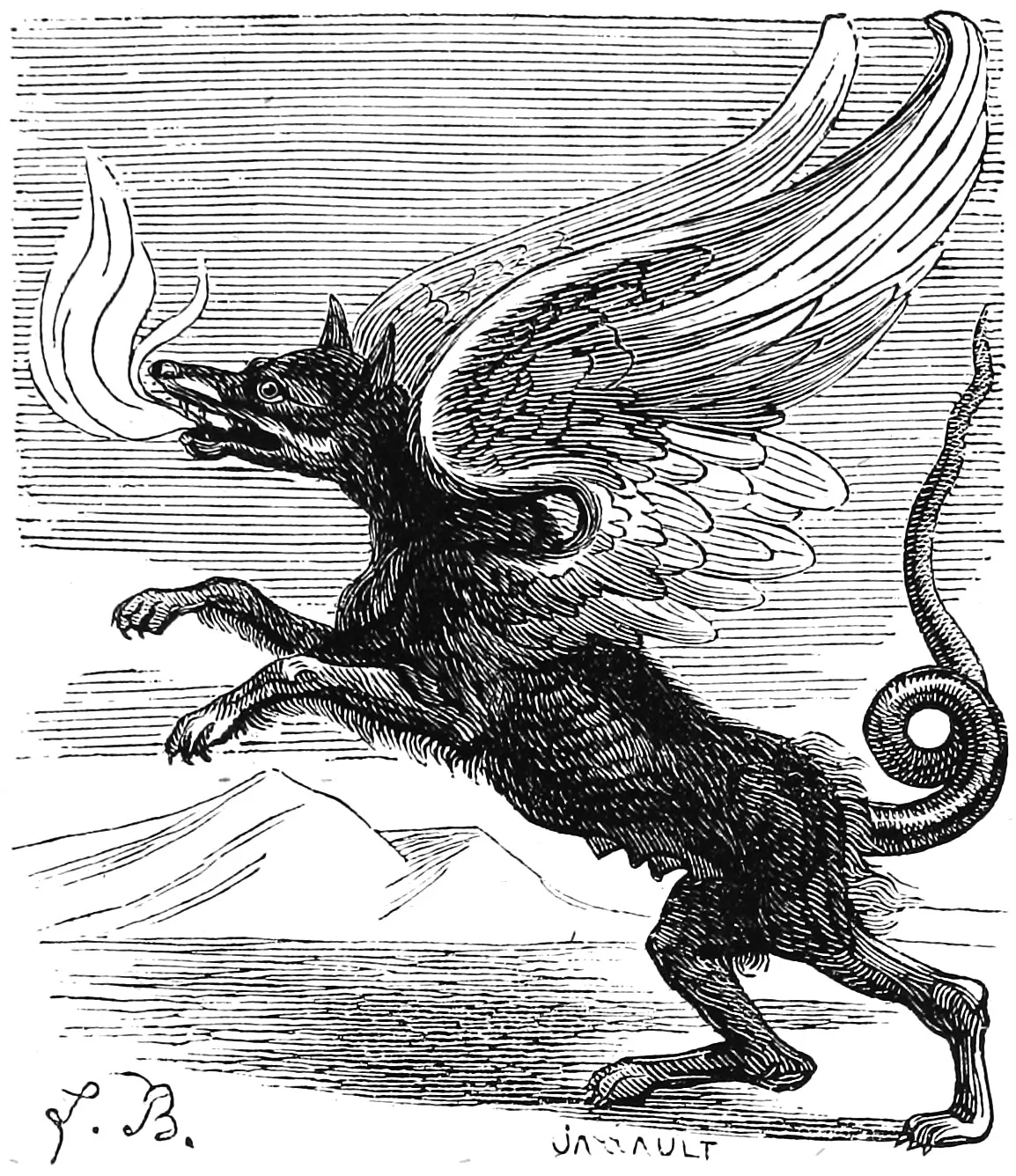
| Louis Le Breton’s nineteenth-century illustration | A long-legged, crowned, owl-like bird |
Joseph H. Peterson’s manuscript transcription and notes discuss the variant readings. His note identifies nycticorax with a night heron, which is another reason to resist treating a modern bird label as an exact description across the tradition.
The owl image is still historical. Le Breton’s illustration appeared in the 1863 edition of Collin de Plancy’s Dictionnaire infernal. It is simply much later than Weyer. A nineteenth-century artist’s interpretation and a sixteenth-century catalogue entry are different kinds of evidence.
What are Stolas’s powers in the Goetia?
The short entry attributes three teaching subjects to him: astronomy, the properties of herbs, and the properties of precious stones. It does not supply a long biography or an elaborate family tree.
The word virtues in these texts usually means a thing’s properties or supposed effects. It is not saying that plants and gemstones behave morally. Reading the older vocabulary that way avoids a surprisingly common misunderstanding of the entry.
Likewise, the title prince belongs to the grimoire’s imagined hierarchy. It does not place Stolas in a single, universally agreed Christian system. These catalogues assemble ranks, names and functions in different ways.
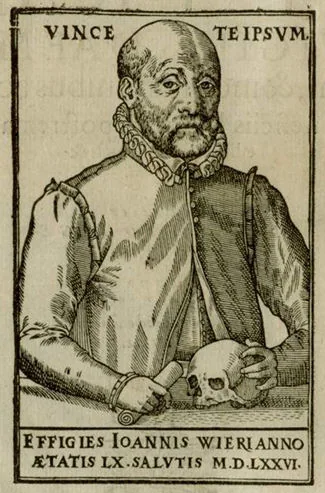
Johann Weyer, whose earlier catalogue includes Stolas under a different entry number. Source. Unknown artist; portrait of Johann Weyer (1576). Public domain. Resized and converted to WebP.
What does the seal mean?
The seal is the identifying graphic attached to Stolas in the Goetia tradition. It is useful for recognizing which spirit a page names. The entry does not offer a reliable line-by-line explanation in which every curve stands for a planet, personality trait or life event.
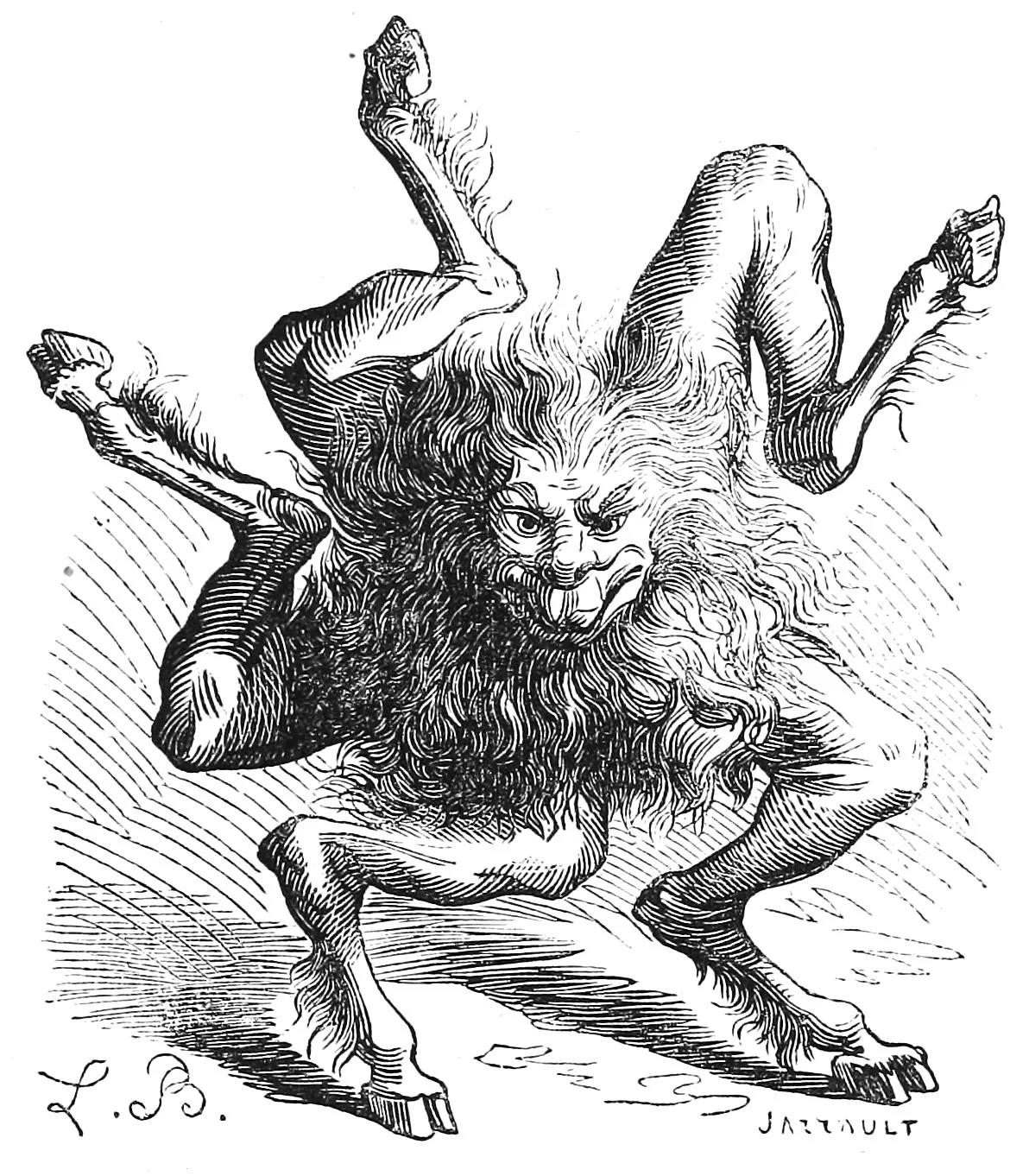
Images of the seal should therefore be attributed to the edition or manuscript they reproduce. An elaborate explanation found on a modern chart should not automatically be presented as medieval knowledge. The same distinction helps when reading Buer’s changing visual identity.
How much of the modern character is historical?
A bird-like prince, occult learning and a recognizable name all have older textual foundations. A specific modern character’s relationships, dialogue, sexuality, costume and personal history need to be checked against that particular work. The old entry cannot authenticate a screenwriter’s additions, and a screen adaptation cannot fill gaps in the manuscript record.
For historical reading, begin with the brief entry, identify its version, and then look at the illustration separately. That is more useful than combining every detail into one supposedly original Stolas. Our guide to demonology and its different traditions explains why these distinctions recur throughout the archive.