The Index
Clitheroe’s Bronze Age Burials: What the Nine Cremations Reveal
Nine cremation burials and a pot inside an urn were found at Higher Standen Farm. See what archaeologists dated and where Clitheroe Castle Museum displays the finds.
Topics: Bronze Age, Lancashire, Cremation Burials, Clitheroe
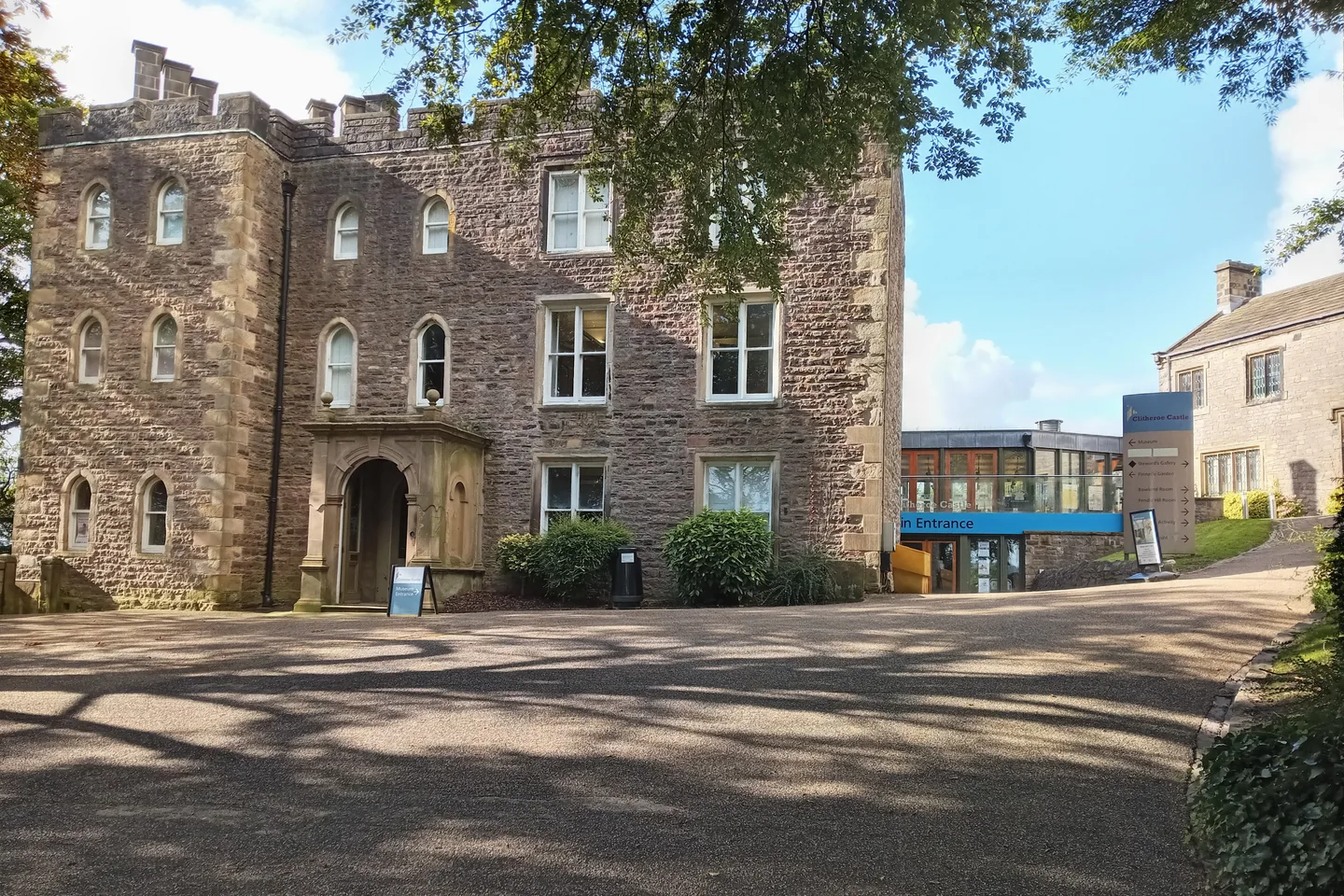
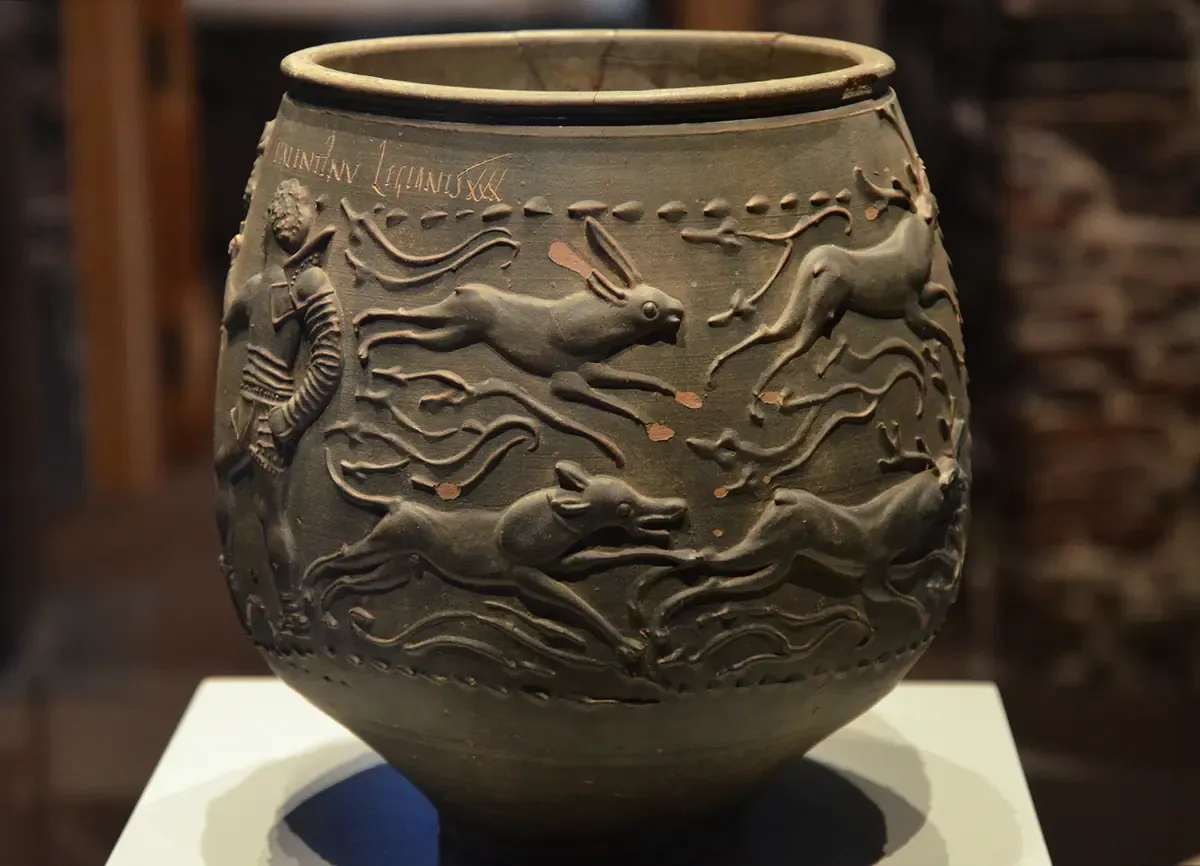
Clitheroe Castle Museum. Gpwitteveen, CC BY-SA 3.0. Resized and converted to WebP.
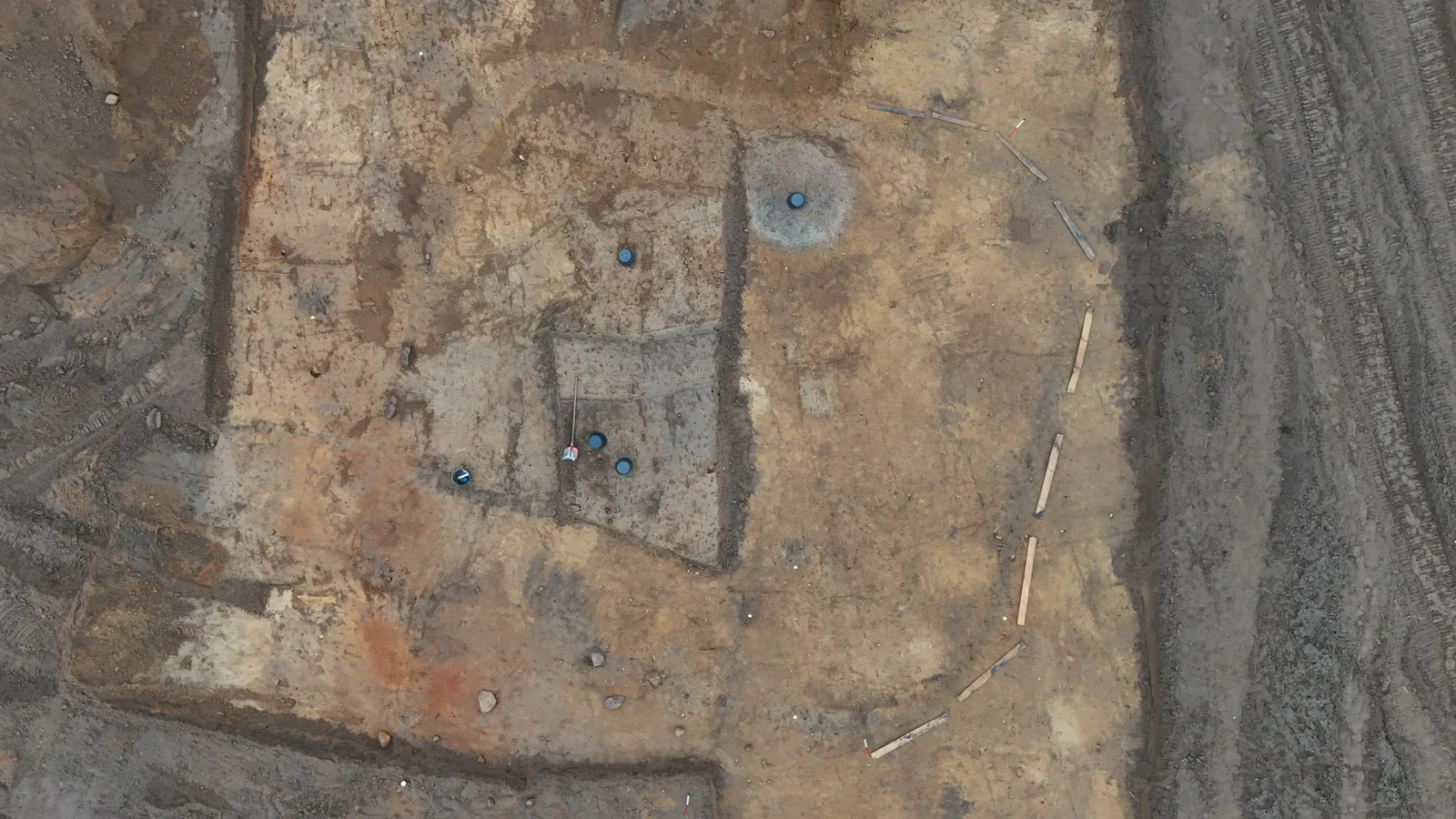
Archaeologists found nine Early Bronze Age cremation burials inside a circular ditch at Higher Standen Farm, on the edge of Clitheroe in Lancashire. One burial held a small pot turned upside down inside a larger urn. Burnt barley from the cemetery gives a clue to how the people who buried their dead there made a living. For more on Bronze Age, see Seddin’s Bronze Age ‘Temple’: What the Evidence Shows. See also The Griffin Warrior Tomb and the Pylos Combat Agate.
The burials were excavated in 2018 ahead of a housing development. Clitheroe Castle Museum is showing finds from that excavation in Death and Burial in Bronze Age Clitheroe, which the borough council lists through 31 July 2027.
What did the ditch enclose?
The Archaeological Research Services archive records nine cremation burials near the centre of the monument. The circle was about 20 metres across, according to Oxford Archaeology’s report on a neighbouring site. The ditch survived below ground and was already visible in the survey data before the 2018 excavation exposed the graves.
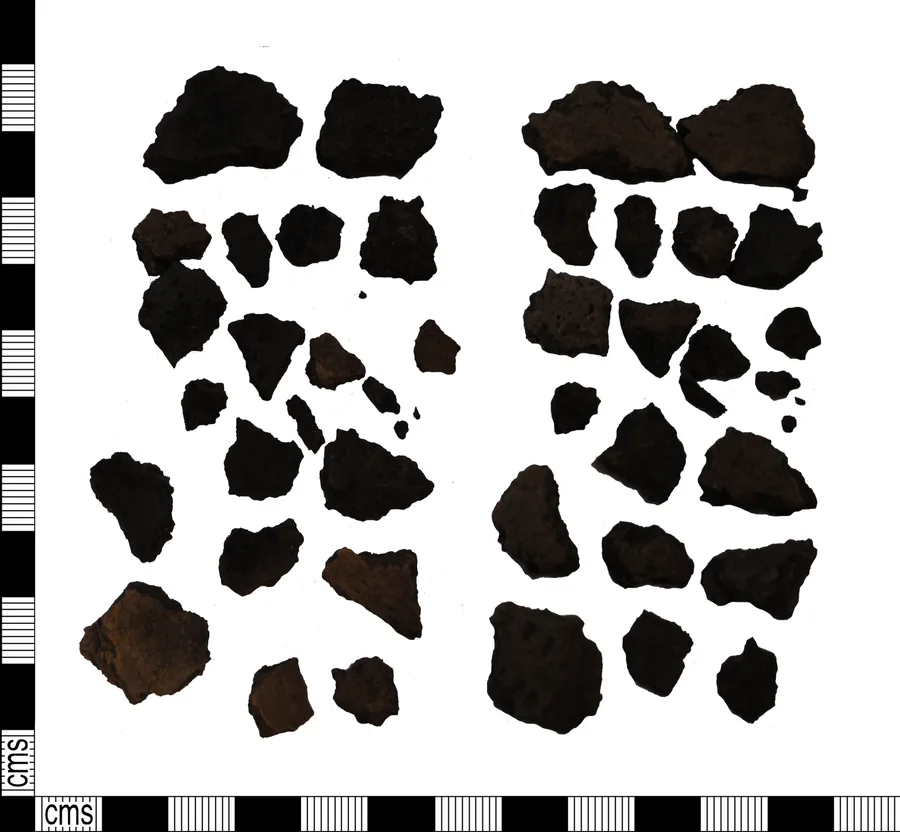
Four burials contained relatively complete Collared Urns, a type of pot named for the projecting band below the mouth. In the deposit numbered Cremation 3, a smaller pot held the cremated remains. It was placed mouth down inside the larger urn. This detail survived because archaeologists could record the position of one vessel inside the other. At another site, a scatter of fragments may be all that survives of a pot.
What can seven dates and a handful of barley tell us?
The council gives a range of about 1915–1620 BC for seven dated cremations. The excavation archive also gives estimates for the boundaries of burial activity. One model places the start somewhere in 1995–1765 BC and the end somewhere in 1750–1530 BC, at 95% probability. Those wider ranges describe when activity may have begun and ended. Each dated burial contributes evidence, and the model carries uncertainty about the gaps at either end.
One burial contained more than 200 barley grains. The museum presents them as a possible offering and part of the case for a nearby farming community. The grains tie a cereal crop to a burial deposit. The proposed settlement and the relationships between the people buried there remain interpretations. The 2019 account in Current Archaeology notes that adults and younger people were represented. That is consistent with a group burying people across generations, although the age mix alone cannot establish a family tree.
Dating a burial and dating the wider monument are separate questions. At Grønhaug in Norway, for example, the ship’s timber can be dated more precisely than an older structure beneath it. At Clitheroe, the dated cremations give the clearest evidence for how long the enclosed ground was used for burial.
Where can you see the finds?
The excavation archive records the finds under Lancashire Museum accession LANMS.2018.9. The Clitheroe Castle Museum exhibition was curated by Lancashire County Museum Service. The council lists it as a paid visit that does not require booking. Check the museum’s current hours before travelling.
Frequently asked questions
What did the ditch enclose?
The Archaeological Research Services archive records nine cremation burials near the centre of the monument. The circle was about 20 metres across, according to Oxford Archaeology's report on a neighbouring site. The ditch survived below ground and was already visible in the survey data before the 2018 excavation exposed the graves.
What can seven dates and a handful of barley tell us?
The council gives a range of about 1915–1620 BC for seven dated cremations. The excavation archive also gives estimates for the boundaries of burial activity. One model places the start somewhere in 1995–1765 BC and the end somewhere in 1750–1530 BC, at 95% probability. Those wider ranges describe when activity may have begun and ended. Each dated burial contributes evidence, and the model carries uncertainty about the gaps at either end.
Where can you see the finds?
The excavation archive records the finds under Lancashire Museum accession LANMS.2018.9. The Clitheroe Castle Museum exhibition was curated by Lancashire County Museum Service. The council lists it as a paid visit that does not require booking. Check the museum's current hours before travelling.
Sources & further reading
- Archaeological Research Services, Higher Standen Farm excavation archive
- Ribble Valley Borough Council, Death and Burial in Bronze Age Clitheroe
- Oxford Archaeology, Higher Standen Drive School fieldwork report
- Current Archaeology, Early Bronze Age ring-ditch at Clitheroe
- Lancashire County Council, Clitheroe Castle Museum
- Gpwitteveen, Clitheroe Castle Museum photograph (Wikimedia Commons)