The Index
The Griffin Warrior Tomb: What the Pylos Combat Agate Can Tell Us
An intact Bronze Age grave at Pylos held a carved agate just 3.6 cm long. Here’s what the burial reveals about the Griffin Warrior and his links to Crete.
Topics: Griffin Warrior, Pylos, Bronze Age, Mycenaean Greece, Burial Archaeology
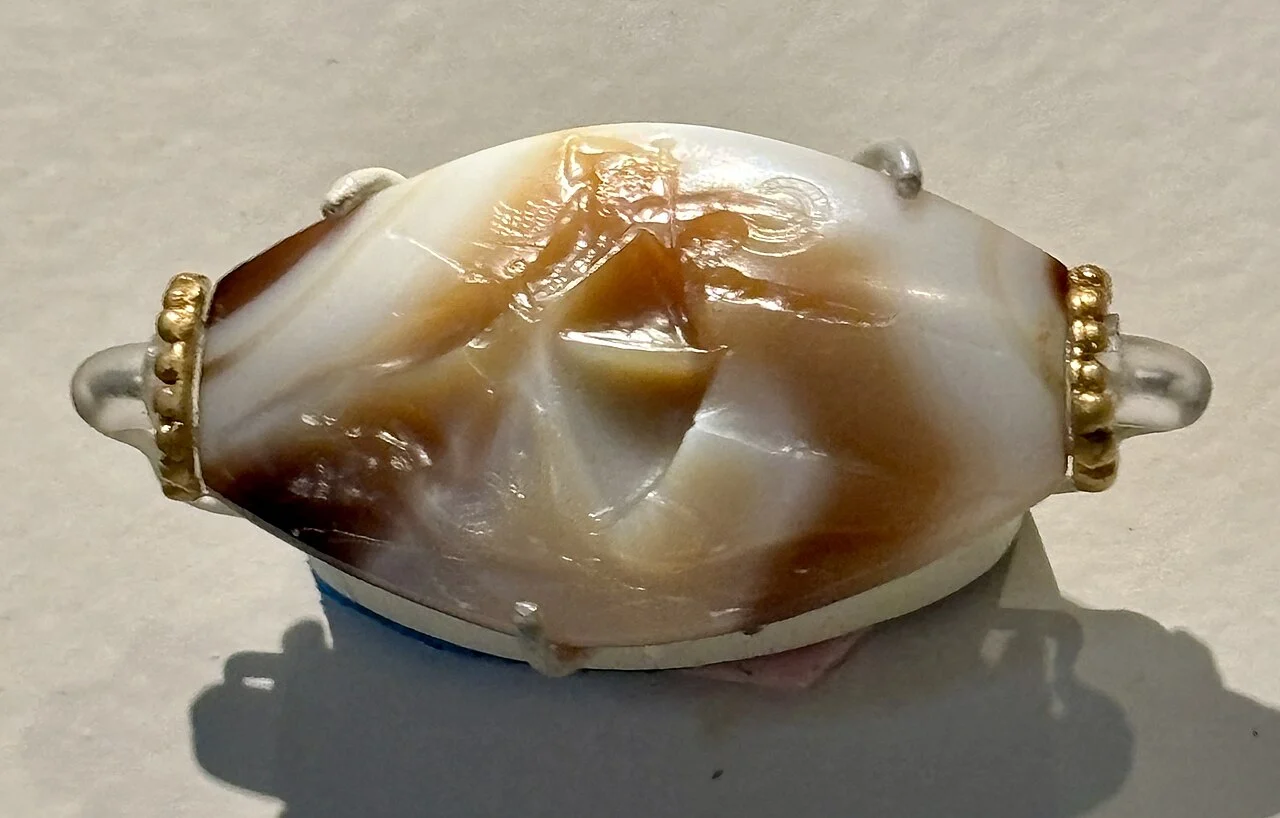
Jengod via Wikimedia Commons (CC BY-SA 4.0, resized and converted to WebP).
The Griffin Warrior was a man buried in a shaft grave at Pylos, in southwestern Greece, around 1450 BCE. Archaeologists found the grave intact in 2015. Its gold rings, bronze weapons and a tiny sealstone called the Pylos Combat Agate show how closely this community was connected to the artistic world of Crete. The excavation left the man’s name and exact position in society unknown. See also documented dark history.
Why is he called the Griffin Warrior?
The excavation project’s account describes the remains of a single man estimated to have been 30 to 35 years old. His grave held armour and a sword with a gold-covered hilt, as well as jewellery and carved objects. The griffin on one of the ivory objects supplied the modern nickname. The care and wealth invested in the burial point to high status. The grave has yielded no name or record of the offices he held.
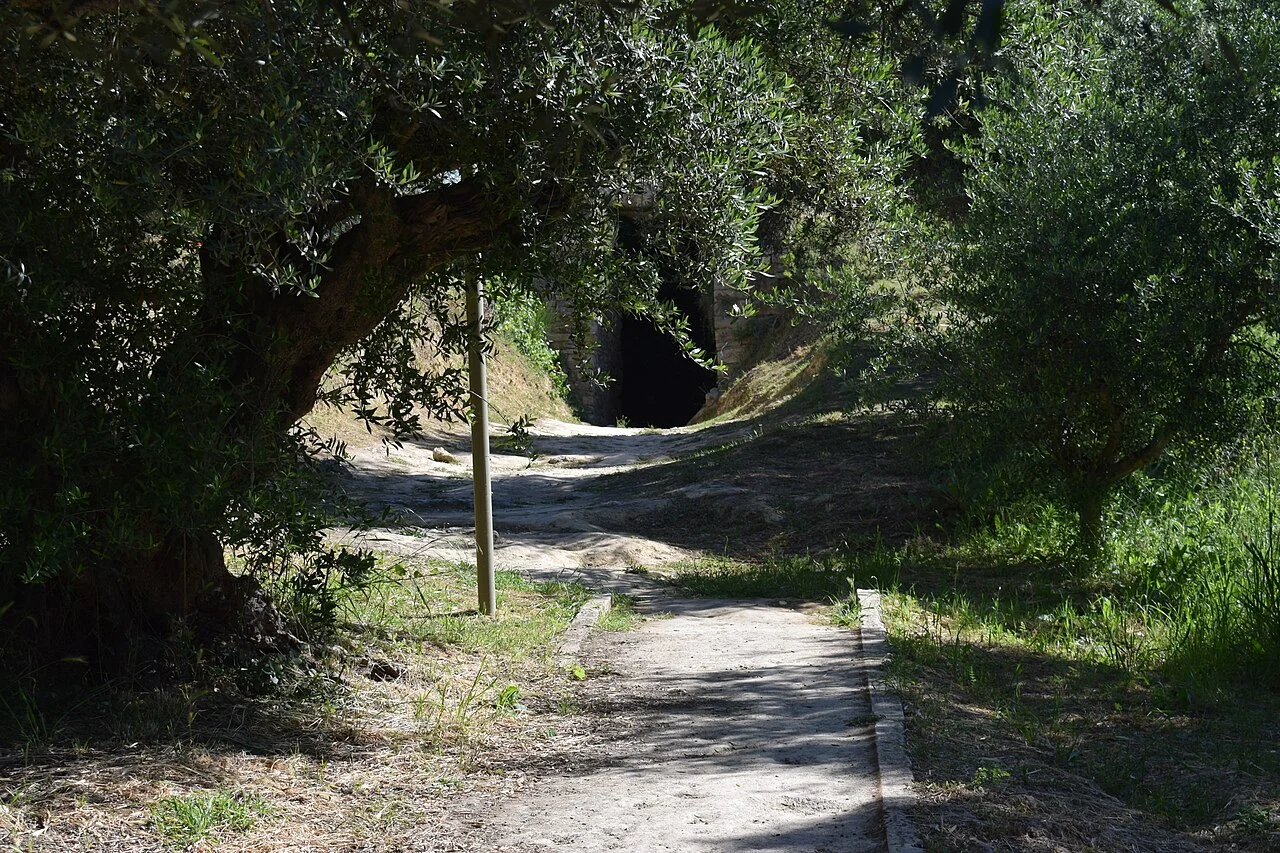
The shaft grave was a pit built for the burial. The larger tombs found in the same area include tholoi, or beehive-shaped stone chambers. The excavators describe how such chambers could be reopened for later burials. The Griffin Warrior’s tomb preserved the objects in relation to a single person, which gives researchers a specific context for interpreting what they found.
What can a stone 3.6 centimetres long reveal?
The carved scene gives us a view of Bronze Age art in miniature. In their 2017 study in Hesperia, archaeologists Sharon Stocker and Jack Davis describe an agate only 3.6 centimetres long. Its engraving includes details of clothing and figures that are hard to see with the naked eye, partly because the bands in the stone obscure the design.
Stocker and Davis identify it as probably Cretan work. The stone’s subject fits an established tradition of battle imagery and the authors suggest that it mattered to the people who arranged the funeral. A stone made in the Cretan tradition in a mainland grave documents a cultural connection. Reconstructing where the man grew up, how he acquired the object, or whom its scene was meant to portray takes other evidence.
Hero photograph: Jengod via Wikimedia Commons, CC BY-SA 4.0. The image shows the sealstone during the earlier Getty Villa exhibition. Resized and converted to WebP.
How does the grave fit into the Athens exhibition?
The National Archaeological Museum includes the grave in the part of its exhibition about the rulers of Ano Englianos before the Palace of Nestor. Exhibits from the later palace include written records of administration. The grave offers another kind of evidence for the same area: objects placed with one person before the palace took shape.
The exhibition is listed through the end of January 2027. Under the museum’s schedule from November 16, last admission is 15:00 Wednesday through Monday and 19:30 on Tuesdays, local time. The Getty Villa’s online exhibition also identifies the sealstone and its archaeological context.
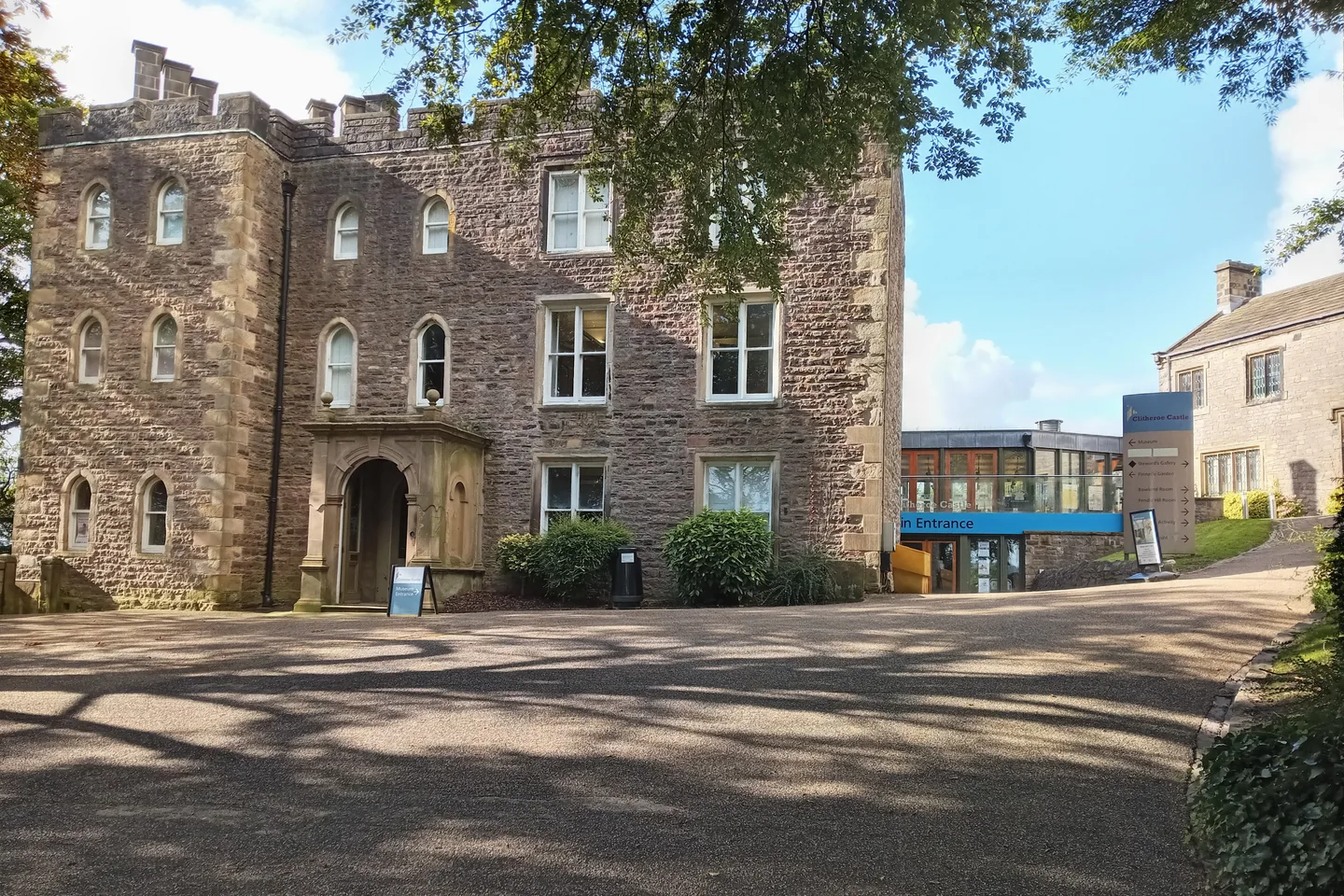
For another example of what can survive alongside a Bronze Age burial, see the cremation graves at Higher Standen Farm near Clitheroe.
Frequently asked questions
Why is he called the Griffin Warrior?
The excavation project’s account describes the remains of a single man estimated to have been 30 to 35 years old. His grave held armour and a sword with a gold-covered hilt, as well as jewellery and carved objects. The griffin on one of the ivory objects supplied the modern nickname. The care and wealth invested in the burial point to high status. The grave has yielded no name or record of the offices he held.
What can a stone 3.6 centimetres long reveal?
The carved scene gives us a view of Bronze Age art in miniature. In their 2017 study in Hesperia, archaeologists Sharon Stocker and Jack Davis describe an agate only 3.6 centimetres long. Its engraving includes details of clothing and figures that are hard to see with the naked eye, partly because the bands in the stone obscure the design.
How does the grave fit into the Athens exhibition?
The National Archaeological Museum includes the grave in the part of its exhibition about the rulers of Ano Englianos before the Palace of Nestor. Exhibits from the later palace include written records of administration. The grave offers another kind of evidence for the same area: objects placed with one person before the palace took shape.
Sources & further reading
- University of Cincinnati excavation project, Griffin Warrior Tomb FAQ
- Sharon R. Stocker and Jack L. Davis, the Combat Agate study in Hesperia
- Getty Villa, Pylos exhibit and Combat Agate object description
- National Archaeological Museum, Athens exhibition and current hours
- Jengod, Pylos Combat Agate photograph
- Jean Housen, Pylos tholos entrance photograph