Lore & Explained / Folklore
Is Day of the Dead Halloween? The Dates and Meaning of an Ofrenda
Día de Muertos honors departed loved ones on November 1–2. Understand the dates, altar offerings and sweet bread, and how it differs from Halloween.
Topics: Day of the Dead, Día de Muertos, Ofrendas, Halloween, Folklore
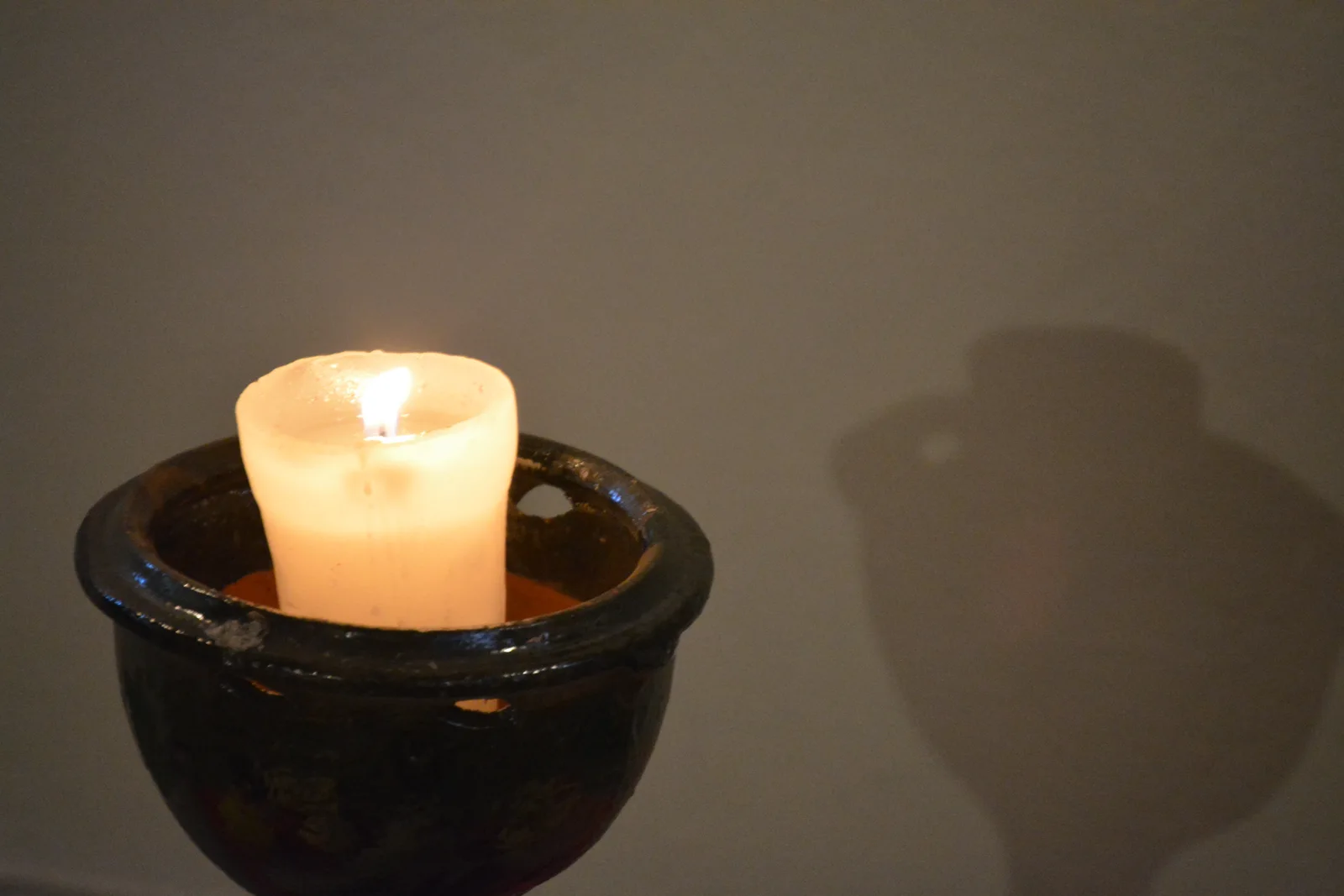
Day of the Dead is a distinct celebration of departed loved ones, centered on November 1 and 2. It is not another name for Halloween. Día de Muertos, also called Día de los Muertos, brings remembrance into homes and cemeteries through offerings, food and family stories. Its returning souls belong to religious and cultural belief; documenting the celebration does not establish a supernatural visit.
The distinction matters when looking at an ofrenda. Flowers, candles and food are arranged for someone being remembered. Reading the whole display as a spooky decoration misses that personal purpose.
Is Day of the Dead November 1 or November 2?
Both dates matter. The Peabody Museum at Harvard describes the following customary distinction, while stressing regional variation:
| Date | What it refers to |
|---|---|
| October 31 | Halloween, the eve of All Saints. |
| November 1 | All Saints’ Day; often remembrance of deceased children. |
| November 2 | All Souls’ Day; remembrance of deceased adults. |
Preparations and celebrations can extend beyond those two days. Treat these dates as a starting point, not a universal timetable for every household or town.
How is it different from Halloween?
In a Rutgers interview, scholar Regina Marchi distinguishes the two celebrations while acknowledging shared imagery. She identifies conscious remembrance of departed relatives as a central feature of contemporary Day of the Dead observances.
Skeletons alone cannot tell you which tradition a photograph represents. Look at the setting and whom the display honors. A remembrance altar is doing something different from a Halloween haunted attraction. For the separate development of All Hallows’ Eve, see our history of Halloween.
What does an ofrenda mean?
An ofrenda is an offering or altar prepared for the dead. In Xanath Caraza’s account for the Smithsonian Latino Center, home altars can include marigolds and papel picado, the brightly colored cut-paper decorations. Catholic images can appear beside Mexican food. These elements reflect intertwined traditions rather than an unchanged ritual with one origin.
Marchi describes contemporary altars containing food, drinks, flowers, candles and mementos. Their contents connect the display to the people being remembered. Water, for example, is offered within the belief that returning spirits arrive thirsty. That is an explanation of a practice, not a claim that a spirit has been observed drinking it.
Why is pan de muerto part of the offering?
Pan de muerto, or bread of the dead, is one recognizable food associated with the season. Peabody describes it among the foods placed on home altars.
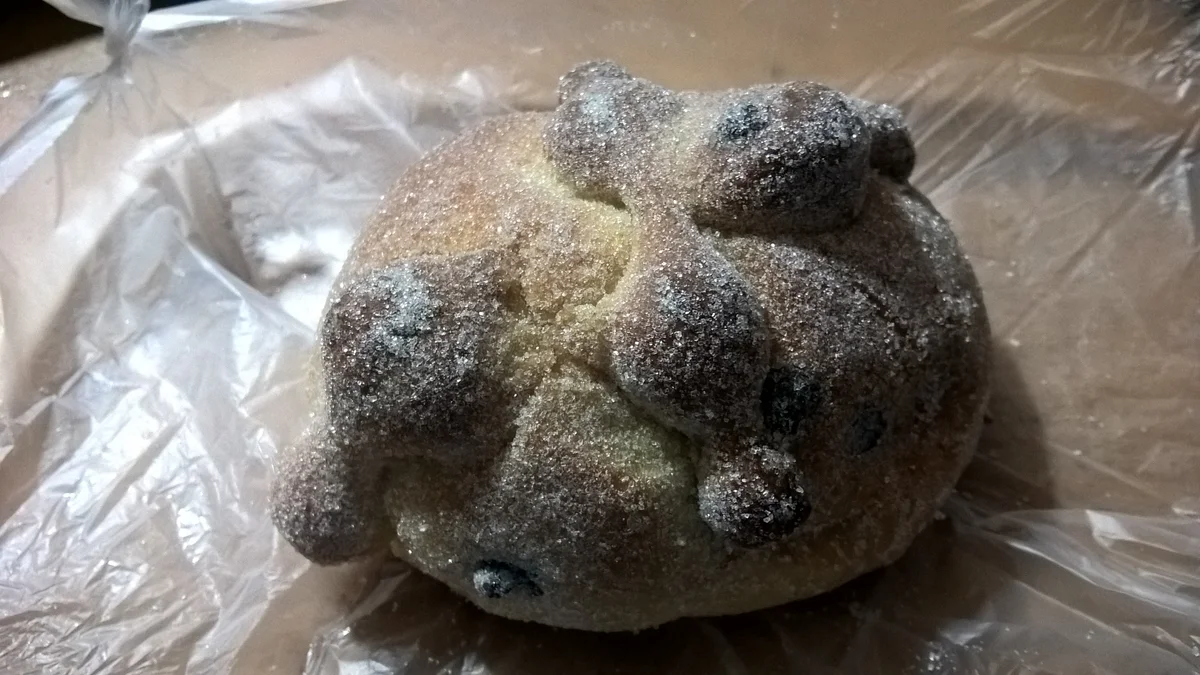
Smithsonian magazine’s October 30, 2026 report describes sugar-covered buns topped with dough shaped like bones, alongside regional variations. In Oaxaca, some bakers decorate egg-yolk bread with small painted faces; in Acámbaro, bread can be anise-flavored and shaped like human figures. A single familiar round loaf is not the only authentic form.
The same report quotes cultural historian Mathew Sandoval on the holiday’s development through the encounter of Indigenous and Spanish traditions. Earlier practices honoring ancestors are part of that history. They do not make every modern bread, altar or public celebration a direct copy of a pre-colonial ceremony.
A family observance can look different from a public festival
Peabody describes families tending graves and sharing memories. Marchi also documents public altars in the United States that commemorate cultural figures or people lost to violence. Those are different settings for remembrance, not evidence that one family has failed to follow a universal checklist.
When reading an altar’s label or a photograph’s caption, the useful questions are specific: who is being honored, where was it made, and what do its makers say the offerings mean? Those answers reveal more than treating every skull, candle or marigold as an interchangeable Halloween prop.
The opening image is an archive photograph of a candle in an ofrenda, not a photograph of a 2026 event. Both photographs used here are available under CC BY-SA 4.0.
Sources & further reading
- Harvard Peabody Museum: Day of the Dead exhibit, dates and regional traditions
- Xanath Caraza, Smithsonian Latino Center: Remembering the Dearly Departed (25 October 2018)
- Rutgers: Regina Marchi on differences and similarities between Day of the Dead and Halloween (2 November 2024)
- Gabby Shell, Smithsonian magazine: Mexico's Bread of the Dead Kneads Together Indigenous and Catholic Traditions (30 October 2026)