The Index / Occult History
The Fox Sisters: The Rappings, the Rise of Spiritualism, and the Confession That Changed Everything
Kate and Maggie Fox's 1848 Hydesville raps helped launch modern Spiritualism. Their 1888 confession matters, but it does not reduce a major movement to one neat sentence.
Topics: Fox Sisters, Spiritualism, Hydesville, Séances, 19th Century
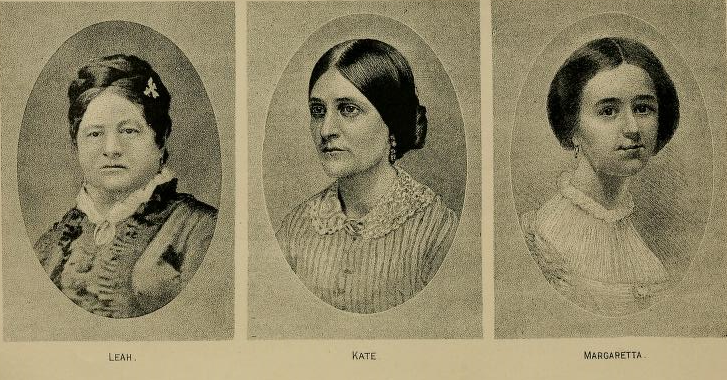
Nineteenth-century portrait / Public Domain via Wikimedia Commons
In March 1848, Kate and Margaret Fox were children in a rented house at Hydesville, New York. Their family said raps answered questions at night. Neighbors came to listen. A code developed: one knock for yes, two for no, then alphabetic answers. Within months, the girls were demonstrating in Rochester. Modern Spiritualism had found its founding scene.
Their older sister Leah became crucial to the public enterprise. The sisters’ demonstrations offered something unusually powerful in an age of grief, reform and religious experimentation: women and girls speaking publicly with authority, supposedly for the dead.
Mr. Splitfoot and the Murdered Peddler
The Hydesville voice was first called “Mr. Splitfoot,” an old name for the devil. It later became a murdered peddler, and stories followed that bones had been found in the house. None of that establishes a named murder victim. Later discoveries and claims around the cellar have been repeatedly folded into the legend without a secure identification or a documented crime matching the tale.
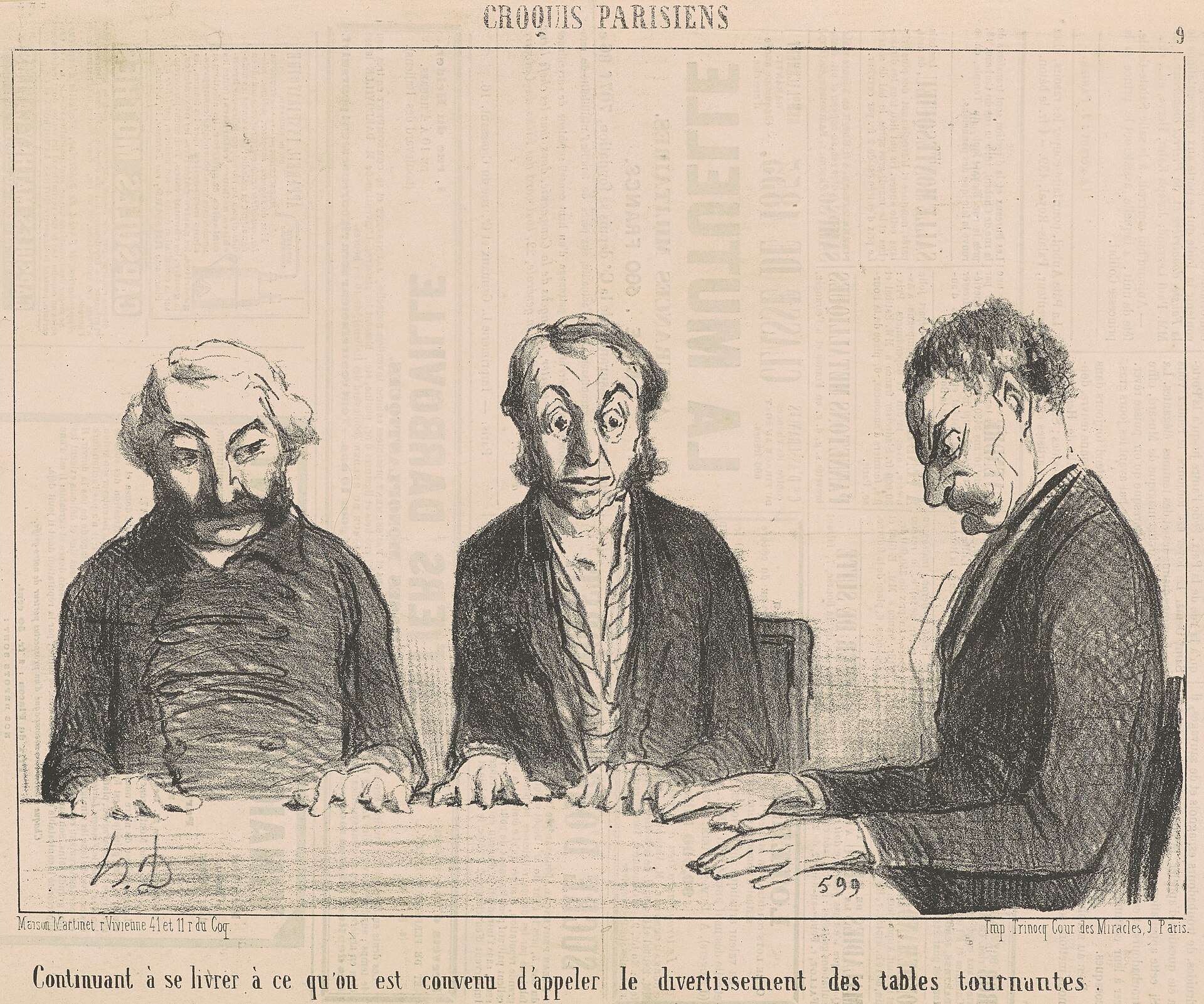
The raps themselves were never equivalent to proof of spirit communication. Skeptics proposed concealed movement, joint cracking and trickery from the beginning. Yet the phenomenon mattered socially whether people accepted or rejected it. Spiritualist circles, newspapers, lectures and séances expanded far beyond one family.
Maggie’s Confession
In 1888, Maggie Fox publicly said that the original raps had been produced by cracking toes and joints. The statement was reported in the press and developed in The Death-Blow to Spiritualism, now preserved by the Library of Congress. It is powerful evidence against treating the Hydesville raps as verified supernatural events.
It is not a magic eraser for every later Spiritualist claim or for the movement’s history. Maggie later retracted the confession, and the sisters’ lives were marked by estrangement, financial pressure and alcoholism. Her retraction does not restore the raps as proven spirits; it does mean the confession should be read in context rather than used as a slogan.
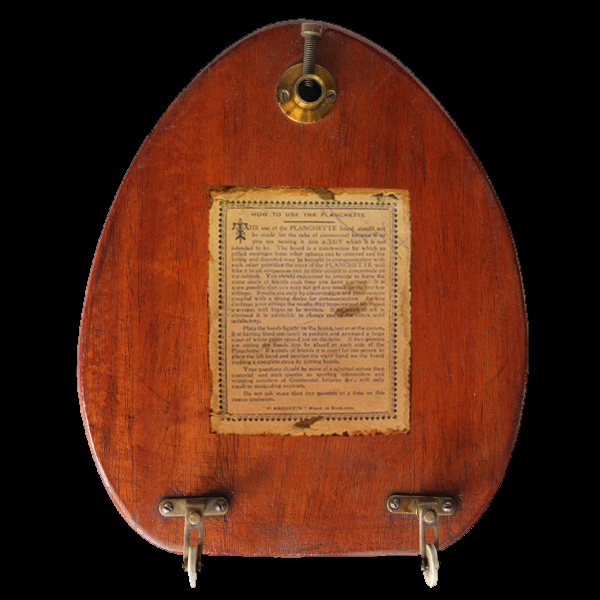
A nineteenth-century planchette, a later material expression of the same culture of mediated communication with the dead. Public Domain via Wikimedia Commons.
The Movement Outlived the Sisters
Spiritualism spread because it met needs that one prank could not explain away: mourning after war and epidemic, fascination with science, and new public roles for women. It also produced fraud, performance and forceful skeptical investigation. Both truths belong in the history.
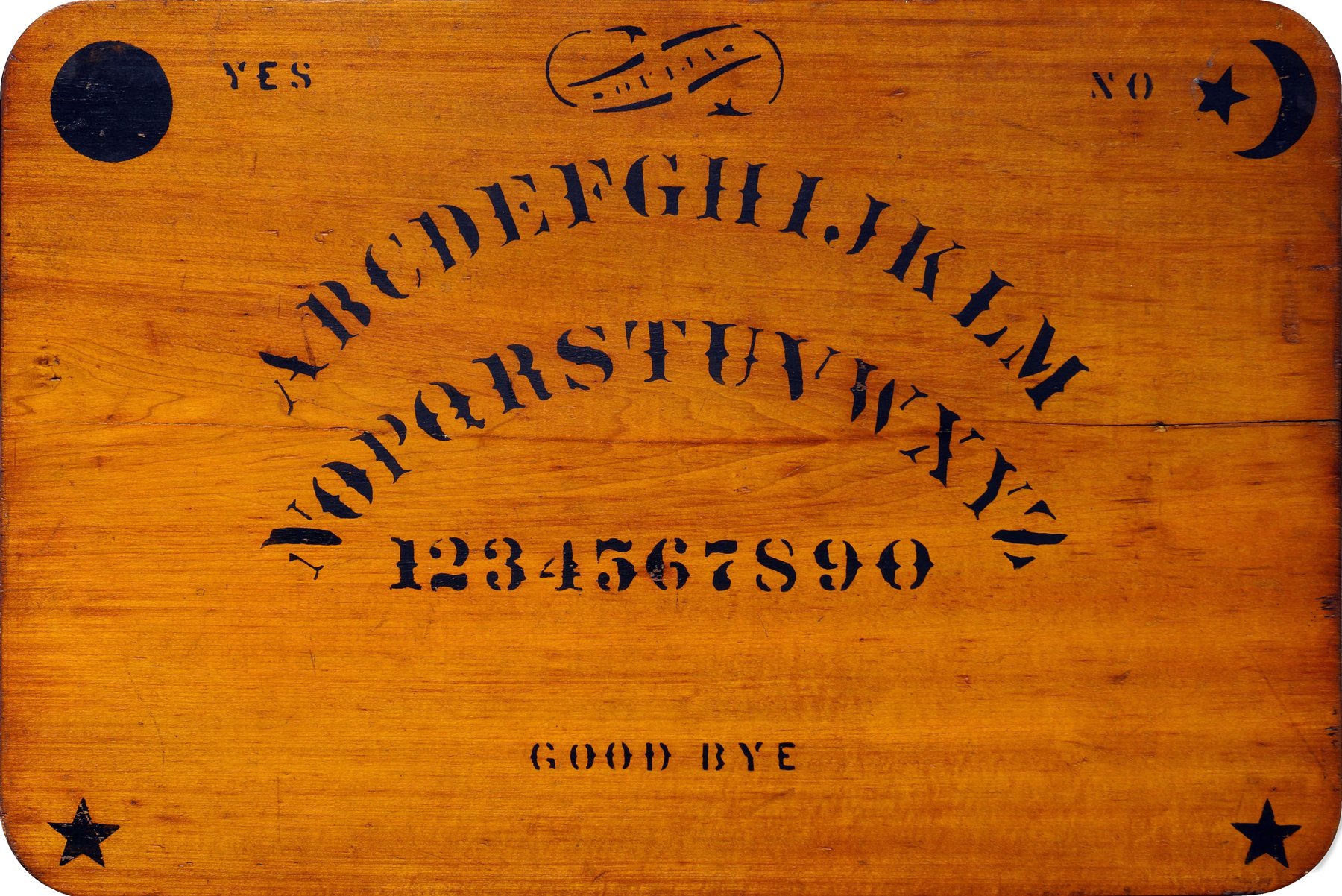
For the later commercial afterlife of spirit communication, see the Ouija board. The Fox story is its earlier, stranger family history: a few knocks in a house became a language for a movement.
Frequently Asked Questions
Did the Fox sisters admit the raps were fake? Maggie publicly confessed in 1888 that the raps were made by joint and toe cracking. She later retracted that confession.
Did bones prove the peddler story? No securely identified victim or crime has confirmed the Hydesville murdered-peddler narrative.