News / Games
Halloween: The Game Adds Halloween 5 and 2018 Michael Myers — but the Timelines Still Don’t Merge
Halloween: The Game adds Halloween 5 and 2018 Michael Myers skins on October 27. Why the multiplayer crossover does not merge the film timelines.
Topics: Halloween: The Game, Michael Myers, Halloween 5, Halloween 2018, Tower Farm, IllFonic, John Carpenter, Haddonfield, Halloween timeline, Christopher Nelson
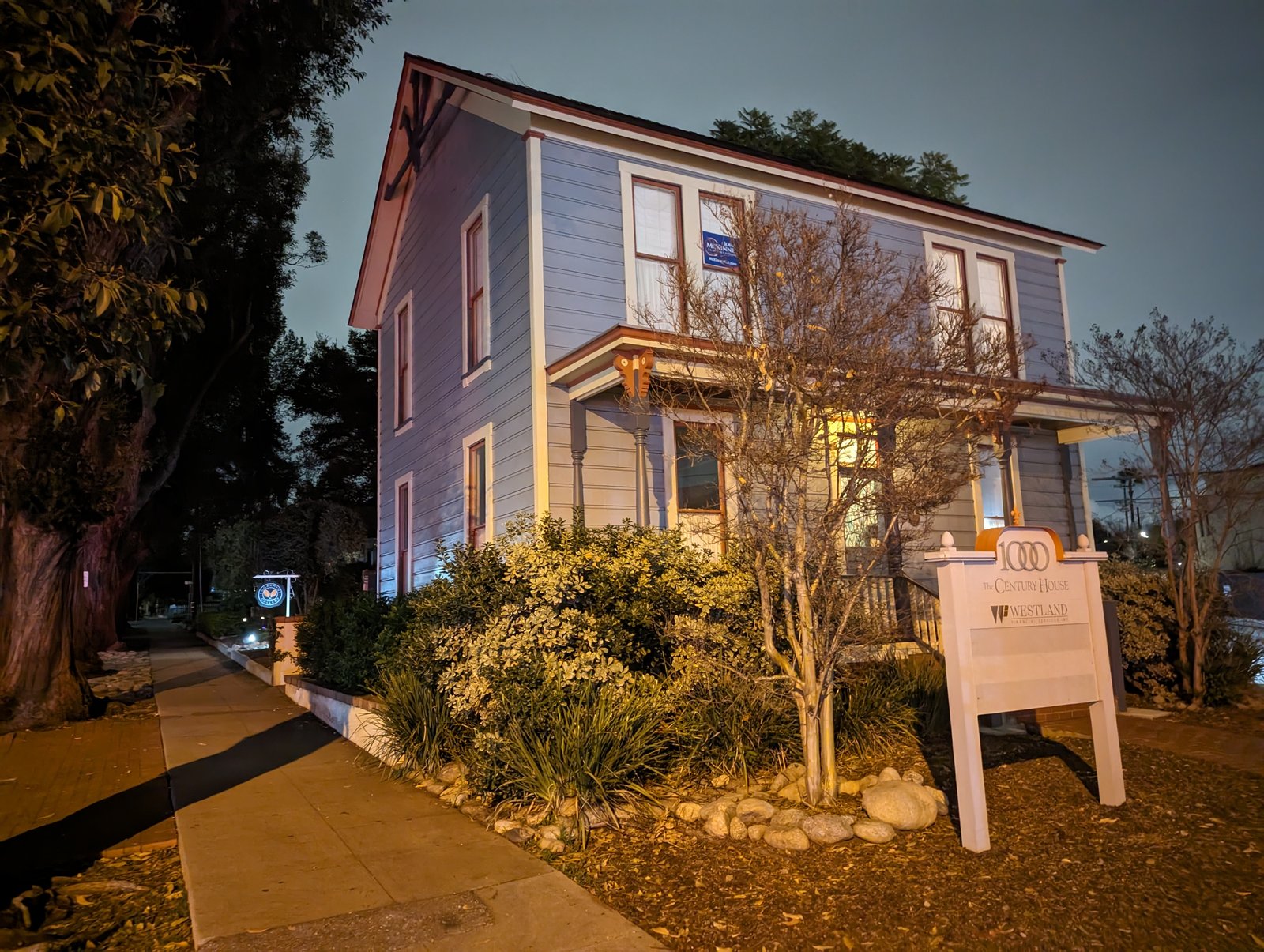
Halloween: The Game is about to let several incompatible versions of Michael Myers occupy the same multiplayer sandbox. That does not mean the movies’ timelines have suddenly become one canon.
IllFonic’s newly announced Halloween 2026 Content Update adds two paid Michael Myers skins on October 27, 2026: one based on Halloween 5: The Revenge of Michael Myers and one based on Halloween (2018). A free Tower Farm map inspired by Halloween 5 arrives in the same drop, alongside two new Civilians, costume DLC and additional fixes and quality-of-life work.
For a multiplayer horror game, that combination makes immediate sense.
For Halloween continuity, it is impossible in a literal way.
The Michael Myers of Halloween 5 belongs to a sequel branch that continues the story of the older films. The Michael Myers of Halloween (2018) belongs to a later continuity that deliberately discards those sequels and continues directly from John Carpenter’s 1978 original.
Putting both versions in the multiplayer roster is therefore a licensed crossover of designs and settings, not evidence that the film series has repaired its famously fractured timeline.
That distinction is the useful lore story behind the update.
What is coming to Halloween: The Game on October 27?
IllFonic’s October 5 announcement says the update will include:
- a Michael Myers skin based on Halloween 5: The Revenge of Michael Myers;
- a Michael Myers skin based on Halloween (2018);
- the free Tower Farm multiplayer map;
- two new Civilian characters, Michelle and Eugene;
- a Halloween costume pack;
- additional free features, fixes and quality-of-life changes.
Each Michael skin is listed at $9.99.
The Tower Farm map is free to everyone who owns the game.
IllFonic says the 2018 mask design is being supervised by Christopher Nelson, who sculpted the mask for Halloween (2018), Halloween Kills and Halloween Ends.
That gives the newer Michael more than a generic resemblance. The game is explicitly working with one of the artists responsible for that screen design.
The game originally built its story around Halloween (1978)
This update is a meaningful expansion because Halloween: The Game did not begin as a general-purpose anthology of every Michael Myers.
IllFonic describes its single-player campaign as a “reimagined extended cut inspired by the original film.”
Players embody Michael during the events surrounding his escape from Smith’s Grove and his return to Haddonfield on Halloween night in 1978. The campaign recreates familiar story beats and locations while inventing additional material around them.
That makes the 1978 film the game’s foundational text.
The official franchise site summarizes that film’s starting point clearly: six-year-old Michael kills his sister in 1963, spends fifteen years institutionalized, escapes in 1978 and returns to Haddonfield, where Laurie Strode and her friends become his targets.
The game then turns that material into a playable slasher sandbox.
Why Halloween 5 and Halloween (2018) cannot share one film timeline
The simplest explanation is that Halloween (2018) intentionally ignores Halloween 5.
The official Halloween franchise website describes the 2018 film as a direct sequel to John Carpenter’s 1978 original that disregards the subsequent entries.
That means its Michael has a different post-1978 history.
In the 2018 continuity, the events of the older sequel branch did not happen.
The Halloween 5 Michael, meanwhile, is explicitly the version continuing from Halloween 4: The Return of Michael Myers. The official page for Halloween 5 begins with Michael surviving the previous film’s ending, then awakening a year later to pursue Jamie Lloyd again.
So these versions share a source:
Halloween (1978).
They do not share everything that follows it.
The game can place both character designs on the same selection screen because multiplayer cosmetics do not need to obey the movies’ narrative exclusivity.
A skin is not a canon merger
This sounds obvious, but licensed games can blur continuity surprisingly quickly.
If the game contains:
- 1978 Michael;
- 1989 Michael;
- 2018 Michael;
players may naturally treat them as three costumes worn by one continuously existing game character.
Mechanically, that is exactly what they are.
Narratively, that does not rewrite the films.
The update announcement calls them versions of Michael and sells them as skins. It does not announce a new story in which the Halloween 5 and 2018 timelines collide.
There is no confirmed multiverse plot here.
There is no canon event in which two Michaels meet.
There is no statement that Jamie Lloyd now exists in the 2018 continuity.
The safest rule is:
multiplayer availability is a gameplay feature; film continuity remains separate unless a story mode or official narrative source explicitly connects it.
Halloween 5 brings more than a mask
The more interesting addition may actually be the free map.
IllFonic says Tower Farm is inspired by settings from Halloween 5. Its version is a rural area just outside Haddonfield filled with country roads, cornfields, farmhouses, barns, sheds, a filling station, trailer park, harvest-festival material and pumpkin gardens.
That changes the game’s visual language.
The original Halloween is strongly associated with suburban streets, detached houses, hedges and babysitting routes.
Tower Farm opens the map.
That matters mechanically because an open road or cornfield removes the security of walls and corners.
It also matters as franchise archaeology.
The official Halloween 5 archive specifically notes the Tower Farm parties as part of the film’s dialogue and continuity, even joking that the film treats them as an established local tradition despite this being the first time the party had been mentioned.
The game is taking a relatively small piece of 1989 Haddonfield world-building and turning it into a complete playable space.
Halloween 5 sits in the Jamie Lloyd branch
The 1989 film’s Michael is inseparable from Jamie Lloyd.
The official franchise summary describes Jamie as being under Dr. Loomis’s care while Michael returns to Haddonfield. She experiences a psychic connection to him and becomes the center of his pursuit.
The film also introduces unexplained mythology that later sequels build on:
- a mysterious symbol appears on Michael;
- a mysterious Man in Black bears the same mark;
- the film ends with that figure intervening after Michael is captured.
Those elements are part of why fans often group Halloween 4, 5 and 6 into one branch of the franchise.
But it is worth being precise.
Halloween 5 introduces the symbol and the Man in Black.
It does not fully explain the later mythology by itself.
A game skin based on the 1989 Michael should therefore not automatically be treated as importing every later explanation into every multiplayer match.
The 2018 Michael comes from a continuity reset
David Gordon Green’s Halloween (2018) made the opposite continuity move.
Instead of continuing the Jamie Lloyd branch, it returned to the 1978 film and built a new sequel directly from it.
The official franchise site states plainly that the 2018 film disregards the intervening sequels.
That changes the history of Michael and Laurie.
The 2018 film can use the visual and cultural legacy of decades of Halloween movies while narratively refusing to make those movies part of its own chain of events.
The game’s October DLC now benefits from both things at once:
- Halloween 5 as a recognizable legacy design;
- 2018 Michael as a recognizable modern design.
That is a commercial and aesthetic crossover.
It is not a continuity reconciliation.
Christopher Nelson’s involvement matters for the 2018 mask
Michael Myers changes surprisingly much through his mask.
The basic concept remains a pale, expressionless face.
The exact proportions, age, wear, hair and surface texture vary heavily between productions.
IllFonic says the 2018 game mask is being supervised by Christopher Nelson, who sculpted the screen mask used for David Gordon Green’s trilogy.
That should help the game reproduce a very specific version of the Shape:
an older Michael whose mask has visibly aged along with the decades separating 1978 from 2018.
It is also a good example of why a “Michael Myers skin” can carry continuity information.
The costume is not merely cosmetic to viewers.
It identifies a particular era and branch of the franchise.
John Carpenter’s original remains the common root
Every Michael in this update still points back to the same 1978 film.
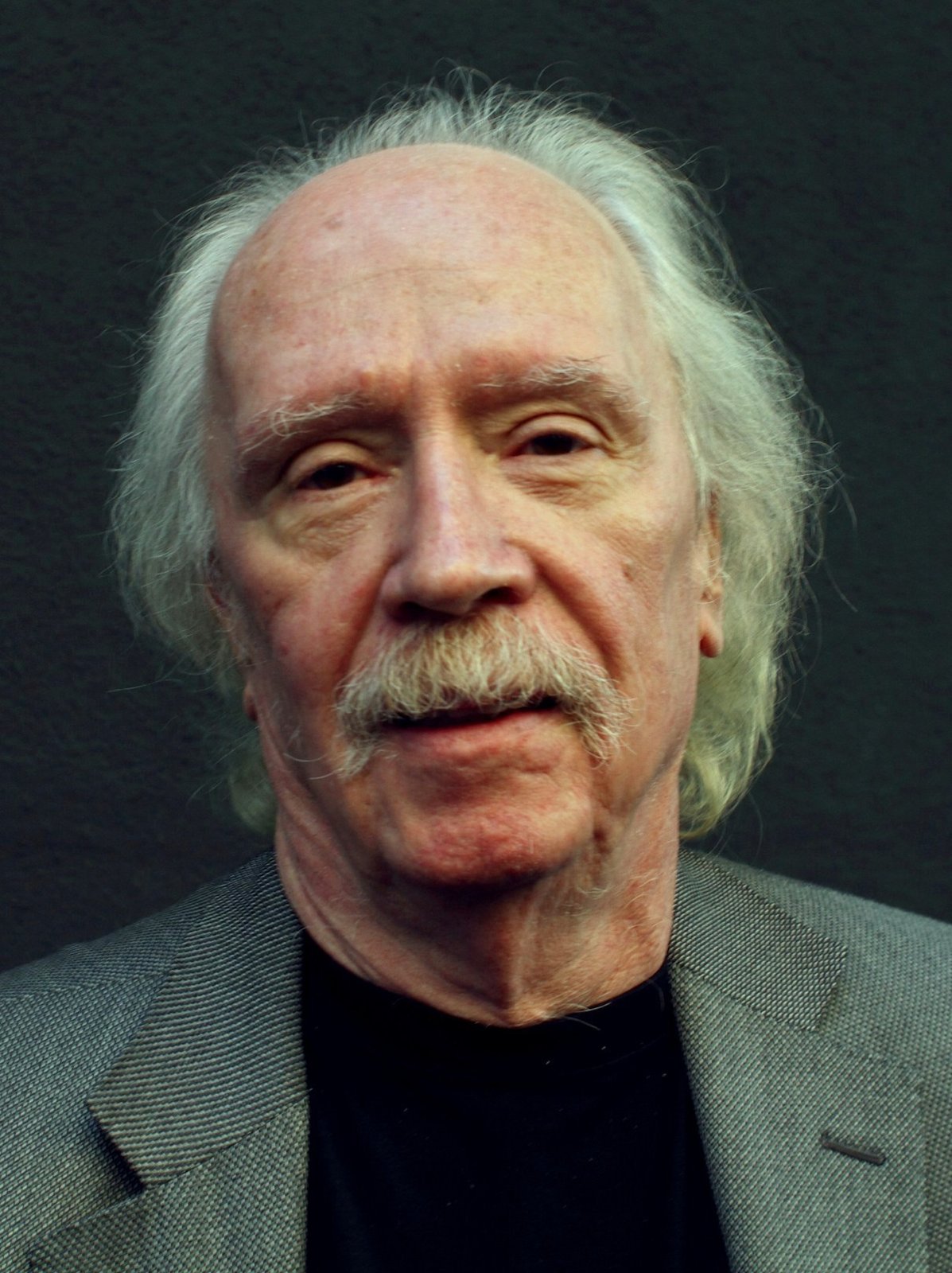
The game’s campaign is built around it.
Halloween 5 descends from one sequel route.
Halloween (2018) returns to the original and starts another.
That makes the multiplayer roster a useful visual lesson in how horror franchises evolve.
A character can remain recognizable even when the events surrounding him have been repeatedly rewritten.
The game is becoming a franchise museum as well as a 1978 adaptation
The October 27 update is described as the first of a series of post-launch content updates planned across the game’s first year.
That changes the project’s long-term identity.
At launch, the strongest story pitch was:
play through an expanded version of Halloween night 1978 from Michael’s perspective.
Post-launch multiplayer is starting to become something broader:
play with pieces of Halloween history that could never coexist inside one film continuity.
That is not a flaw.
Games are unusually well suited to this.
A movie has to decide what happened.
A multiplayer game can decide what is fun to equip.
The important thing is not to mistake one type of canon for the other.
The physical release arrives before the crossover update
There is another date worth separating.
The digital version of Halloween: The Game launched on September 8, 2026.
The physical PS5 and Xbox Series X editions launch October 6, according to IllFonic’s official physical-edition announcement.
The Halloween 5 / 2018 content does not arrive with those discs on October 6.
It is scheduled for October 27.
That distinction prevents a common release-news error where the physical launch and the newly announced DLC get collapsed into one date.
What Tower Farm does to the idea of Haddonfield
The series’ Haddonfield, Illinois, is fictional.
The original film used California locations to create its fictional Midwestern suburb.
The game already recreates and extends that invented geography.
Tower Farm goes another step.
A line and location idea associated with Halloween 5 becomes a complete navigable district.
That makes the game’s Haddonfield less like one film set and more like an accumulated franchise map.
It can contain spaces remembered from different productions even when the stories around those spaces do not all belong to one continuity.
Again, that is game-world synthesis rather than retroactive movie canon.
Could more Michael Myers timelines follow?
IllFonic says the October content is the first in a series of post-launch updates planned across the game’s first year.
That makes further franchise material plausible.
It does not make any specific version confirmed.
Until IllFonic announces another Michael, character or map, Morbid Index should not treat fan wish lists as a roadmap.
The safe conclusion is narrower:
The game now has an official mechanism for moving beyond 1978 and licensing material from multiple branches of Halloween history.
That alone is a major shift.
Frequently Asked Questions
When do the Halloween 5 and Halloween (2018) Michael Myers skins release?
IllFonic says both release on October 27, 2026.
How much do the new Michael Myers skins cost?
The official update lists each Michael skin at $9.99.
Is the Tower Farm map free?
Yes. IllFonic lists Tower Farm as a free map for owners of Halloween: The Game.
What movie is Tower Farm from?
The map is inspired by Halloween 5: The Revenge of Michael Myers and expands its rural Haddonfield material into a larger playable environment.
Does adding Halloween 5 and Halloween (2018) mean those movies are now in the same timeline?
No. The official 2018 continuity treats Halloween (2018) as a direct sequel to the 1978 original and disregards the intervening sequels. The game is combining licensed versions for gameplay; no film-canon merger has been announced.
Which timeline is Halloween 5 in?
Halloween 5 continues the branch following Halloween 4, centered on Jamie Lloyd and Dr. Loomis’s pursuit of Michael.
What does Halloween 5 establish about the mysterious symbol?
The film introduces a symbol on Michael and a matching mark on the Man in Black. Later franchise material develops that mythology further, but Halloween 5 itself does not provide the complete later explanation.
Who is supervising the Halloween (2018) mask for the game?
IllFonic says Christopher Nelson, who sculpted the mask for the 2018 film and its two sequels, is supervising the game version.
When did Halloween: The Game originally launch?
The digital game launched on September 8, 2026. Physical PS5 and Xbox Series X editions launch October 6.
Is the single-player campaign based on the 1978 movie?
Yes, but IllFonic calls it a reimagined extended cut inspired by the original film, not a frame-for-frame recreation.
Is this a review?
No. This article explains the newly announced content and the continuity boundaries between the Michael Myers versions. No Morbid Index gameplay review score is being assigned here.
Sources & further reading
- Halloween: The Game — Halloween 2026 Content Update
- Halloween: The Game — Unleash Hell Upon Haddonfield
- Halloween: The Game — Physical Editions
- HalloweenMovies — Halloween (1978)
- HalloweenMovies — Halloween behind the scenes: co-writing and California filming
- HalloweenMovies — Halloween 5: The Revenge of Michael Myers
- HalloweenMovies — Halloween (2018) home release / continuity description
- Wikimedia Commons — The Century House aka Halloween House
- Wikimedia Commons — John Carpenter