The Index / Paranormal
Robert the Doll: The True History Behind Key West's Famous Haunted Doll
Robert the Doll is a real Steiff toy that belonged to Key West painter Robert Eugene Otto. The Bahamian-servant curse story has never been historically confirmed.
Topics: Robert the Doll, Key West, Haunted Objects, Robert Eugene Otto, Paranormal
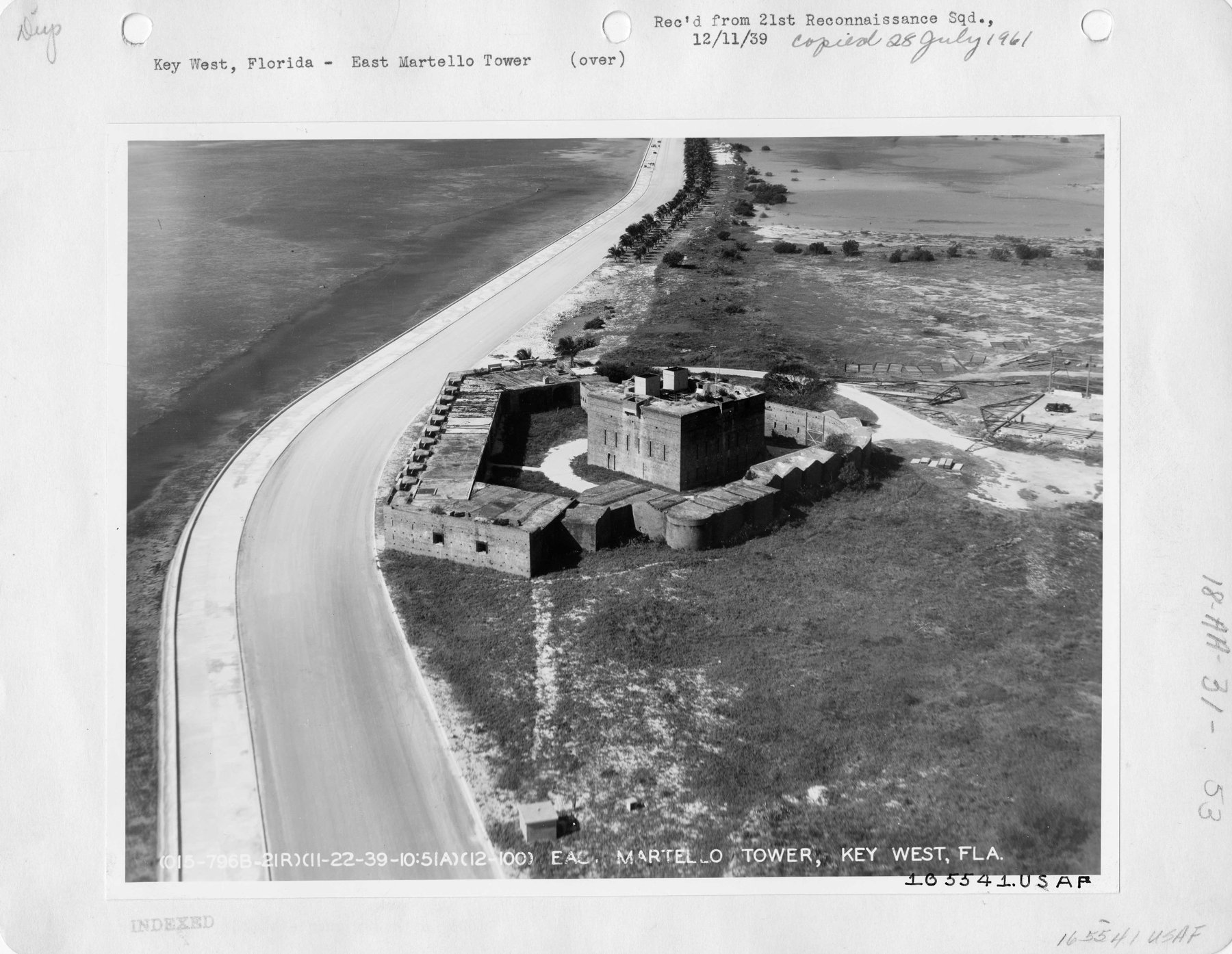
U.S. Army Air Forces, 1939 (Public Domain)
Robert the Doll is a real, physical object with a documented manufacturer, a documented owner, and a documented museum home. What’s not documented anywhere from the period it supposedly happened is the story most people actually associate with him: that a Bahamian servant, angry at mistreatment by the Otto family, gave the boy Robert Eugene Otto a cursed doll as an act of folk-magic revenge. That detail has no primary source earlier than decades of retelling — it’s the part of the story doing the most work and the part with the least evidence behind it.
What Robert Actually Is
The doll stands roughly 40 inches tall and was manufactured by the German Steiff company, a firm most famous for originating the teddy bear (named for Theodore Roosevelt) around the same era. Museum research, including consultation with a Steiff company historian, suggests Robert was likely never sold as an individual child’s toy at all — he may have originated as part of a display set of clown or jester figures rather than as a standard nursery doll, which would explain his unusual scale and design compared to typical Steiff children’s dolls of the period.
Robert Eugene Otto and the Artist House
Robert Eugene “Gene” Otto was born into a prominent Key West family and grew up in what’s now known as the Artist House, a Victorian home on Eaton Street built in the 1890s. Gene went on to study art in New York and Paris, developing a career as a painter, and married Annette “Anne” Parker, a pianist he met in Paris, in 1930. According to family accounts, Gene had a close and unusually persistent attachment to the doll throughout his childhood — reportedly blaming Robert for his own misbehavior often enough that it became a recognized family pattern, a detail plausible enough on its own and consistent with an imaginative child’s relationship to a favorite toy, without requiring any supernatural explanation.
The Bahamian Servant Story: What’s Actually Documented
The most commonly repeated origin story holds that a servant of Bahamian descent employed by the Otto family, skilled in folk magic, gave young Gene the doll — either as a genuine gift or as a curse in retaliation for mistreatment by the family. This detail is worth being direct about: it functions as folklore layered onto the doll’s history, not documented fact. No contemporary Otto family record, museum acquisition document, or independent historical source from the period actually establishes who first gave Gene the doll or under what circumstances, and the “servant’s revenge” framing — beyond lacking documentation — reflects a familiar and uncomfortable pattern in American ghost-story tradition, where supernatural menace gets projected onto marginalized real people (often specifically Black or Caribbean domestic workers) without evidence, turning an employment relationship into an invented occult backstory. Telling this story responsibly means being explicit that it’s unverified legend, not treating it as established biography for either Gene Otto or the unnamed servant the story depends on.
The East Martello Tower in Key West, photographed in 1939 — decades before it became the Fort East Martello Museum, where Robert has been on public display since 1994. Source. U.S. Army Air Forces, Public Domain.
From Attic to Museum
Gene kept the doll for the rest of his life; family accounts describe Anne Otto, at some point during their marriage, asking that Robert be kept out of the couple’s living space and stored in the home’s attic instead. Gene died in 1974, and Anne died two years later. The house was later sold to Myrtle Reuter, who owned the property for roughly two decades and, according to museum accounts, discovered the doll still in the attic. Reuter eventually donated Robert to the Fort East Martello Museum, part of the Key West Art & Historical Society, in 1994, where he has remained on public display since.
The Letters
One of the more genuinely well-documented parts of the modern Robert phenomenon is the volume of mail he receives. The museum has reported collecting well over a thousand letters over the years, arriving at a steady pace, most of them addressed directly to the doll — visitors apologizing for supposedly disrespecting him during a visit, or asking him to lift blame for later bad luck (a broken bone, a canceled flight, a bad breakup) they’ve come to associate with the encounter. This is a real, ongoing, and fairly remarkable piece of participatory folklore in its own right — a modern ritual practice that exists regardless of whether anything supernatural is actually happening, and one the museum itself now treats as part of the exhibit’s identity.
The “Ask Permission” Rule
Visitors are commonly told they must ask Robert’s permission before photographing him, supposedly to avoid provoking bad luck. Like the servant’s-curse origin story, this specific rule doesn’t trace to a documented historical practice from Gene Otto’s lifetime — it reads as a piece of museum-era visitor folklore, the kind of interactive ritual that tends to develop naturally around any object marketed as cursed or haunted, giving visitors something active to participate in rather than simply observe.
Was Robert the Inspiration for Chucky?
This is repeated constantly online as settled fact, and it isn’t one. Don Mancini, the screenwriter who created Child’s Play and its Chucky character, has stated directly that Robert the Doll was not his inspiration for the film. The claim that Robert inspired Chucky appears to be a piece of retroactive pop-culture folklore — an assumption connecting two “creepy doll” properties that feels intuitive but isn’t supported by the filmmaker’s own account of where the character actually came from. It’s a useful example of how quickly an unverified claim about a well-known haunted-object legend can circulate as though it were confirmed history.
Frequently Asked Questions
Is Robert the Doll real? Yes, as a physical object — a Steiff-manufactured doll that belonged to Key West painter Robert Eugene Otto and is now on permanent display at the Fort East Martello Museum.
Is Robert the Doll haunted? There’s no verifiable evidence of supernatural activity connected to the doll. What is documented is a real, active tradition of visitors writing apology letters and reporting bad luck they associate with the object.
Who was Robert Eugene Otto? A Key West painter, born into a prominent local family, who owned the doll from childhood until his death in 1974 and reportedly had an unusually close attachment to it.
Did a Bahamian servant curse the doll? That story has no documented historical source. It appears to be folklore added to the doll’s history well after the fact, rather than a verified account of how Gene Otto received the doll.
Did Robert the Doll inspire Chucky from Child’s Play? No confirmed connection exists. Screenwriter Don Mancini has directly stated Robert was not his inspiration for the character, despite the claim’s wide popular circulation.
Where is Robert the Doll now? On permanent public display at the Fort East Martello Museum, part of the Key West Art & Historical Society, since 1994.
Why do people ask Robert’s permission before taking a photo? It’s a modern visitor tradition, not a documented historical practice from Otto’s lifetime — the kind of interactive ritual that commonly develops around objects marketed as cursed.