The Index / Paranormal
The Conjuring House True Story: What Really Happened to the Perron Family?
The Perron family really did live in a haunted-feeling Rhode Island farmhouse for nine years. Bathsheba Sherman, the film's villain, likely never set foot there.
Topics: The Conjuring, Perron Family, Bathsheba Sherman, Ed and Lorraine Warren, Paranormal
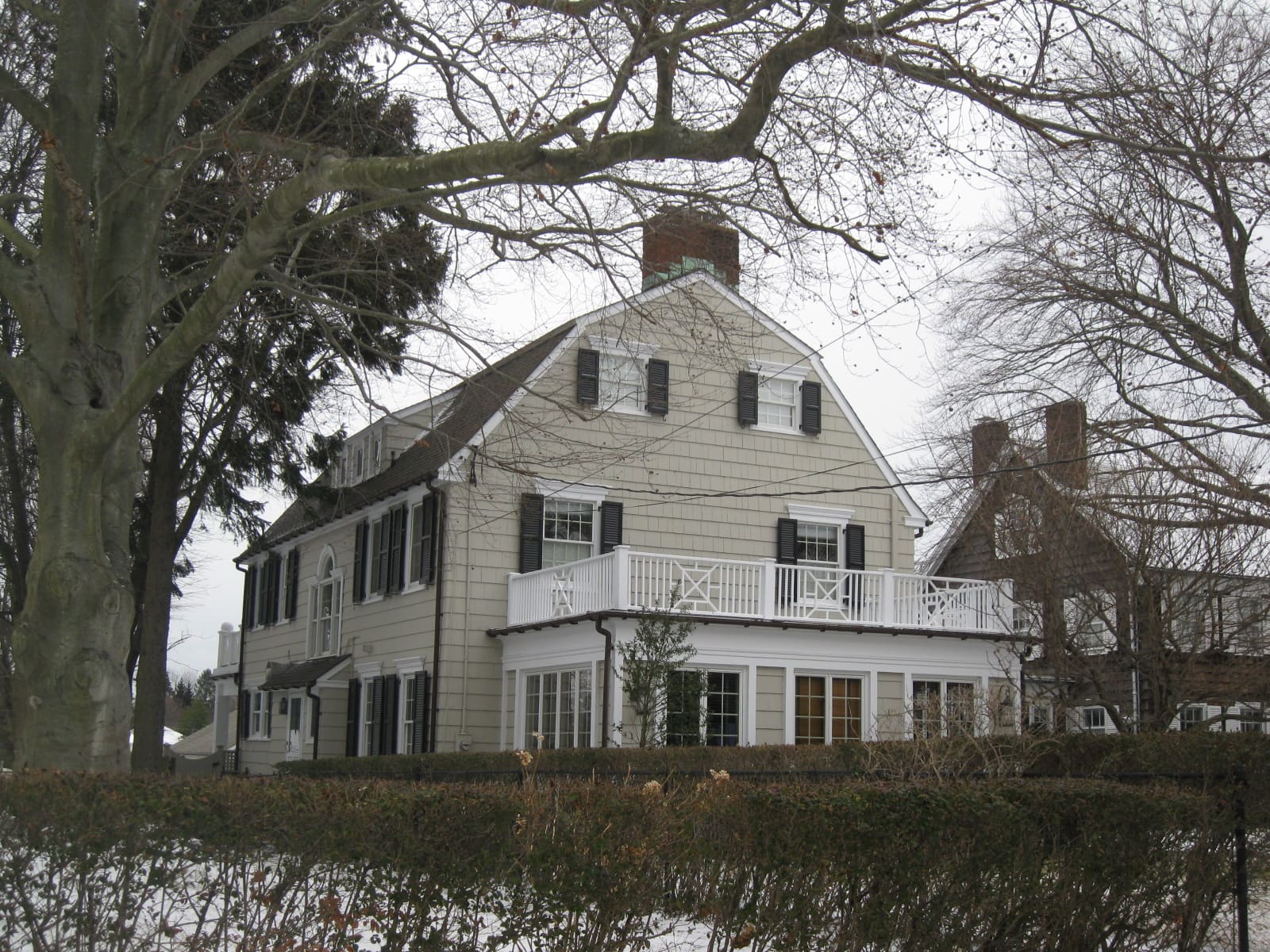
VulcanTrekkie45 / Wikimedia Commons (Public Domain)
A family named Perron really did move into an eighteenth-century farmhouse in rural Rhode Island in 1971 and spend nine years describing it as one of the most frightening places they’d ever lived. Ed and Lorraine Warren really did visit. None of that is in dispute. What’s much less solid is the specific villain the 2013 film built around all of it: a nineteenth-century woman named Bathsheba Sherman, who the historical record does not support as a witch, a child killer, or someone who ever set foot on the property at all.
That gap — a real family’s real fear, attached to a mostly invented historical backstory — is the story worth telling here, separate from the film’s plot.
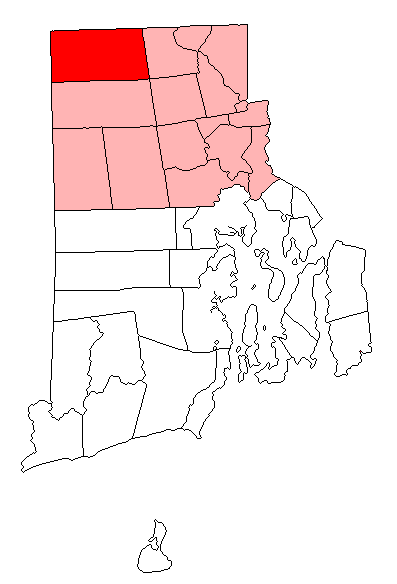
Burrillville’s location in Rhode Island. The map supplies geographic context, not a property map. Source. VulcanTrekkie45 / Wikimedia Commons, Public Domain.
The Perron Family and the Arnold Estate
Roger and Carolyn Perron, along with their five daughters — Andrea, Nancy, Christine, Cindy, and April — moved into a farmhouse on what’s now Round Top Road in Harrisville, a village in Burrillville, Rhode Island, in January 1971. The house, part of what’s known locally as the Arnold Estate, dated to the 1700s, and the family bought it in part because it was large and affordable for a household with five children.
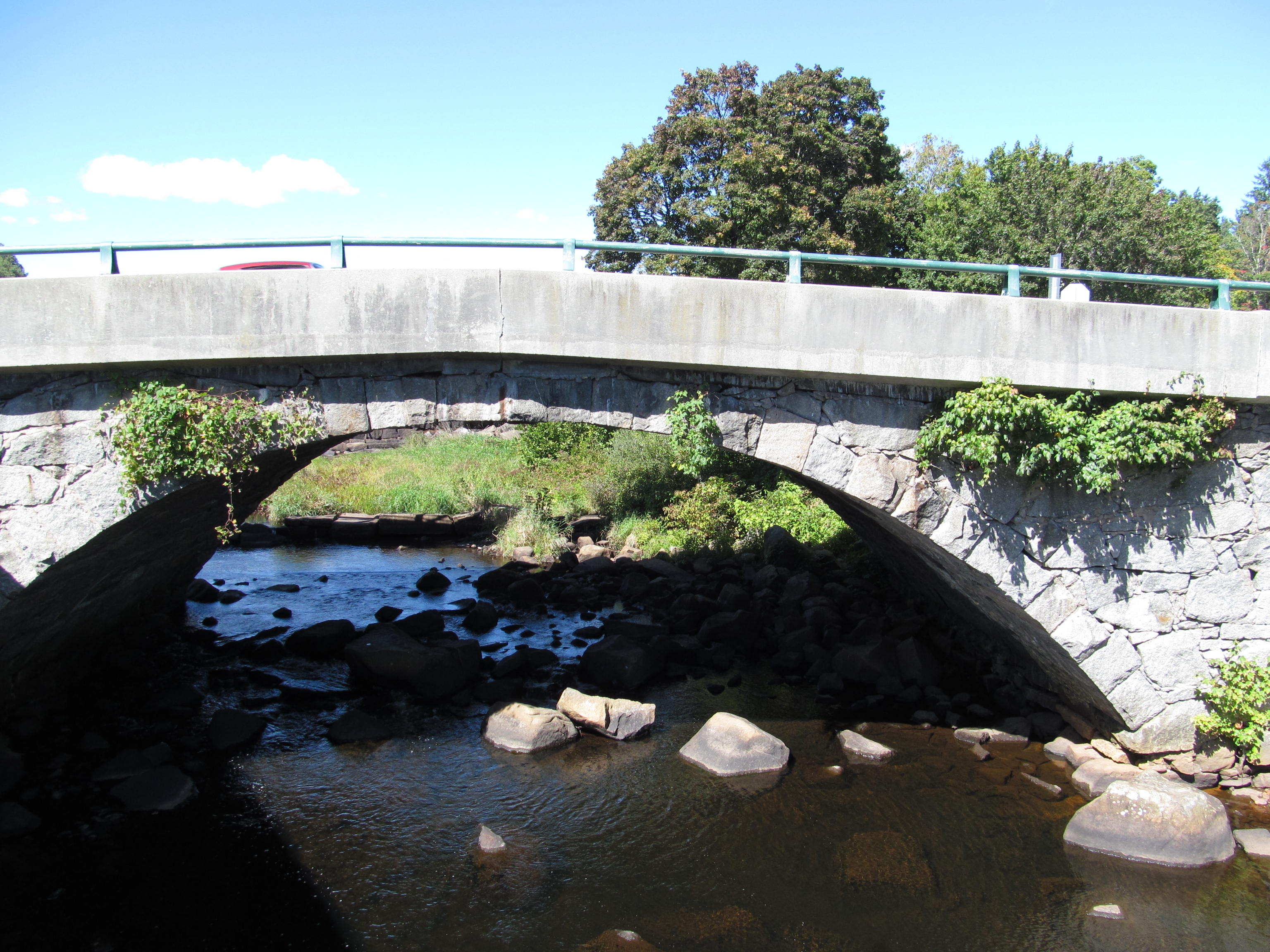
Harrisville, Rhode Island. This is general village context and does not depict the Perron property. Source. Dougtone / Wikimedia Commons, CC BY 2.0.
According to accounts the family gave later, primarily through eldest daughter Andrea Perron’s memoirs, the disturbances began not long after they moved in and escalated over the following years: unexplained smells and cold spots, objects moving, disembodied sounds, and increasingly what the family described as direct, aggressive contact aimed specifically at Carolyn. Financial reality, more than anything supernatural, kept the family in the house — Andrea has said plainly that they couldn’t afford to leave, and stayed until 1980, after which the family said the activity stopped.
When the Warrens Actually Got Involved
The Warrens did not arrive at the start of the Perrons’ time in the house. By the family’s own account, they came to the property in October 1973 — roughly two and a half years after the Perrons moved in — after a friend of the family reached out to them. That timeline matters, because it’s the same pattern that shows up in the Warrens’ Amityville investigation and their brief, much smaller role at Enfield: arriving well after a case had already developed, rather than being present from the beginning the way films tend to depict.
The visit that’s become central to the legend involved a séance the Warrens conducted in the house, during which Carolyn Perron reportedly entered a trance-like state, spoke in an unfamiliar voice and language, and, according to the family’s later retelling, appeared to levitate briefly before the session was cut short. Roger Perron, alarmed by what he was watching happen to his wife, ended the séance himself and asked the Warrens to leave. That detail is worth sitting with: this wasn’t a family fully endorsing the Warrens’ methods start to finish. The head of the household stopped the ritual and sent the investigators away.
Bathsheba Sherman: The Real Woman
The film’s central antagonist is drawn from a real historical figure, and almost everything the movie attaches to her name doesn’t hold up.
Bathsheba Thayer was born in Burrillville around 1812 and later married Judson Sherman in 1844. The couple had four children together, all of whom died in infancy or early childhood — a genuinely tragic but, for the period, not unusual pattern in a rural New England household with limited medicine and high child mortality. After Judson’s death, Bathsheba remarried Benjamin Greene in 1883 and died two years later, on May 25, 1885, at age 73. Contemporary records point to a stroke — described at the time as “sudden paralysis” — as her cause of death, not suicide, not violence, and not anything connected to accusations of witchcraft.
Independent genealogical research, including detailed work published by historian J’aime Rubio, has found no documentation whatsoever from Bathsheba’s lifetime connecting her to accusations of witchcraft, infanticide, or any kind of scandal. Rubio’s research also establishes something the film’s premise depends on getting wrong: Bathsheba lived on the Sherman family farm roughly a mile away from the Arnold Estate. There’s no historical record placing her on the Perron property at all. The claims tying her specifically to that house — including the story of a child’s death by a knitting needle, later dramatized into the film’s central occult murder — appear nowhere in the historical record before the 1970s, when they surface for the first time alongside the Perron family’s own accounts.
That timing is the clearest evidence available: a specific, dark backstory attached to a real, previously unremarkable woman’s grave, appearing more than eighty years after her death, right around the same years the Perron family’s haunting claims were taking shape. The consequence has been real and unfair to a woman who can’t defend her own reputation — her actual headstone in Harrisville Cemetery has been vandalized more than once by visitors treating the fictional version of her as historical fact.
What the 2013 Film Invented
The Conjuring compresses the Perrons’ nine years in the house into a single, tightly plotted haunting, invents an occult backstory involving Bathsheba sacrificing her infant to Satan and later killing herself, and turns the Warrens into the family’s primary protectors and investigators from very early in the story rather than late-arriving visitors for one dramatic night. The film’s Bathsheba functions as a classic horror antagonist with a clear, evil motive. The historical Bathsheba Sherman is, as far as any surviving record shows, an ordinary nineteenth-century farm wife who buried four children and died of natural causes with no documented connection to the house the film made her famous for haunting.
Is the House Still Standing?
Yes. The property has changed hands more than once since the Perron family sold it, and more recent owners have leaned into its film fame, operating it as a paid tour and event venue rather than treating it as an ordinary private residence. That commercial choice by its owners is different from the situation at a place like Amityville, where current residents have nothing to do with the story and deserve to be left alone — but readers curious about visiting should look to the property’s own official channels rather than showing up unannounced.
Frequently Asked Questions
Is The Conjuring based on a true story? Loosely. The Perron family really did live in the house and describe years of frightening experiences, and the Warrens really did visit once in 1973. The film’s central villain and her backstory are largely invented.
Who were the Perron family? Roger and Carolyn Perron and their five daughters, who lived in a farmhouse in Harrisville, Rhode Island, from 1971 to 1980 and later described the period as marked by escalating paranormal disturbances.
Was Bathsheba Sherman a real person? Yes. She was born Bathsheba Thayer around 1812, lived on a farm roughly a mile from the Perron property, and died of an apparent stroke in 1885.
Was Bathsheba Sherman a witch? No credible historical evidence supports that claim. No records from her lifetime connect her to witchcraft accusations, infanticide, or suicide; those claims appear to have originated in the 1970s.
Did Bathsheba live in the Conjuring house? No. Genealogical research places her on a separate family farm about a mile from the Arnold Estate, with no documented connection to the Perron property.
Did Lorraine Warren really perform a séance there? Yes, in October 1973, during the Warrens’ one documented visit. Carolyn Perron reportedly went into a trance-like state during it, and Roger Perron ended the session and asked the Warrens to leave.
Is the Conjuring house still standing? Yes, and it has operated commercially as a tour and event site under more recent ownership.
What did the movie change? It compressed nine years into a shorter timeline, made the Warrens central from early in the story rather than late arrivals, and built an entire occult backstory around Bathsheba Sherman that isn’t supported by the historical record.