Lore & Explained
Selkies Explained: The Seal Skin, the Stolen Wife and the Tragic Ballad
Explore selkie folklore through the stolen seal-wife story and The Great Silkie of Sule Skerry, including transformation, captivity and divided families.
Topics: Selkies, Scottish Folklore, Orkney, Shetland
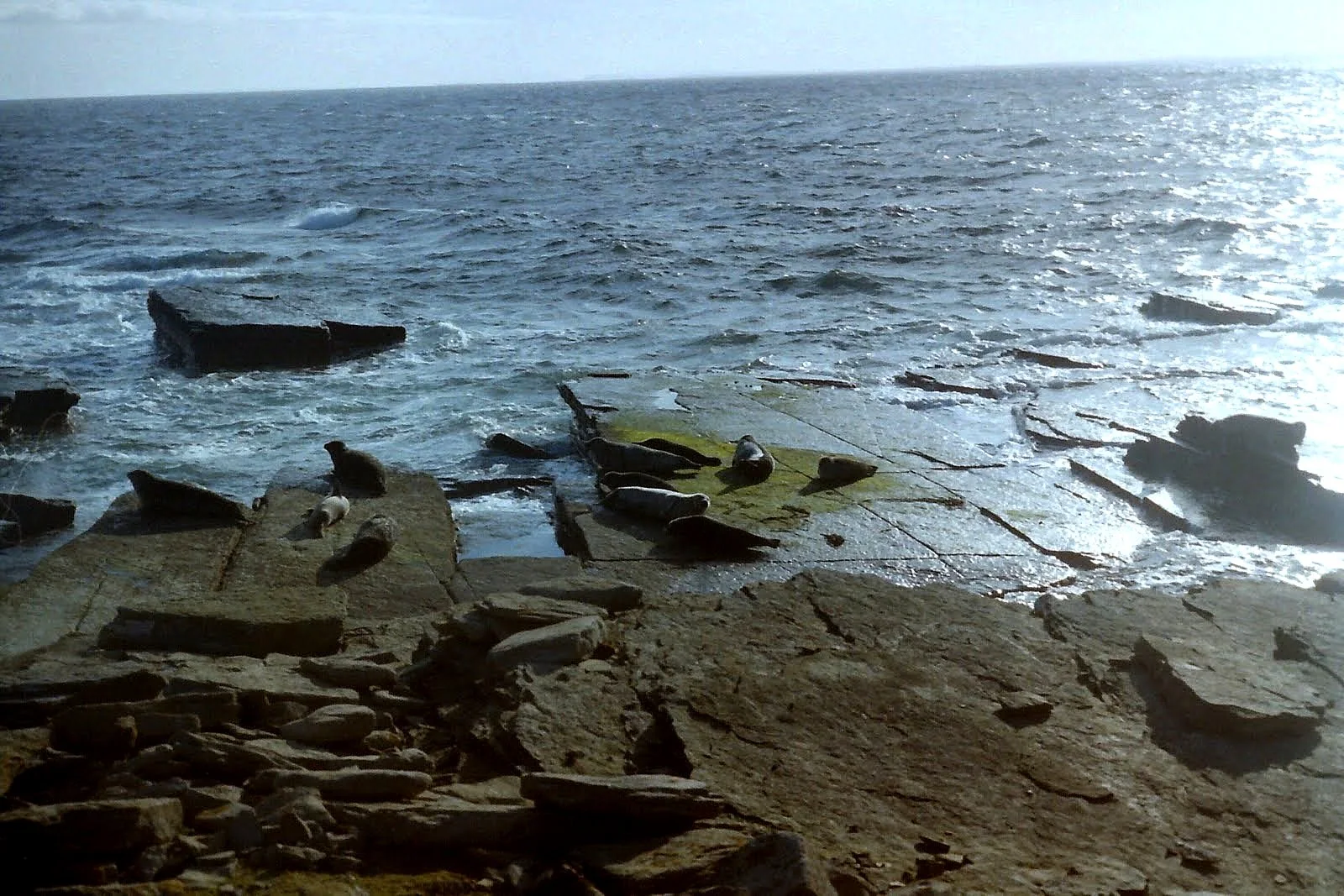
Selkies are seal people in northern Scottish island folklore: beings who can live as seals in the sea and appear as humans on land. Two especially revealing story patterns are the stolen seal-skin wife and the tragic father in The Great Silkie of Sule Skerry. They share a boundary between sea and land, but their plots are different.
The stories can be romantic, unsettling and mournful at once. Calling them simply tales of beautiful women who marry fishermen misses both the male selkie and the coercion in the stolen-skin story.
Why is the seal skin important?
In “The Mermaid Wife,” printed in George Douglas’s 1901 Scottish Fairy and Folk Tales, an inhabitant of Unst finds seal people dancing on shore. When they rush for their skins and the sea, he takes and hides one skin. Its owner cannot return home.
She asks for it back. He refuses and offers marriage instead. Years later, one of their children finds the hidden skin and brings it to her. She immediately prepares to leave, embraces her children, and returns to the water. The story ends by revealing that she already had a husband in the sea.
The printed tale calls her a mermaid, but explicitly describes a seal transformation. Historical labels do not always line up neatly with today’s categories of mermaid and selkie.
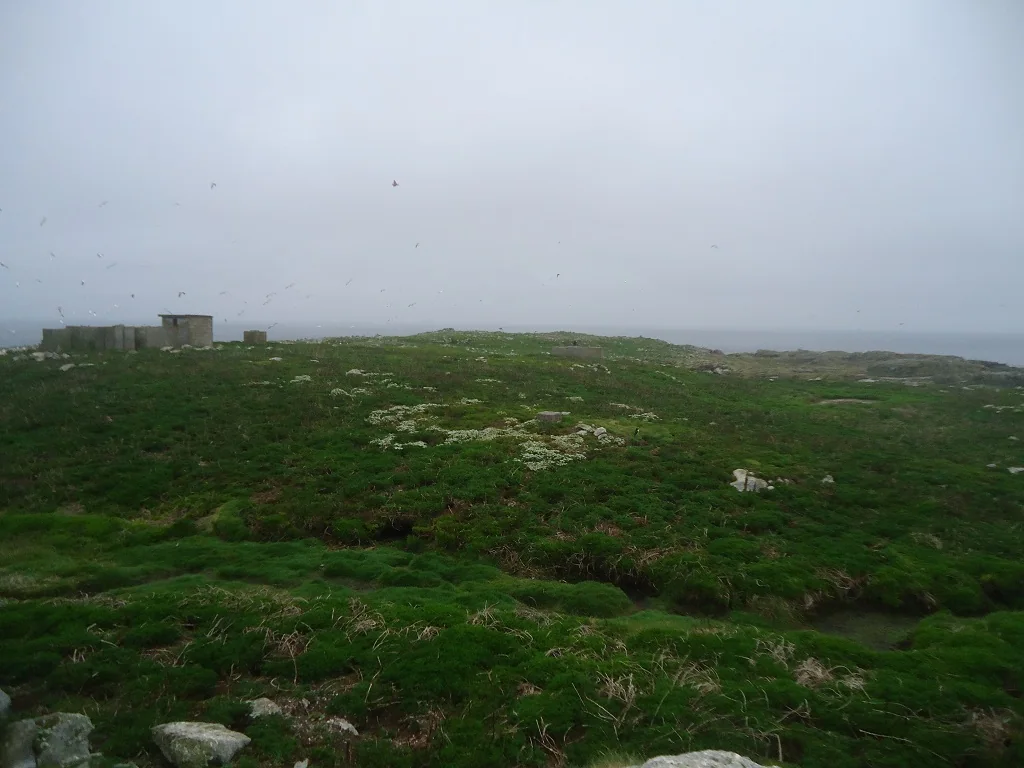
Sule Skerry, the island named in Child’s ballad. This modern landscape photograph supplies geographical context. Source. Michael Earnshaw. CC BY-SA 2.0. Resized and converted to WebP.
Is the seal-wife story a love story?
It contains a marriage and a husband’s longing, but its opening depends on captivity. The woman cannot choose freely while the means of returning home is hidden from her. Reading that loss of choice is an interpretation grounded in the sequence of events, not an added modern plot twist.
Her departure also has a cost. She leaves children on land while returning to an earlier life at sea. The tale allows more than one attachment to exist, even though they cannot all be satisfied in one place.
That tension is stronger than a simple moral about an unfaithful wife or an evil sea creature. The hidden skin controls mobility, identity and the possibility of leaving. Once she recovers it, the arrangement imposed on her ends.
What happens in The Great Silkie of Sule Skerry?
Francis James Child’s collection preserves this ballad as number 113. A woman nursing a child does not know the father’s identity. He appears and explains that he is human on land and a seal in the sea, with a home at Sule Skerry.
He gives her money and says that he will take their son. He also predicts a grim future: the woman will marry a gunner who will shoot both the selkie and the child. The supernatural father is not the predator of the stolen-wife story. He is part of a family headed toward a foretold loss.
The short text in Child’s collection does not contain every verse heard in later performances. A recording can add words, repeat sections or use a later tune. Its musical arrangement should not automatically be dated to the oldest surviving lyric.
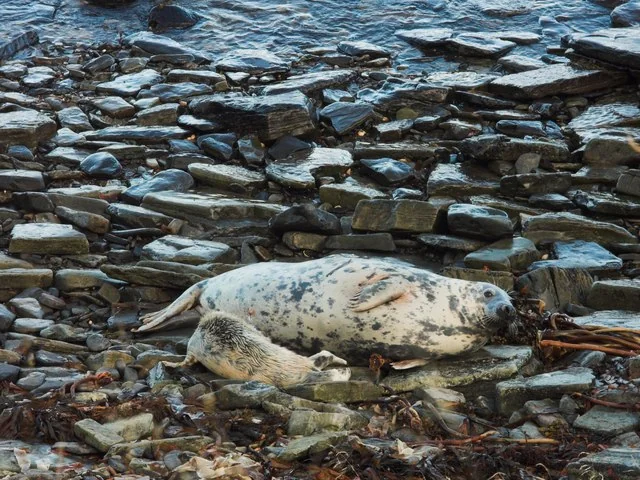
A grey seal and pup at Gairsay, illustrating the animal form central to selkie tales. Source. Jerry Evans. CC BY-SA 2.0. Resized and converted to WebP.
Are all selkies women?
No: the Great Silkie is a father. This matters because the popular seal-wife image can make the tradition seem narrower than the sources show. Transformation supports stories about motherhood, fatherhood, divided families and violence as well as stories about marriage.
Ordinary seal photographs help establish the coastal setting, but they are not evidence of transformation. The photographs accompanying this article show actual seals and islands; the supernatural events belong to the narratives.
How are selkies different from kelpies?
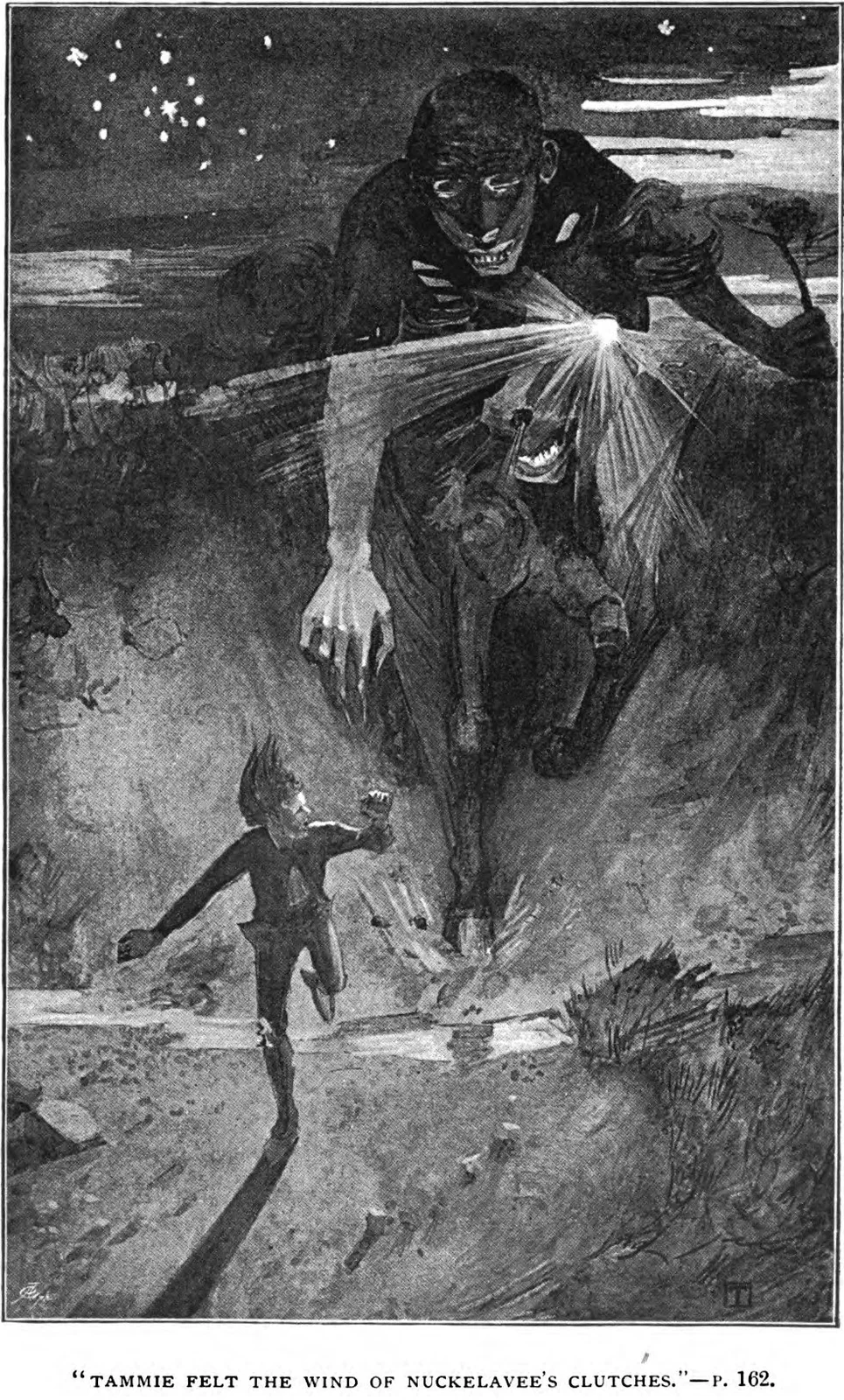
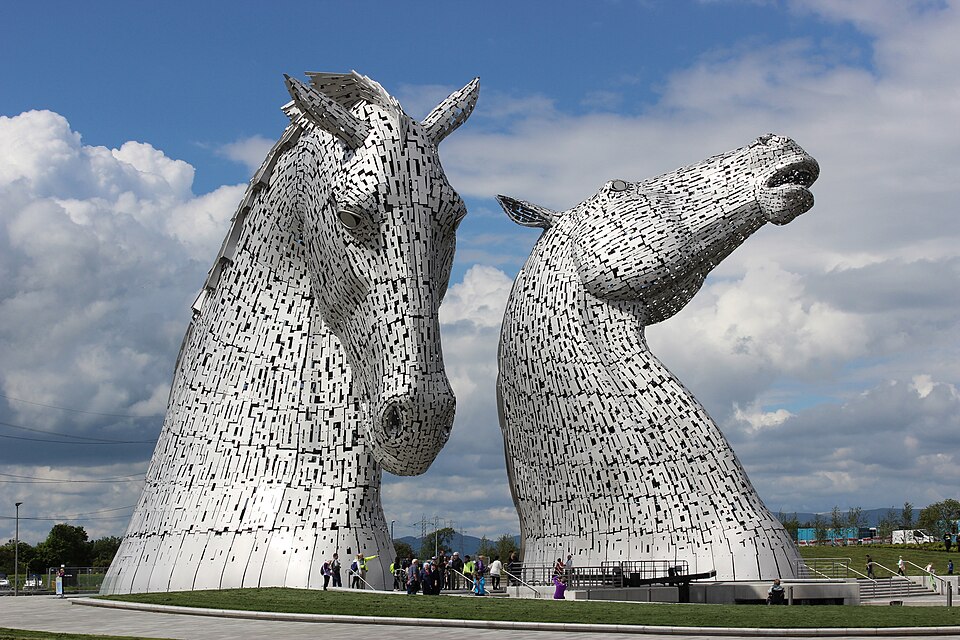
A kelpie is associated with a dangerous water horse, while the selkie’s defining animal form is a seal. The nuckelavee is another distinct figure, with a monstrous horse-and-human appearance in the recorded Orkney account.
Read these traditions beside one another and the coastline becomes more than a backdrop for attacks. It is also the border between homes, bodies and kinds of belonging. In the two selkie texts discussed here, the hardest question is who gets to cross that border—and who is left behind.