Lore & Explained
Draugr Explained: The Norse Undead Before Skyrim
Meet the returning dead of Grettir's Saga: Karr's burial mound, Glam's haunting and the curse that survives the fight. Compare saga lore with fantasy.
Topics: Draugr, Norse Folklore, Grettir's Saga, Undead
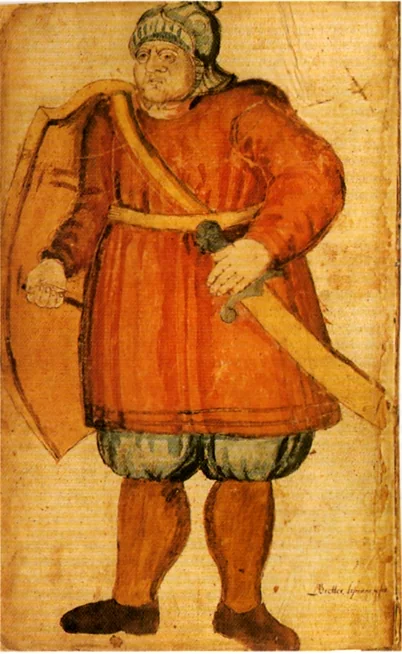
A draugr is an undead figure in Old Norse tradition: a returning dead person who can have a physical body, formidable strength and a dangerous attachment to a place. The plural is draugar. Modern fantasy often turns the term into a class of dungeon enemy, but saga encounters are more individual and narratively complicated.
Two episodes in Grettir’s Saga make a good introduction. Karr guards a burial mound and its possessions; Glam haunts a farm and leaves the hero with a curse. These are literary accounts of revenants, not verified reports of the dead returning.
Is a draugr a ghost or a zombie?
Both comparisons help only up to a point. Ghost may suggest something intangible, while the saga’s returning dead can seize, wrestle and damage buildings. Zombie can suggest an infectious outbreak or a mindless crowd, neither of which explains these particular episodes.
The dead retain names, histories and motives. Karr’s continued presence affects the living ownership of an island. Glam speaks at the moment of defeat and directs a curse at his opponent. Their identities are part of the threat.
The English text discussed here is Eiríkr Magnússon and William Morris’s nineteenth-century translation. Its words barrow-wight, ghost and barrow-dweller reflect translation choices. They should not be treated as a modern game’s precise taxonomy.
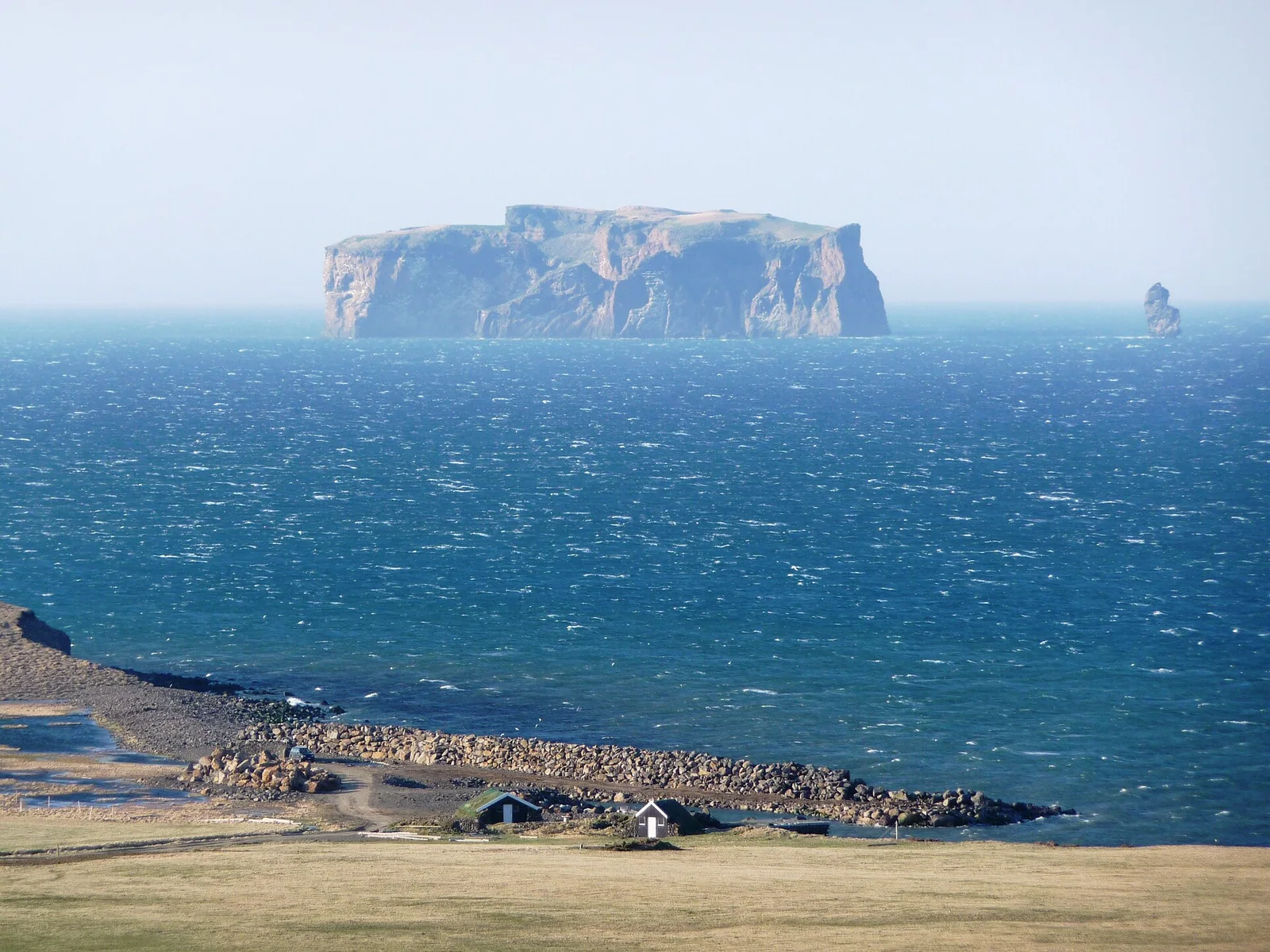
Drangey in northern Iceland, associated with the wider Grettir saga; not the location of the two encounters discussed here. Source. JD554. CC BY-SA 3.0. Resized and converted to WebP.
What happens in Karr’s burial mound?
In chapter 18, Grettir learns of a mound containing Karr the Old. The dead man’s haunting has driven other farmers away, benefiting his living son Thorfinn. That detail connects supernatural violence to ordinary control of property.
Grettir breaks into the mound and finds a seated body, treasure and animal bones. When he tries to leave with the riches, the dead man attacks. Their struggle is a close physical contest in a confined space. Grettir defeats the revenant and brings the treasure out.
This is not simply a heroic rescue of helpless strangers. Grettir has entered a grave and taken its contents despite being warned. The story entangles courage with appetite for wealth and reputation. His victory does not automatically make every decision leading to it prudent.
Why is Glam more frightening?
Glam’s return devastates Thorhall’s farm. When Grettir chooses to confront him, the danger is already visible in damaged doors, wrecked furnishings and the death of Grettir’s horse. The setting prepares the reader for a force that occupies domestic space as violently as a battlefield.
In chapter 35, the two wrestle through the hall and out of the doorway. Moonlight falls on Glam’s face. Grettir, normally celebrated for strength and courage, is overwhelmed by the sight of his eyes.
Glam then predicts disaster for him: his strength will not grow as it otherwise might, his fortunes will worsen, and solitude and darkness will become terrifying. Grettir destroys the body, but the narrative does not grant him a clean escape from the encounter.
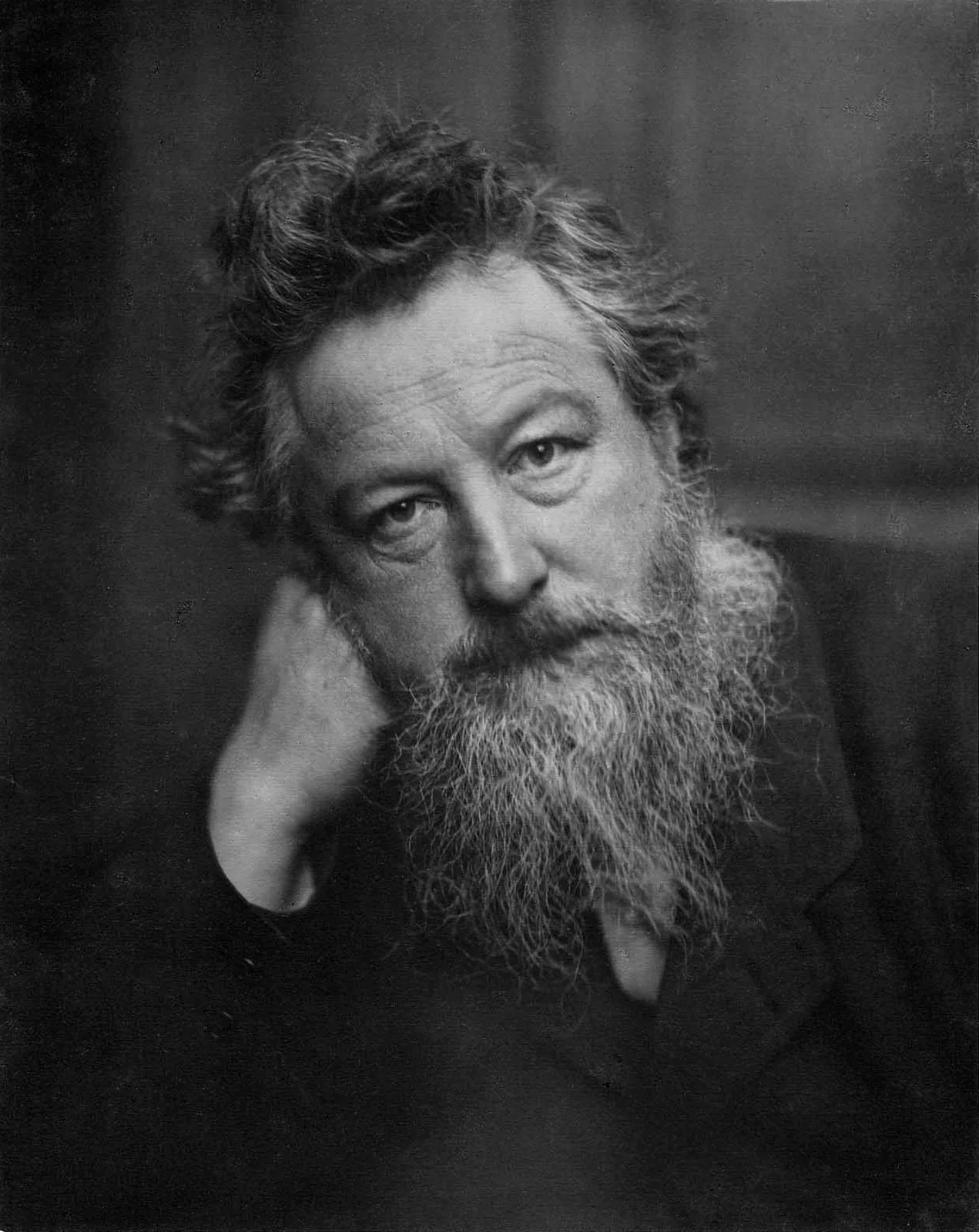
William Morris, co-translator with Eiríkr Magnússon of the English saga edition used here. Source. Frederick Hollyer. Public domain. Resized and converted to WebP.
Does killing the revenant end the haunting?
The farm’s immediate danger ends, but Grettir’s fear remains. That separation is the episode’s most effective idea. A person can win the fight and still carry its consequences.
The curse also links a supernatural scene to the wider saga of an outlaw’s difficult life. It is not merely an explanation for how an enemy attacks. It changes how the reader understands what follows and how the hero experiences being alone.
For a different tradition in which the returning dead trouble a household, compare vampire folklore before Dracula. The comparison is useful without assuming that every corporeal revenant is a vampire.
What belongs to Skyrim, and what belongs to the sagas?
A modern game’s armor styles, enemy levels and combat mechanics are part of its own design. The older material supplies a broader idea of formidable returning dead, sometimes tied to burial places and possessions. It does not supply one universal roster of interchangeable undead soldiers.
Read the Karr and Glam episodes as stories about particular people. That preserves the ambiguity, social consequences and lasting fear that disappear when the draugr is reduced to a generic monster. For another northern tradition with a very different relationship between body and identity, see the seal people of selkie folklore.