The Index
Celtic Grave in Senden: What the Jewelry and Animal Bones Show
A Celtic woman's burial in Senden contained bronze ankle rings and lamb or goat remains. What the Bavarian archaeology establishes, and why the ritual remains uncertain.
Topics: Senden, Celtic Burial, Archaeology, Bavaria, Grave Goods, Animal Offering
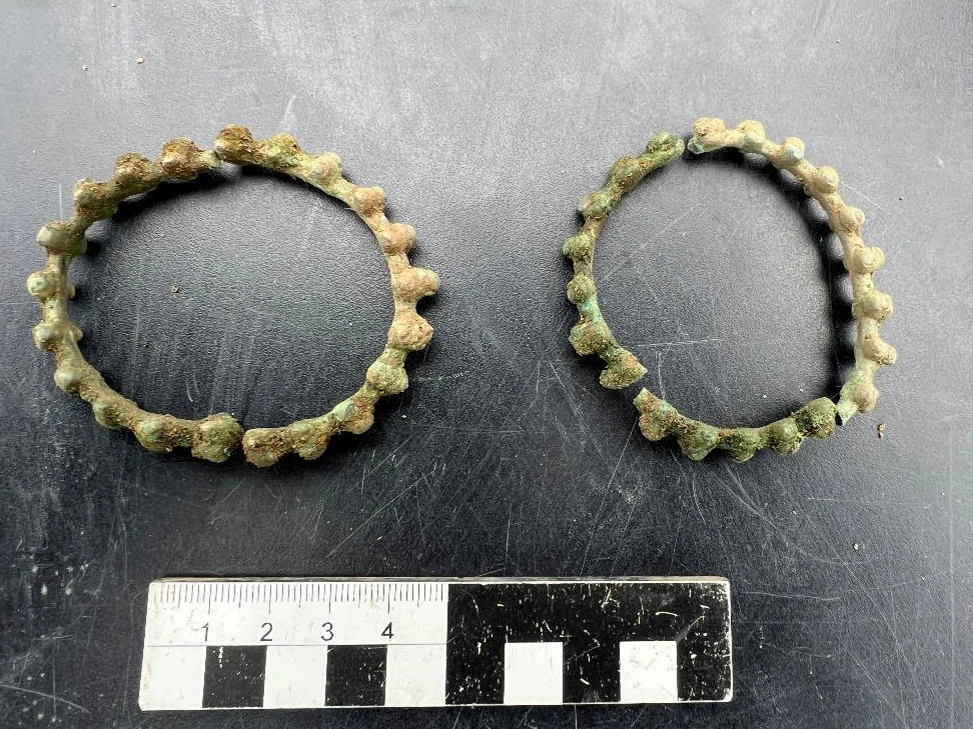
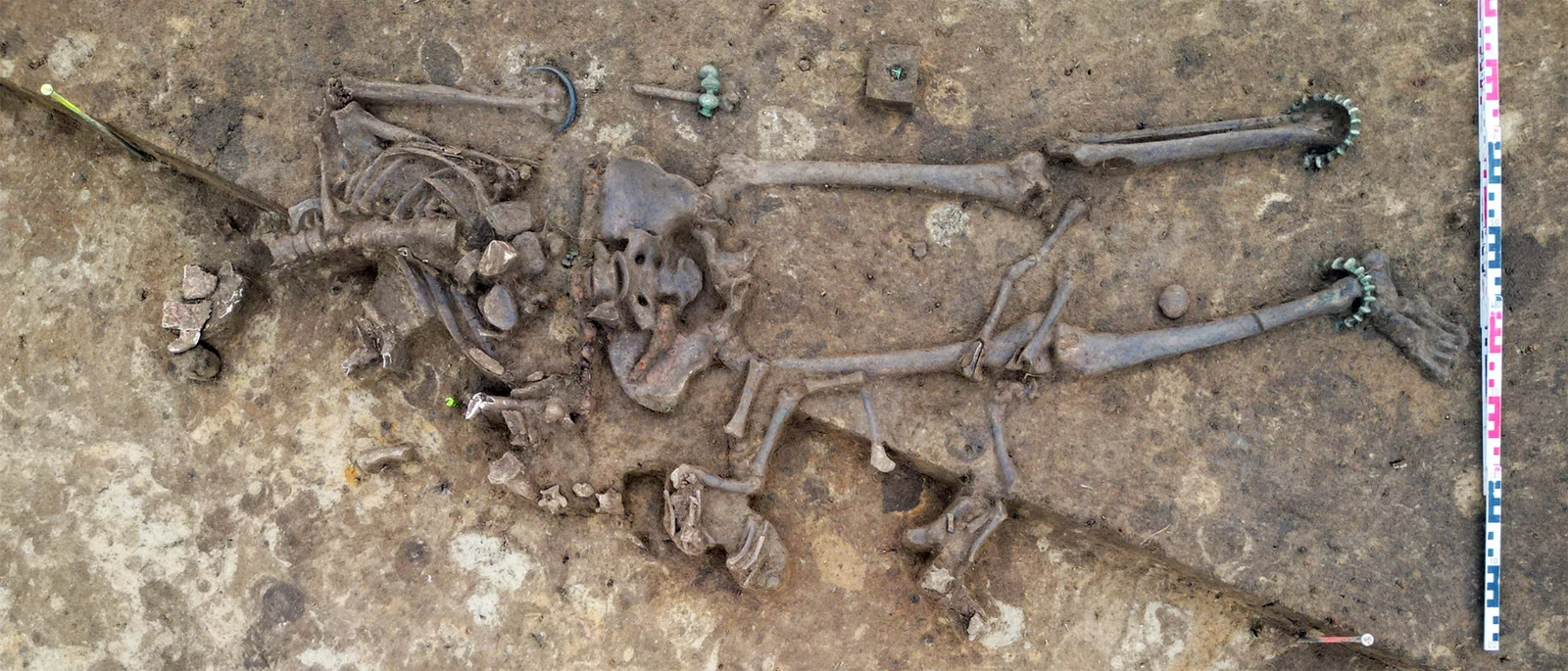
A Celtic woman’s grave in Senden, Bavaria, contained substantial bronze ankle rings, a dark stone bracelet and the remains of a lamb or young goat. The Bavarian State Office for Monument Preservation, or BLfD, describes the animal remains as a food offering. That identifies an archaeological interpretation; it does not settle the woman’s beliefs or the exact reason the animal was placed with her.
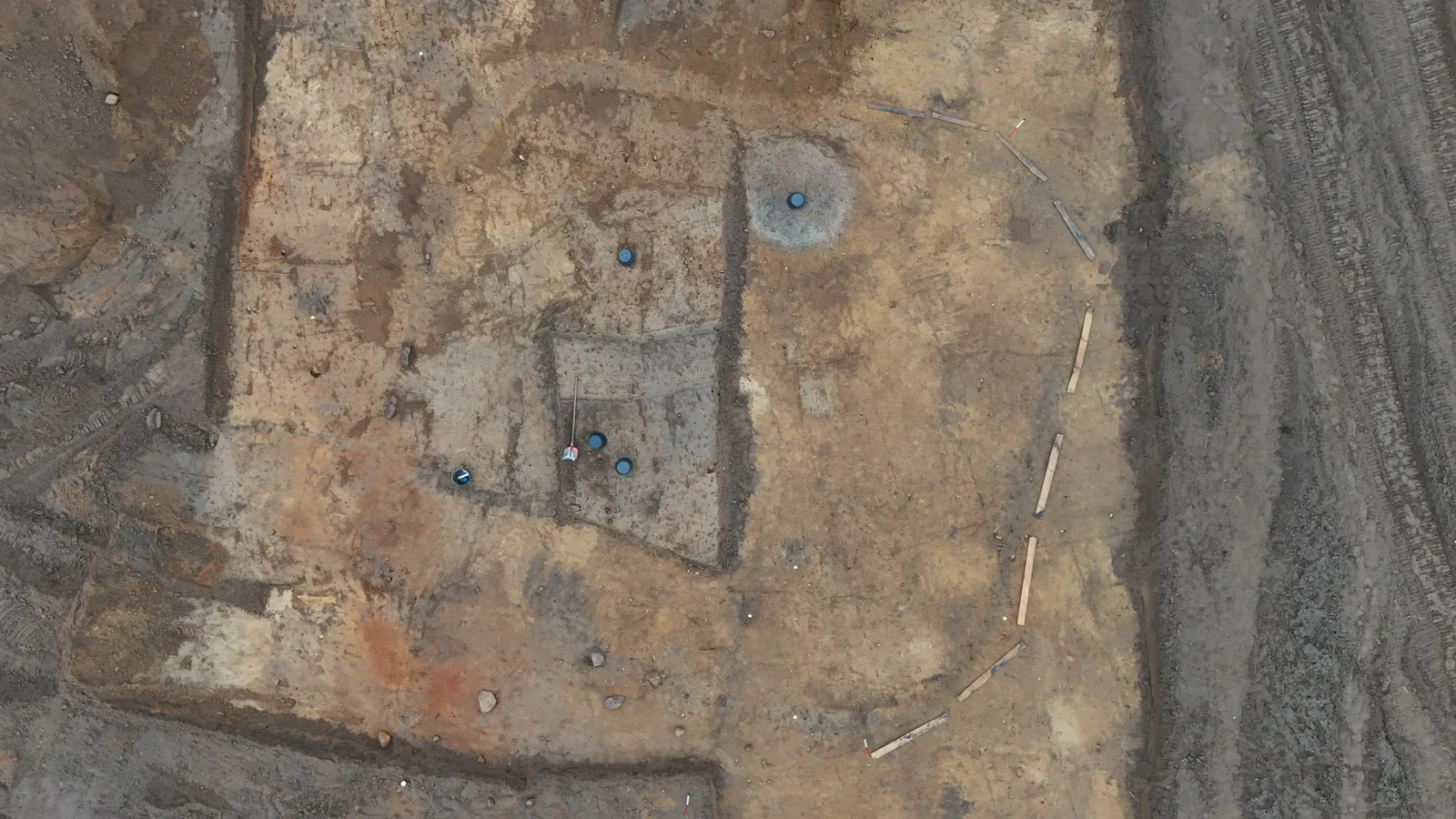
The burial was discovered in 2024, at St.-Florian-Straße in a planned commercial development. It returned to attention during the October 30–November 1, 2026 Archäologie in Bayern conference in Senden.
What was found in the grave?
The BLfD’s original conference notice names heavy bronze foot rings and a bracelet made from sapropelite, a fossil, organic-rich sedimentary material. The authority also supplied a photograph of two rings with raised, knot-like decorations.
A November 1 followup from Arkeonews places the burial at approximately 250 BCE, around 2,300 years ago. The official notice is less precise, describing a grave more than 2,000 years old. The approximate date should not be read as an exact year of death.
The ornaments show what accompanied the burial. Rich grave goods may inform an interpretation of social standing, but they do not independently establish a personal name, a particular office or a royal title.
Why were animal bones beside her?
BLfD uses the term Speisebeigabe, a food offering, for the remains it describes as lamb or kid goat. Arkeonews reports that excavation leader Matthias Leicht considers those two animals the likely possibilities, while the precise species remains unresolved.
The same report discusses other possible meanings, including a ritual offering or a personal connection between the woman and the animal. Those possibilities should remain hypotheses. Neither the official notice nor the followup establishes that this was her pet, or reconstructs a specific ceremony.
What remains unknown?
The published material does not identify the woman or give a cause of death. It raises questions about burial customs, religious ideas and social relationships, without answering all of them.
BLfD places the grave within a wider excavation landscape containing settlement traces from the Celtic period through the Roman imperial era. The burial belongs to that local history. A single grave cannot stand in for every community described as Celtic.
More evidence-led coverage is collected in our dark history archive.