The Index
Steplag After 1956: What the Terekty Gulag Archaeology Shows
Bottles dated 1959–1961 and a witness account raise questions about Terekty after Steplag's closure. Here is what the archaeology establishes and what remains unresolved.
Topics: Steplag, Terekty, Gulag, Kazakhstan, Soviet Repression, Archaeology, Kengir
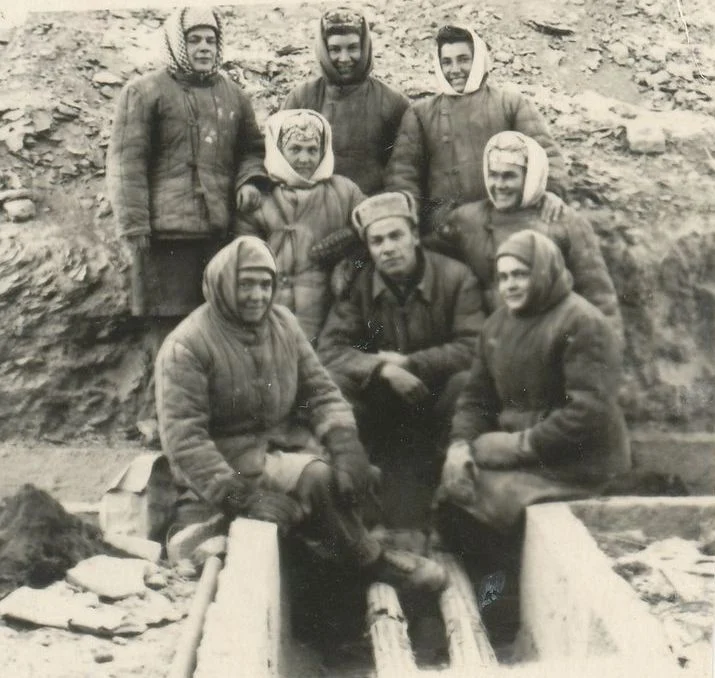
Steplag was officially dissolved in 1956, but findings at Terekty raise a narrower question: what happened at this camp site afterward? Bottles dated 1959–1961 establish later activity. Whether prisoners were still detained there requires more evidence than the objects alone provide.
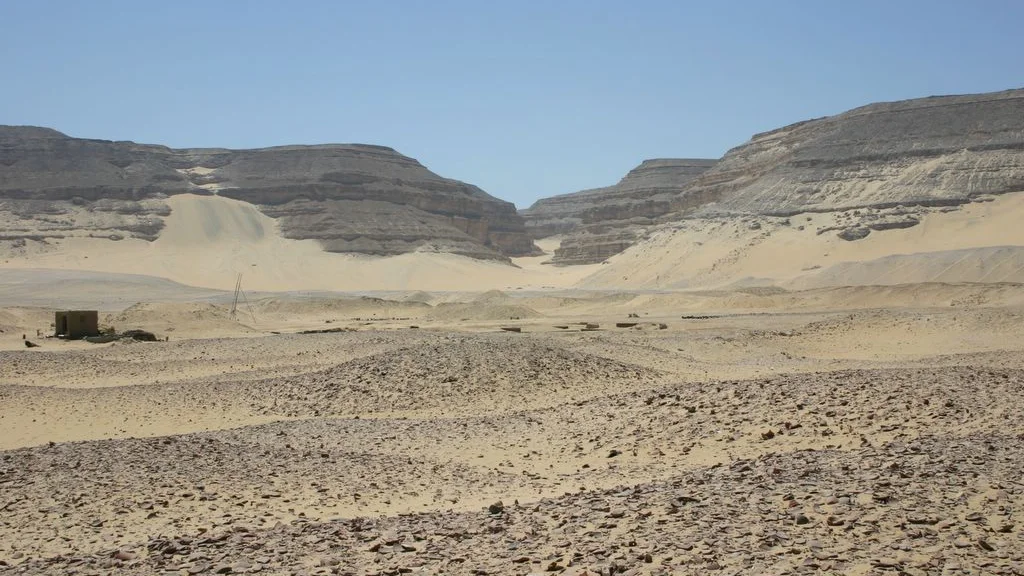
The research concerns Terekty, near Zhezkazgan in Kazakhstan. Archaeologists from the University of West Bohemia and Gulag.cz described their work in September 3 expedition announcements. A November 2 Arkeonews report revisits the findings with additional information from Gulag.cz. The excavation was already being reported in September; it was not announced for the first time today.
What survives at Terekty?
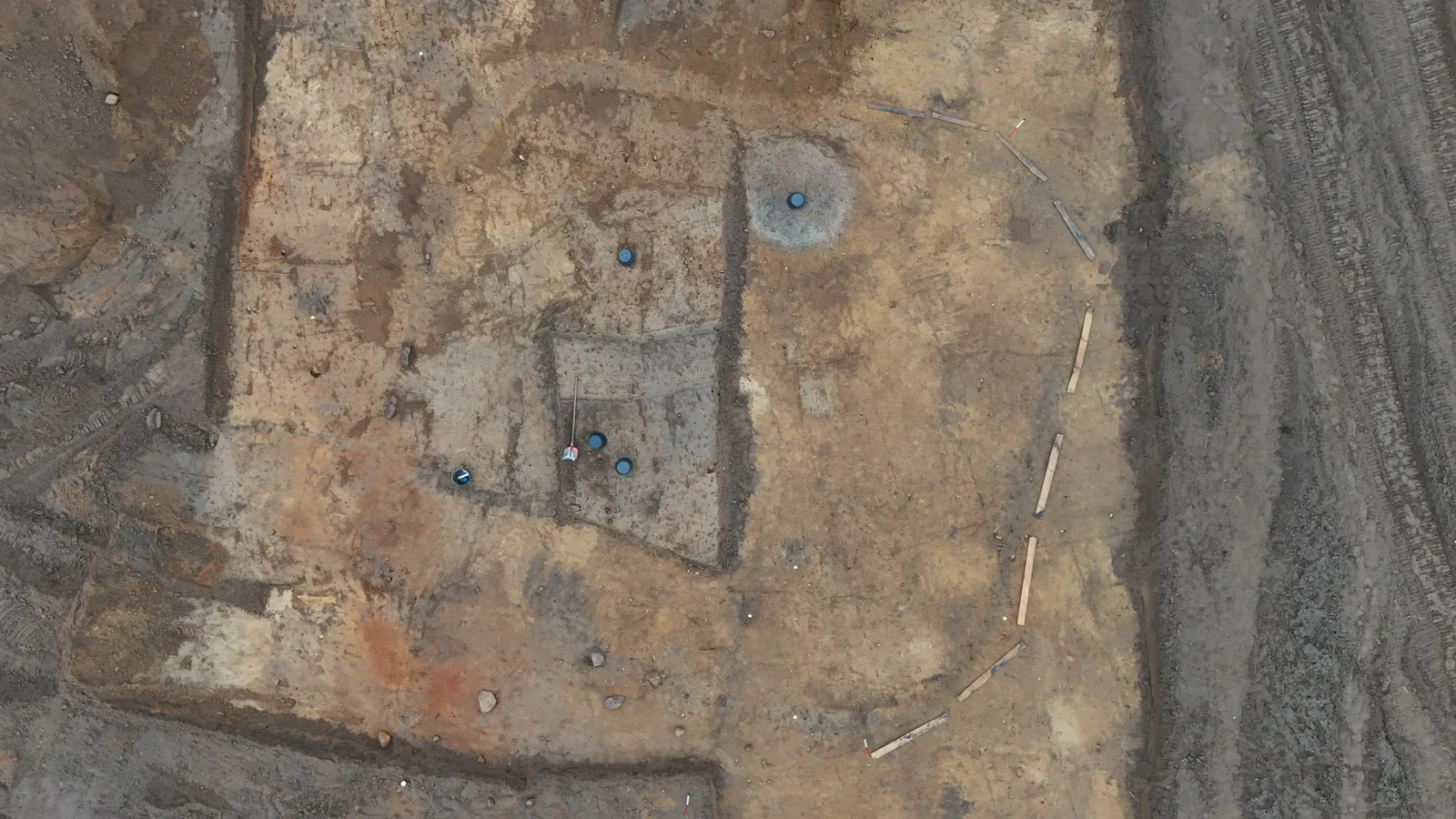
The university reports remains of women’s and men’s compounds, barracks, guards’ accommodation, administrative buildings, a forced-labour area and a cemetery. This gives researchers a surviving landscape to compare with documents and recollections.
Arkeonews describes three rows of perimeter fencing, a lighting label dated 1951 and spent cartridge cases beneath former watchtowers. The cartridge cases are physical evidence of discharged ammunition. Their discovery does not identify a victim, the person who fired, or the circumstances of any particular shooting.
The evidence for use after 1956
| Evidence | What it can tell us |
|---|---|
| Bottles dated 1959–1961 | Objects from later years were present at the site; their dates do not identify who used them. |
| Mizambaj Bralin’s recollection | A witness remembers women prisoners after moving to Terekty in 1959. It remains testimony to investigate. |
| Administrative closure in 1956 | The formal end of Steplag under that name; the subsequent use of individual buildings needs separate reconstruction. |
Gulag.cz’s expedition account presents Bralin’s recollection as a reason to investigate whether confinement continued under another administration. It should not be flattened into a claim that the archaeology has already established an uninterrupted prison chronology.
Arkeonews reports that Černoušek is consulting historians in the Baltic states and comparing former prisoners’ accounts. According to that report, those accounts have not yet independently corroborated detention at Terekty after 1956. That leaves an open historical question, rather than a confirmed closing date of 1961.
Steplag was more than one surviving site
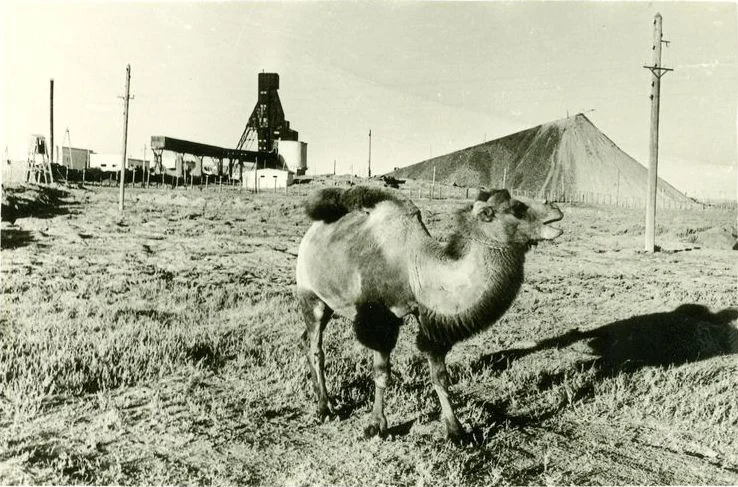
The GULAG History Museum’s archived conservation project concerns another part of Steplag’s material heritage near Zhezkazgan. It documents a 2018 aerial survey of administration buildings, barracks, a medical station and the wall separating male and female zones. It also records prisoners’ labour in mining, construction and industrial development.
That earlier conservation work provides context for the expedition team’s description of the Terekty project as an authorized archaeological investigation including excavation. Surveys, excavation, administrative records and oral histories contribute different kinds of evidence.
For more documented investigations of the past, browse Dark History or the A–Z Index.
Sources & further reading
- University of West Bohemia — primary expedition announcement, September 3, 2026
- Gulag.cz — expedition account, September 3, 2026
- Arkeonews — November 2 report, with additional information from Gulag.cz chairman Štěpán Černoušek
- GULAG History Museum archive — Memorialization of Steplag’s Heritage
- Kaunas 9th Fort Museum via Wikimedia Commons — political prisoners at Kengir, archive provenance and license
- Kaunas 9th Fort Museum via Wikimedia Commons — copper mine near Kengir, 1955, archive provenance and license
- Creative Commons Attribution 4.0 — license for both archive photographs