News
Toronto Police Identify Derek, a Man Found Dead in 1992
Genetic genealogy gave Toronto police a name. Fingerprints confirmed that the man found near Queen and Church in 1992 was Derek, who had been reported missing.
Topics: Toronto, Project 31, Derek, Forensic Identification

Toronto Police announced on November 11, 2026, that a man found near Queen Street East and Church Street in 1992 had been identified as Derek. Genetic genealogy gave investigators a name to check. A fingerprint comparison confirmed it. The police announcement gives only his first name and says his death was not suspicious.
Why the missing person report didn’t lead to him
On September 15, 1992, emergency crews responded to a report of an unresponsive man on a church lawn in downtown Toronto. They could not revive him. He had no identification with him. Investigators checked missing person records and his fingerprints at the time but found no match, a detective told Global News.
Derek had moved from the United Kingdom to Toronto in the 1970s. His lawyer reported him missing in December 1993, nearly 15 months after the man was found. Police did not connect the reports at the time. They later closed the missing person case after receiving a date on which Derek was understood to have died. Police say that was the date he was declared legally dead, not a record of his actual death. Police say there was no official record of when or where he had died.
What the DNA suggested, and what fingerprints confirmed
Police selected the case for genetic genealogy in 2025. A DNA profile was uploaded to genealogy databases in January 2026. The closest matches were distant, but they suggested a connection to the United Kingdom. Investigators spent months following that lead before identifying Derek as a possible match. See also JonBenét Ramsey DNA: Why Police Are Cautious About New Tests.
The police then located his fingerprints in another country. Comparing them with the fingerprints from the 1992 case confirmed his identity. Police did not identify the country that supplied those records. They notified Derek’s family in the UK. In the identification of Willie Blanton Mills, genealogy also led to a name that could be checked against fingerprint records. See also Nashville Police Identify Toni Gordon in Cold Case.
What Project 31 is investigating
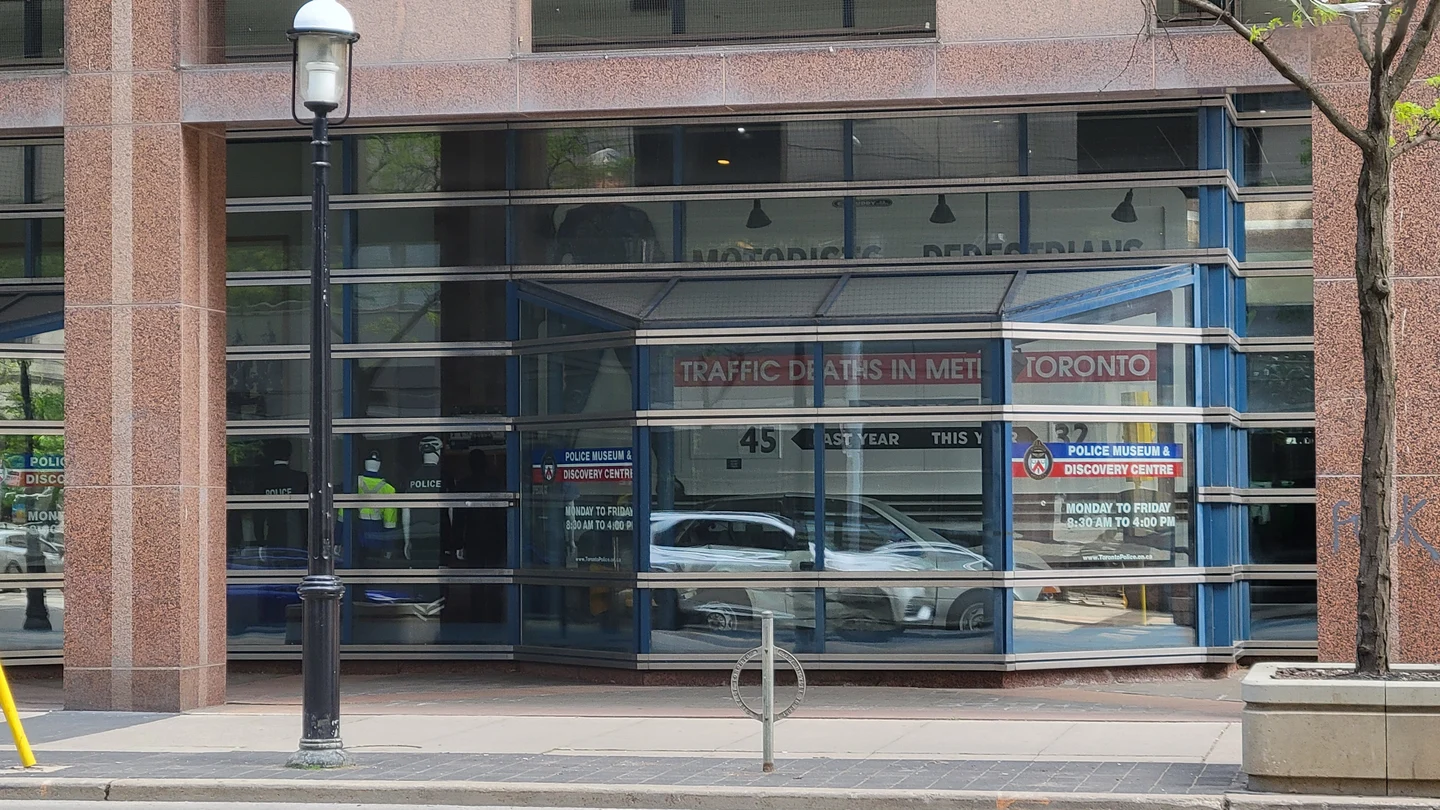
Derek’s was the 14th identification announced under Project 31, according to Toronto Police. The initiative began in 2022 and was named for 31 cases involving people who had died and remained unidentified, and for whom DNA was available. The project also takes on deaths police do not consider suspicious. In Derek’s case, the question left open for 34 years was his name.