Lore & Explained / Literature
The Colour Out of Space Explained: The Meteorite, the Well and the Ending
Does the Colour leave Earth? Examine the meteorite, Gardner farm, well and final remnant in Lovecraft's 1927 story, distinct from its film adaptations.
Topics: The Colour Out of Space, H. P. Lovecraft, Cosmic Horror, Ending Explained
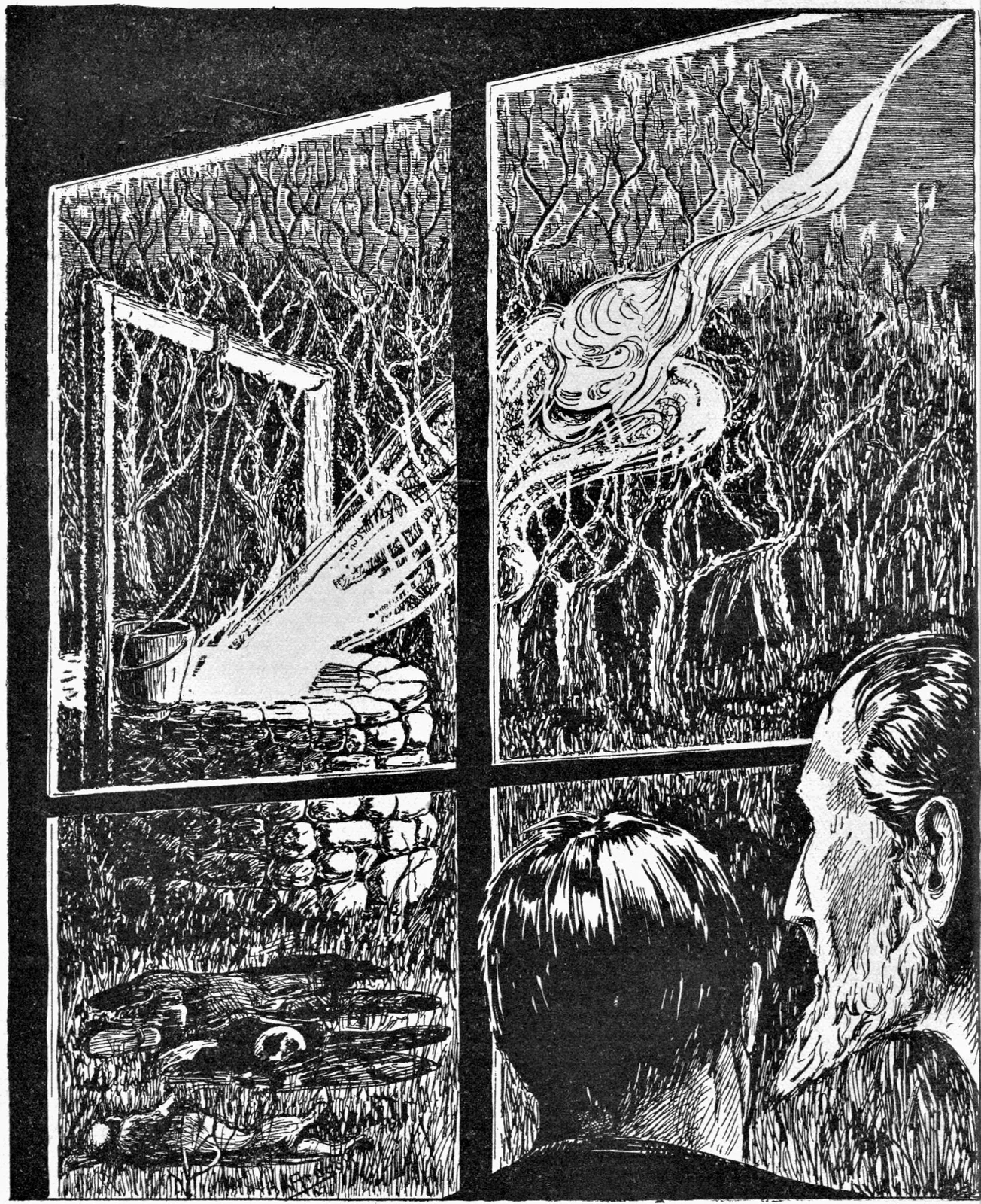
At the end of H. P. Lovecraft’s “The Colour Out of Space,” most of the strange presence rises from the Gardner farm’s well and disappears into the sky, but Ammi Pierce believes a remnant remains. The planned reservoir will cover the affected land, leaving the narrator worried about what may enter the water supply.
This guide explains the 1927 short story, including its ending. Film adaptations change characters, imagery and the sequence of events.
What arrives in the meteorite?
The meteorite falls on Nahum Gardner’s property and attracts scientific attention. Its material behaves strangely under examination, and an unusual globule contains a color that observers cannot fit within familiar categories. The remaining meteorite eventually disappears.
The story never supplies a conventional alien species with a complete biology. Its central presence is described through color, effects and behavior that resist classification. Calling it simply a purple monster makes something definite out of the very feature the prose treats as impossible to describe.
Visual adaptations must choose colors the audience can see. The written story can instead insist that the experience exceeds the available vocabulary. That difference between media is part of why the original remains distinctive.
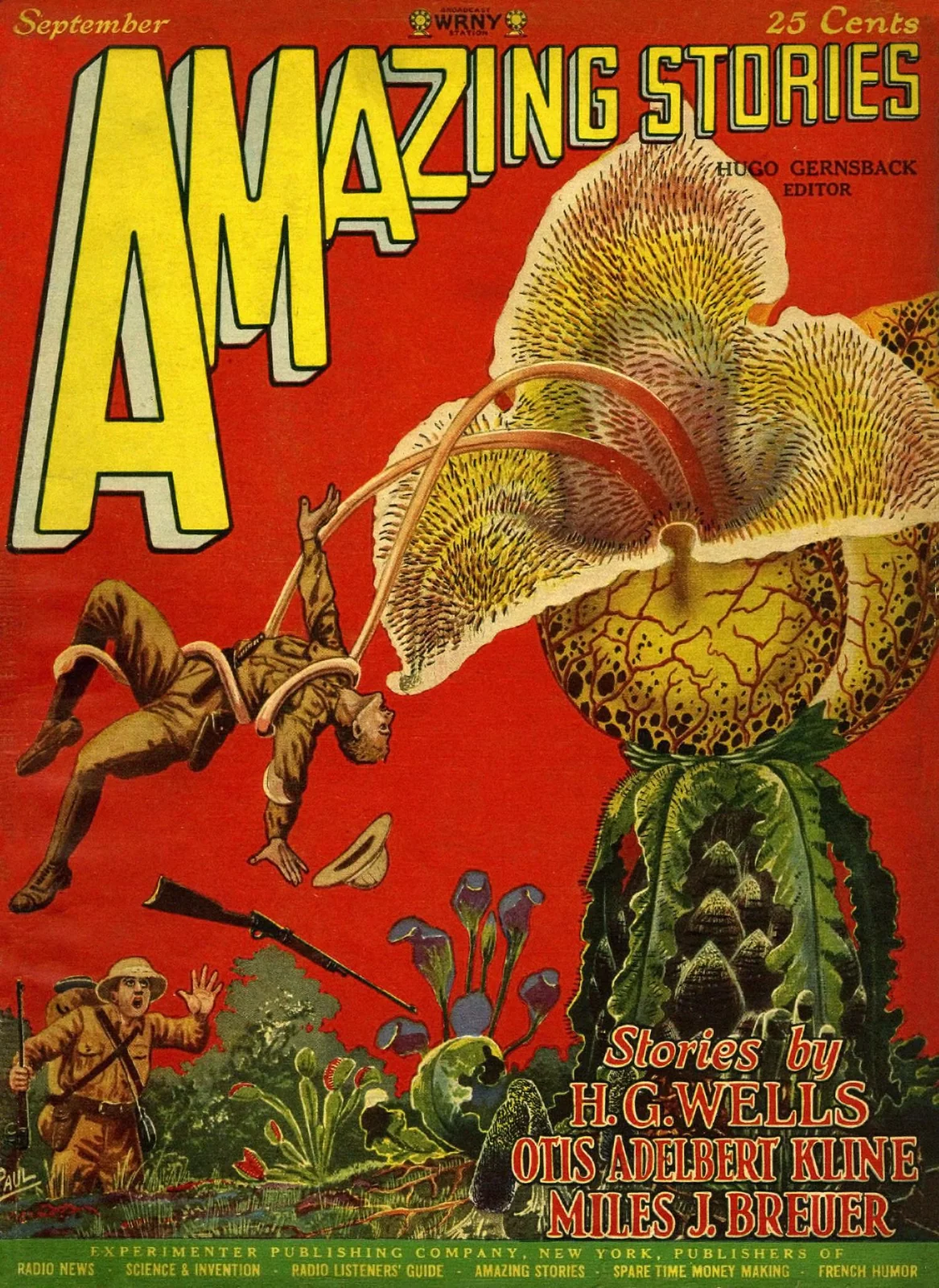
The September 1927 issue that printed the story. The cover’s giant plant is not a depiction of the Colour. Source. Frank R. Paul. Public domain. Resized and converted to WebP.
What happens to the farm?
The first changes can look like extraordinary fertility. Plants grow impressively, but their produce proves wrong in taste and quality. The apparent abundance becomes a warning rather than a gift.
The disturbance then reaches animals, people and the landscape itself. The Gardner family becomes increasingly isolated as physical deterioration and psychological distress spread. The farm’s resources no longer sustain its inhabitants in an ordinary way.
The original text gives the reader effects before a dependable explanation. The threat is understood through what it does to a familiar environment, not through a speech announcing its plans.
That makes the household tragedy inseparable from the land. Food, animals and water—the things that should make a farm livable—become sources of uncertainty.
Why is the well important?
The well concentrates the final events and the survivors’ attention. It is both a practical source of water and the place from which the extraordinary presence ultimately rises.
A well normally connects a household to something reliable beneath the surface. Here, that connection becomes frightening precisely because its contents cannot be inspected casually. The horror is not confined to a creature that can be locked out of a room.
The well also links the intimate scale of one family’s suffering to the larger question posed by the future reservoir. What affected a farm might be submerged beneath infrastructure intended to serve many people.

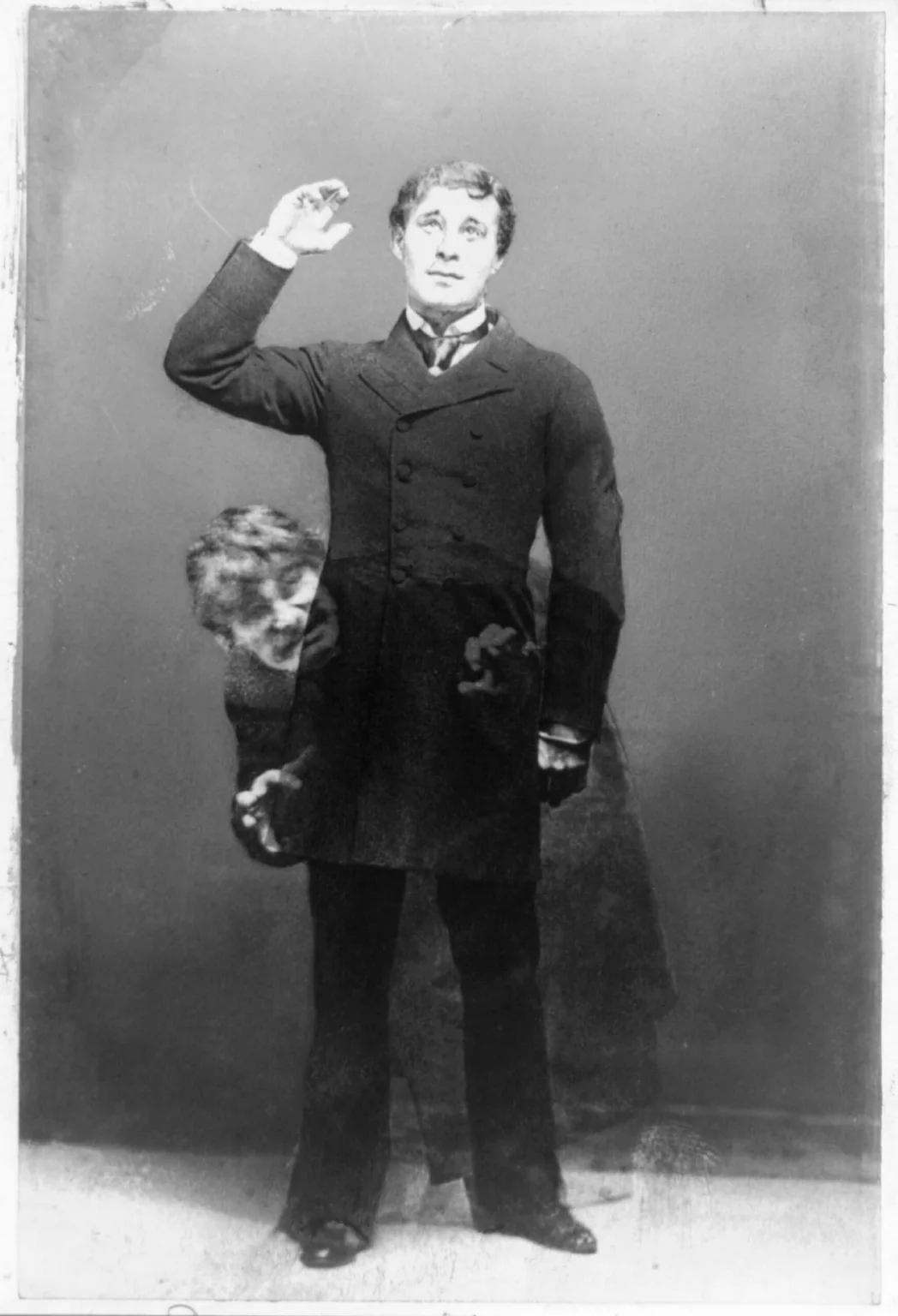
H. P. Lovecraft in a June 1934 portrait, several years after the story’s publication. Source. Lucius B. Truesdell. Public domain. Resized and converted to WebP.
Does the Colour leave Earth?
The climax describes a great upward movement of the strange light or presence. But Ammi sees—or believes he sees—a faint remnant rise and then sink back at the site. The narrator receives this account later, while surveying the area for the planned reservoir.
The distinction between narrators matters. The surveyor does not personally witness every event at the Gardner farm. He learns much of it from Ammi and must decide what to make of the remaining landscape and the story attached to it.
The ending therefore supports the fear that the danger persists without supplying a scientific measurement of exactly how much remains or what it will do next.
What is the blasted heath?
It is the damaged tract that marks the farm’s aftermath. Its lifeless, abnormal appearance gives the surveyor a reason to ask questions before he hears the full account. The story begins with a place that already looks wrong and works backward toward its explanation.
The planned flooding does not function as a demonstrated cure. Covering the visible scar might remove it from sight while leaving the underlying danger unresolved. The narrator’s concern about drinking the water extends that uncertainty beyond the final page.
Is the Colour evil?
It is devastating to the Gardners, but the text does not give it a human moral argument, revenge motive or bargain. Its incompatibility with earthly life is enough to produce horror. The family’s suffering does not require the presence to hate them personally.
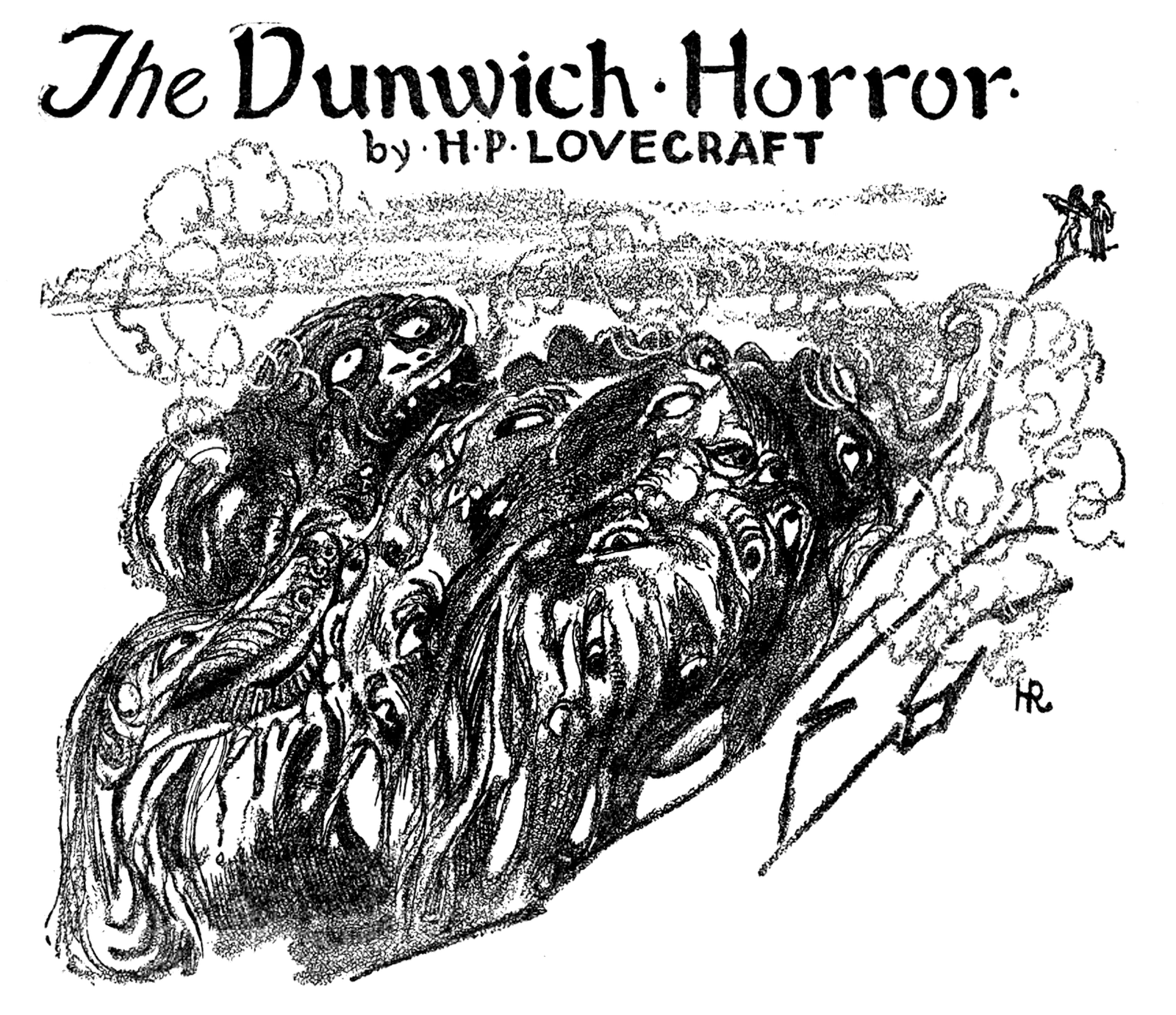
That separates it from the named parentage and occult plan in The Dunwich Horror. Both stories make human understanding precarious, but only one moves toward an explanation the protagonists can use to defeat the immediate threat.
For another ending in which an apparent conclusion leaves a disturbing uncertainty, compare the empty road in The Monkey’s Paw.