Lore & Explained / Literature
The Monkey's Paw Ending Explained: The Three Wishes and the Knock
What is the third wish in The Monkey's Paw? Follow the £200, Herbert's death and the unseen visitor, separating Jacobs's actual words from later additions.
Topics: The Monkey's Paw, W. W. Jacobs, Cursed Objects, Ending Explained
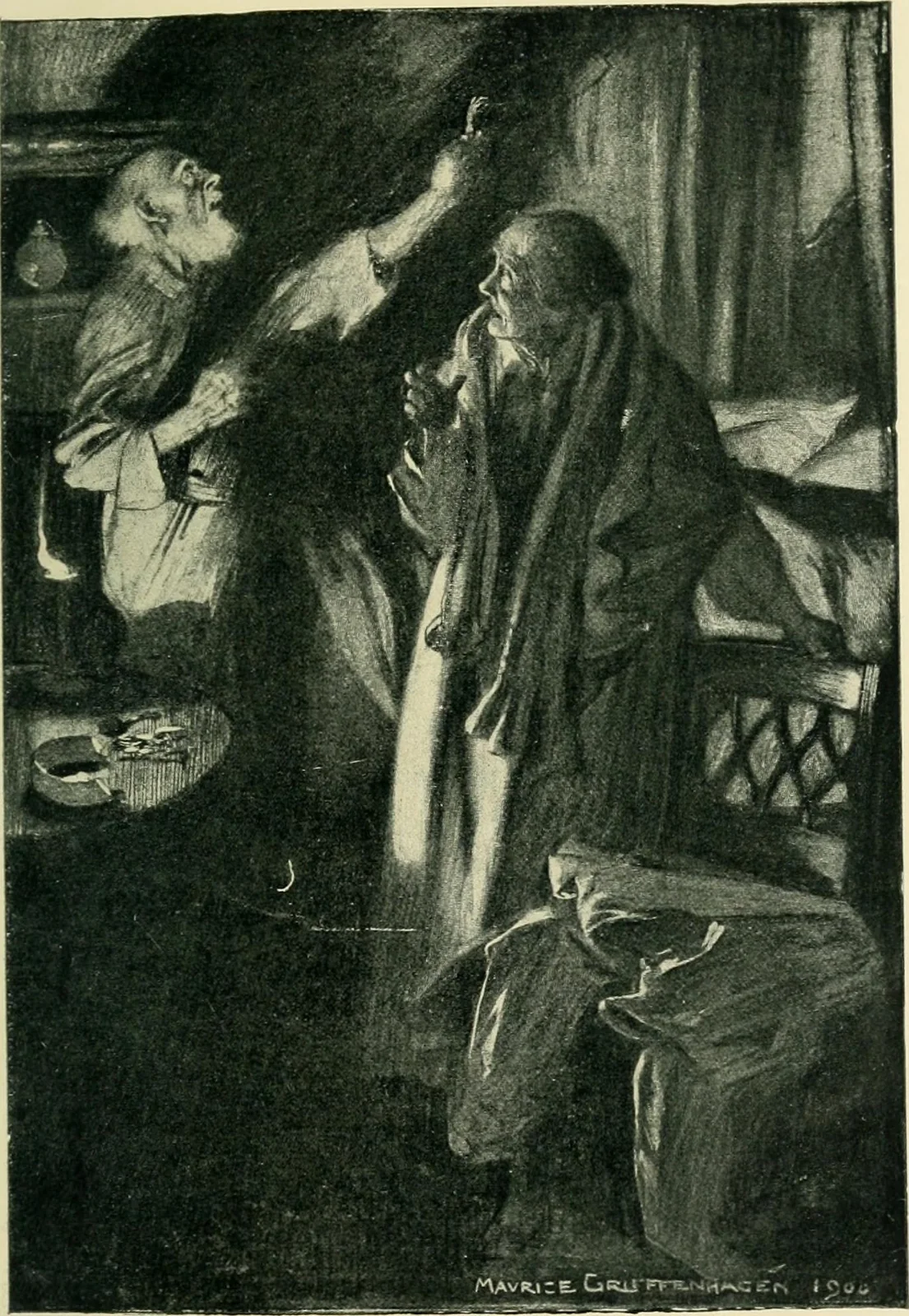
In “The Monkey’s Paw,” Mr White’s first wish brings £200 through his son’s death, the second asks for his son to return, and the third apparently prevents the thing knocking at the door from entering. W. W. Jacobs never states the third wish’s exact words and never shows the visitor. Those omissions are essential to the ending.
This guide explains the 1902 short story, with spoilers. Adaptations sometimes make the final visitor or final wish much more explicit.
What are the three wishes?
The White family receives the paw from Sergeant-Major Morris, whose account attributes its power to a fakir in India. That explanation belongs to a character’s story within the fiction. It is not evidence of a real religious practice or magical object.
| Wish | What the story shows afterward |
|---|---|
| £200 | Herbert dies in a workplace accident; the company offers the family £200 |
| Herbert alive again | A late-night knock is heard at the door |
| Unstated | Mr White wishes; the knocking stops; the door opens onto an empty road |
The table separates the wording we know from consequences that the characters and reader interpret. The third wish is the clearest case where an explanation should not invent a quotation.
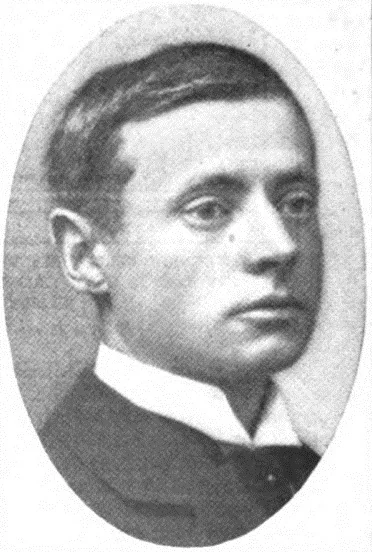
W. W. Jacobs, photographed by Elliott & Fry. Source. Elliott & Fry. Public domain. Resized and converted to WebP.
Does the paw really grant the first wish?
The amount of the company’s payment exactly matches the requested money. In the story’s supernatural reading, the wish is fulfilled through a devastating chain of apparently ordinary events.
Jacobs does not have a supernatural voice announce the transaction. A company representative arrives, struggles to speak, explains Herbert’s death and offers compensation while denying responsibility. The connection emerges through the amount.
That choice makes the scene more effective than a simple magical spectacle. The desired money remains recognizable as money, but its meaning has changed completely. What looked like a modest improvement to the family’s life becomes inseparable from loss.
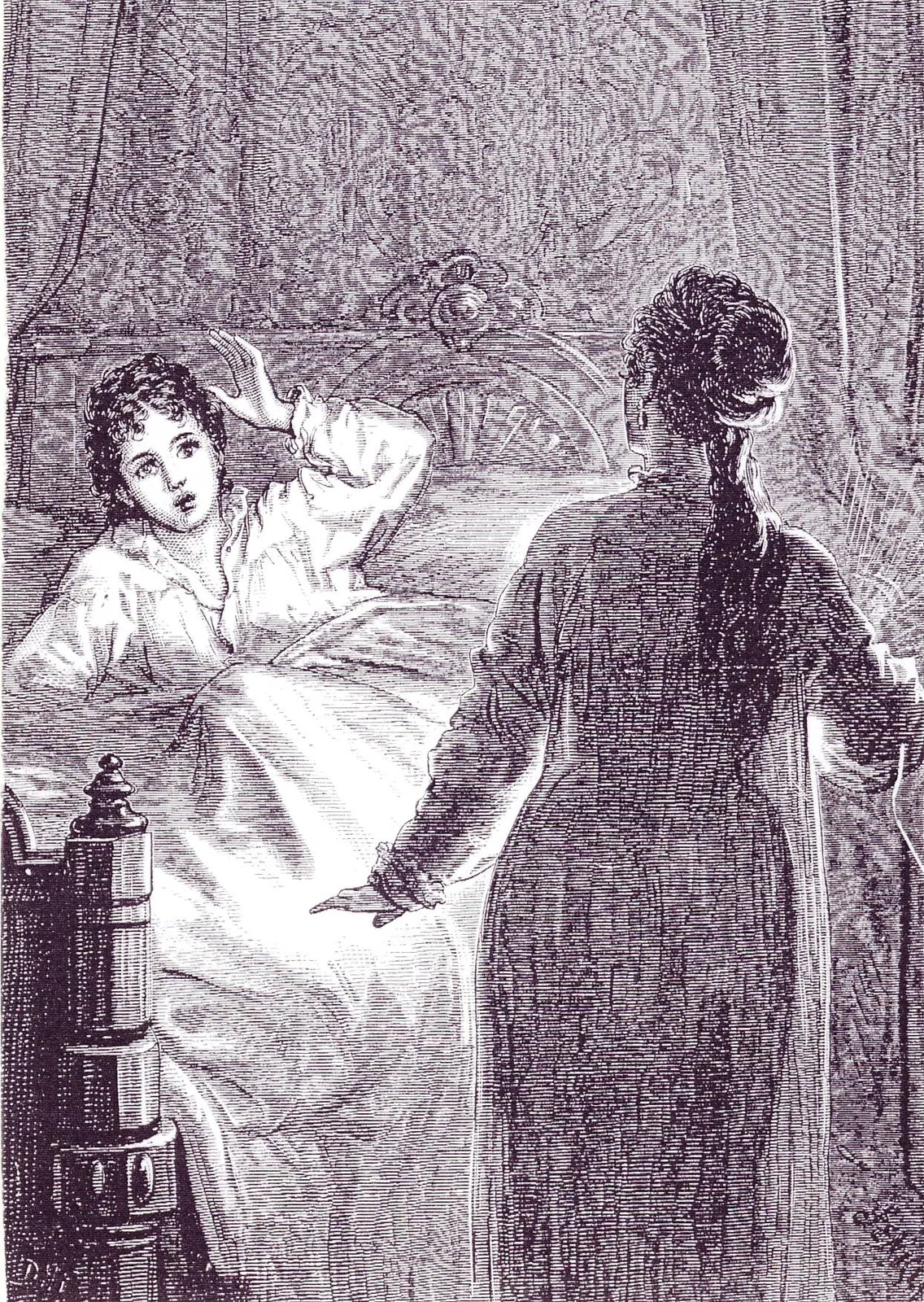
The original story places this event inside the family’s domestic life, so that the horror is measured by a changed household rather than a display of supernatural power.
Is Herbert outside the door?
The timing strongly encourages that inference: the knock follows the wish for his return. Mrs White believes her son is outside and tries to admit him. Mr White fears what returning after death might mean.
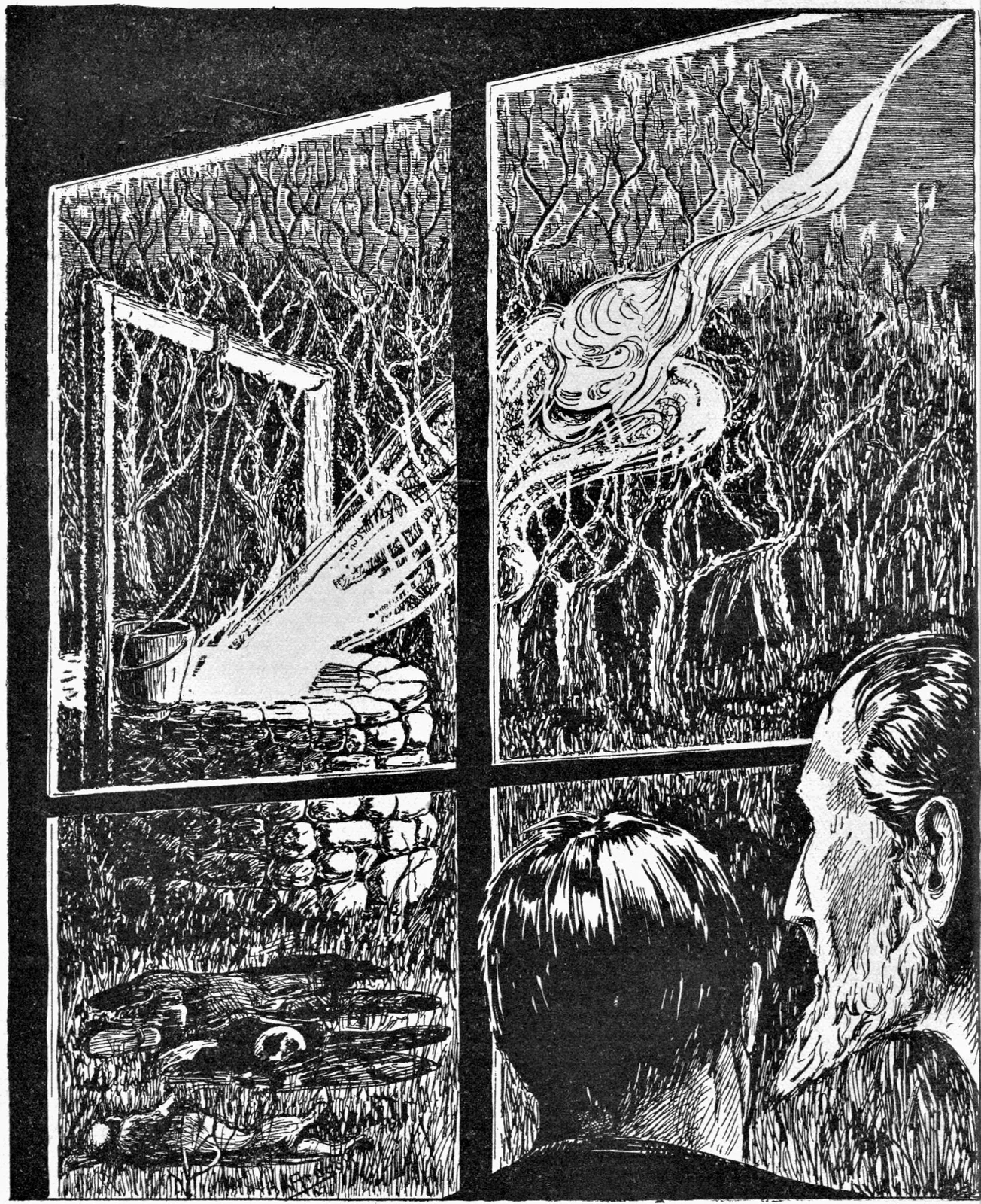
But the door remains closed while the knocking continues. The narrator does not show Herbert, describe a body on the doorstep or verify the visitor’s identity. Any detailed portrait of a corpse waiting outside is an adaptation or an imaginative completion by the reader.
The parents respond to the same sound with different hopes and fears. The unseen space beyond the door holds both possibilities until Mr White acts.
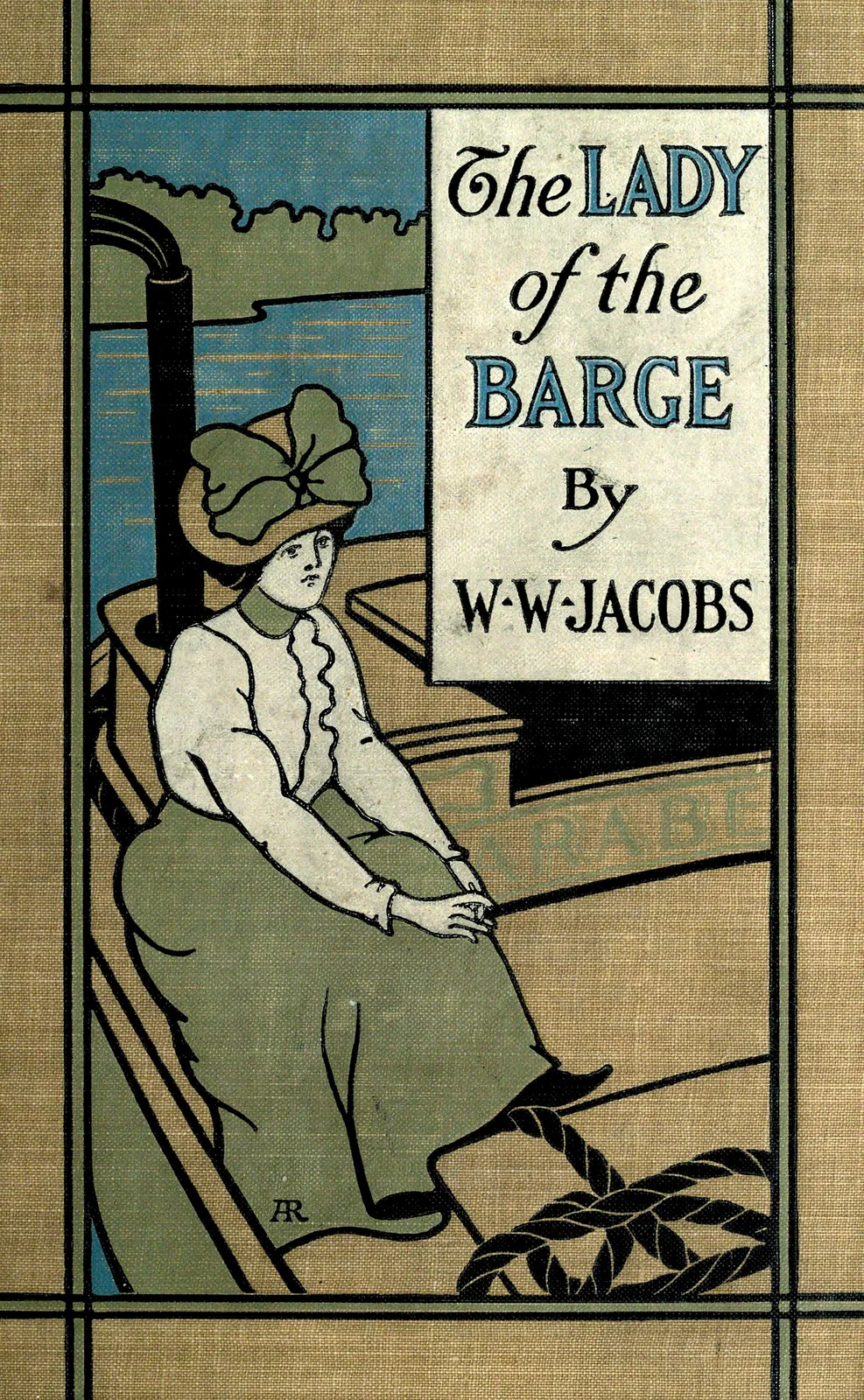
The Lady of the Barge, the 1902 collection containing The Monkey’s Paw. The cover illustrates the collection’s title story. Source. Maurice Greiffenhagen. Public domain. Resized and converted to WebP.
What was the third wish?
The story says that Mr White makes his third and last wish. It then gives the consequences: the knocking stops, Mrs White opens the door, and the road is empty.
The usual interpretation is that he wishes away the returned Herbert or reverses the second wish. That fits the sequence, but Jacobs withholds the wording. “I wish my son dead again” should therefore not appear in quotation marks as if it were a line from the original.
The uncertainty is about the exact request and unseen visitor, not about whether the narrative has reached a decisive action. Mr White chooses to stop whatever is happening, even while his wife wants the door opened.
Is the story saying that every wish is greedy?
The first request is relatively modest, and the second is driven by grief. The story’s cruelty lies partly in that difference. It does not need the family to demand kingdoms or immortality before a desire becomes disastrous.
Morris’s warning frames interference with fate as dangerous. The plot then tests that warning through people whose wishes remain emotionally understandable. Readers can recognize why the parents act without believing that they deserve what follows.
Why is the empty road the right ending?
A visible monster would settle what the parents were about to encounter. The empty road leaves the reader with a choice that cannot be checked afterward. Mr White may have prevented a horror, but the hoped-for reunion has also vanished.
That unresolved cost connects the story with the last scene of The Turn of the Screw, where an attempted rescue and a terrible outcome occupy the same moment. For the older folklore of a disturbing hand used as a charm, see the Hand of Glory.