Lore & Explained / Literature
The Picture of Dorian Gray Ending Explained: Why the Portrait Survives
Why does Dorian Gray die when he stabs his portrait? Explore the 1891 novel's ending, Basil's murder, Hetty Merton and the painting's final restoration.
Topics: The Picture of Dorian Gray, Oscar Wilde, Gothic Literature, Ending Explained
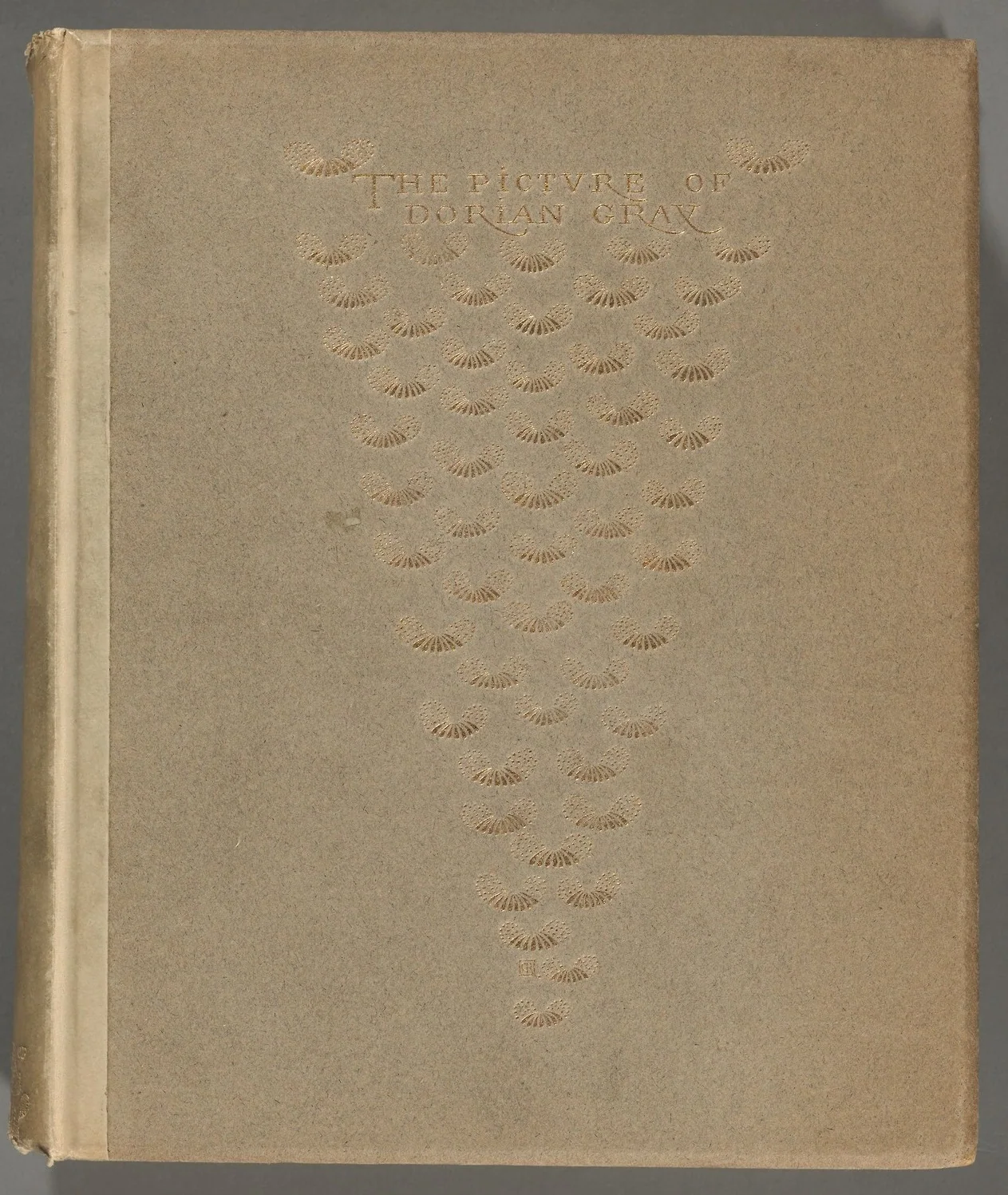
Dorian Gray dies when he stabs the portrait that has carried the visible consequences of his life. The painting becomes beautiful again, while his body takes on the age and corruption previously hidden in the image. The servants identify the dead man by his rings.
This explanation follows Oscar Wilde’s expanded 1891 book version of The Picture of Dorian Gray, with full spoilers. The earlier 1890 magazine text is a different version, and screen adaptations make further changes.
Why does the portrait change instead of Dorian?
When Basil Hallward paints him, Dorian becomes intensely aware that youth and beauty will pass. Under Lord Henry’s influence, he wishes that the portrait would age while he remained as he is.
The novel makes that wish effective without providing a detailed supernatural mechanism. There is no scene in which a visible Devil arrives to negotiate and sign a formal contract. Describing the plot as a literal on-page bargain with Satan adds a scene Wilde does not write.
The portrait becomes a private record that contradicts Dorian’s public face. Other people can continue to respond to his appearance while the hidden painting accumulates what he does not want them to see.
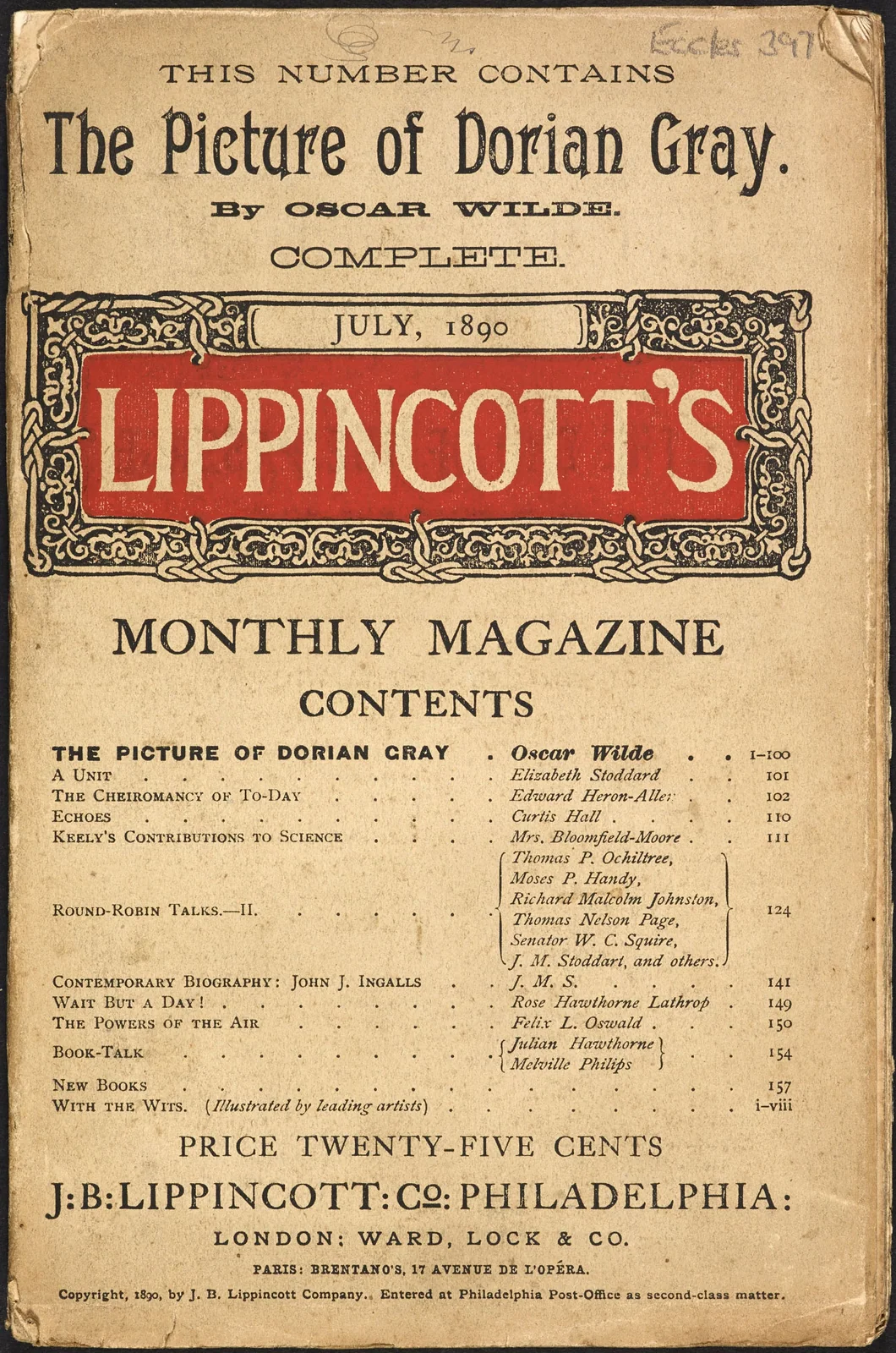
The earlier magazine version appeared in Lippincott’s in July 1890; it differs from the expanded 1891 novel. Source. Unknown artist. Public domain. Resized and converted to WebP.
What does Basil’s murder change?
Basil is both the artist and someone who still wants to believe in Dorian. When Dorian reveals the altered picture, the encounter brings creation, secrecy and moral judgment into the same room.
Dorian kills Basil rather than accepting the confrontation. The act makes his concealment more desperate and attaches a specific crime to the instrument later used against the painting. The same knife connects the destruction of the artist with the attempted destruction of the artwork.
The 1891 novel does not allow influence to erase agency. Lord Henry’s ideas matter, but Dorian repeatedly makes choices and conceals their consequences.
Does sparing Hetty Merton redeem him?
Near the end, Dorian imagines that abandoning his pursuit of Hetty might mark a new beginning. He checks the portrait for evidence that he has improved.
Instead, he sees a new expression of hypocrisy or cunning. The scene suggests that a supposedly good action may still be driven by vanity, curiosity or the desire to feel reformed. Dorian wants a visible reward for virtue while retaining control over how his past is judged.
That does not mean the novel provides a mechanical scoring system in which every good deed earns one repaired feature. The portrait exposes the inadequacy of his self-explanation rather than offering an easy route to cancel earlier harm.
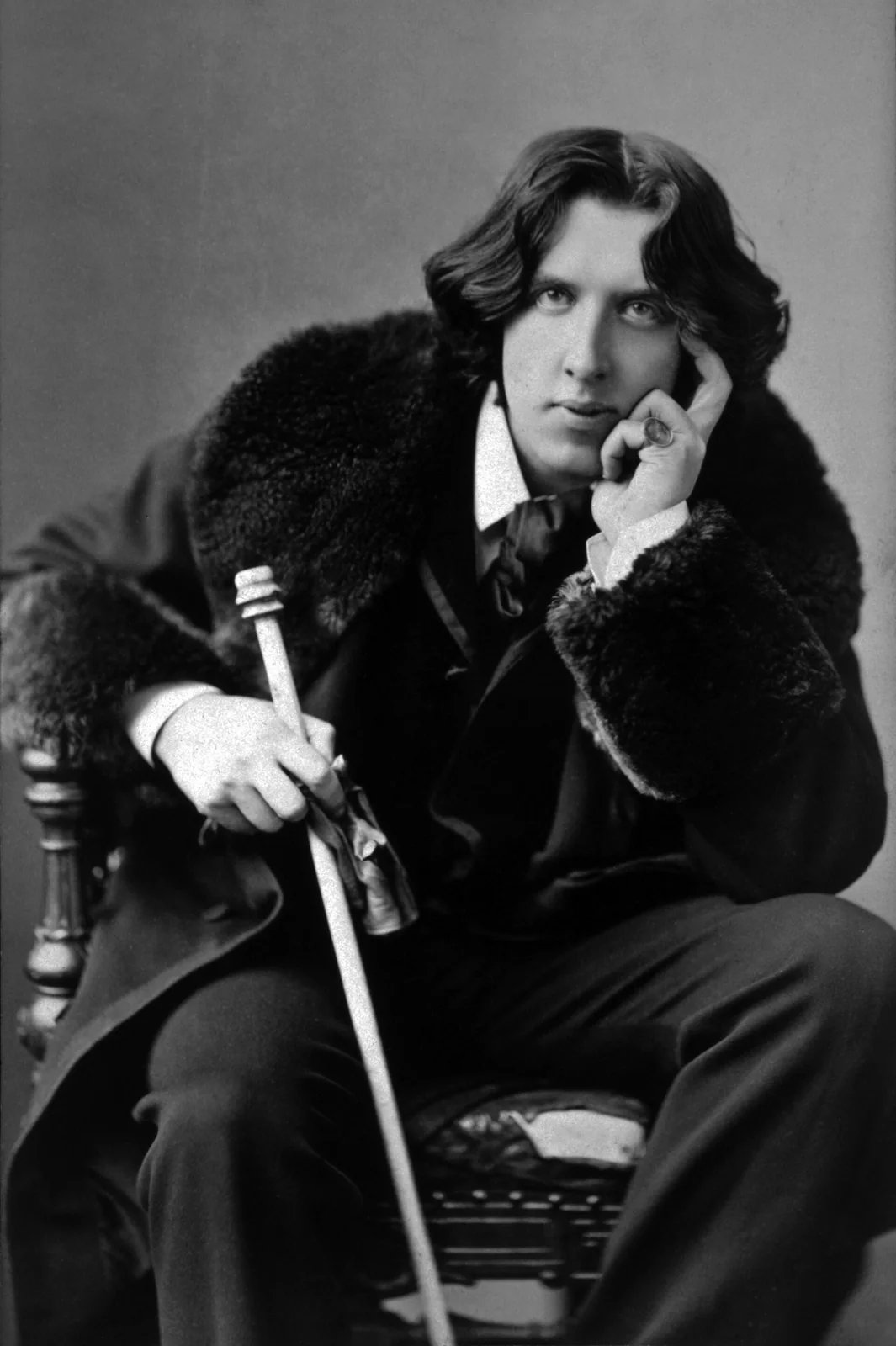
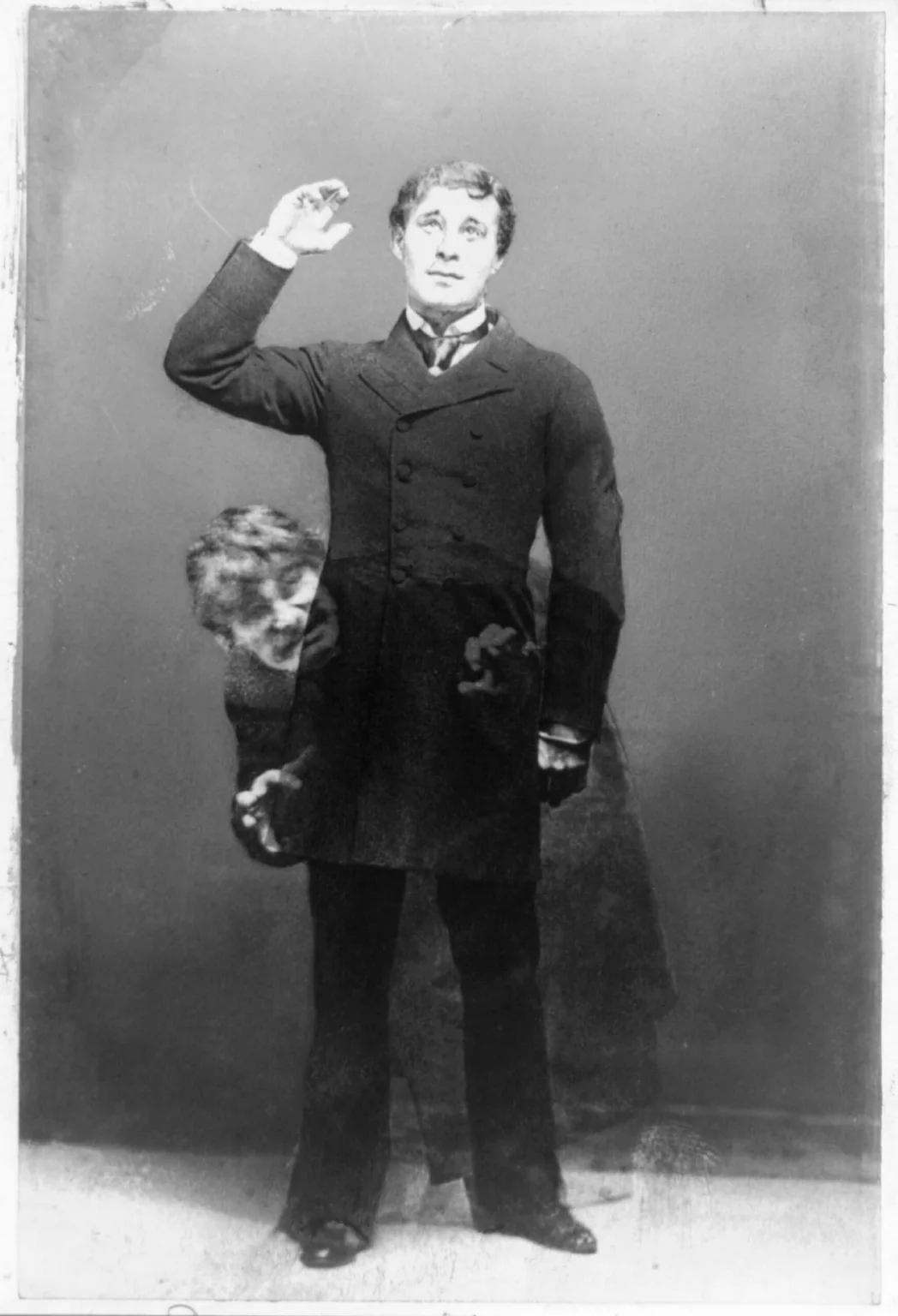
Oscar Wilde, photographed by Napoleon Sarony. Source. Napoleon Sarony. Public domain. Resized and converted to WebP.
Why does he stab the painting?
Dorian comes to see the image as an intolerable witness and a source of continuing fear. Destroying it appears to promise release from the past and from the conscience it embodies.
He uses the knife that killed Basil. The attack reverses the protection he has enjoyed: the painting recovers its original appearance, and the concealed damage returns to his body. The servants find a beautiful portrait and an aged, disfigured dead man beneath it.
The identification by rings makes the reversal concrete. His face, formerly the basis of recognition and admiration, can no longer tell the household who he is. An external possession supplies the identification his altered body withholds.
Is the ending suicide or supernatural punishment?
Physically, Dorian dies through the act directed at the portrait. He is trying to destroy the image and what it represents, not delivering a clearly stated plan to kill his own body.
The outcome can be read as supernatural punishment or as the final collapse of his attempt to separate appearance from consequence. The novel does not require a visible judge to announce that interpretation. The exchange between body and picture enacts it.
Calling the ending simply a voluntary suicide can miss his intended target. Calling it an unrelated accident misses the long relationship the book has established between the portrait and his life.
Why does the portrait survive?
Its restoration leaves the reader with the beauty that began the story, now detached from the man whose life distorted it. The attempted destruction of evidence instead reveals what the evidence had concealed from everyone else.
That makes the ending more than a warning about wrinkles or youthful vanity. Dorian’s central project is to enjoy actions while keeping their consequences elsewhere. The final scene ends that separation.
Compare Jekyll’s effort to divide conduct from reputation and the creator’s responsibility in Frankenstein. Each novel gives a different physical form to a person trying to escape what they have made possible.