Lore & Explained / Literature
Carmilla Explained: The Ending, Mircalla and the Vampire Before Dracula
Understand Carmilla's identity, her destruction and Laura's unsettling final memory in Le Fanu's 1872 novella, including its relationship with Dracula.
Topics: Carmilla, Sheridan Le Fanu, Vampires, Gothic Literature, Ending Explained
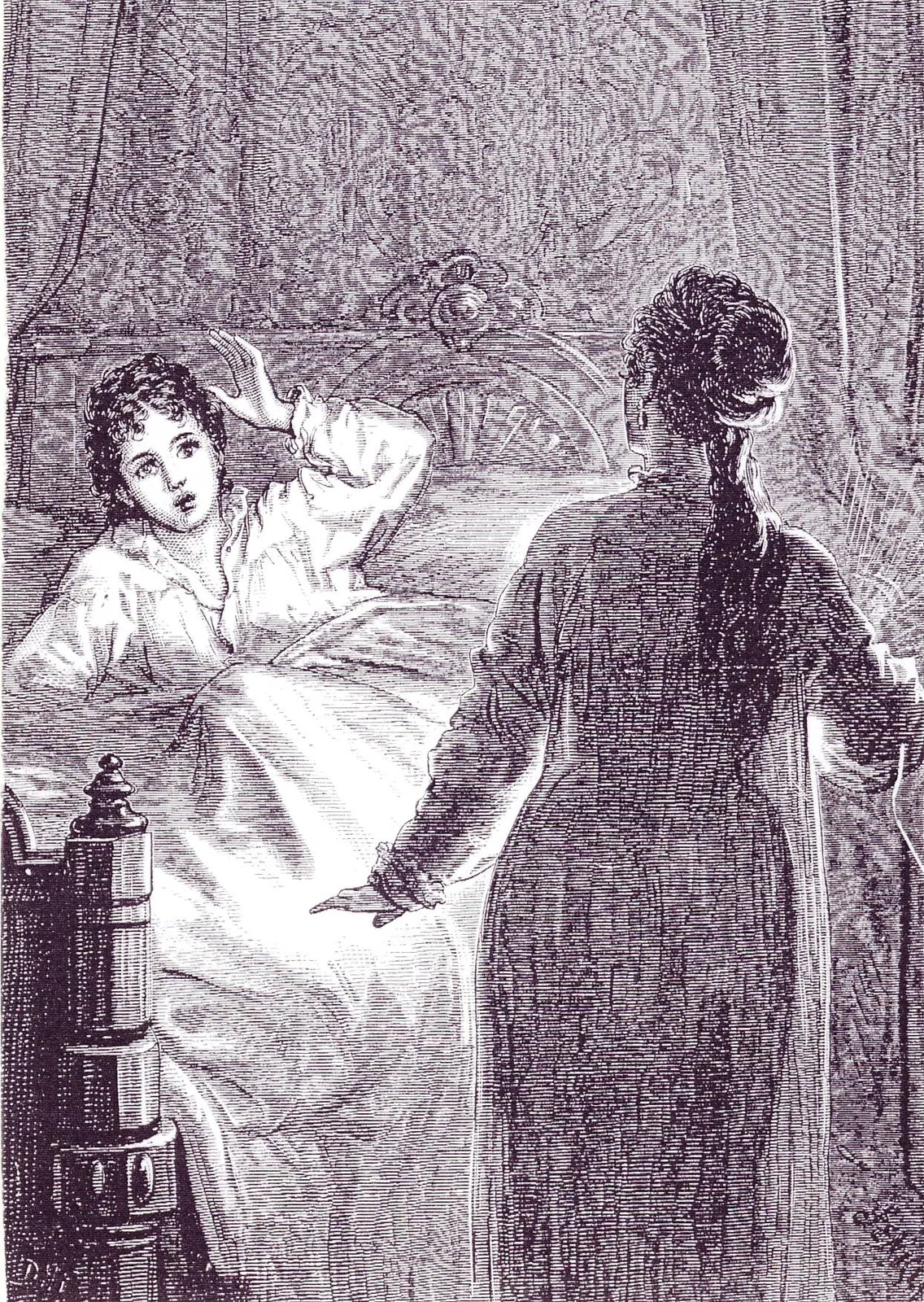
At the end of Sheridan Le Fanu’s Carmilla, the vampire is identified as Countess Mircalla Karnstein and destroyed. Laura survives, but her emotional attachment and fear do not disappear with the body. The final recollection leaves a psychological afterlife rather than clearly announcing that the vampire has returned.
This guide discusses the 1872 novella, including its ending. Later adaptations may change the characters, relationships and outcome.
Who are Carmilla, Mircalla and Millarca?
They are identities used by the same vampire. Their names rearrange the same letters. Le Fanu makes the pattern a clue, linking the attractive guest in Laura’s home to a dead aristocrat and to the guest who previously approached another young woman.
Laura lives with her father in an isolated castle in Styria. A staged-seeming carriage emergency brings Carmilla into the household. Their closeness grows while Laura experiences disturbing nights and declining health. The threat enters through hospitality, not an openly hostile invasion.
The portrait of Mircalla helps connect past and present. It turns an apparently remote family history into something physically recognizable in the guest. The image is unsettling because resemblance becomes a challenge to ordinary time: the face in the old picture is still present.
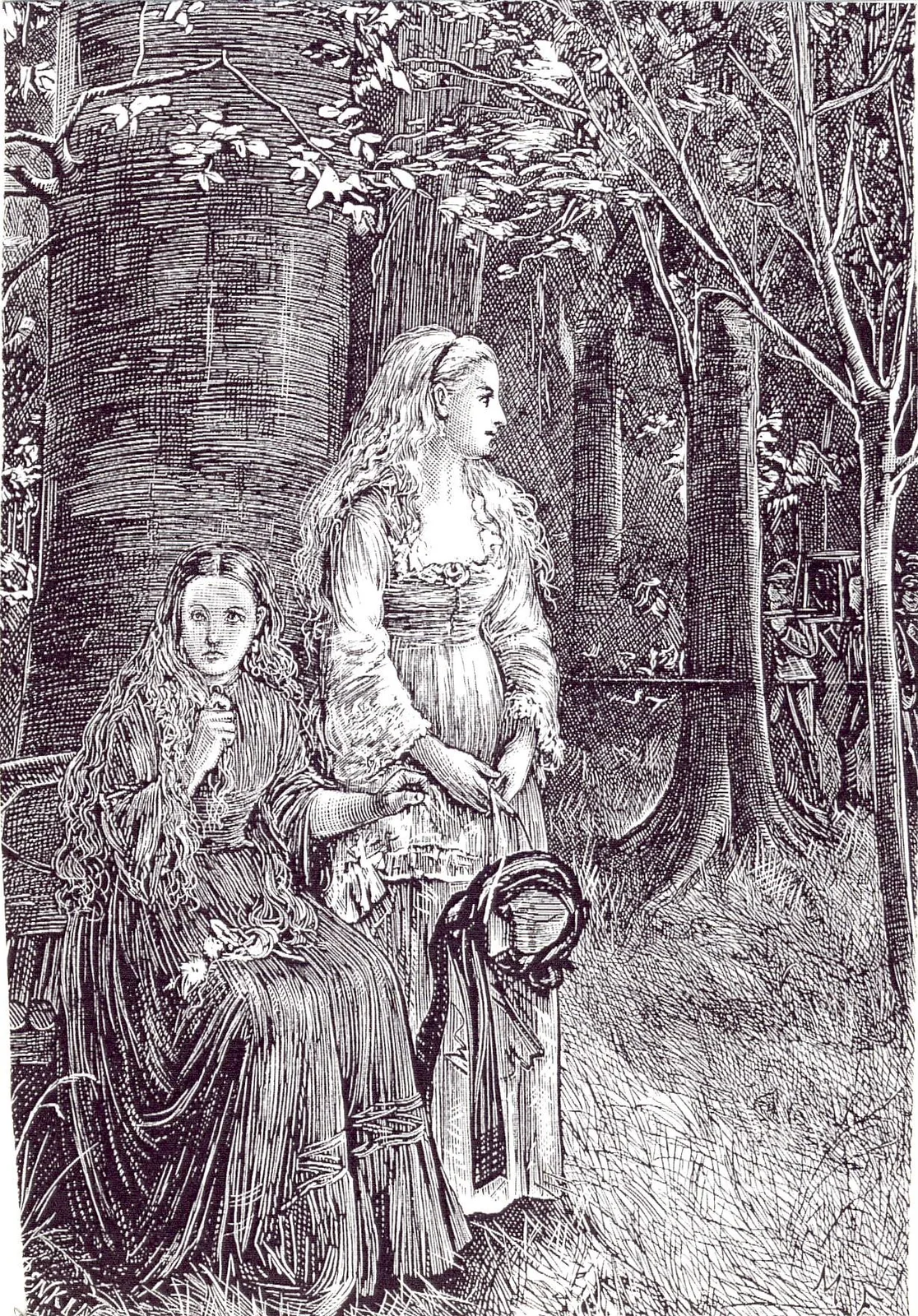
Michael Fitzgerald’s funeral scene for the original serialization of Carmilla, 1872. Source. Michael Fitzgerald (fl. 1871 - 1891). Public domain. Resized and converted to WebP.
How is Carmilla discovered?
General Spielsdorf’s account supplies a parallel to Laura’s experience. His ward Bertha had encountered a young woman called Millarca and subsequently died. What Laura first experiences as an intimate and unusual friendship becomes part of a repeated pattern.
Baron Vordenburg’s inherited knowledge helps locate Mircalla’s concealed grave. The story then shifts from Laura’s uncertain sensations to men assembling evidence, naming the danger and carrying out the destruction.
That change in authority is part of the novella’s structure. Laura narrates, but the explanation and intervention increasingly belong to others. Her experience is not erased, yet it is reorganized into their account of what must be done.
The complete text presents these events through the framing of a case history. Its official-sounding details belong to the fiction; they are not documentation of an actual vampire investigation.
Does Carmilla really die?
Within the story, the investigators find the vampire’s body and destroy it through the prescribed anti-vampire measures. The narrative presents this as the end of her attacks in that region.
Laura’s last words complicate the emotional ending. She continues to remember Carmilla in incompatible ways: the beautiful companion and the frightening being uncovered by the investigation. She sometimes imagines hearing her familiar approach.
That final impression is not a new scene in which Carmilla physically reappears. It shows how memory can preserve an attachment after the plot has formally removed its object. The story closes with Laura still divided about what she has lost and escaped.
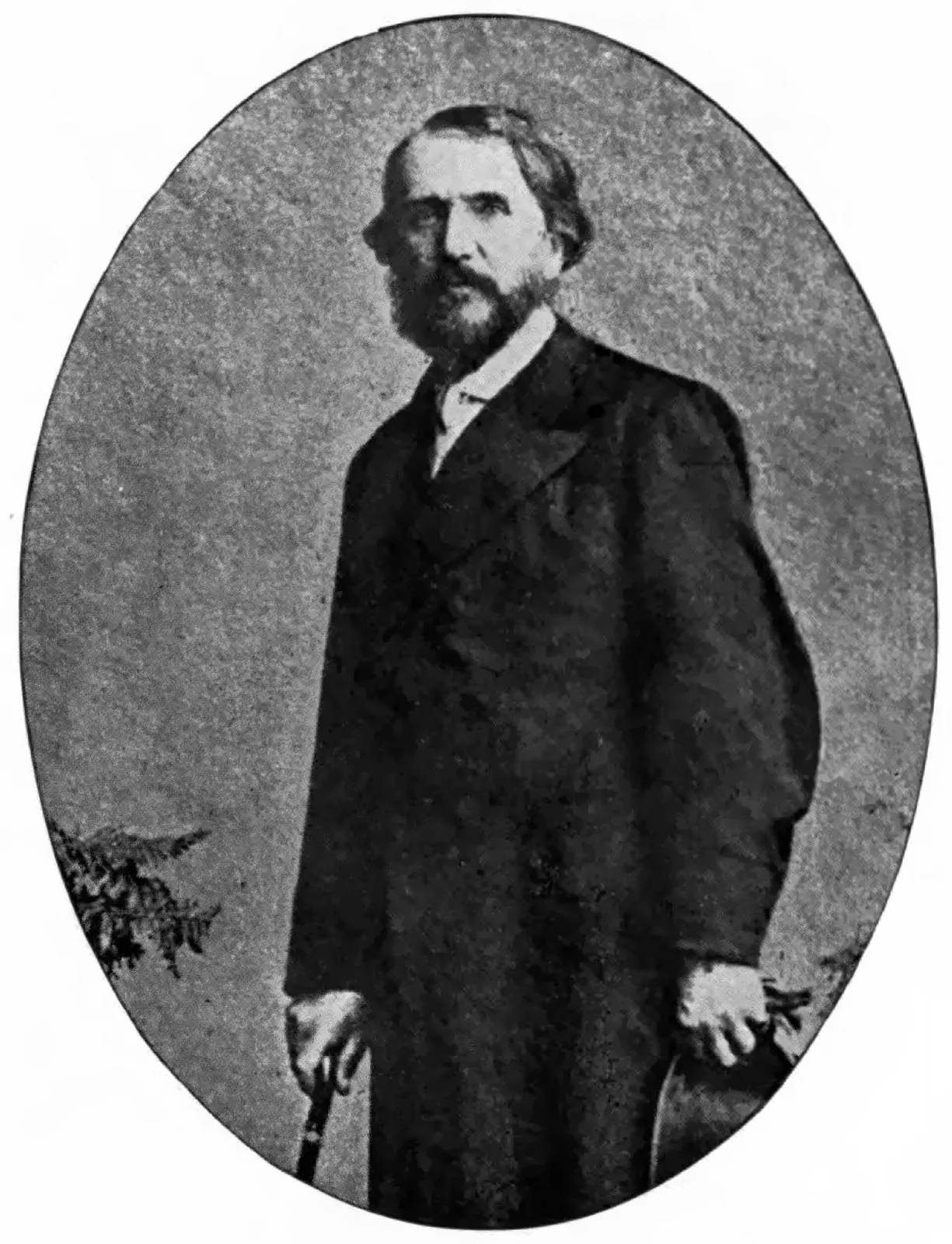
Sheridan Le Fanu, author of the 1872 novella. Source. Unknown artist. Public domain. Resized and converted to WebP.
Is Carmilla a love story?
Carmilla expresses intense desire for Laura, and Laura describes attraction alongside alarm. A queer reading is grounded in the relationship the text actually presents. It need not depend on inventing a secret authorial confession or claiming that every gesture has one fixed meaning.
At the same time, the relationship involves concealment and predation. Calling it simply an ideal romance ignores the harm; calling it only a monster attack ignores Laura’s emotional involvement. The novella derives much of its force from refusing to make those responses easy to separate.
The ending’s unresolved feeling matters here. Destroying the vampire gives the other characters a practical solution. It does not give Laura an uncomplicated account of the intimacy she experienced.
Was Carmilla the first vampire?
No. The novella is an important literary vampire story, but vampire belief and vampire fiction did not begin with it. What it does clearly do is precede Bram Stoker’s 1897 Dracula by twenty-five years.
Our guide to vampire folklore before Dracula provides the wider background. Mercy Brown’s 1892 exhumation belongs to a separate history of real people acting on beliefs about the dead; it should not be confused with Le Fanu’s invented case.
Why does the ending linger?
The vampire is defeated, yet the survivor cannot return to the emotional simplicity she had before the visit. That is the novella’s final disturbance. The official story says the danger is over; Laura’s memory remains less orderly.
For another classic in which a woman’s account leaves the reader judging the meaning of a final scene, continue with The Turn of the Screw.