News
What Dorset’s Bride Stone Can Tell Us About a Lost Tomb
A five-foot sarsen has been raised in Dorset’s Valley of Stones. See why archaeologists think it belonged to a tomb and how it differs from the valley’s polishing stone.
Topics: Dorset, Valley of Stones, Neolithic, Burial Practices, Archaeology
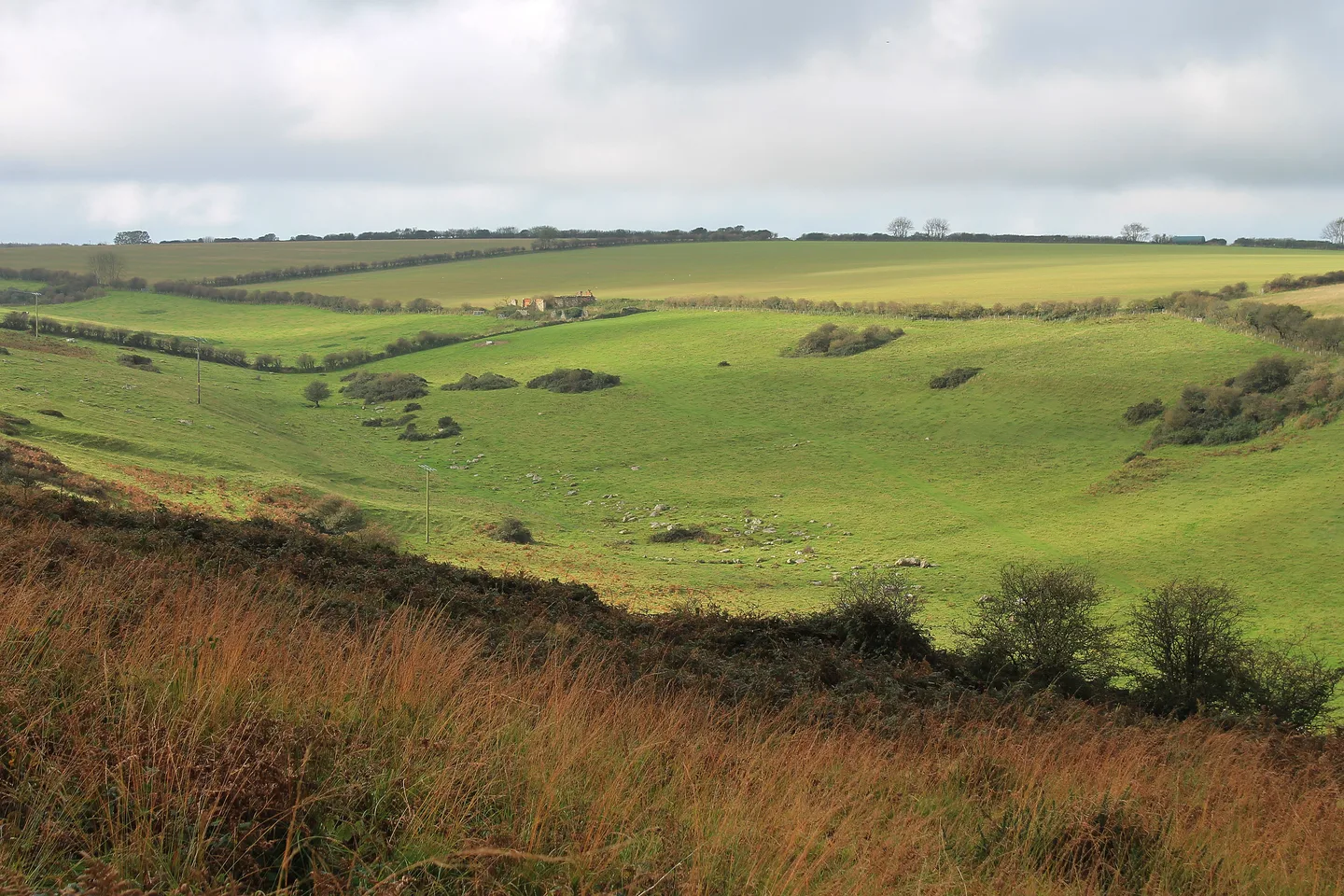
The Bride Stone is a five-foot sandstone block now standing in Dorset’s Valley of Stones National Nature Reserve. It came to light during scrub clearance. In a November 4 announcement, Natural England said an excavation by Past Participate suggests it once formed part of a Stone Age tomb. The announcement gives no exact date for the monument or description of the stone’s original position within it. See also documented dark history.
Why would a boulder be part of a tomb?
The reserve is known for its naturally scattered sarsens, blocks of hardened sandstone. Past Participate’s survey of the surrounding landscape found different types of sarsen in the fields around Tenants Hill. The team also examined stones that prehistoric builders selected for nearby circles and a burial mound. That comparison matters here. A stone of the same material might be a natural feature or part of a structure. The excavation context is what supports the tomb interpretation.
The nearby Grey Mare and her Colts offers an example of a surviving chambered tomb. Dorset’s monument record describes a row of massive sarsens at the southeast end of the mound, with a fallen slab behind them that may once have roofed the chamber. Historic England lists it as a scheduled Neolithic monument. The comparison shows how upright and horizontal slabs can serve different roles in a tomb. Which role the Bride Stone played is still an open question.
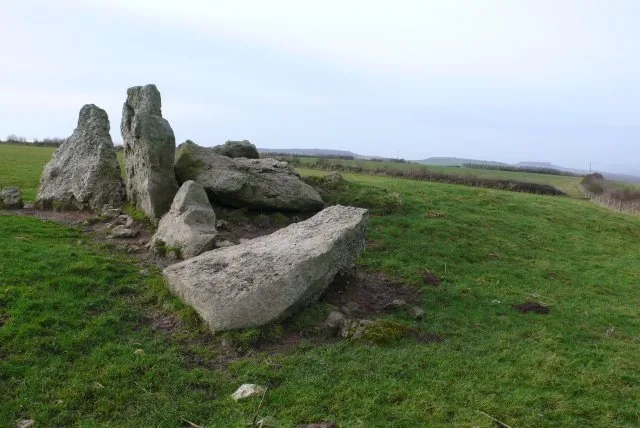
The valley’s other Stone Age find
In 2022, work in the same reserve uncovered a different boulder that archaeologists call a polissoir. Its worn surface comes from polishing stone tools such as axe heads, Historic England explains. The polishing marks are evidence of what people did at the boulder. For the Bride Stone, the proposed use comes from the excavation around it. See also Aberlemno III Excavation Finds an Older Pictish Carving.
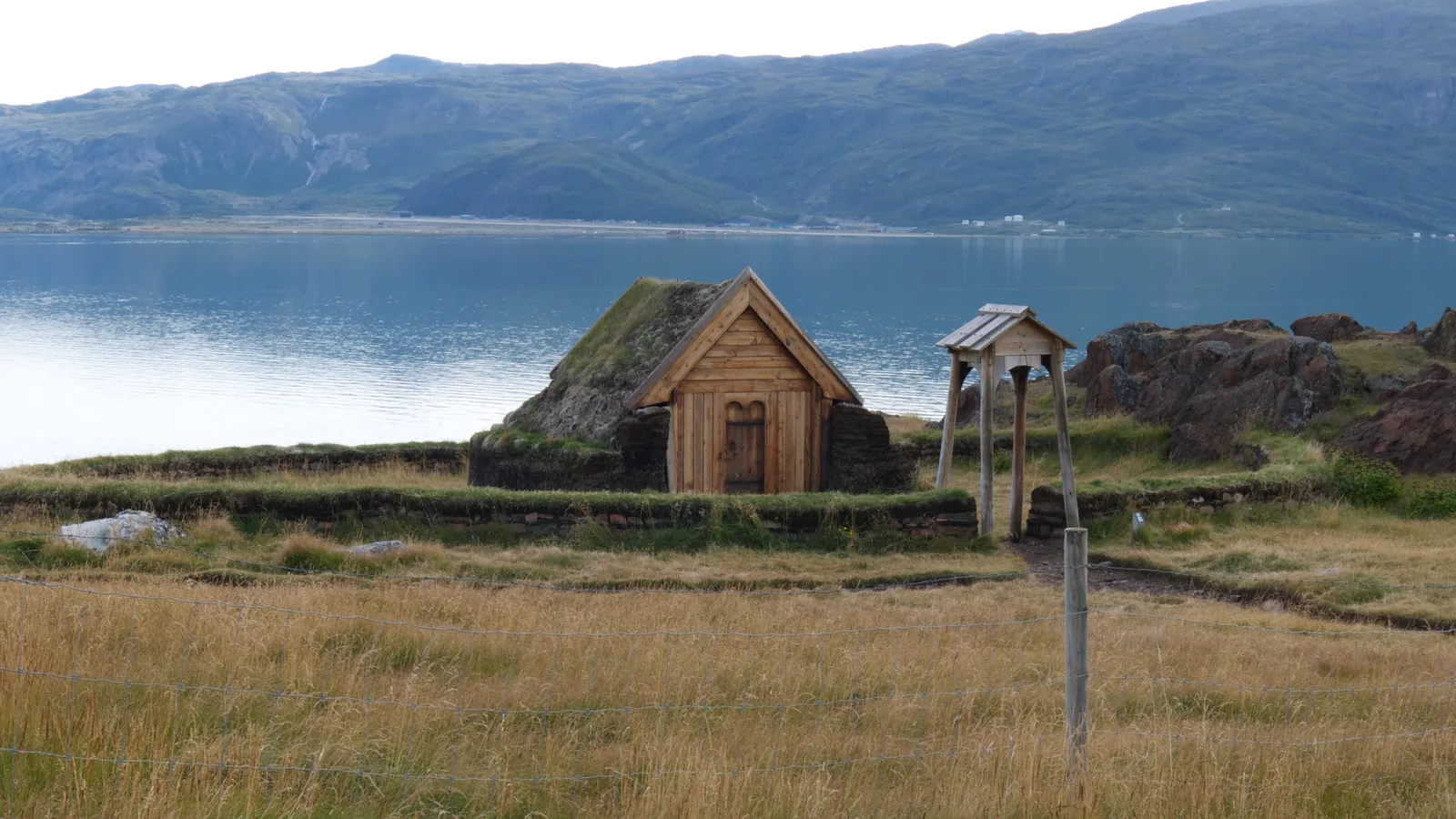
What survives around a find can change how archaeologists read it. At Qinngua in Greenland, for example, the location of a grave helped establish what a ruined building was used for. In Dorset, the public account of the Bride Stone stops at a likely connection to a tomb.
Where to see the Bride Stone
Natural England, Past Participate and volunteers raised the Bride Stone in the reserve. The announcement shows the stone being raised, and Past Participate’s project page links to a walking leaflet and access information.
Frequently asked questions
Why would a boulder be part of a tomb?
The reserve is known for its naturally scattered sarsens, blocks of hardened sandstone. Past Participate’s survey of the surrounding landscape found different types of sarsen in the fields around Tenants Hill. The team also examined stones that prehistoric builders selected for nearby circles and a burial mound. That comparison matters here. A stone of the same material might be a natural feature or part of a structure. The excavation context is what supports the tomb interpretation.
Sources & further reading
- Natural England, November 4 announcement and photographs of the Bride Stone
- Past Participate, the Valley of Stones archaeology project and walking leaflet
- Past Participate, West Dorset sarsen survey
- Historic England, the Valley of Stones polishing boulder
- Historic England, scheduled chambered tomb of the Grey Mare and her Colts
- Dorset Council, the Grey Mare and her Colts monument record