News
Fallward’s Boat Burial: What the Leprosy DNA Really Shows
Ancient DNA reveals a rare leprosy lineage in a fifth-century boat burial at Fallward. The study also explains why the man’s origins remain uncertain.
Topics: Fallward, Ancient DNA, Leprosy, Boat Burial, Late Antiquity, Archaeology
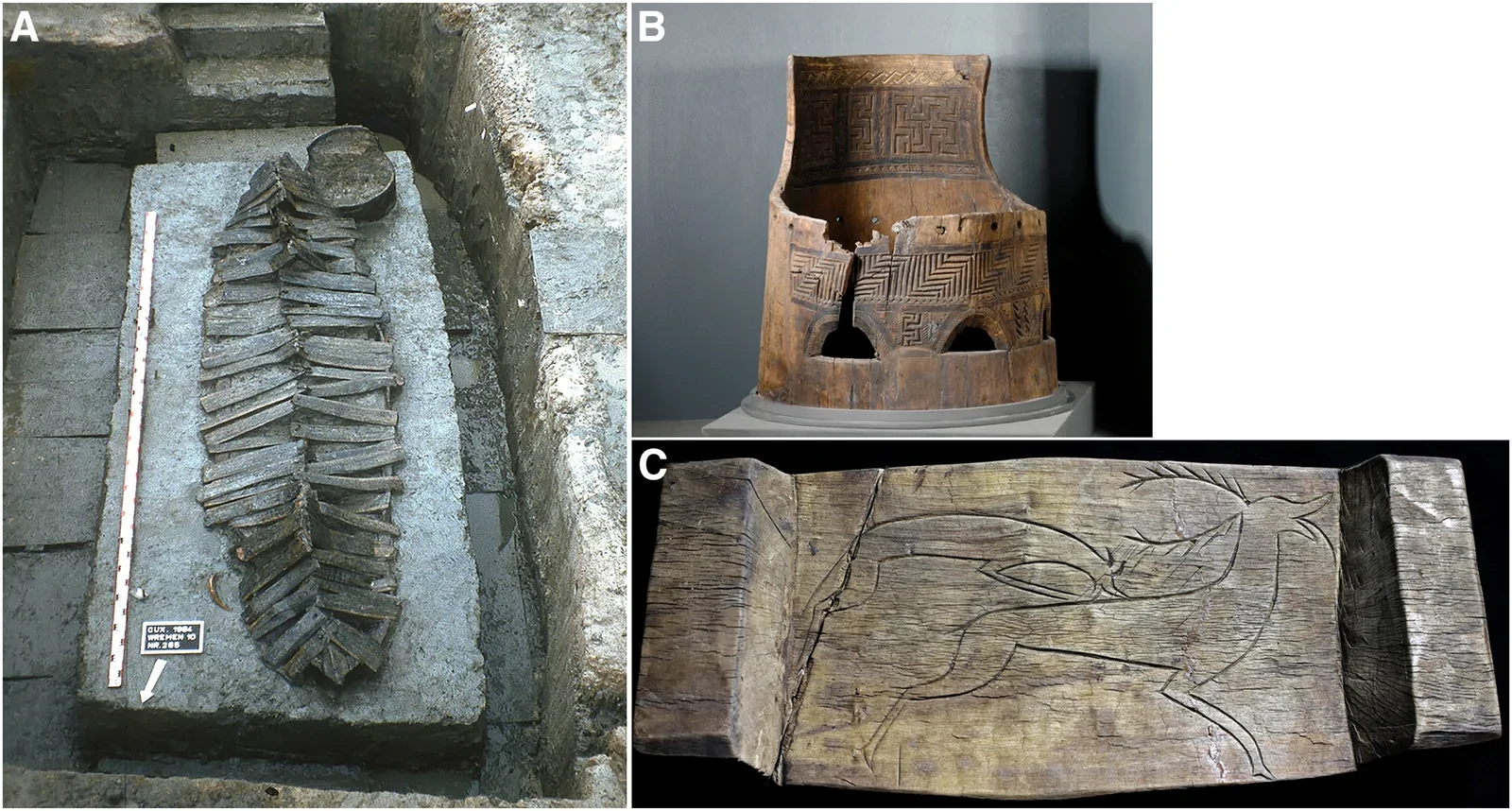
A man buried in a boat at Fallward, near Germany’s North Sea coast, carried the bacterium that causes leprosy. Ancient DNA places his infection in a rare branch of the pathogen’s family tree. His grave also contained a carved wooden chair and a Roman military belt. Those findings support long-distance connections, but they do not identify his birthplace or prove he was a soldier.
Kiel University’s November 3 announcement brings renewed attention to research published online in iScience on October 15. The fifth-century burial was excavated in the 1990s.
What the DNA establishes
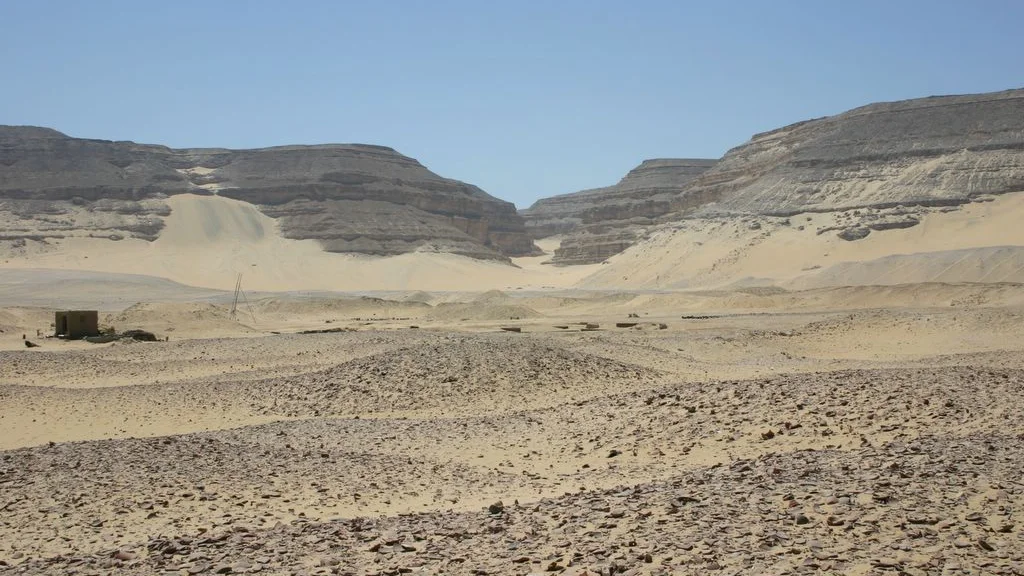
The study detected Mycobacterium leprae in a tooth and heel-bone sample from the man, recorded as G265. The bacterial DNA showed damage characteristic of ancient material. Its reconstructed genome belongs to branch 4, a lineage whose oldest known representative comes from ancient Egypt.
His bones showed no lesions specific to leprosy. That does not cancel the DNA evidence: the researchers allow for an infection without visible symptoms, or symptoms confined to soft tissue. The analysis does not establish leprosy as his cause of death.
Why “a Roman mercenary” remains a possibility
Kiel’s researchers suggest two possible life histories: service as a mercenary in the Roman army, or long journeys as a trader. The military belt and other grave goods make distant contacts plausible. Neither proposal is a recovered biography.
The paper is cautious about ancestry. Only three of the eleven people sampled yielded enough human DNA for population comparisons. Some analyses linked G265 with populations along the Roman Danube frontier; other methods could not separate his ancestry clearly from the other Fallward individuals. The authors describe limited data and unresolved origins. A genetic resemblance is not a travel itinerary.
What the boat and furniture add
The damp burial conditions preserved wood and textiles unusually well. The university describes a decorated chair carved from an alder trunk alongside pottery and metal objects. The surviving objects give this grave a material history that the DNA alone cannot supply.
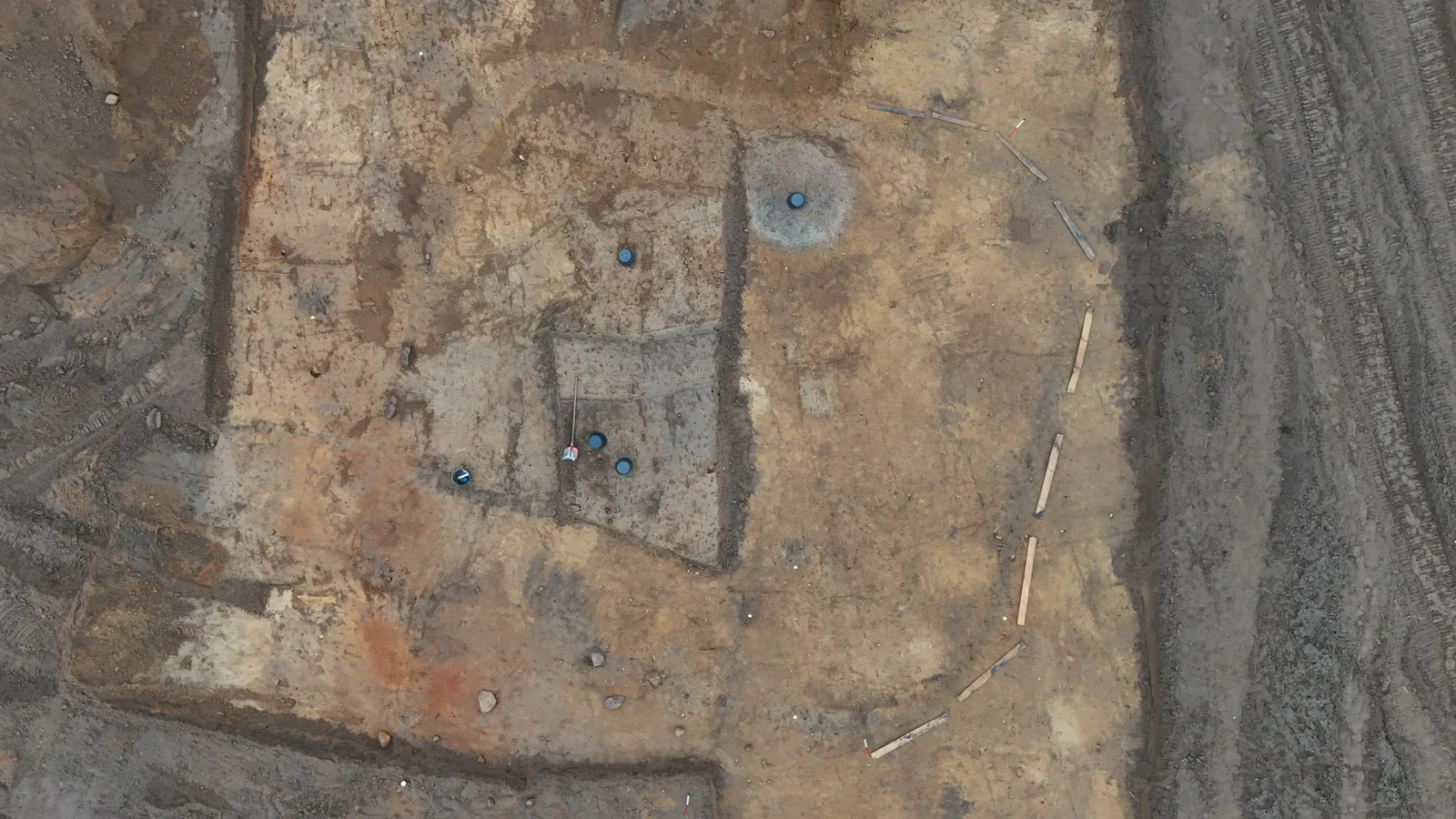
Above: excavation and object photographs from Figure 2 of the study. Photograph credit: R. Kiepe / NIhK; reproduced under CC BY 4.0.
For another case where burial objects invite interpretations beyond what the evidence can establish, see the Parabita double burial and the “lovers” label.