News
What Two Manillas Reveal About the Havmanden Shipwreck
Divers found two manillas and part of a leather shoe on the Havmanden. Here’s what the finds reveal about the 1683 wreck and what remains uncertain.
Topics: Havmanden, Shipwrecks, Maritime Archaeology, Transatlantic Slave Trade, Denmark, Sweden
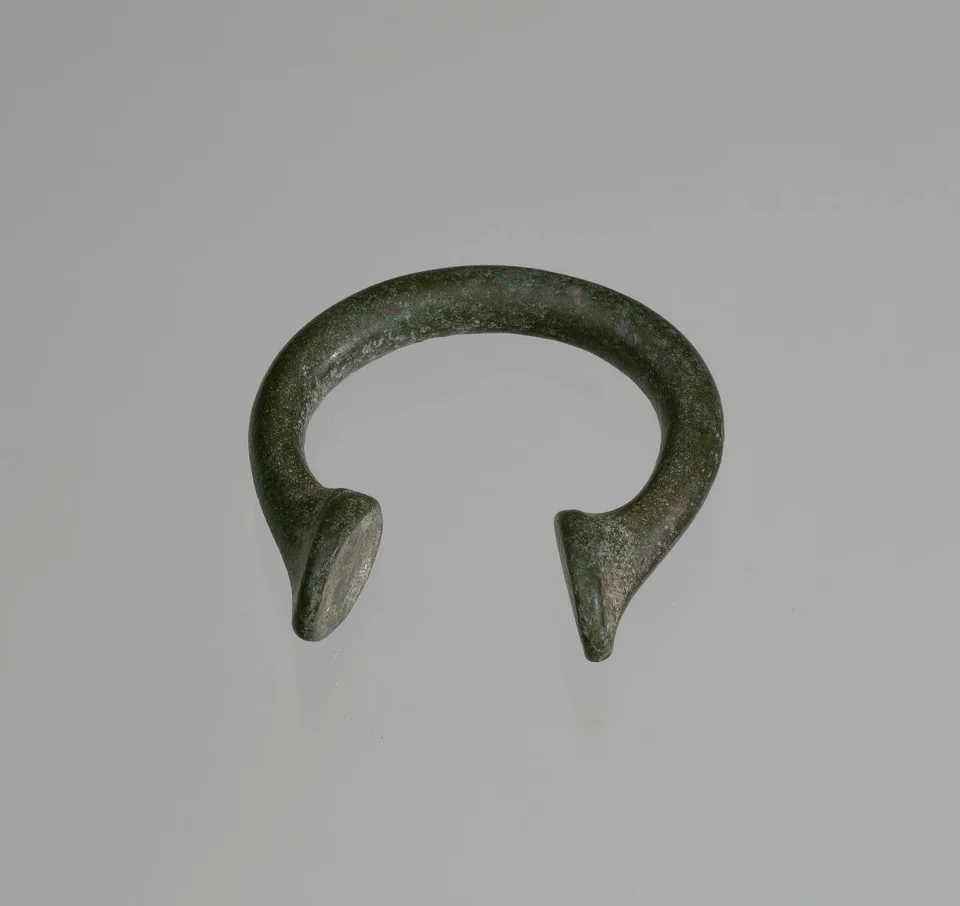
Archaeologists recovered two manillas and part of a finely made leather shoe from the wreck of the Havmanden, a Danish ship that sank off Sweden in 1683. The manillas are copper-alloy rings of a kind used to purchase enslaved people in West Africa. They give archaeologists physical evidence to compare with the ship’s cargo records. The shoe’s owner remains unknown. See also What the Hunley Crew’s Clothing Reveals About the 1864 Wreck. See also documented dark history.
Bohusläns Museum and the National Museum of Denmark announced the finds on November 11, 2026, after a joint investigation in the Öckerö archipelago, near Gothenburg.
What were the manillas doing on board?
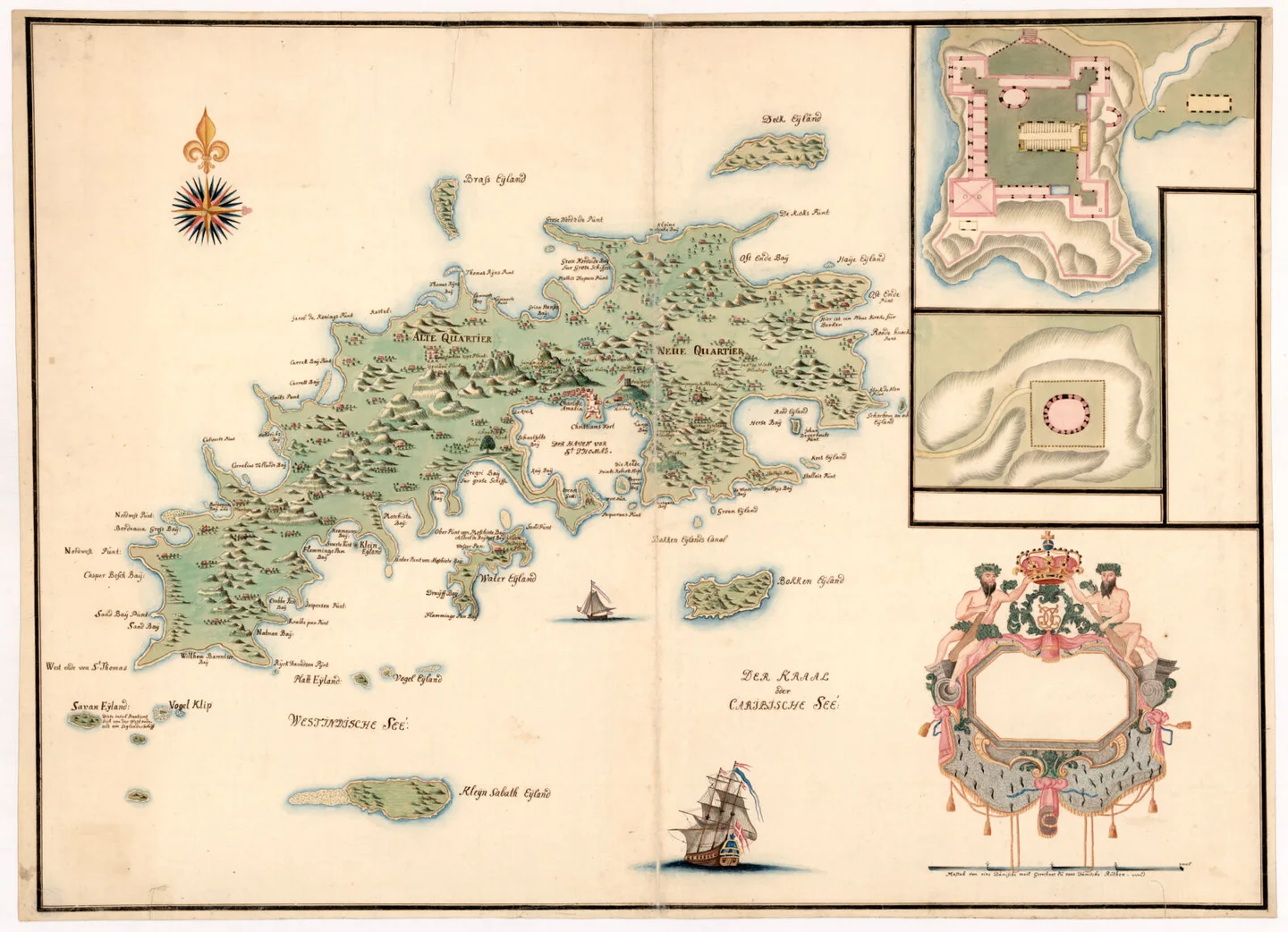
The Havmanden left Copenhagen in 1682 carrying prisoners bound for the Danish colony of Saint Thomas. According to project lead Staffan von Arbin, the plan called for the ship to continue to West Africa after delivering its passengers and part of its cargo. There it was to buy enslaved people.
Von Arbin says surviving inventories list barrels of copper rings. The two manillas recovered from the wreck give the team a candidate for what that entry meant. The records describe the ship’s intended role in the trade, and the rings show that this form of currency was carried on board. The voyage was cut short by mutiny and the ship ultimately sank near Björkö in March 1683.
Could eight other rings come from the same ship?
In the 1930s a landowner on Grötö, less than ten kilometres from the wreck, found eight manillas beneath a boulder. Historical records describe local fishermen taking material from the wreck soon after it sank. Bohusläns Museum says the team plans to compare the rings’ metal composition to see whether the Grötö group could be related to the new finds. For now, the connection is a hypothesis.
What can a fragment of shoe tell us?
Only the back half of the sole survives. Footwear specialist Vivi Lena Andersen points to the fine leather and the small, evenly spaced holes around its edge as signs of expensive workmanship. One possible owner is Jørgen Iversen Dyppel, the first Danish governor of Saint Thomas. He was aboard and died after the mutineers threw him overboard in the English Channel. The workmanship can help identify the kind of person who could afford the shoe. An individual attribution would need further evidence.
The Danish museum’s announcement includes photographs of the recovered shoe and a manilla. It also reports that samples of the ship’s timbers date the felling of the trees to about 1664 or shortly afterward, with a likely origin in northern Germany or southern Jutland. The wreck has been covered with protective fabric to slow erosion while the finds undergo study and conservation.
For another example of how the surviving record and wreck discoveries inform each other, see what the Franklin expedition evidence shows.
Frequently asked questions
What were the manillas doing on board?
The Havmanden left Copenhagen in 1682 carrying prisoners bound for the Danish colony of Saint Thomas. According to project lead Staffan von Arbin, the plan called for the ship to continue to West Africa after delivering its passengers and part of its cargo. There it was to buy enslaved people.
Could eight other rings come from the same ship?
In the 1930s a landowner on Grötö, less than ten kilometres from the wreck, found eight manillas beneath a boulder. Historical records describe local fishermen taking material from the wreck soon after it sank. Bohusläns Museum says the team plans to compare the rings’ metal composition to see whether the Grötö group could be related to the new finds. For now, the connection is a hypothesis.
What can a fragment of shoe tell us?
Only the back half of the sole survives. Footwear specialist Vivi Lena Andersen points to the fine leather and the small, evenly spaced holes around its edge as signs of expensive workmanship. One possible owner is Jørgen Iversen Dyppel, the first Danish governor of Saint Thomas. He was aboard and died after the mutineers threw him overboard in the English Channel. The workmanship can help identify the kind of person who could afford the shoe. An individual attribution would need further evidence.