News
What the Hunley Crew’s Clothing Reveals About the 1864 Wreck
A Charleston Museum exhibit shows clothing and personal effects from the H. L. Hunley. Here’s what the artifacts tell us and what remains unresolved.
Topics: H. L. Hunley, Shipwrecks, Maritime Archaeology, American Civil War, Charleston
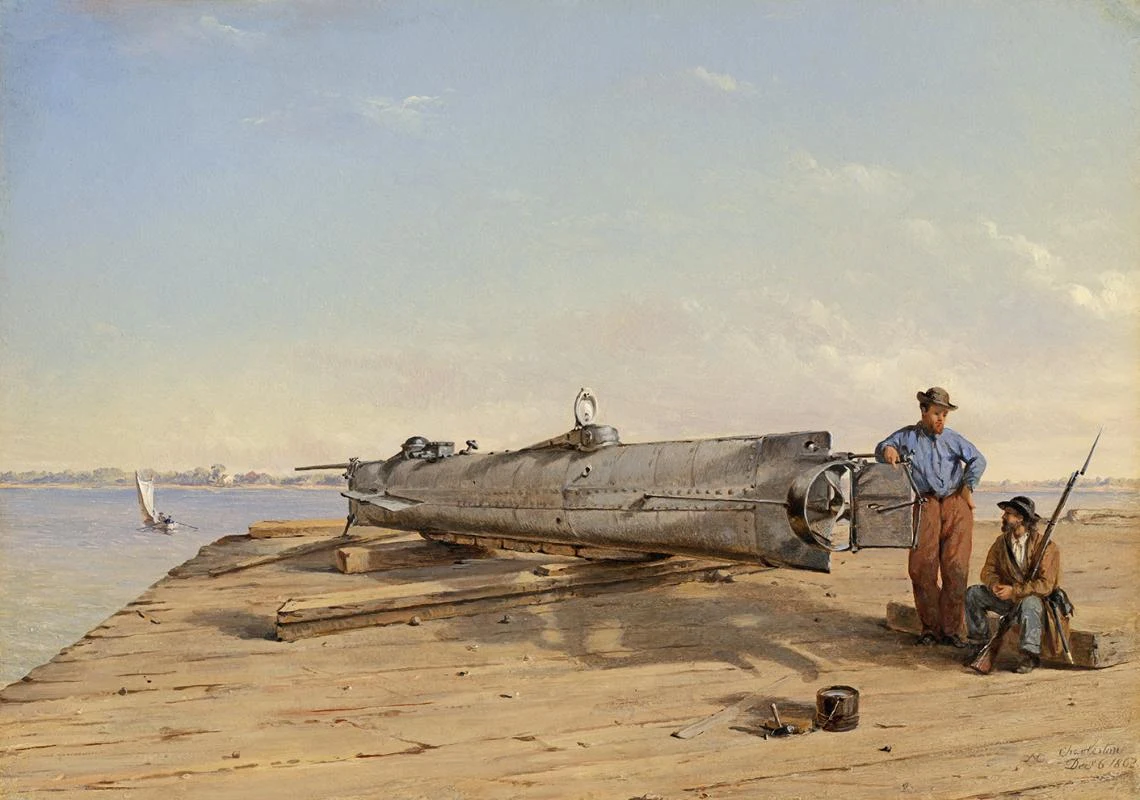
The Charleston Museum is showing preserved clothing and personal effects from the eight men who died aboard the H. L. Hunley in 1864. The finds include remnants of cloth, shoes, buttons and silver hardware from suspenders. They give conservators a way to study what people aboard the Confederate submarine wore and carried. See also documented dark history.
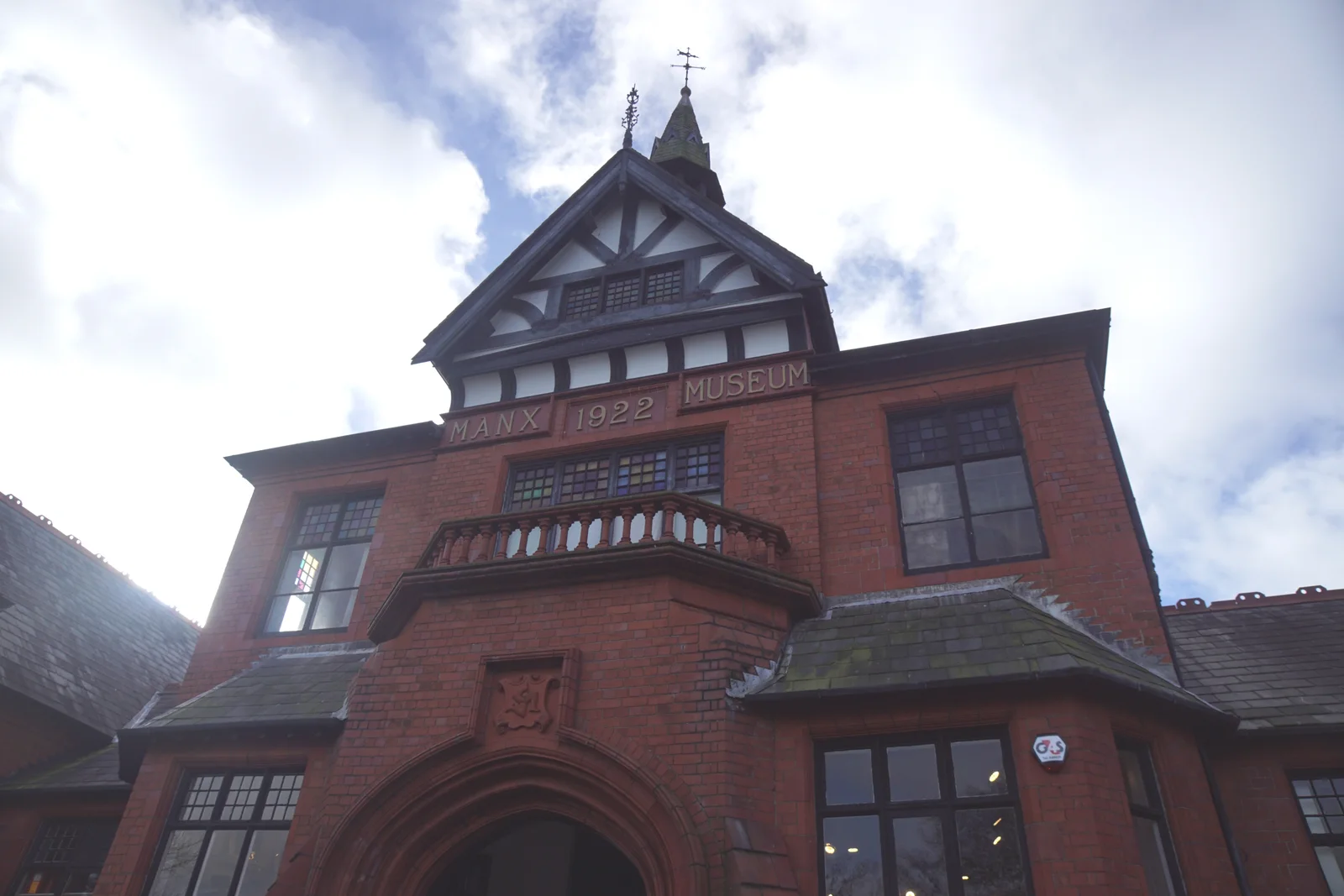
The museum listed a November 13 tour with historic textiles curator Virginia Theerman and Clemson University conservators Johanna Rivera-Diaz and Melissa Allen. The tour was a one-day event. The exhibition, Textiles from the Deep, runs through April 4, 2027 at the Charleston Museum, 360 Meeting Street, Charleston, South Carolina.
What survived inside the Hunley?
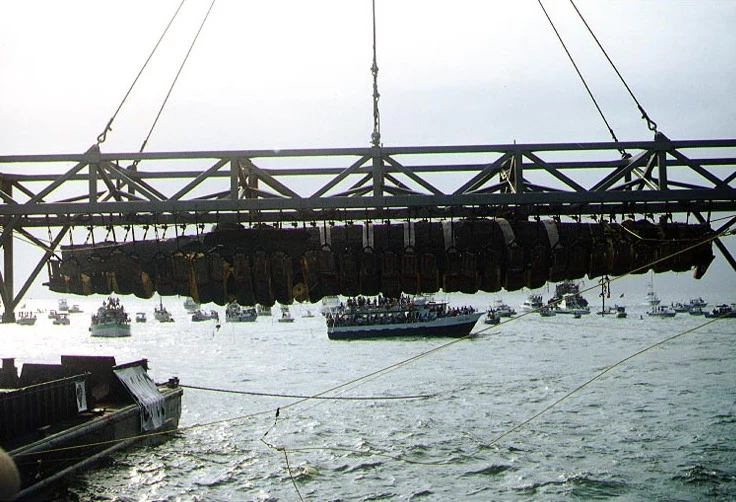
The Hunley disappeared off Charleston after sinking the Union ship USS Housatonic on February 17, 1864. The wreck was raised on August 8, 2000. Friends of the Hunley says archaeologists recovered sixteen shoes during the interior excavation in 2001 and 2002. Some were trapped in a hardened mass of corrosion, and much of the leather was already in poor condition when it came out. See also USS Arizona: Why Eight Unknowns Were Studied First.
The project also conserved a silk bandana worn by crew member James Wicks. Small details like that fabric can tell visitors as much about a piece of clothing as its silhouette does. A surviving fiber lets researchers identify a material. A complete garment from the same period gives them something to compare its construction with. The museum puts recovered fragments alongside period garments so visitors can see how those two kinds of evidence fit together.
How did the conservators make the cloth safe to display?
The museum says the team cleaned the fragile textiles underwater with soft brushes, then freeze-dried them in a vacuum chamber. Studying the recovered material and finding comparisons in historic clothing collections were separate steps. That distinction matters when a piece is too small to show the shape of the garment it came from.
The exhibition includes a scale recreation of the cabin. The wreck itself is conserved separately at the Warren Lasch Conservation Center in North Charleston. The exact sequence of events that sank the Hunley remains disputed. The clothes give the exhibition a different question to answer: what can surviving objects tell us about the people who were there?
The Havmanden wreck presents a comparable problem. There, a finely made leather sole gives researchers clues about workmanship and status while leaving its owner uncertain.
Frequently asked questions
What survived inside the Hunley?
The Hunley disappeared off Charleston after sinking the Union ship USS Housatonic on February 17, 1864. The wreck was raised on August 8, 2000. Friends of the Hunley says archaeologists recovered sixteen shoes during the interior excavation in 2001 and 2002. Some were trapped in a hardened mass of corrosion, and much of the leather was already in poor condition when it came out.
How did the conservators make the cloth safe to display?
The museum says the team cleaned the fragile textiles underwater with soft brushes, then freeze-dried them in a vacuum chamber. Studying the recovered material and finding comparisons in historic clothing collections were separate steps. That distinction matters when a piece is too small to show the shape of the garment it came from.