Lore & Explained
Mammon Explained: From Biblical Wealth to a Demon of Greed
Is Mammon a demon in the Bible? Follow the name from Matthew's warning about wealth to Milton's Paradise Lost and later personifications of greed.
Topics: Mammon, Demons, Bible, Paradise Lost
Mammon begins in the biblical passages as wealth or riches treated as a rival master. Later literature and art turn that personification into a more fully imagined being associated with greed. Reading the later demon back into every biblical use obscures that development.
The name is familiar enough to suggest one stable character. In practice, the Gospel saying, Milton’s fallen spirit and a Victorian painter’s monstrous ruler are doing different things.
What does Mammon mean in the Bible?
Matthew 6:24 sets service to God against service to mammon. The surrounding passage concerns treasure, attachment, food, clothing and anxiety over material provision. Its central image is divided allegiance: one person cannot give ultimate loyalty to two competing masters.
The capital letter used in some later presentations can make Mammon look like the proper name of an independently described deity. That is not what the passage supplies. It gives no portrait, parentage, court, seal or list of supernatural powers.
Calling wealth a master is a powerful personification. It describes the possibility that possessions and the pursuit of them come to govern a person’s decisions. A historical explanation should preserve that meaning before moving to later demonology.
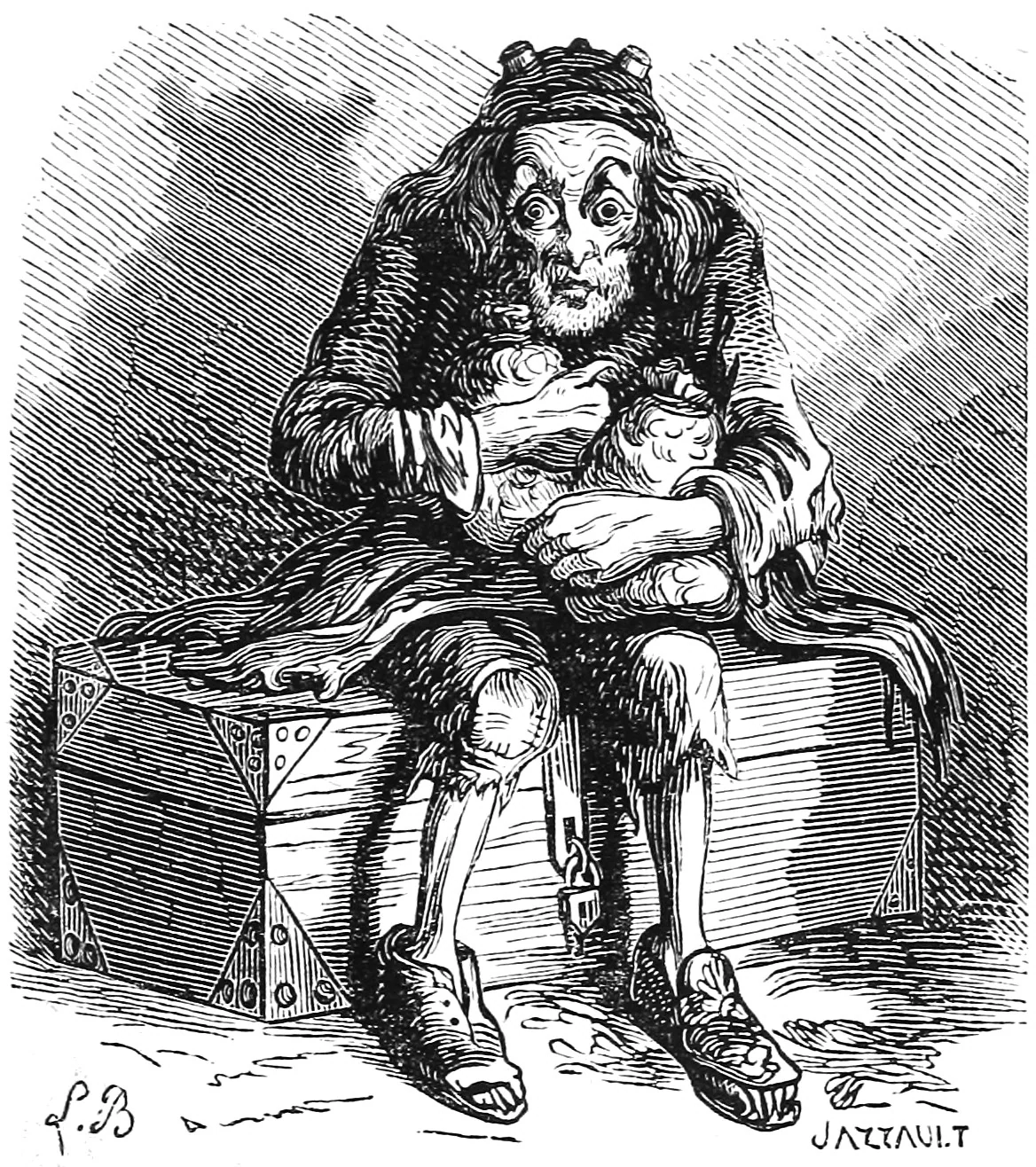
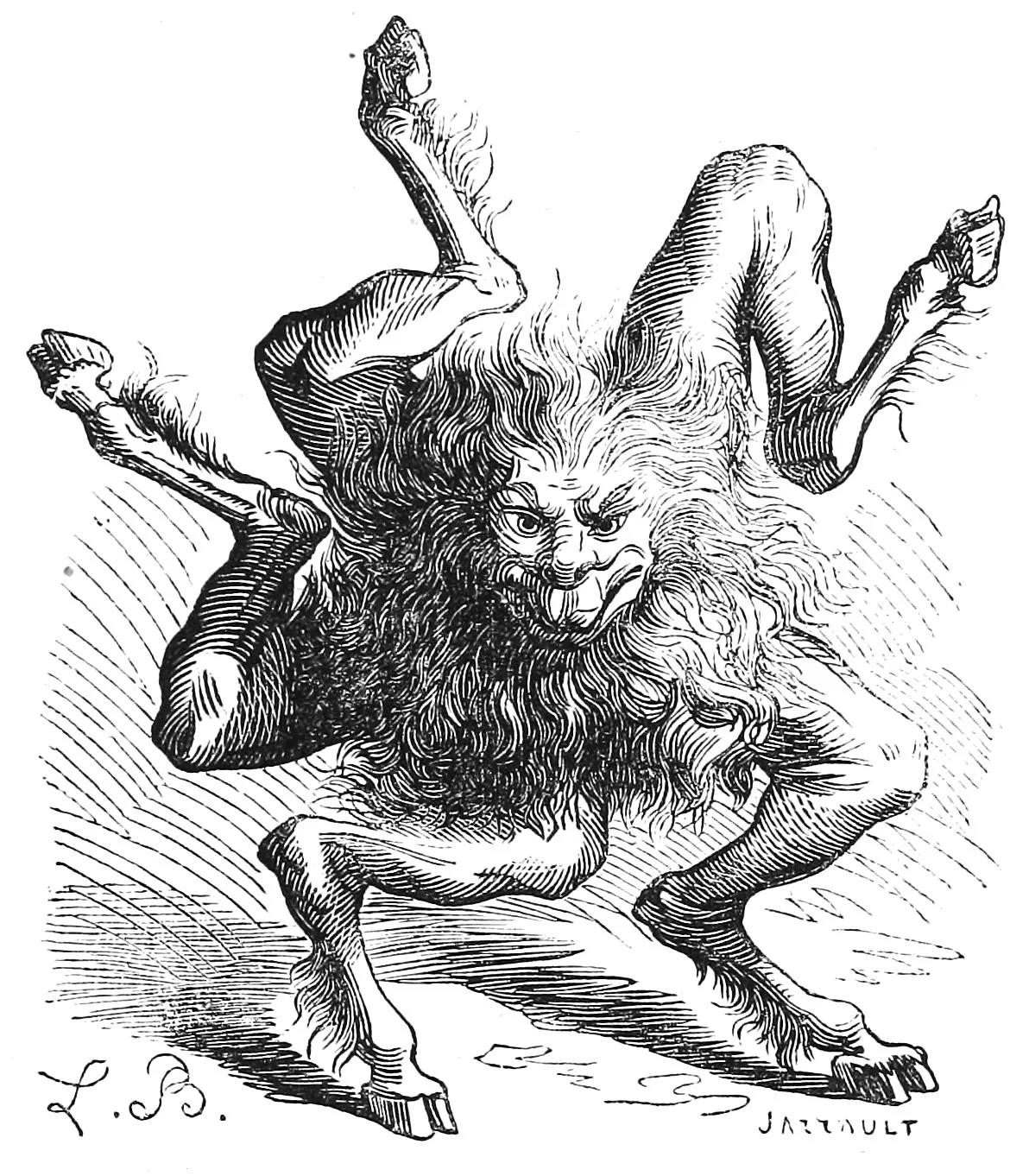
Mammon in the 1863 Dictionnaire infernal: a later demonological personification. Source. Louis Le Breton. Public domain. Resized and converted to WebP.
How Milton made Mammon a character
In Paradise Lost, Mammon is one of the fallen spirits. Book I depicts his gaze as habitually directed downward: even in Heaven, he admired the gold beneath him more than the divine vision. After the fall, he leads the extraction of riches from the ground of Hell.
This is a literary development, not a newly discovered episode from a biblical biography. Milton turns an attachment to wealth into a character’s posture, attention and work. Mammon is concerned with what can be mined, built and possessed.
Book II adds a political dimension. In the infernal debate, he favors making a life within Hell rather than returning to subordinate service in Heaven. His speech makes self-sufficiency sound attractive even as the poem places that ambition inside the fallen angels’ damaged reasoning.
Readers can assess those passages directly in the public-domain text of Paradise Lost. They should not be confused with later summaries that present every literary demon as if it occupied the same official hierarchy.
Why does Mammon look different in different images?
Because artists are interpreting an idea, not copying one agreed physical description.
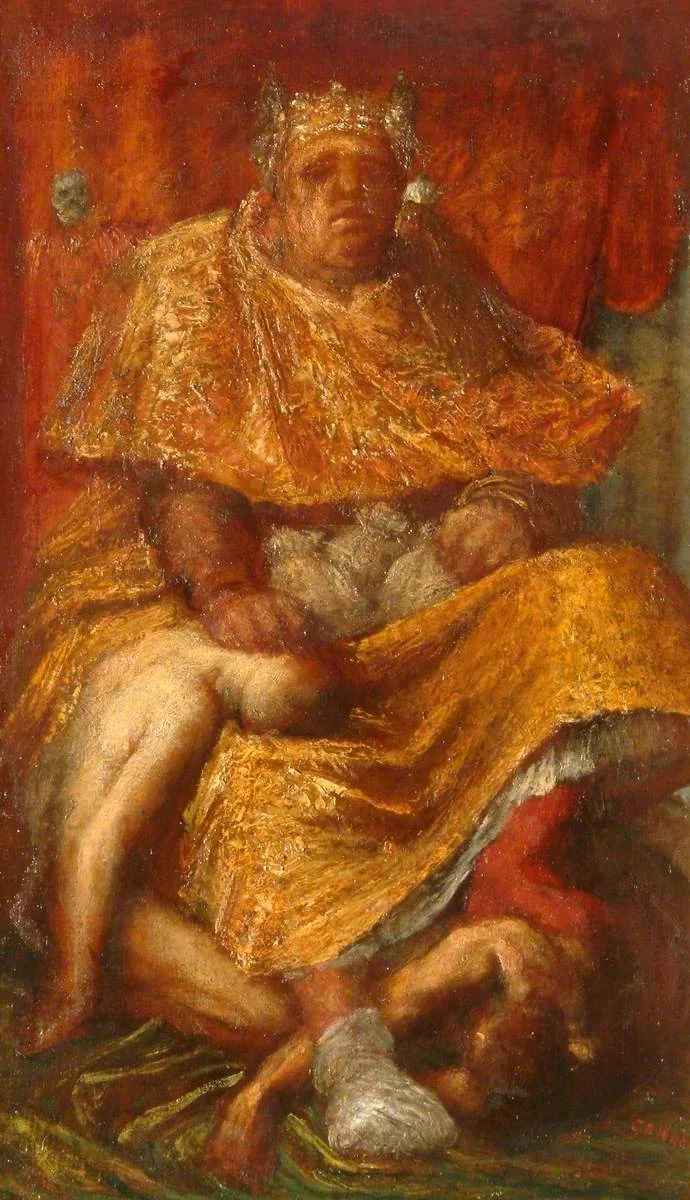
Louis Le Breton’s engraving belongs to the illustrated demon catalogue associated with Collin de Plancy. George Frederic Watts’s Mammon makes wealth into an oppressive enthroned figure. The images share a concern with avarice, but they serve different visual arguments.
In the Watts painting, the relationship between the imposing central body and the smaller people around it matters more than any attempt at naturalistic demon anatomy. It is an image of domination. Reading it as social allegory explains more than treating it as a supernatural field identification.
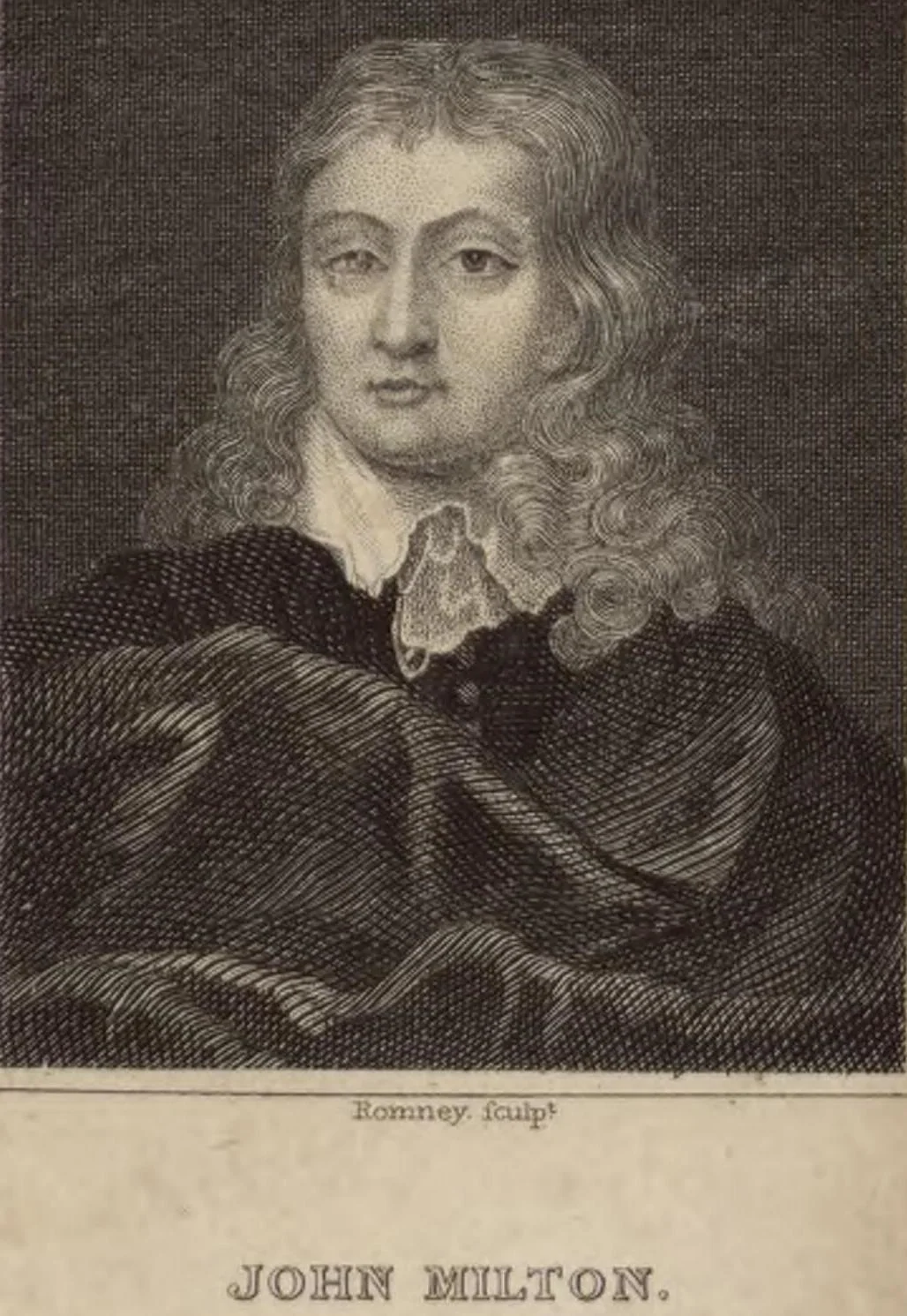
John Milton, whose Paradise Lost gives Mammon a role among the fallen angels. Source. John Romney. Public domain. Resized and converted to WebP.
Is Mammon one of the 72 Goetic demons?
Mammon is not an entry in the standard 72-spirit list of the Ars Goetia. A name can be prominent in Christian literature and later demonological classifications without appearing in that particular catalogue.
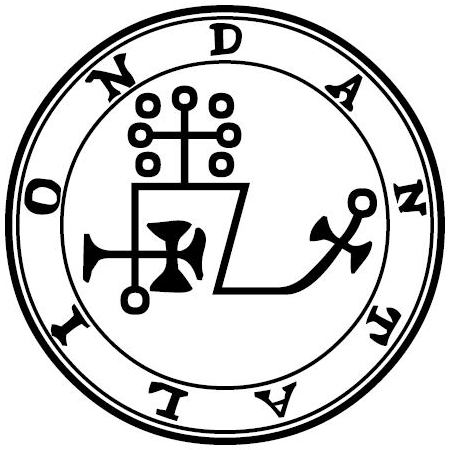
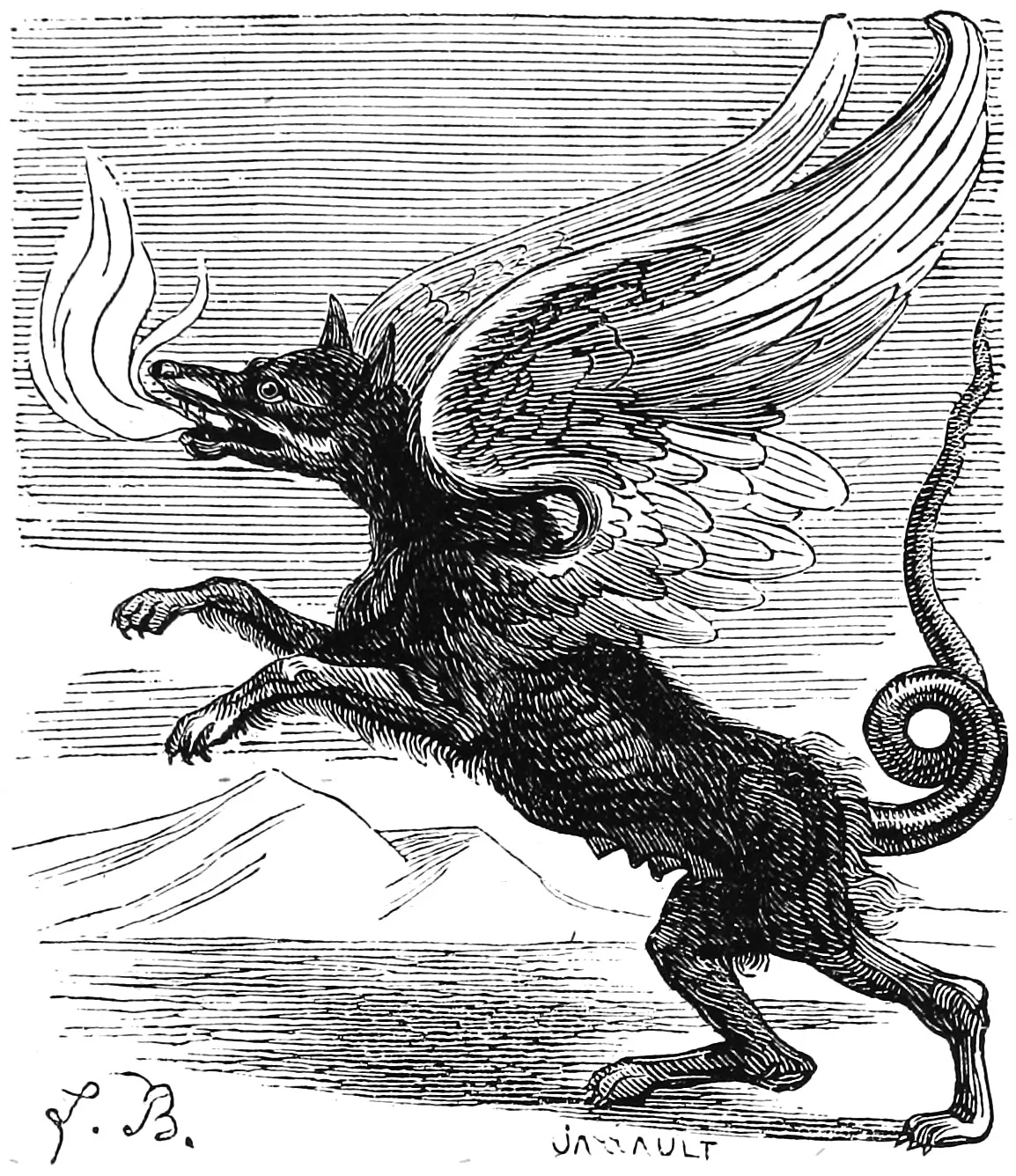
Compare Buer or Dantalion, whose numbered entries, ranks and seals can be checked directly. Mammon’s textual history requires a different route.
This also means that a modern “Mammon sigil” should be attributed to its actual source. Its existence does not make it an original Goetia seal.
Is Mammon the same as Satan?
Not in Milton’s poem: Mammon is a distinct speaker among the fallen spirits, while Satan occupies another role. In Matthew, the contrast is between service to God and service to wealth; the verse does not say that Mammon is simply another personal name for Satan.
Later religious interpretations can connect greed with evil in various ways. Those interpretations should be identified rather than collapsed into one universal answer. The most useful distinction is between a word for wealth, wealth personified, and a literary or artistic demon. Our demonology field guide provides the wider context for keeping those categories apart.