Lore & Explained / Demons & Occult
Demons Explained: A Field Guide to Demonology, Folklore, and the Occult
'Demon' means different things across Mesopotamian religion, Jewish and Christian theology, Islamic tradition, grimoires and folklore. Here's how the traditions differ.
Topics: Demonology, Demons & Occult, Folklore, Grimoires, Religious History
Jacques Collin de Plancy / Wikimedia Commons (Public Domain)
“Demon” gets used as if it’s one consistent category, but it isn’t. A Mesopotamian protective spirit, a fallen angel in Christian theology, a name from a 17th-century grimoire, and an Alpine folk figure who punishes misbehaving children all get called demons in casual conversation, and they come from traditions with genuinely different rules, different origins, and often no direct relationship to each other at all. This is a guide to how those traditions actually differ, not a single family tree connecting them — because that tree doesn’t exist outside of modern pop culture, which routinely borrows names and imagery across unrelated belief systems and presents the result as one coherent system.
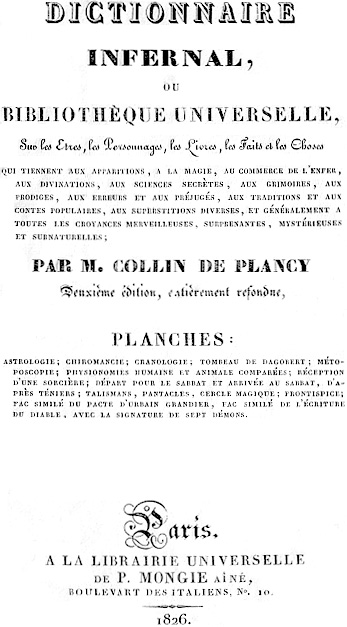
Cover of Collin de Plancy’s Dictionnaire Infernal. This nineteenth-century reference work represents one European demonological tradition, not a universal catalogue. Source. Jacques Collin de Plancy / Wikimedia Commons, Public Domain.
Where “Demon” Comes From
The English word traces back to the Greek daimon, which didn’t originally mean an evil spirit at all — in early Greek usage, a daimon could be a minor deity, a guiding spirit, or a personal supernatural influence, neither inherently good nor bad. The negative, specifically evil connotation the word carries today developed later, heavily shaped by early Christian theology, which recast pre-Christian gods and spirits from other traditions as malevolent beings opposed to the Christian God. That history matters, because it means a lot of what gets casually filed under “ancient demons” today were originally something closer to neutral or even protective figures in their own original context, reframed as villains by a later, unrelated religious tradition.
Mesopotamian Tradition: Not Always Evil
Some of the oldest figures now popularly labeled demons come from ancient Mesopotamian religion, and they don’t map cleanly onto later ideas of purely evil beings. Pazuzu, for instance, was a king of wind demons associated with disease and storms in Mesopotamian belief, but he was also specifically invoked for protection, including against the female demon Lamashtu, who threatened pregnant women and infants. Figures like this functioned within a system where a dangerous, frightening entity could still be turned toward protective purposes — a more complicated moral role than the straightforwardly evil pop-culture demon.
Jewish and Christian Tradition: Fallen Angels and Named Figures
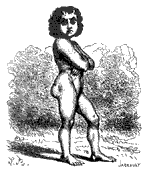
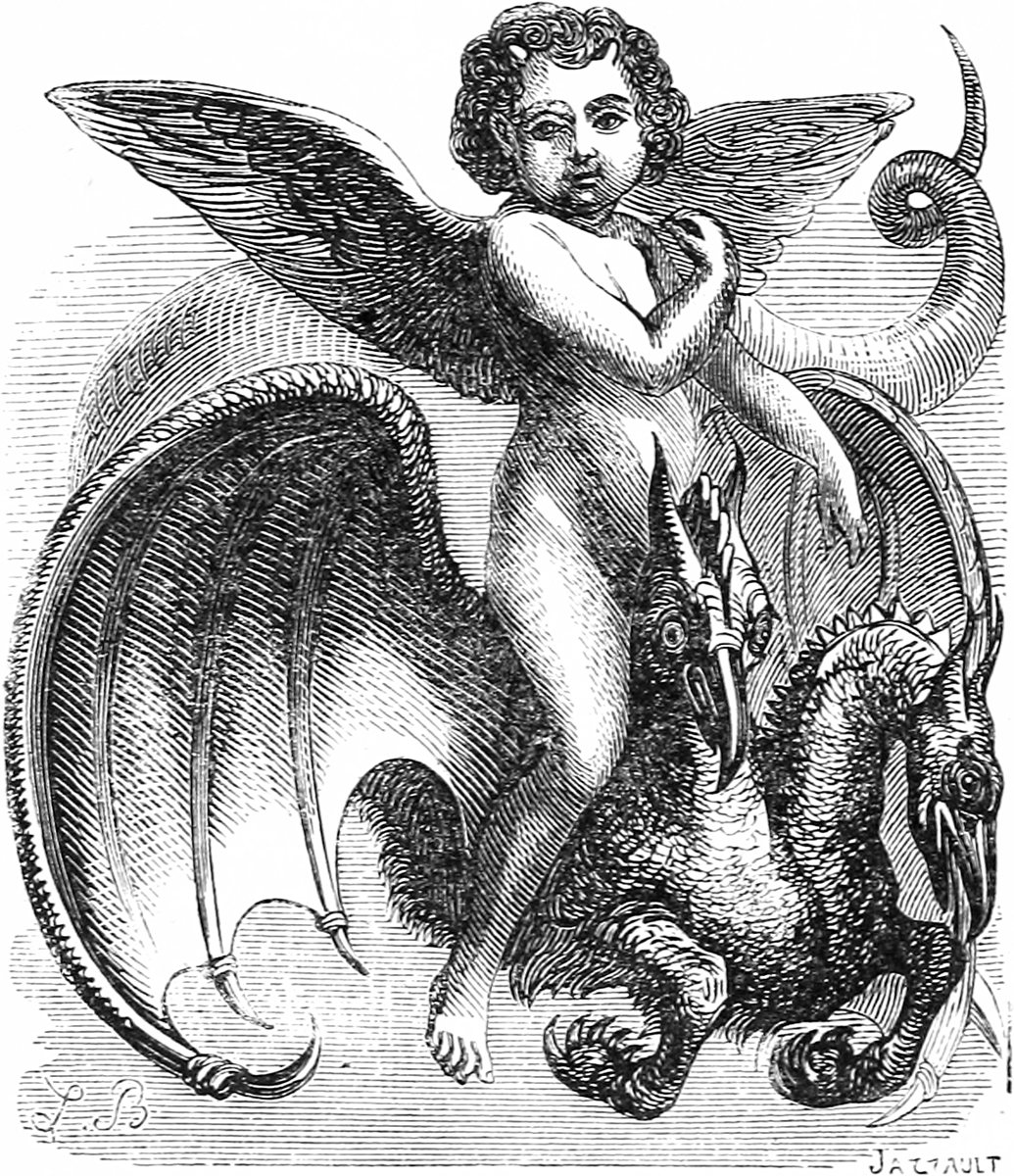
An 1863 Dictionnaire Infernal illustration labelled Lucifer. It is a nineteenth-century artist’s interpretation of demonological literature, not a verified supernatural depiction. Source. Wikimedia Commons, Public Domain.
Within Jewish and Christian religious tradition, demons are generally understood as spiritual beings opposed to divine will, in various tellings either fallen angels or beings created independently as agents of temptation and harm. Named figures like Asmodeus and Beelzebub developed across centuries of religious texts, commentary, and later folklore, accumulating specific associations (Asmodeus with lust and wrath, Beelzebub with a name whose origin is itself debated among scholars) that vary depending on which text and which era you’re drawing from. Lilith sits in an interesting overlap position here: her roots trace back to Mesopotamian folklore, and she was absorbed and reinterpreted through later Jewish folklore and mysticism into a figure closer to a demon in the more familiar theological sense, illustrating how figures move between traditions and change meaning as they go rather than staying fixed. Incubi and succubi, covered in our medieval demon lore explainer, represent another distinctly medieval Christian development: demons specifically theorized around sexual temptation and assault, a category that says as much about medieval anxieties as about any older tradition.
The Grimoire Tradition: Catalogued and Rank-Ordered
A meaningfully different tradition emerges from Western European occult and magical texts, particularly the 17th-century grimoire known as the Lesser Key of Solomon. Its first section, the Ars Goetia, catalogs 72 specific demons, each assigned a rank (king, duke, prince, and so on), specific powers, and a magical seal used in ritual evocation. This text was compiled from older material, drawing heavily on 16th-century sources like Johann Weyer’s Pseudomonarchia Daemonum, and represents an entirely different kind of “demonology” than the theological tradition above — closer to a structured reference catalog for ritual magic than a religious account of good and evil. Paimon and Valac both come specifically from this grimoire tradition, and their detailed titles, hierarchies, and seals reflect that origin — they’re catalog entries first, and any older mythological pedigree claimed for them is generally far less documented than the confident, specific grimoire descriptions suggest.
Symbols Later Rebranded as Demons
Not everything popularly filed under “demon” started out as one. Baphomet is the clearest example on this site: the name originated in medieval accusations against the Knights Templar, with no clear original meaning, and the horned-goat image most people now associate with the name was invented centuries later, in the 19th century, by occultist Eliphas Levi as a symbolic illustration — not a revival of an older demon. Treating Baphomet as an ancient evil entity with a continuous history badly misrepresents a name and image with a much stranger, more traceable, and more recent origin.
Islamic Tradition: A Different Category Entirely
It’s worth being precise here rather than flattening this into the same bucket as the above: in Islamic theology, jinn are not demons. Jinn are a distinct class of beings created by God, described in the Quran as living alongside humans, generally invisible, and — like humans — capable of following a righteous or a corrupt path. The term closer to “demon” in the Western sense is shayateen, referring specifically to the rebellious, evil jinn who work against righteous guidance, understood as a subset of jinn rather than jinn as a whole. Collapsing all jinn into “Islamic demons” misrepresents a theological category that includes morally neutral and even righteous beings, not just malevolent ones.
Regional Folk Figures: Neither Theology Nor Grimoire
A final, distinct category covers folk figures that get colloquially called demons without fitting cleanly into either formal theology or the grimoire tradition. Krampus is the clearest example here: a horned, punishing companion to St. Nicholas in Alpine folk tradition, first documented no earlier than the 16th century, and genuinely popular in European folk custom — but not part of any formal theological demonology and not descended from a documented pre-Christian deity, despite that claim circulating widely. Zozo represents an even more modern version of this same pattern: an entity widely described as an ancient demon, but actually traceable to a specific, dateable 2009 internet forum post, with only a thin, disputed claim to any older precedent.
Why This Site Doesn’t Rank Demons Into One Hierarchy
Plenty of popular content online presents demons as if they belong to one unified system — assigning every named figure a fixed rank, a fixed set of powers, and a place in a single master hierarchy that spans Mesopotamian religion, Christian theology, medieval grimoires, and internet folklore all at once. That approach makes for a clean chart, but it isn’t supported by the actual history of any of these traditions, which developed independently, in different eras, for different purposes, and frequently drew on each other’s imagery without preserving each other’s original meaning. Morbid Index’s coverage treats each figure according to its own documented tradition and history instead, which is slower to read but considerably more accurate than a single invented family tree.
Frequently Asked Questions
Is there one official hierarchy of demons? No single hierarchy is universally recognized. Different religious and occult traditions — Mesopotamian religion, Jewish and Christian theology, grimoire literature like the Ars Goetia, and various folk traditions — each developed their own separate systems, often with no direct historical connection to one another.
Are jinn the same thing as demons? No. In Islamic theology, jinn are a broad class of beings capable of good or evil, similar to humans. The term closer to “demon” is shayateen, referring specifically to the rebellious, evil jinn — a subset, not the whole category.
Where does the Ars Goetia’s list of 72 demons come from? It’s part of the Lesser Key of Solomon, a 17th-century grimoire compiled from earlier material, including 16th-century sources. It represents a Western ritual-magic tradition of cataloging spirits, distinct from religious demonology.
Were all demons originally considered evil? No. The word traces back to the Greek “daimon,” which originally described a broader, often neutral or protective category of spirit. Some figures now called demons, including some Mesopotamian ones, had protective as well as dangerous associations in their original context.
Is Krampus an ancient demon? No verified documentation supports that framing. Krampus isn’t attested before the 16th century and isn’t part of any formal theological demonology — he’s a documented Alpine folk figure, not an ancient pagan deity.