Lore & Explained / Folklore
Skarbnik: The Mine Spirit in Silesia’s Barbórka Stories
Skarbnik guarded Silesia’s mines. Learn why the spirit rewards some miners, how Saint Barbara intervenes in a 1938 story, and what Barbórka celebrates.
Topics: Skarbnik, Saint Barbara, Barbórka, Upper Silesia, Mining Folklore
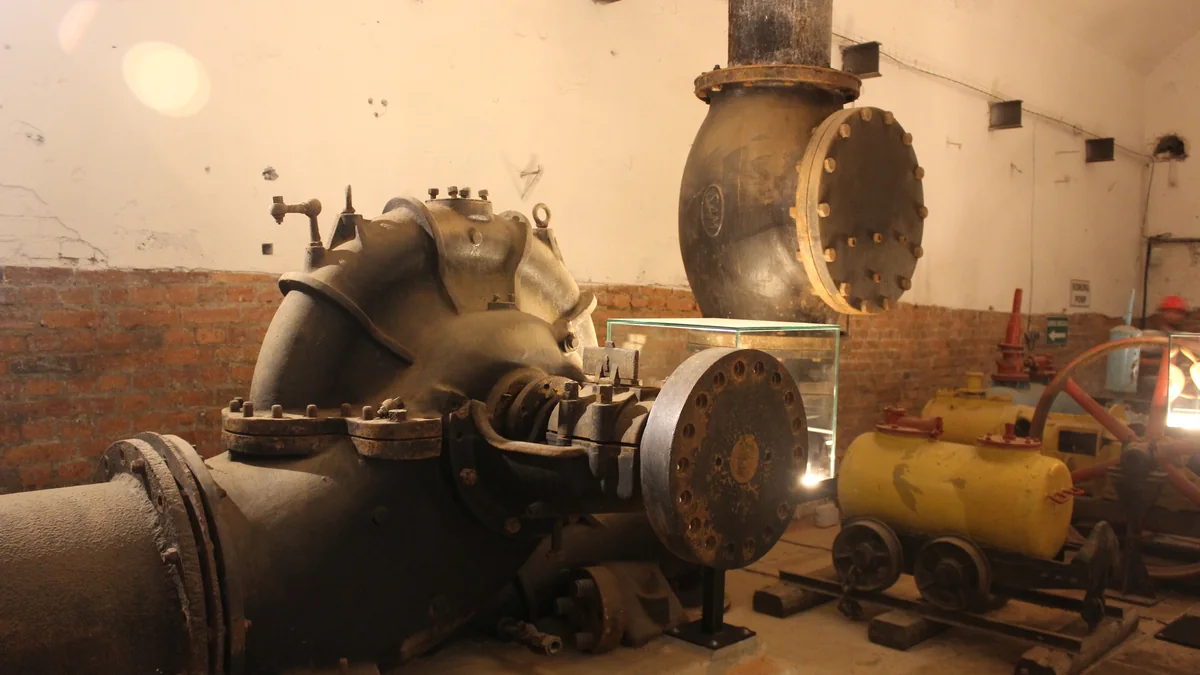
Andrzej Otrębski / Wikimedia Commons / CC BY-SA 4.0. Cropped and resized under the same license.
Skarbnik is the guardian spirit of the mine in Upper Silesian folklore. He warns or helps miners in some stories and punishes them in others. In Paul Habraschka’s 1938 retelling, Saint Barbara finds that Skarbnik has trapped a group of miners under coal and asks him to give an apprentice time to return and rescue them.
What did Skarbnik do in the mines?
In a version collected by the regional Ekomuzea network, Skarbnik appears as a bearded mine foreman with a pipe, a small pick and a candle on his headband. The old miner helps a boy meet his coal quota after the boy promises to share his wages. When the boy keeps the bargain, the miner reveals himself as Skarbnik and tells him to keep the money. The work matters, but the test of character comes on payday, when the boy could have kept the wages for himself.
The mine in that tale is a place where a young worker learns whom to trust and what a promise costs. In East Anglia, accounts of Black Shuck attach a different legendary figure to familiar roads and lanes. Both traditions give recognizable places a character of their own.
What happens in the 1938 story?
In Legende von der heiligen Barbara, printed in issue 25 of the German-language newspaper Nach der Schicht, Barbara asks why Skarbnik persecutes and kills miners. Marcin Szymczyński’s study identifies the text and traces their exchange. The spirit sees miners laughing and failing to take their duties seriously despite an experienced colleague’s warnings. Barbara asks him to think about what their deaths would mean for the families waiting above ground.
Skarbnik buries the men in coal. Barbara asks for time and encourages the frightened apprentice Stanik to go back for them. That is the sharpest difference between the two tales. In the wage story, the spirit tests one worker and rewards him. In Habraschka’s story, Barbara argues for the whole crew, and the youngest miner is the one who can help. The published retelling is evidence for how Habraschka wrote the legend in 1938. It does not document a mine accident. The Centralia mine fire offers a useful comparison because the evidence for that real event and the later stories told about it can be traced separately.
Where does Barbórka fit in?
Barbórka is the December 4 miners’ celebration named for Saint Barbara. The regional heritage account describes church services, miners’ processions and gatherings. It traces Upper Silesian celebrations to earlier miners’ festivals in Tarnowskie Góry. Skarbnik belongs to the stories told about mines. Barbara is the patron honored by the holiday.
The two traditions can still appear side by side. Lubliniec Public Library lists a Skarbnik workshop for December 4, 2026, where participants are invited to make the spirit and its underground setting in a jar. The date falls just after Andrzejki, Poland’s St Andrew’s Eve wax ritual. The two customs have different purposes. Andrzejki folklore looks for signs about the future, while these mining stories ask what makes someone worthy of help underground.
Frequently asked questions
Is Skarbnik the same figure as Saint Barbara?
No. Skarbnik is the mine spirit in Silesian legends. Saint Barbara is the miners’ patron. In Paul Habraschka’s 1938 story, she intervenes when Skarbnik traps the miners and encourages Stanik to help them.
Is Skarbnik always a helpful spirit?
No. In the version shared by Ekomuzea, he helps a boy and rewards his honesty. In the 1938 account, he punishes the miners after they ignore warnings from a colleague.
When is Barbórka celebrated?
Barbórka falls on December 4, Saint Barbara’s feast day. The Upper Silesian tradition includes processions, religious services and miners’ gatherings.
Hero photo: Andrzej Otrębski / Wikimedia Commons. The pumps are at the Guido Coal Mine museum in Zabrze. Cropped and resized under CC BY-SA 4.0.Sources & further reading
- Marcin Szymczyński, Saint Barbara in Upper Silesian literature, Acta Neophilologica (2024)
- Ekomuzea, Skarbnik: the spirit of the mine
- Górnośląsko-Zagłębiowska Metropolia, Barbórka
- Lubliniec Public Library, December 4 Skarbnik workshop
- Coal Mining Museum, Guido Coal Mine
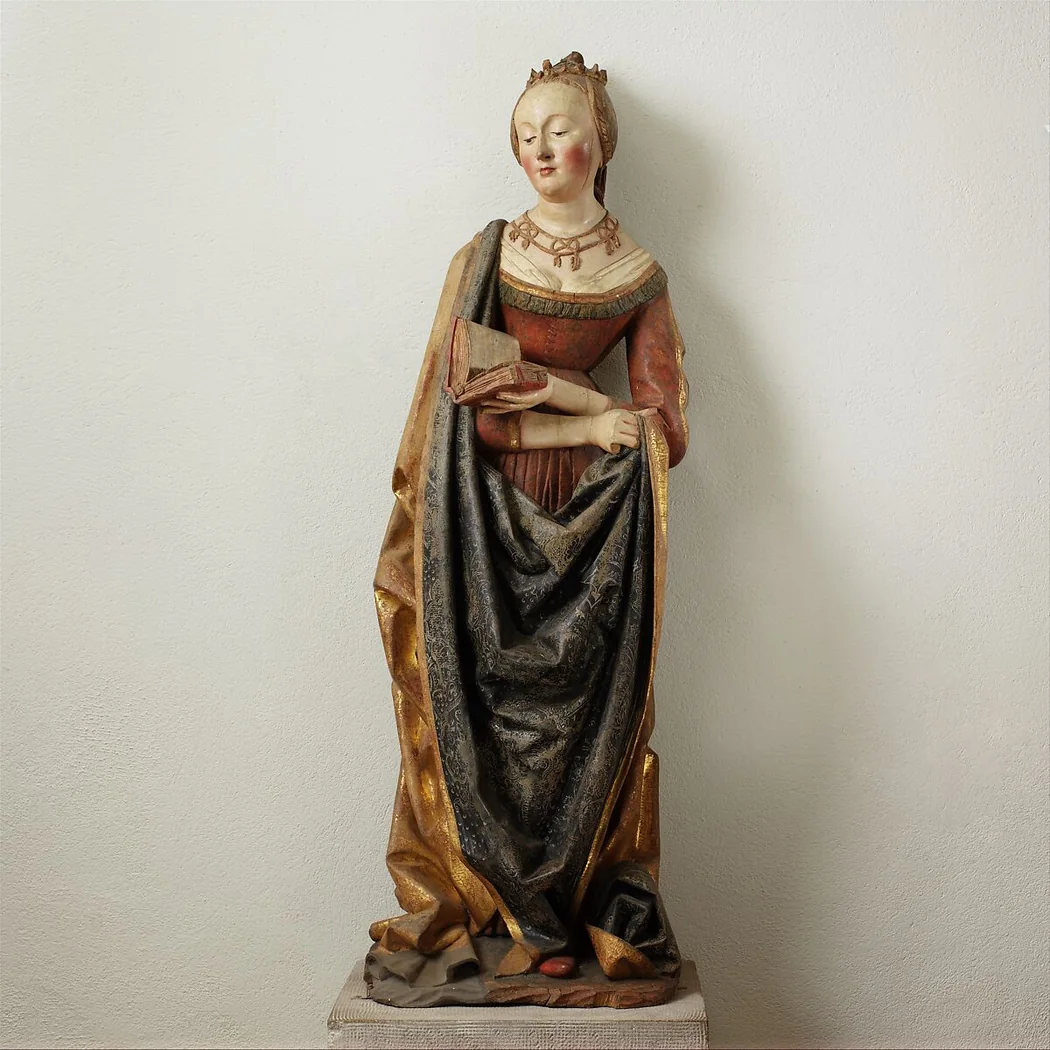
- The Metropolitan Museum of Art, Saint Barbara (ca. 1490)