Lore & Explained / Folklore
Andrzejki: The Wax and Key Ritual of St Andrew’s Eve
On Poland’s St Andrew’s Eve, wax poured through a key casts a shadow. Learn how the shapes were read and how Andrzejki differed from Katarzynki.
Topics: Andrzejki, St Andrew’s Eve, Polish Folklore, Wax Divination, Katarzynki
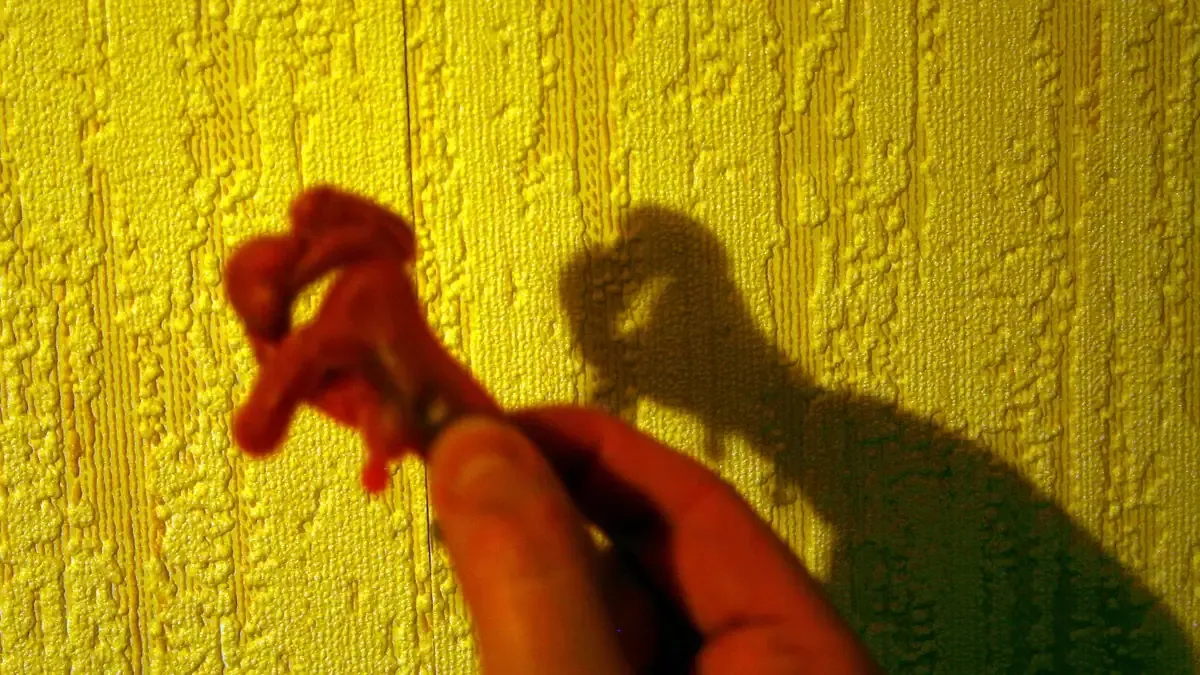
Przykuta / Wikimedia Commons / CC BY-SA 4.0. Cropped and resized under the same license.
In Poland, Andrzejki is the night of November 29 into 30, when people have traditionally tried to tell fortunes. In its best-known custom, molten wax is poured through the opening in a key into cold water. The hardened figure is held to a light, and the shadow it casts is read for clues about the future, especially marriage.
What do you read in the wax?
The wax and its shadow can look strikingly different. In Przykuta’s photograph of an Andrzejki casting from 2008, the red wax fills the foreground while its outline on the wall looks like a figure with a bowed head. Turning the casting can change which outlines stand out. The shape gives the group something to interpret together, which helps explain how the custom works as a game today.
Ethnologist Małgorzata Michalska describes looking for a person or object in the shadow. The account gives no universal set of meanings for the shapes. It also describes other methods, including an apple peel thrown behind the participant in the hope that it would resemble the first letter of a future husband’s name. There is a useful contrast with Hand of Glory Explained: The Thief’s Candle and the Whitby Museum Object, where candlelight had a different imagined role in British folklore.
Why were there two nights for marriage fortunes?
The Museum in Piotrków Trybunalski dates Katarzynki to the night of November 24 into 25, and Andrzejki to November 29 into 30. In the traditional accounts, boys sought clues to a future wife on St Catherine’s Eve, and girls sought clues to a future husband on St Andrew’s Eve. Some tests crossed the calendar divide. Michalska describes young people on either night putting names under their pillows or watching a cut cherry branch for blooms by Christmas.
The approaching Advent season mattered. Michalska notes that rural weddings often took place in autumn after fieldwork and were prohibited during Advent. Where the calendar put November 30 relative to the first Sunday of Advent could vary. That link between the date and the meaning of a custom also shows up in Why You Shouldn’t Pick Blackberries After Michaelmas: The Devil’s Spit Folklore Explained.
What does the 1867 painting show?
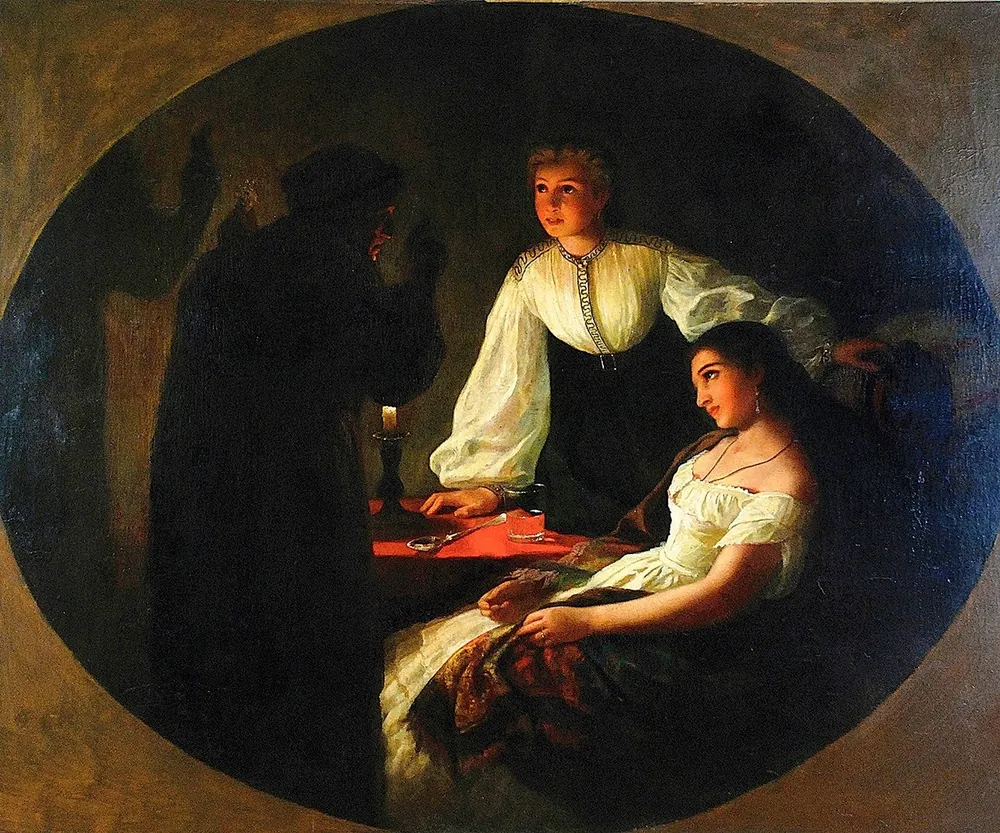
Henryk Siemiradzki’s St. Andrew’s Night places three figures around a candlelit table. One figure stands in deep shadow while two faces catch the light. The painting is a nineteenth-century interpretation of the fortune-telling scene. The Polonika Institute compares its nocturnal atmosphere with another of the artist’s depictions of a ritual night. The ethnologist’s account supplies details the painting cannot, including the regional variant in which two floating nutshells represented a potential couple and, in Silesia, a third could represent a priest.
How is the custom remembered today?
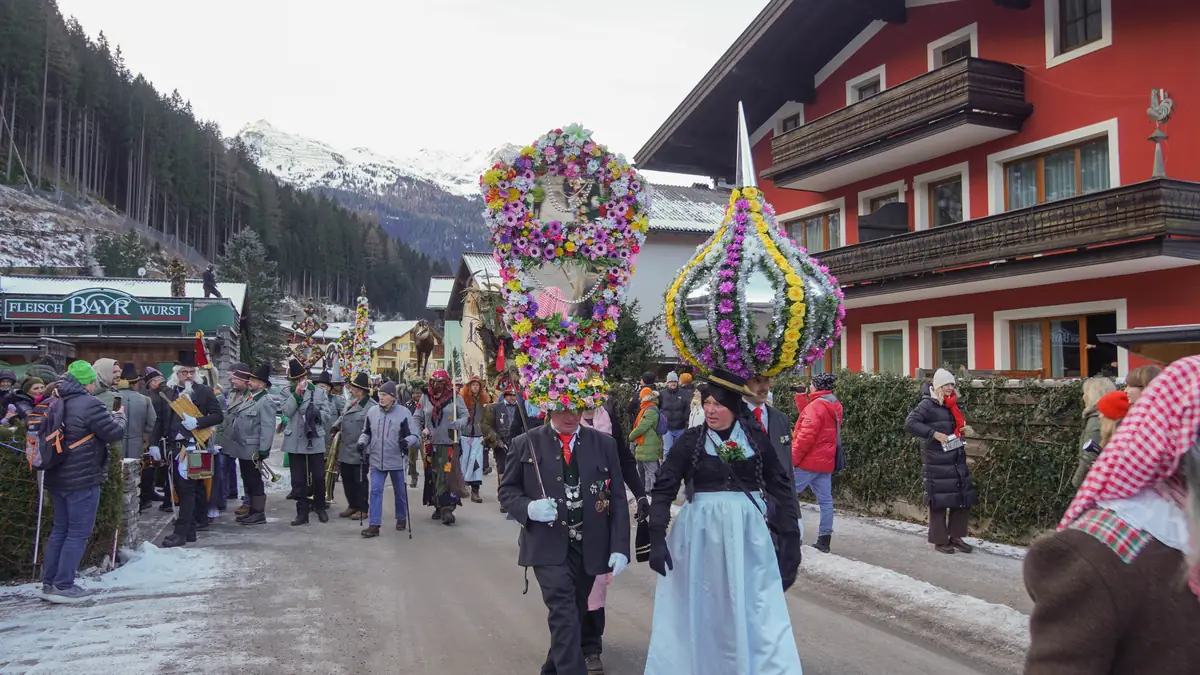
For November 27, 2026, the Piotrków museum scheduled a public lecture by ethnographer Marta Dekańska on both evenings and the customs recorded in the region. Its program describes wax, shadows, dreams and branches as ways people once sought signs about relationships. A workshop can reproduce the objects and actions. What participants make of a shadow belongs to the game. Another example of how historical customs survive in specific settings is Gasteiner Perchten: Why They Wear Towering Headdresses, where the decorations and gestures have a documented local context.
Frequently asked questions
When is Andrzejki in Poland?
The traditional night is November 29 into November 30. St Andrew’s Day itself is November 30.
What is the key used for in Andrzejki?
Molten wax goes through the opening in the key into cold water. Once the wax hardens, participants illuminate the casting and interpret the shadow it makes.
How does Andrzejki differ from Katarzynki?
Andrzejki fell on St Andrew’s Eve and was traditionally associated with girls’ marriage fortunes. Katarzynki fell on St Catherine’s Eve, November 24 into 25, and was traditionally associated with boys’ fortunes.
Hero photo: Przykuta / Wikimedia Commons, cropped and resized under CC BY-SA 4.0.