Lore & Explained / Urban Legends
Spring-Heeled Jack Explained: The Victorian Attacks, Newspaper Panic, and Monster Legend
Spring-Heeled Jack emerged from 1830s London reports of assaults, frightening disguises and impossible leaps. What is documented, what newspapers shaped, and how a Victorian scare became a monster.
Topics: Spring-Heeled Jack, Victorian London, Urban Legends, Penny Dreadfuls
Nineteenth-century printed ephemera / Public Domain via Wikimedia Commons
London did not wake one morning to a finished monster. Spring-Heeled Jack assembled himself in public: a run of rumors, some reported assaults, anxious newspaper coverage, satire, serial fiction and decades of people borrowing an already famous name for their own frightening encounter.
The earliest reports matter because they are much less tidy than the figure on modern book covers. The cape, claws, flames, red eyes and impossible jumping ability were not delivered as one consistent description by one set of witnesses. They hardened over time.
The Letter at Mansion House
In January 1838, Lord Mayor Sir John Cowan publicly mentioned an anonymous letter warning that young women had been frightened or attacked by men in disguises around London. The letter described men who wore costumes and made grotesque attempts to alarm passersby. Cowan called for efforts to identify them.
That public notice did not prove a single offender existed. It did show that something broader than a solitary campfire story was circulating: concern about attacks and masquerade, amplified by a press eager for a memorable menace.
The name “Spring-Heeled Jack” was already in use around the reports. Once a name is available, it becomes a container. An assault, a prank or a sighting can be placed inside it even when the accounts do not match.
Jane Alsop and Lucy Scales
The two most frequently repeated 1838 cases involved young women.
Jane Alsop told a magistrate that, on February 19, a man at her family’s door claimed to be a police officer who had caught Spring-Heeled Jack and needed a light. When she went outside, she said he grabbed her, tore at her clothes and breathed or spat something blue-white that dazzled her. Her family intervened.
Eight days later, Lucy Scales and her sister Margaret reported an encounter in Green Dragon Alley, Lambeth. Lucy said a tall man with a lamp produced a blue flame from his mouth and left her temporarily unable to see. Contemporary reporting carried both stories widely.
These are claims made by real complainants in a real period of press attention. They are not laboratory observations. The attacks have never been tied to a verified individual, and the reported flame and extraordinary movement cannot be treated as demonstrated abilities.
The Marquis Theory
The Marquess of Waterford has often been named as Spring-Heeled Jack because he had a reputation for destructive pranks and was wealthy enough to make an appealing villain. The theory has been repeated so often that it can sound solved.
It is not. No contemporary evidence conclusively identifies him as the attacker in the Alsop or Scales cases. A notorious aristocrat and a fashionable public scare were an easy match in later retelling, not a courtroom-grade identification.
From Assailant to Superhuman
Accounts through the nineteenth century increasingly gave Jack enormous leaps, metallic claws, devilish eyes and an elaborate costume. Some may reflect genuine eyewitness belief. Others arrived after readers had learned exactly what Spring-Heeled Jack was supposed to look like.
Penny dreadfuls and stage entertainments sealed the transformation. They gave the figure recurring adventures and a visual identity far more consistent than the 1837–38 reports. Fiction then fed the folklore: later people could describe the character they had seen in print, even when the original scare had been less precise.
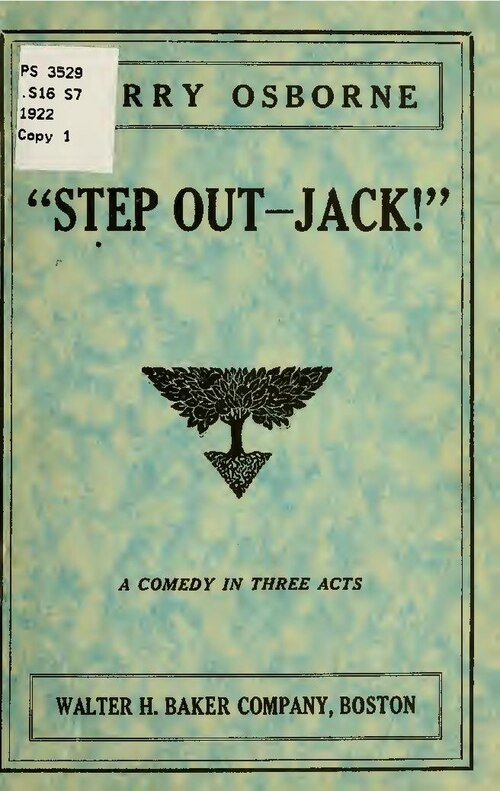
Victorian popular print helped turn “Jack” into a reusable entertainment figure. This item is contextual evidence of the print culture, not proof of an encounter. Public Domain via Wikimedia Commons.
Was Spring-Heeled Jack Real?
The best supported answer is that the legend grew around a mixture of reported assaults, disguises, urban rumor and popular fiction. A human attacker or attackers could account for the core danger. Fear, darkness, an unfamiliar costume and prior newspaper stories can make a moment feel impossible without making the person supernatural.
That does not mean every witness lied. It means the record does not support the leap from a frightening Victorian panic to a provably inhuman criminal.
Spring-Heeled Jack is a useful contrast with Slender Man. Slender Man has an unusually traceable online birth. Jack’s origin is messier: the paper trail survives, but it already contains journalism, rumor and performance tangled together.
Frequently Asked Questions
Did Spring-Heeled Jack really breathe fire? Jane Alsop and Lucy Scales reported blue-white flame or light, but that is witness testimony, not proof of a supernatural ability.
Who was Spring-Heeled Jack? No perpetrator was identified. The Marquess of Waterford is a popular suspect in later accounts, not a proven answer.
Why was he called spring-heeled? The name refers to reports that he could make extraordinary leaps. Later fiction emphasized that feature and made it central to the legend.