News
Tunnug 1 Cannabis Find: What the Hair Evidence Can Tell Us
Cannabis seeds and preserved hair from Tunnug 1 support a claim of ancient drug use. Independent experts disagree over what the hair analysis establishes.
Topics: Tunnug 1, Scythians, Archaeology, Cannabis, Siberia
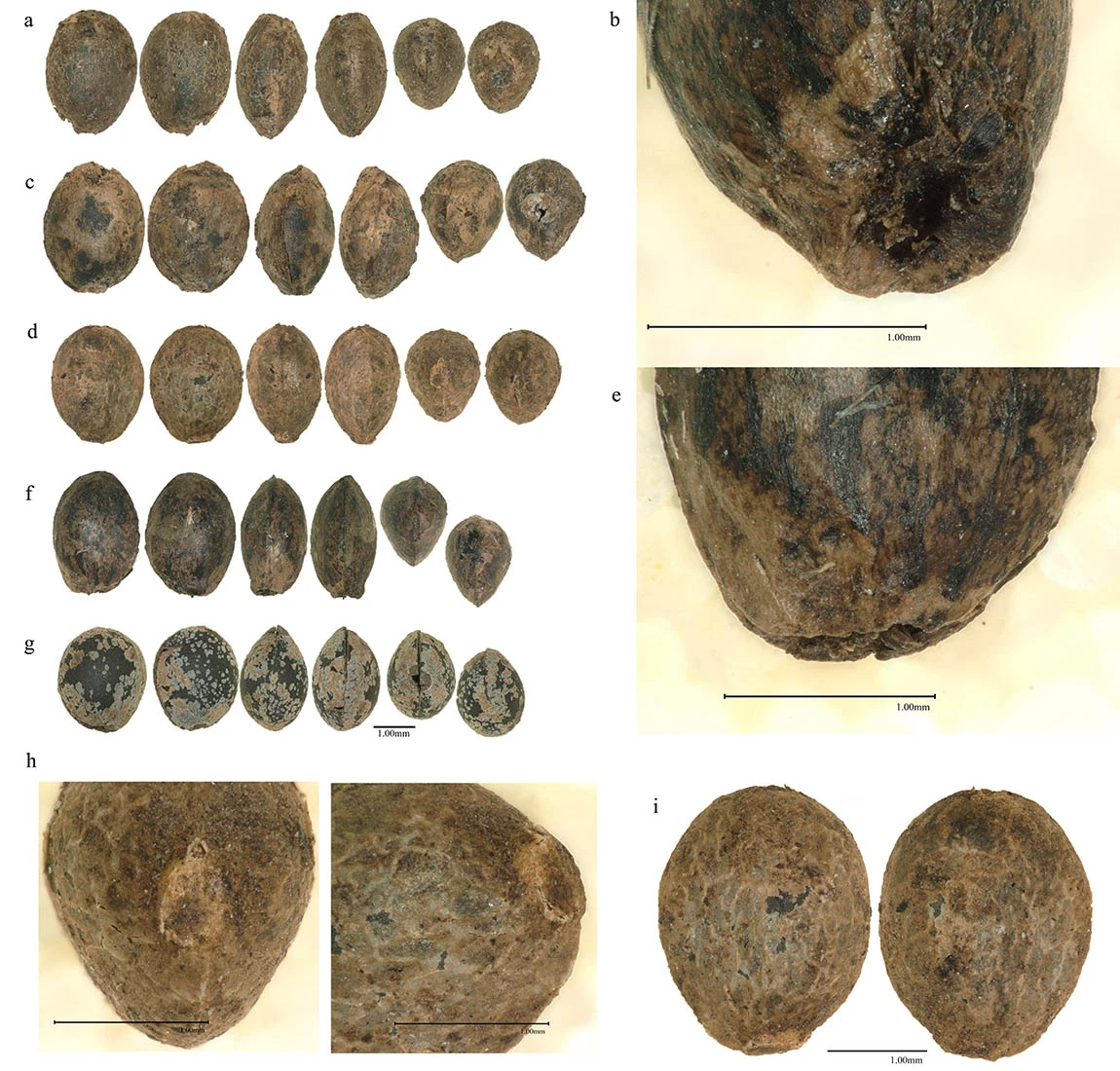
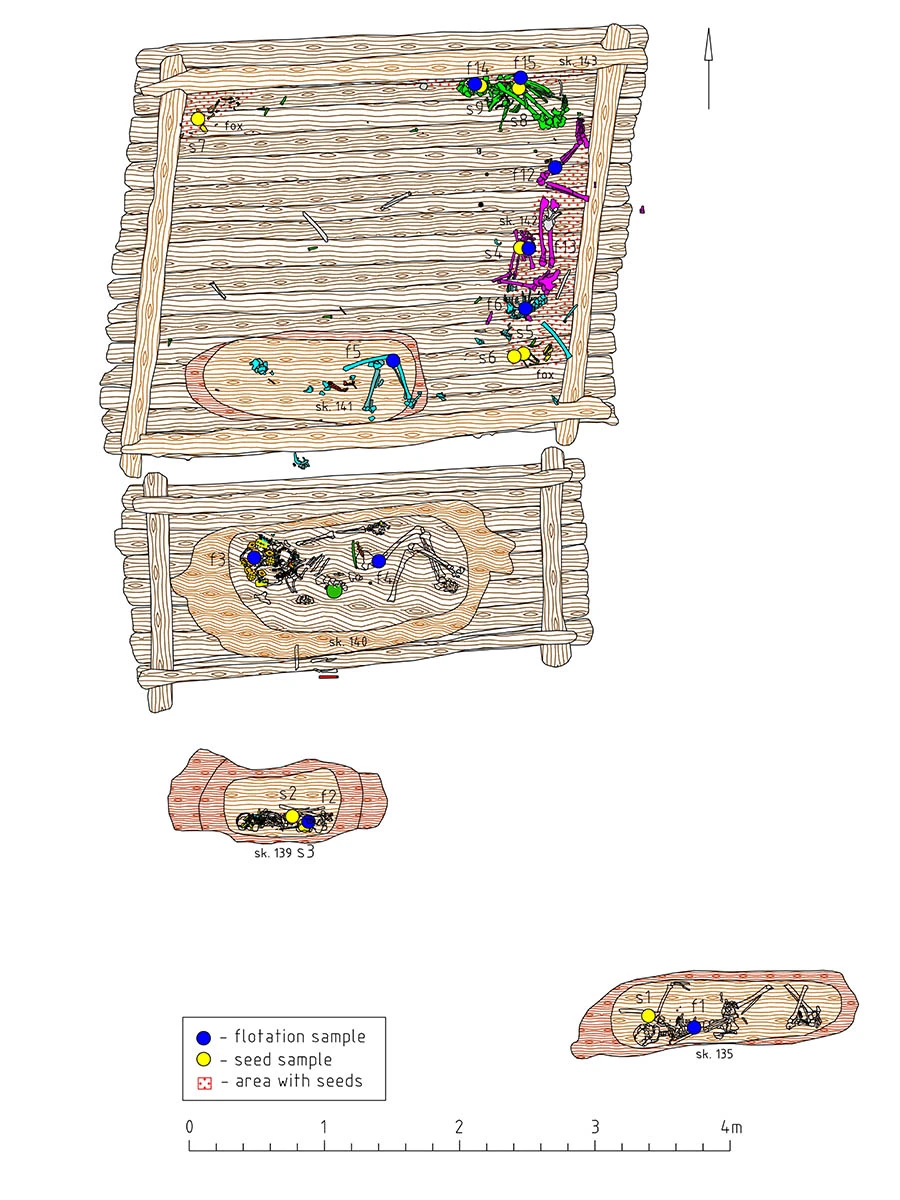
Researchers say cannabis seeds and preserved hair from Tunnug 1, a Siberian burial site, point to intoxicating use about 2,800 years ago. That interpretation is disputed. The central question is whether traces in the hair establish consumption, rather than contact with plant material after burial.
What was found
The University of Bern’s November 5 announcement describes roughly 1,000 seeds. Six were radiocarbon-dated; the results place their deposition in the early eighth century BCE.
The team reports signals consistent with cannabinol (CBN) in hair and weaker signals consistent with THC. Lead author Gino Caspari interprets the combination as evidence of psychoactive use. The university identifies the new paper as a November 5 publication in Science.
Why the interpretation is contested
Associated Press reports differing assessments from two researchers who were not involved. Volker Auwaerter, a forensic toxicologist at University Medical Center Freiburg, argues that the data do not distinguish consumption from external exposure: hair buried beside cannabis could acquire traces without the person having used it.
Elisa Guerra Doce of the University of Valladolid supports the authors’ interpretation that the plant was consumed, rather than simply included as an offering. Those are attributed expert assessments, not a resolved consensus.
What remains unknown
Even the research team’s account does not establish a dose, a definite consumption method or the plants’ THC potency. It also cannot show that cannabis was cultivated for stronger effects. The finding should not be read as proof that anyone was drugged for a sacrifice.
Dating an object, identifying a substance and reconstructing a person’s experience are separate questions. For another burial where scientific evidence supports a narrower conclusion than a possible life story, see the Fallward boat burial and its leprosy DNA.