The Index
What Was Found in the Wandlebury Burial Pit?
A pit near Cambridge held remains of at least ten people. See what the Wandlebury excavators found and why they are still weighing how the group died.
Topics: Wandlebury, Cambridge, Archaeology, Early Medieval England, Burials
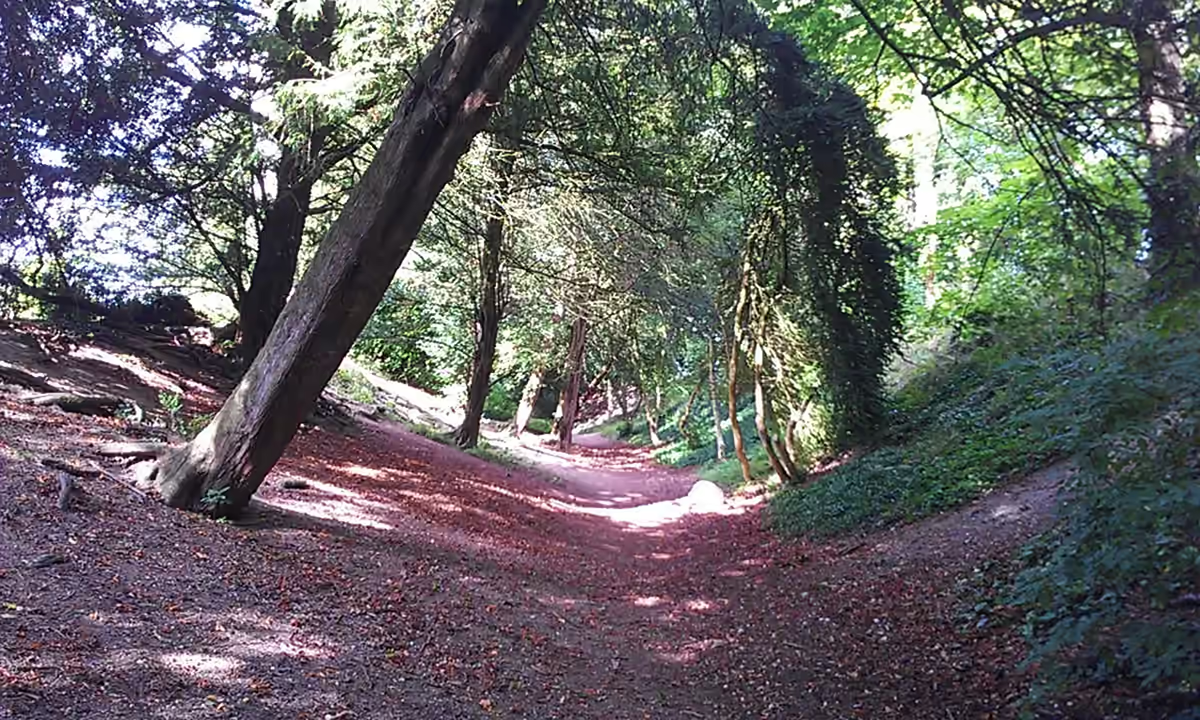
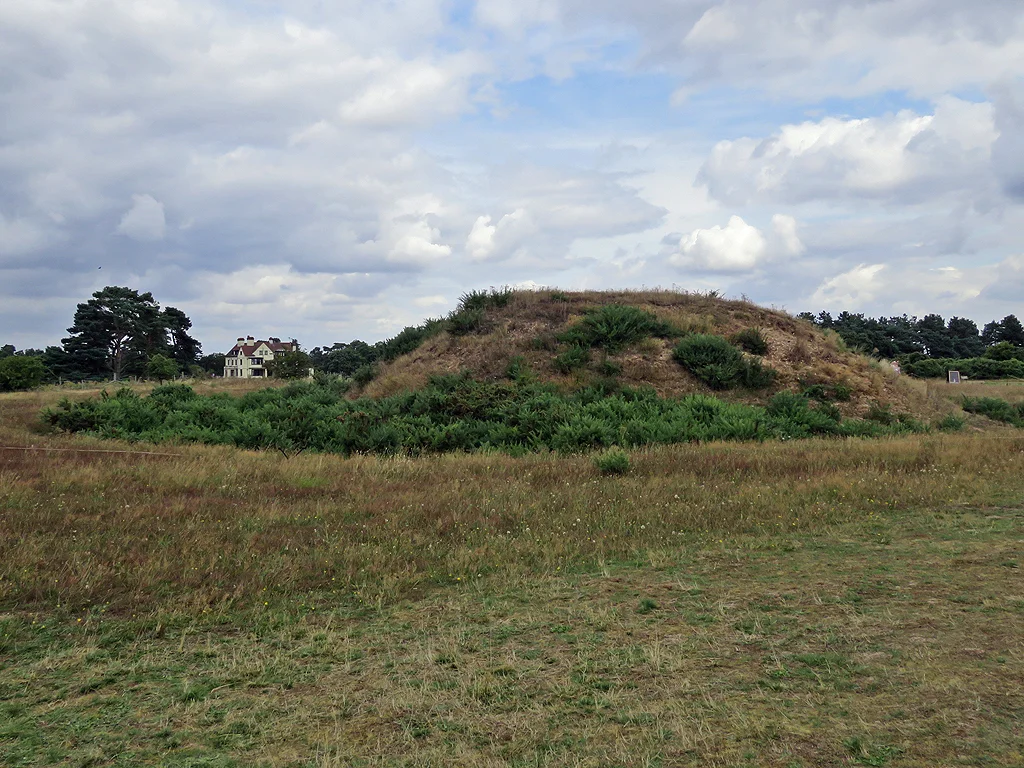
Ethan Doyle White / Wikimedia Commons / CC BY-SA 3.0
The Wandlebury burial pit near Cambridge held the remains of at least ten people. Cambridge archaeologists found evidence of violence and obtained an early medieval date for one skeleton. The circumstances of the burial are still uncertain, with execution and burial after fighting among the explanations researchers have considered.
What did the excavators find?
The pit came to light during a University of Cambridge training excavation in 2025. The university counted ten people from the number of skulls, and an announcement for the November 19 research talk describes at least ten. Some bones were still in anatomical position and others were separated. That mix complicates any account of when and how the remains came to lie together.
The excavators identified at least one decapitation. Another individual had an opening in the skull that the university interpreted as evidence of trepanation. Those observations do not establish a single cause of death for the group or explain why the bodies were deposited in the same pit.
How old are the remains?
The university’s initial radiocarbon result for the man with the skull opening places him between AD 772 and 891 at 85 percent probability. That range overlaps the period of Viking activity in England. The published result applies to that individual, so it cannot establish a date for every deposition or identify anyone’s origin.
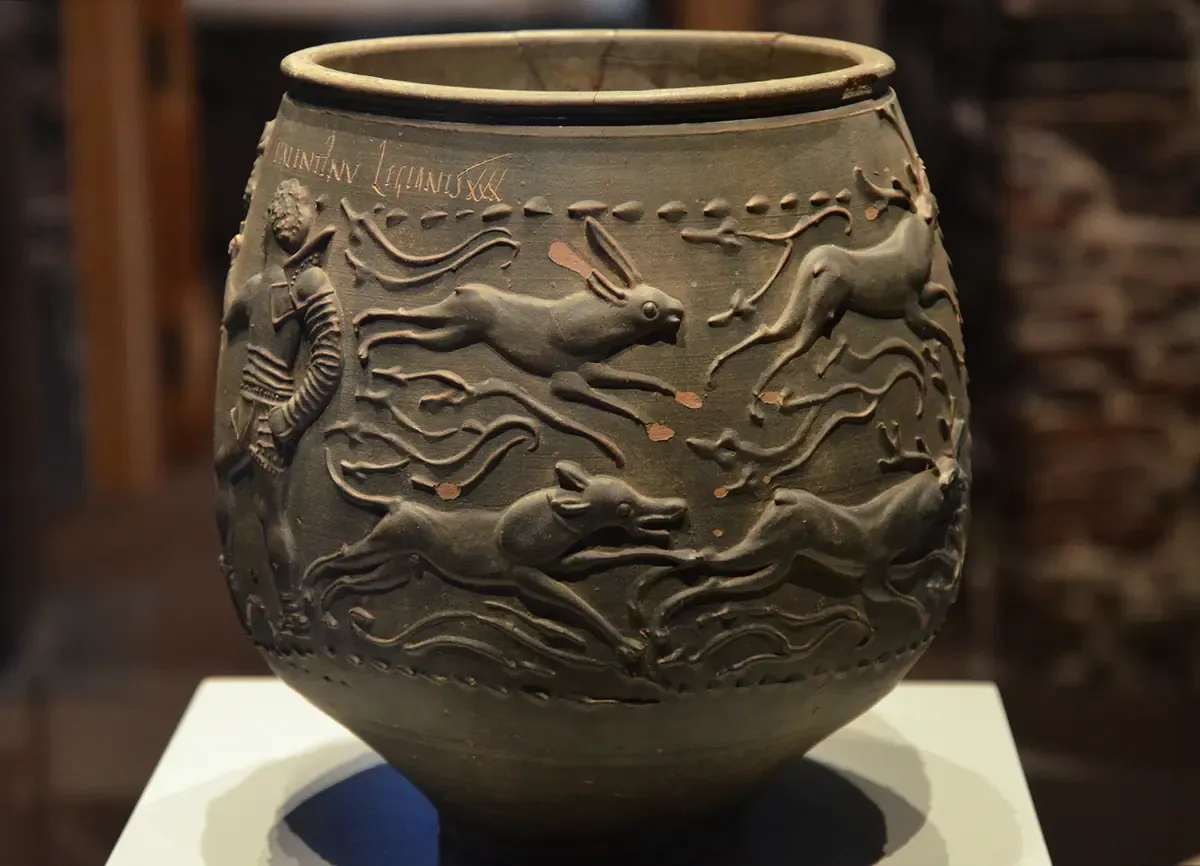
There is a similar distinction between a place and a person in Who Was Buried in the Colchester Vase?. At Wandlebury, the surrounding hillfort is much older than the date from the skeleton. A site’s best-known period cannot date every feature found there. What Lies Beneath Norway’s Grønhaug Viking Ship Burial? examines another burial landscape with evidence from more than one period.
Does the evidence prove an execution?
The physical evidence supports at least one decapitation. An execution is a possible explanation, but the available accounts give no verdict on a single event or its participants. The arrangement of the remains, additional dating and a fuller assessment of injuries could help separate a burial after fighting from other possibilities.
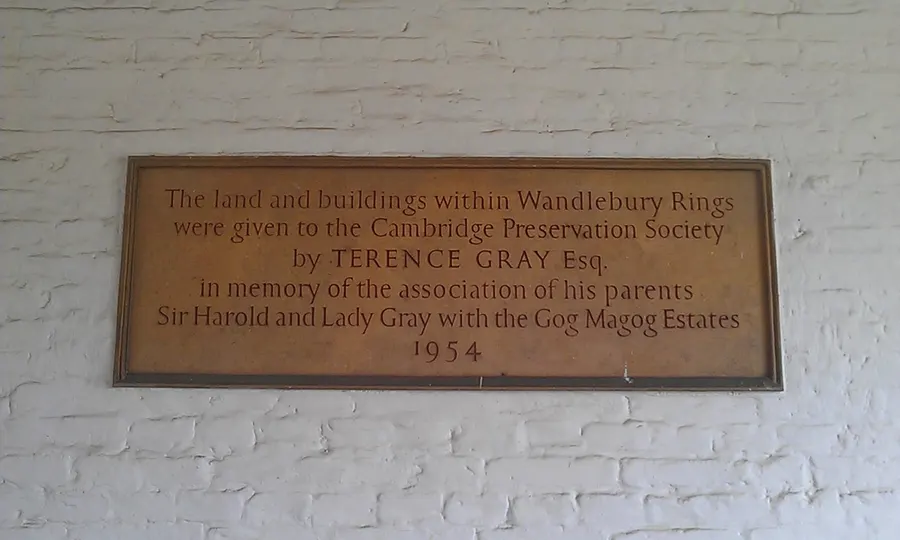
The project is examining the hillfort beyond the burial, including how its spaces were used over time. The interim fieldwork report records survey work and excavation across the site. As What Sutton Hoo’s Garden Field Sand Body Reveals illustrates, knowing that a burial took place is often the start of the investigation into how it happened.
Sources
- University of Cambridge: The Wandlebury training excavation
- Aldred and Brudenell: Interim report on 2025 fieldwork
- Cambridge Past, Present & Future: November 19 excavation talk
- Historic England: Wandlebury geophysical survey
Frequently asked questions
What did the excavators find?
The pit came to light during a University of Cambridge training excavation in 2025. The university counted ten people from the number of skulls, and an announcement for the November 19 research talk describes at least ten. Some bones were still in anatomical position and others were separated. That mix complicates any account of when and how the remains came to lie together.
How old are the remains?
The university’s initial radiocarbon result for the man with the skull opening places him between AD 772 and 891 at 85 percent probability. That range overlaps the period of Viking activity in England. The published result applies to that individual, so it cannot establish a date for every deposition or identify anyone’s origin.
Does the evidence prove an execution?
The physical evidence supports at least one decapitation. An execution is a possible explanation, but the available accounts give no verdict on a single event or its participants. The arrangement of the remains, additional dating and a fuller assessment of injuries could help separate a burial after fighting from other possibilities.