The Index
Wendover’s Roman Infant Burial: What the Jar and Two Dates Reveal
An inverted jar and two radiocarbon dates help explain a Roman infant burial found at Wendover, Buckinghamshire, and where the evidence runs out.
Topics: Roman Britain, Archaeology, Radiocarbon Dating, Buckinghamshire
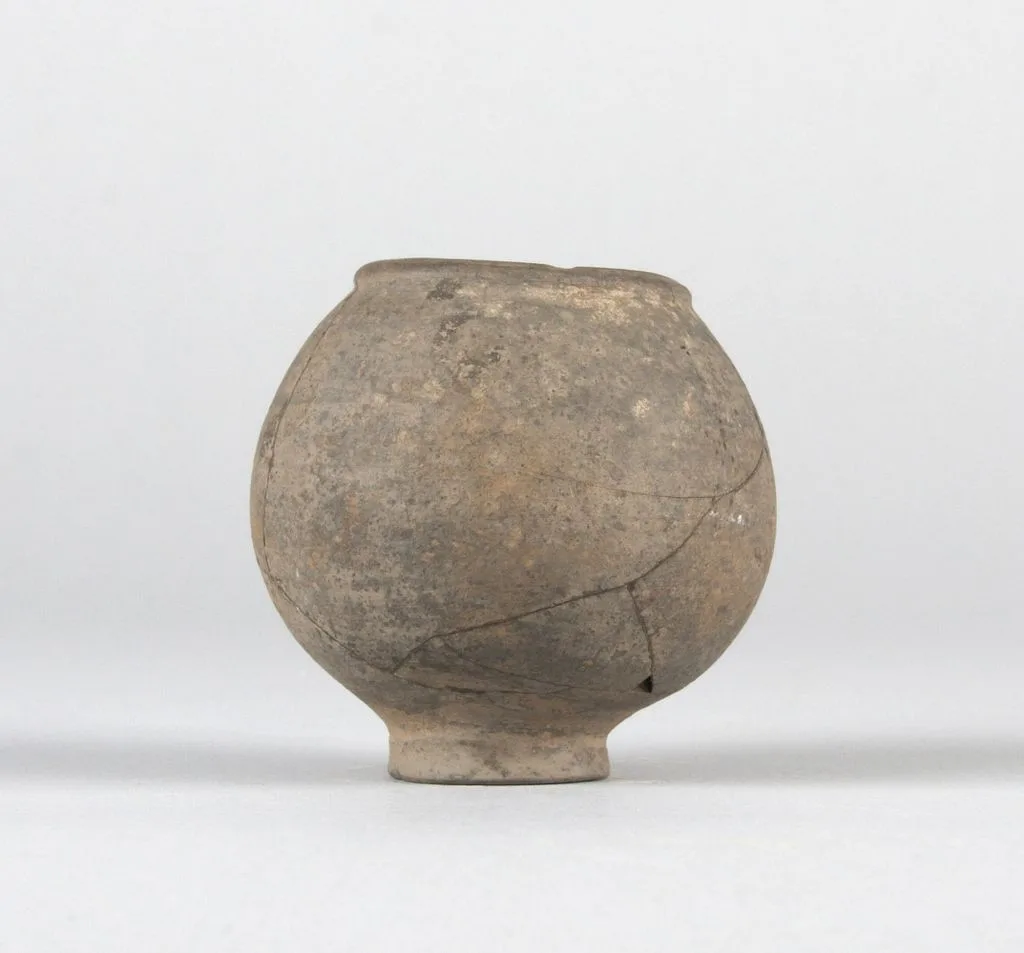
Archaeologists at Wendover in Buckinghamshire found an infant buried inside an inverted Roman jar. They estimate the child was about nine months old. Radiocarbon results for the infant and a hen found near the jar’s opening point to a burial in the third or early fourth century CE. The vessel helps explain how the infant was buried. The family’s origins remain uncertain.
Cotswold Archaeology excavated the site in 2024 ahead of work on the new Wendover Cricket Ground. In a November 2026 account, the team’s human-remains specialist Sharon Clough described the deposit alongside other infant and child burials from the Roman farming settlement.
What the excavators found in the jar
The ceramic vessel was a jar with an outward-flaring lip. Its clay contained fragments of shell. The jar had been inverted over the infant, and later disturbance had cut away its base. Near the opening were the remains of a mature hen and a smaller perching bird. The published account provides radiocarbon results for the hen and infant.
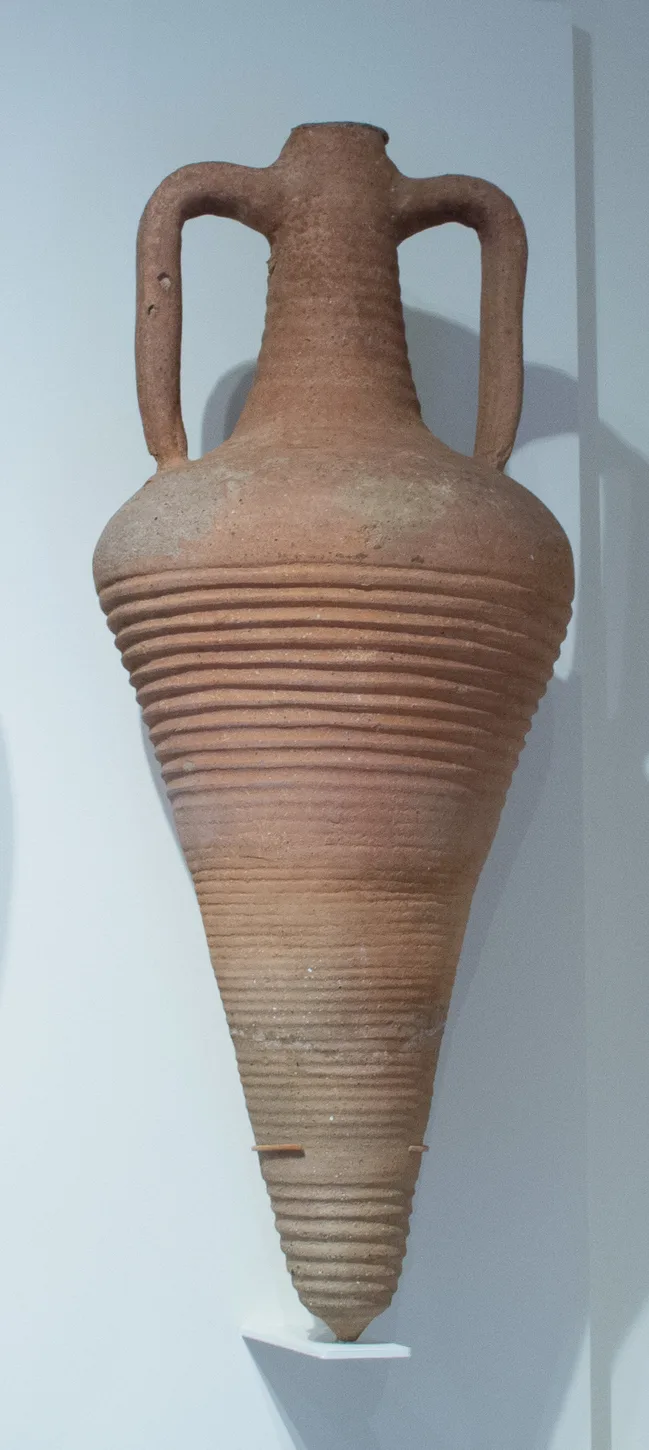
An early third-century Roman transport amphora illustrates a different vessel shape from the Wendover jar. The Metropolitan Museum of Art, Cesnola Collection, 74.51.356. Public domain.
What the two radiocarbon dates tell us
The infant’s published calibrated range is CE 131–329. The hen’s is CE 237–346. If both were deposited together, the overlap of CE 237–329 shows where the two reported intervals agree. That overlap is a way to read the published ranges. The excavation team describes the burial more broadly as early third to early fourth century CE.
The reported result from the hen helps narrow the likely period because its range starts more than a century later than the infant’s. Context is what makes the comparison useful. At Wendover it is the hen’s position at the jar’s opening. At Rødhals in Denmark, another burial illustrates a different problem: diet can affect the date obtained from a person’s remains.
Why bury a child in a jar?
Clough notes that infants in Roman Britain were sometimes buried within settlements, including around buildings and crop-drying facilities. Earlier evidence reviewed in Britannia also shows how burial locations and practices varied by community and by the age of the child. Being buried near a place where people worked or lived was compatible with established local practices. See also Colchester Vase Burial: Who Was Inside the Roman Urn?.
The inverted jar is the unusual detail. Clough points to parallels with Mediterranean infant burials and raises the possibility of a family connection. A similar burial practice can also spread between communities. The published Wendover evidence leaves open both the family’s origins and the significance of the two birds. The jar and the dated remains give a much clearer picture of the burial itself.
Sources & further reading
- Sharon Clough, Cotswold Archaeology: Roman infant vessel burials at Wendover
- Britannia: New Perspectives on Child and Infant Burial in Britain
Frequently asked questions
Why bury a child in a jar?
Clough notes that infants in Roman Britain were sometimes buried within settlements, including around buildings and crop-drying facilities. Earlier evidence reviewed in Britannia also shows how burial locations and practices varied by community and by the age of the child. Being buried near a place where people worked or lived was compatible with established local practices.