Lore & Explained / Folklore
Werewolves Explained: The History of Lycanthropy, Wolf Trials, and the Full-Moon Myth
Werewolf traditions range from ancient transformation stories to early-modern trials and modern horror rules. The full moon was not an original universal feature.
Topics: Werewolves, Lycanthropy, Folklore
Camilo Díaz Baliño / Wikimedia Commons (Public Domain)
Werewolves belong to several histories at once: stories of transformation, early-modern accusations, medical language and modern film. None of those histories proves that people could become wolves. They show how communities used the idea to explain violence, fear, illness and the boundary between human and animal.
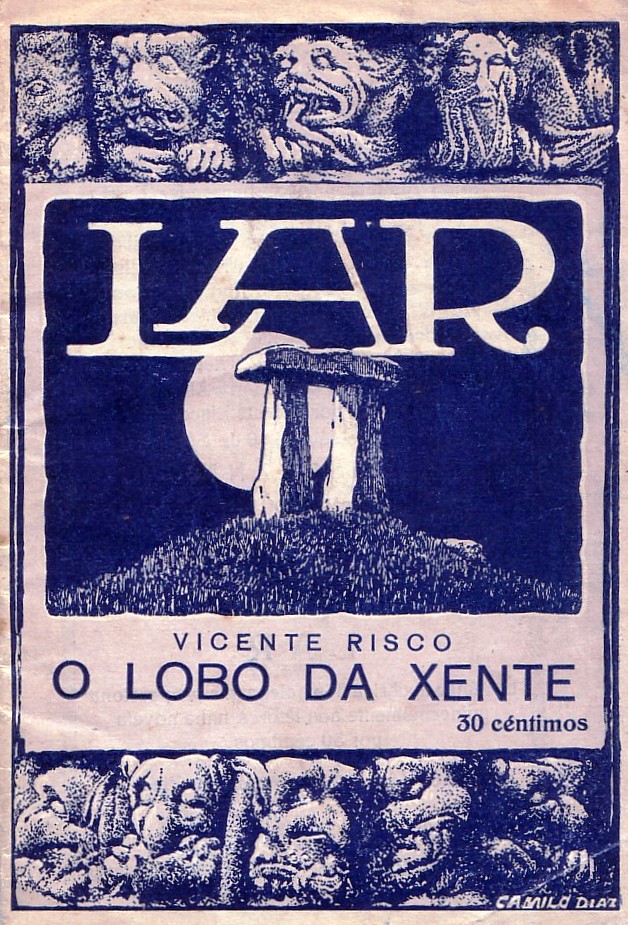
A twentieth-century illustration for Vicente Risco’s story “O lobo da xente.” It represents a literary werewolf, not historical evidence of transformation. Source. Camilo Díaz Baliño / Wikimedia Commons, Public Domain.
Folklore and prosecutions
Greek stories about Lycaon are important literary antecedents, but they are not a single origin point for every later werewolf tradition. Medieval and early-modern European accounts varied by place. Some described belts, skins, salves or pacts; others treated wolf transformation as a crime linked to witchcraft.
The cases of Peter Stumpp, Gilles Garnier and Jacques Roulet are historical legal episodes, not evidence that their accusations were true. Their records were shaped by coercion, religious conflict and legal systems that could turn an extraordinary claim into a capital charge. Thiess of Kaltenbrun, the “Livonian werewolf,” offered a different story in 1691: he described fighting witches in hell. It is a remarkable trial narrative, not a literal travel account.
Early modern writers also treated lycanthropy as a learned dispute about witchcraft, medicine and religious authority. Jean de Nynauld’s 1615 work is evidence of that debate, not a demonstration that a salve, skin or pact could transform a person.
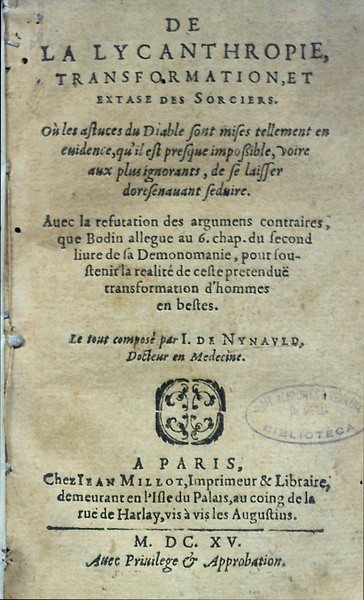
Title page of Jean de Nynauld’s 1615 book on lycanthropy. The text records an early modern debate about alleged transformation and witchcraft. Source. Jean de Nynauld / Wikimedia Commons, Public Domain.
What the trial stories can — and cannot — tell us
The famous names are worth handling carefully. The 1589 pamphlet about the German farmer Peter Stumpp presents a lurid confession of murder, cannibalism and a magic belt; it is a hostile printed account produced in a period of political and religious violence, not an unfiltered transcript. Gilles Garnier was executed in Franche-Comté in 1573 after being accused of killing children while in wolf form. Jacques Roulet was tried in Angers in 1598 after a killing and was described by witnesses in terms that made him fit a ready-made werewolf narrative. Each case tells historians that the charge could be legally meaningful. None establishes the supernatural premise in the charge.
Thiess of Kaltenbrun is different again. At a 1691 proceeding in Livonia, the elderly Thiess said he was a werewolf who went to hell to fight witches and protect the harvest. The court treated the testimony as religiously suspect, rather than accepting it as proof of witchcraft. His account is often repeated because it reverses the usual moral script: a werewolf as defender. It is still testimony shaped by a courtroom and its local religious language, not a travel report from the underworld.
This distinction matters beyond werewolf history. Confessions and trial records can preserve real names, dates, punishments and community fears while being deeply unreliable about impossible events. The same caution belongs in reading other witch-trial stories and sensational crime legends: documentation proves that an allegation was made, not that every allegation happened.
Transformation was never one rulebook
European traditions did not agree on the mechanism. A person might be said to inherit a condition, wear a wolfskin or belt, use an ointment, be cursed, dream of roaming, or make a pact with the devil. In some stories the change is voluntary; in others it is involuntary or metaphorical. Northern and Baltic stories about wolf-warriors and shape-shifting have their own settings and should not be reduced to a single movie-monster template.
The word lycanthropy comes from Greek roots meaning wolf and human, and the Lycaon episode in Ovid is an influential classical example: Zeus punishes a king who tests him with human flesh. But that literary transformation is not a field guide to later folk belief. It became one available reference point among many, especially for educated writers, while local stories continued to develop on their own terms.
The full moon, silver, and other later conventions
The familiar full-moon rule is far less old and universal than it feels. Lunar imagery has long been associated with night, animals and madness in European culture, but early werewolf cases do not consistently make transformation depend on the moon. Twentieth-century fiction made the rule legible and repeatable. The 1941 film The Wolf Man is especially important in popularizing a fixed lunar transformation cycle, even though it also drew on older horror motifs.
Silver is similarly uneven. Folklore contains special weapons, blessed objects and methods of breaking enchantments, but the neat “silver bullet kills every werewolf” rule is a later popular-horror convention. Treating those conventions as ancient folklore erases the much stranger, more regional history that made werewolf stories durable in the first place.
Medical language is not a shortcut to the past
In modern psychiatry, clinical lycanthropy describes a rare delusional belief that one is becoming or has become an animal. It is a description of a reported experience requiring careful clinical assessment, not an explanation for every historical legend and not a label for people who enjoy horror fiction. Likewise, rabies, porphyria and hypertrichosis have all been proposed as retrospective explanations. They can illuminate why some motifs sound plausible to modern readers, but they do not account for the legal, religious and narrative patterns in centuries of material.
Medicine and movie rules
Clinical lycanthropy is a modern psychiatric term for the rare belief that one is transforming into an animal. It should not be used to retroactively diagnose historical defendants. Rabies and hypertrichosis can explain why later writers reached for medical comparisons, but neither supplies a universal answer to folklore.
Silver bullets and full-moon transformations are also not ancient rules shared by every tradition. Modern horror, including The Wolf Man (1941), helped standardize the familiar checklist. It is useful fiction, but fiction nonetheless.
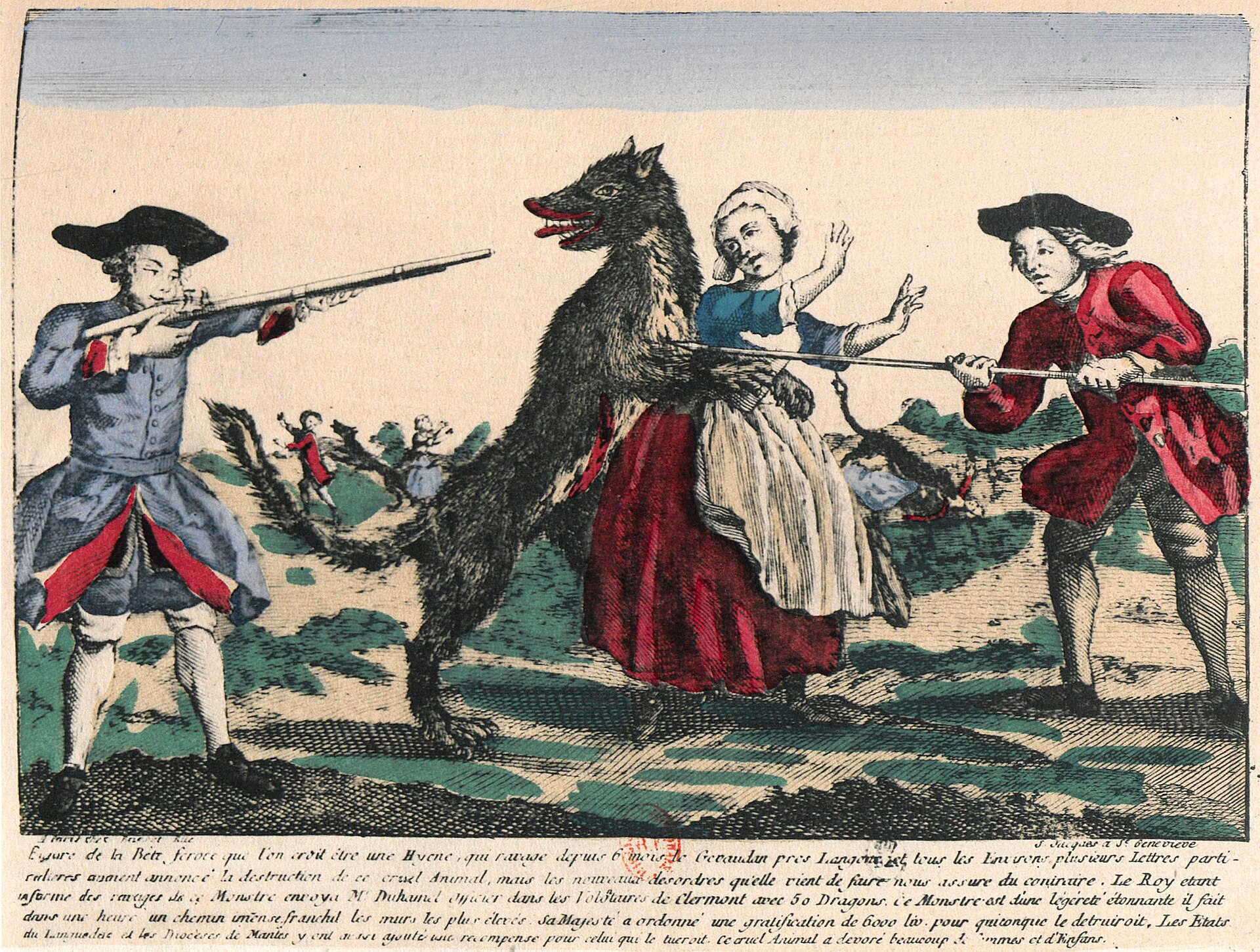
Werewolves should not be confused with unrelated Indigenous traditions. Our Skinwalker guide explains why that conflation is inaccurate. For a real historical animal-attack mystery often recast as a werewolf tale, see the Beast of Gévaudan.
Questions readers ask
Did old werewolf folklore require a full moon? No; the full moon is largely a modern popular convention.
Were people tried as werewolves? Yes, but trials document accusations and legal persecution, not transformations.
Are werewolves real? There is no verified evidence that humans transform into wolves.