The Index
Ballymacombs More Woman: What the Ulster Museum Hearing Established
A public hearing examined the life and death of an Iron Age woman found near Bellaghy. Here is what researchers established and why her death remains a mystery.
Topics: Ballymacombs More Woman, Bog Bodies, Bellaghy, Iron Age, Ulster Museum
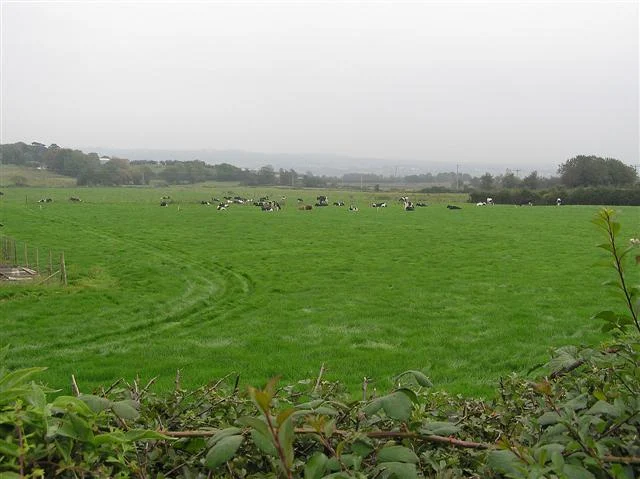
Kenneth Allen / Geograph, CC BY-SA 2.0. Converted to WebP without cropping.
The Ulster Museum’s public hearing concluded that Ballymacombs More Woman died in the Iron Age, at an estimated age of 15 to 22. Researchers found evidence of deliberate fatal injury. The circumstances of her death and her name remain unknown. See also documented dark history.
The Ulster Museum’s November 17 account of the hearing explains how a modern coroner’s questions helped researchers present evidence about a person who lived more than 2,000 years ago. The museum’s name for her refers to the place associated with the discovery near Bellaghy, Northern Ireland, in 2023.
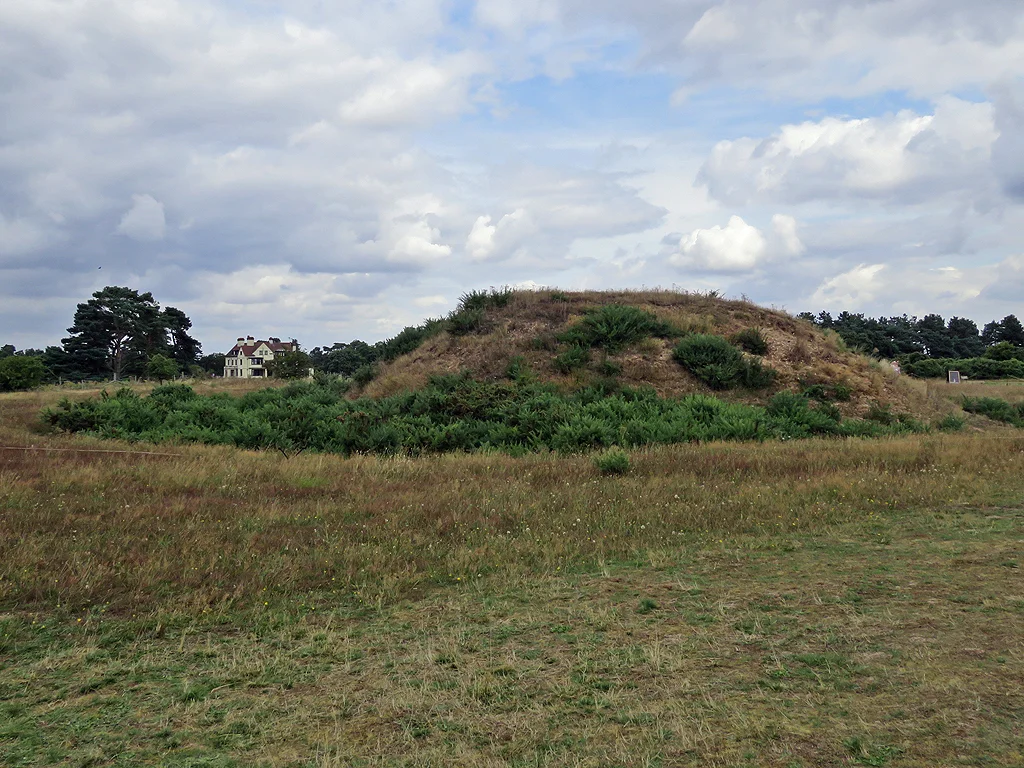
Hero photograph: Ballymacombes More Townland, Kenneth Allen, CC BY-SA 2.0. Converted to WebP without cropping. This 2007 view shows the townland around the discovery.
What the researchers established
Workers from Bulrush Horticulture came across the remains in bogland. A woven object was recovered with them. ITV News’s report on the hearing describes how researchers examined the textile and the remains using a mix of specialist analysis, digital mapping and imaging. The associated material gives researchers another way to study the find alongside the physical evidence about her life and death.
The museum puts her age in a range. The dates are archaeological estimates, too. As with the dating of Rødhals Man’s burial, understanding where those estimates come from helps separate the evidence from the stories people may build around it. See also The Parabita Double Burial and the Story of the Lovers.
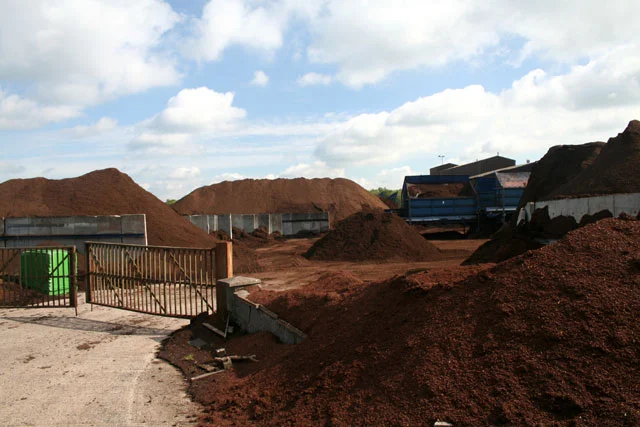
Mountains of peat, Cormac Duffin, CC BY-SA 2.0. Converted to WebP without cropping. This 2007 photograph shows peat stockpiles at the Bulrush plant near Bellaghy, sixteen years before the recovery.
What the hearing could say about motive
The museum’s researchers compared the case with other Iron Age bog bodies from north-western Europe. Those comparisons make ritual killing one possible explanation. The injuries can help establish how this young woman died, but the evidence presented at the hearing leaves open who was involved and why she was killed.
Coroner Joe McCrisken chaired the public event in Belfast. It followed the structure of a coroner’s investigation as an educational exercise. The museum describes it separately from a formal inquest. Its purpose was to bring the evidence into one public account and give people a chance to see where different specialists agreed and where uncertainties remained.
What happens next
National Museums NI says the research will inform interpretation planned for the Ulster Museum’s Early Peoples gallery. That is the next place to look for work on the discovery. The hearing gives the museum a basis for explaining the young woman’s life and death while leaving questions about her identity and the events that led to her death open.