The Index / Paranormal
Annabelle: The Real Story Behind the Haunted Doll
The real Annabelle doll was a Raggedy Ann, not a porcelain monster. What the early reports, Warren claims and Conjuring films actually say about the alleged haunting.
Topics: Annabelle Doll, Ed and Lorraine Warren, Haunted Dolls, The Conjuring, Raggedy Ann, Paranormal Claims
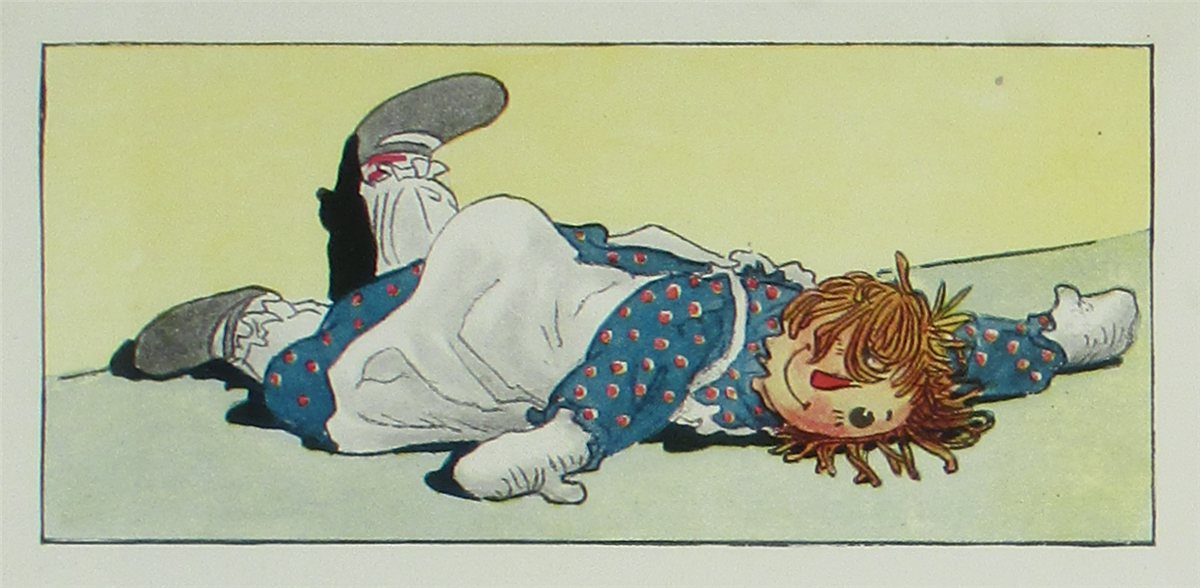
Johnny Gruelle, Raggedy Ann Stories (1918) / Public Domain via Wikimedia Commons
The real Annabelle doll does not look like the one in the movies.
It is a soft Raggedy Ann doll: red yarn hair, a cloth face and the kind of cheerful, mass-produced design that was made to sit on a bed, not glare from a locked cabinet. The porcelain figure with cracked skin and glassy eyes belongs to Warner and New Line’s fictional universe.
That difference is not trivia. It is the quickest way to separate a documented object from a story that has spent more than fifty years gathering details.
There really is a Raggedy Ann doll associated with Ed and Lorraine Warren. There really was a 1971 newspaper story about a Connecticut woman who said it moved around her apartment. Everything after that requires more care: the alleged movements, scratches, medium, demon, fatal motorcycle crash and museum warnings all come to us through witness accounts, Warren retellings or later paranormal lore. None independently establishes that the doll was haunted.
Before Annabelle Was Annabelle
Raggedy Ann began as a children’s character created by illustrator and writer Johnny Gruelle. He received a U.S. design patent for a doll in 1915, and Raggedy Ann Stories arrived in 1918. The doll’s familiar look—rag body, red yarn hair, triangle nose and button-like eyes—was designed to be warm and homemade, even when commercially produced.
The Strong National Museum of Play holds the Gruelle family collection and documents the long life of the character, books and toys. That history matters because the alleged Annabelle was not an antique Victorian doll, a handmade cult object or a prop recovered from a crime scene. It was a Raggedy Ann.
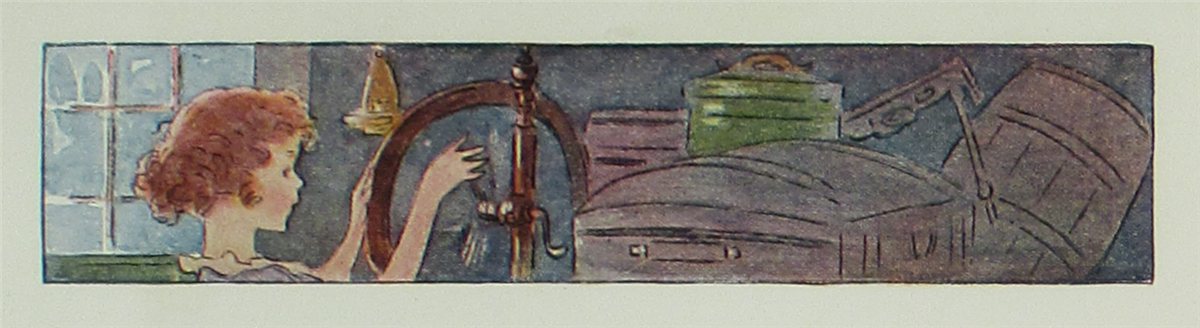
Johnny Gruelle, illustration from Raggedy Ann Stories (1918) / Public Domain via Wikimedia Commons. This is a period illustration of the character, not a photograph of the Warren doll. Source.
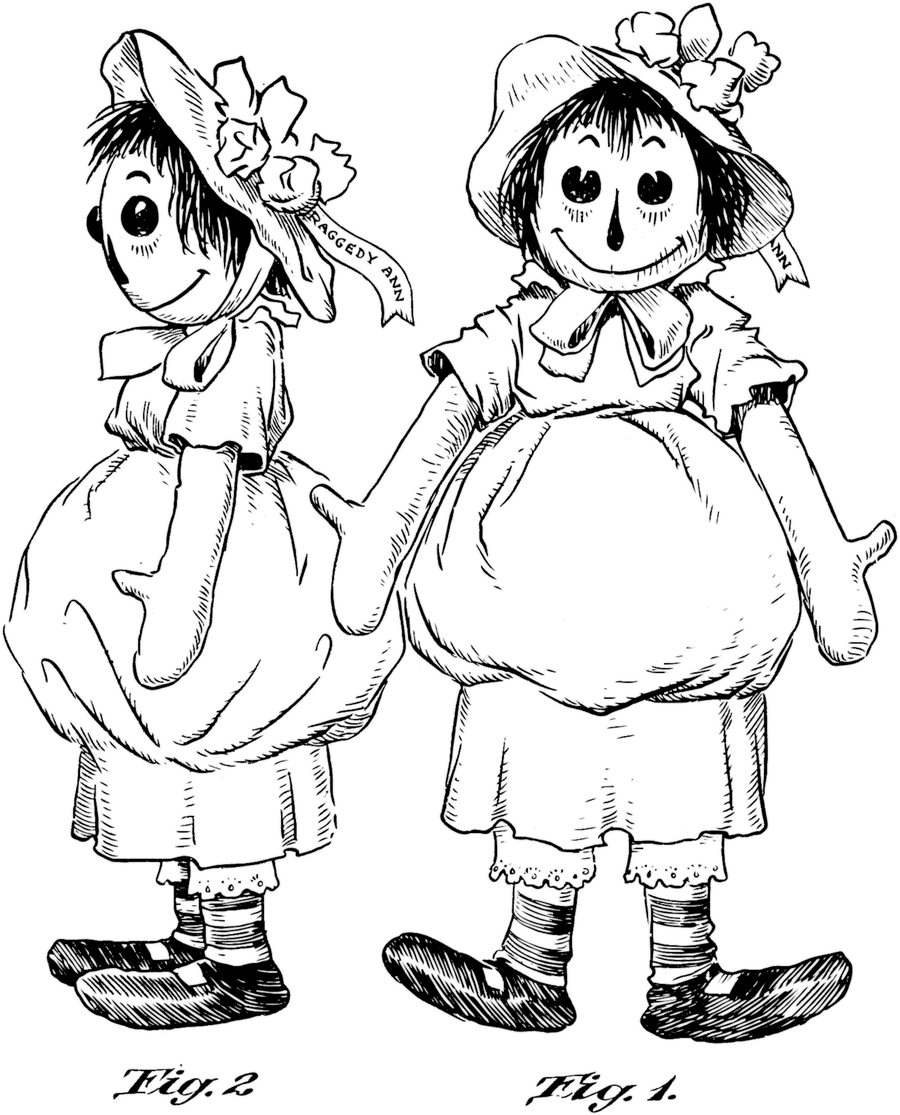
Johnny Gruelle, “Design for a Doll,” U.S. patent D47789 (1915) / Public Domain. Source.
The 1970 Incidents: What Was Reported
The version most horror fans know uses the names Donna, Angie and Lou: two young nursing students and a boyfriend sharing an apartment, with a Raggedy Ann doll given as a gift. They reportedly found it in different rooms, saw messages on parchment, consulted a medium and then called the Warrens.
Those names are not the whole paper trail.
A 1971 Connecticut Sunday Herald story, published close to the alleged events, identified the doll’s owner as Marguerite Tata and her roommate as Annalee Goetz. It described the same broad premise: a Raggedy Ann doll had allegedly turned up in different places, including the kitchen and kneeling on a chair. Marguerite’s boyfriend, Anthony Rossi, described nightmares about the doll and claimed that he later found bleeding marks across his chest after confronting it.
That article is useful precisely because it is not proof. It records that people told this story to a reporter in 1971 and that the Warrens were involved in publicizing it. A newspaper account cannot determine whether a doll moved by itself or whether wounds had a supernatural cause.
The familiar labels Donna, Angie and Lou come from later versions, especially Gerald Brittle’s The Demonologist, written with the Warrens’ cooperation roughly a decade after the reported events. The book adds texture: notes reading “Help us” and “Help Lou,” a bedroom encounter and a more elaborate account of the marks. It also changes names and shifts some details.
That does not make every witness a liar. It does mean the story should not be retold as though it arrived with a police file, laboratory record and contemporaneous video.
Where “Annabelle Higgins” Comes From
In the 1971 account, a medium allegedly said the doll was connected to the spirit of a seven-year-old girl named Annabelle Higgins. The story in that version was that the girl had once played on the land where the apartment building stood.
The Warrens rejected the medium’s explanation. In their demonological framework, a human spirit did not possess the doll. They said an inhuman entity was using the name and apparent vulnerability of a child to gain sympathy and access to the people living there.
That is a religious and paranormal interpretation, not a conclusion established by independent investigation. Later retellings changed the girl’s death, made the location more dramatic, and sometimes imply that a historical grave or record has been found. No reliable public documentation has tied an identifiable child named Annabelle Higgins to the apartment story.
The films borrowed the name, then made it into something else. The fictional Annabelle Higgins is part of a cult-linked screen backstory. She is not a documented historical person, and the movie’s murder, blood, porcelain doll and demonic mythology are inventions for the franchise.
What the Warrens Claimed
Ed and Lorraine Warren took possession of the doll after the apartment investigation, according to the accounts they later gave. A priest was said to have blessed the apartment, and the doll was taken to the Warrens’ home in Monroe, Connecticut.
Their story did not end there. Museum talks and later books attached further warnings to Annabelle: a visitor who mocked it allegedly died in a motorcycle crash, a priest was supposedly endangered after challenging it, and the object was said to need regular prayers or blessings.
These are Warren claims. The public record does not supply independently verifiable evidence that Annabelle caused a crash, scratched anyone, moved on its own or contained a supernatural force. Even the case’s strongest early source is a report of people describing unusual events, not a controlled observation of one.
That distinction is not a dismissal of paranormal belief. It is simply the line between testimony and corroboration.
The Warren Museum and the Warning Case
For years the doll was displayed in the Warrens’ private Occult Museum in Monroe behind glass, with a warning not to touch it. The cabinet became part of the legend as much as the doll itself. A soft rag doll looks ordinary; a warning label tells visitors how to read it.
The museum later stopped regular public visits amid local zoning issues. Its collection has subsequently appeared in promotions, touring events and temporary horror exhibitions. The organizations presenting those exhibits describe Annabelle as dangerous, but that is part of their paranormal framing, not proof of a haunting.
It is also worth separating the object from the internet’s recurring “Annabelle escaped” stories. A viral claim, a tour announcement or a dramatic photograph can show that a rumor is spreading. It cannot verify the supernatural premise behind it.
Why the Movie Doll Is So Different
The 2014 Annabelle film made a sensible visual choice for horror and a misleading one for history.
A worn Raggedy Ann has an innocent, familiar silhouette. A large porcelain doll with a fixed smile and blackened eye sockets signals danger before anything happens. The films use the latter because it is cinematic. They also give the doll a body count, a cult, a demonic origin story and a chain of supernatural events that do not come from the 1971 newspaper report.
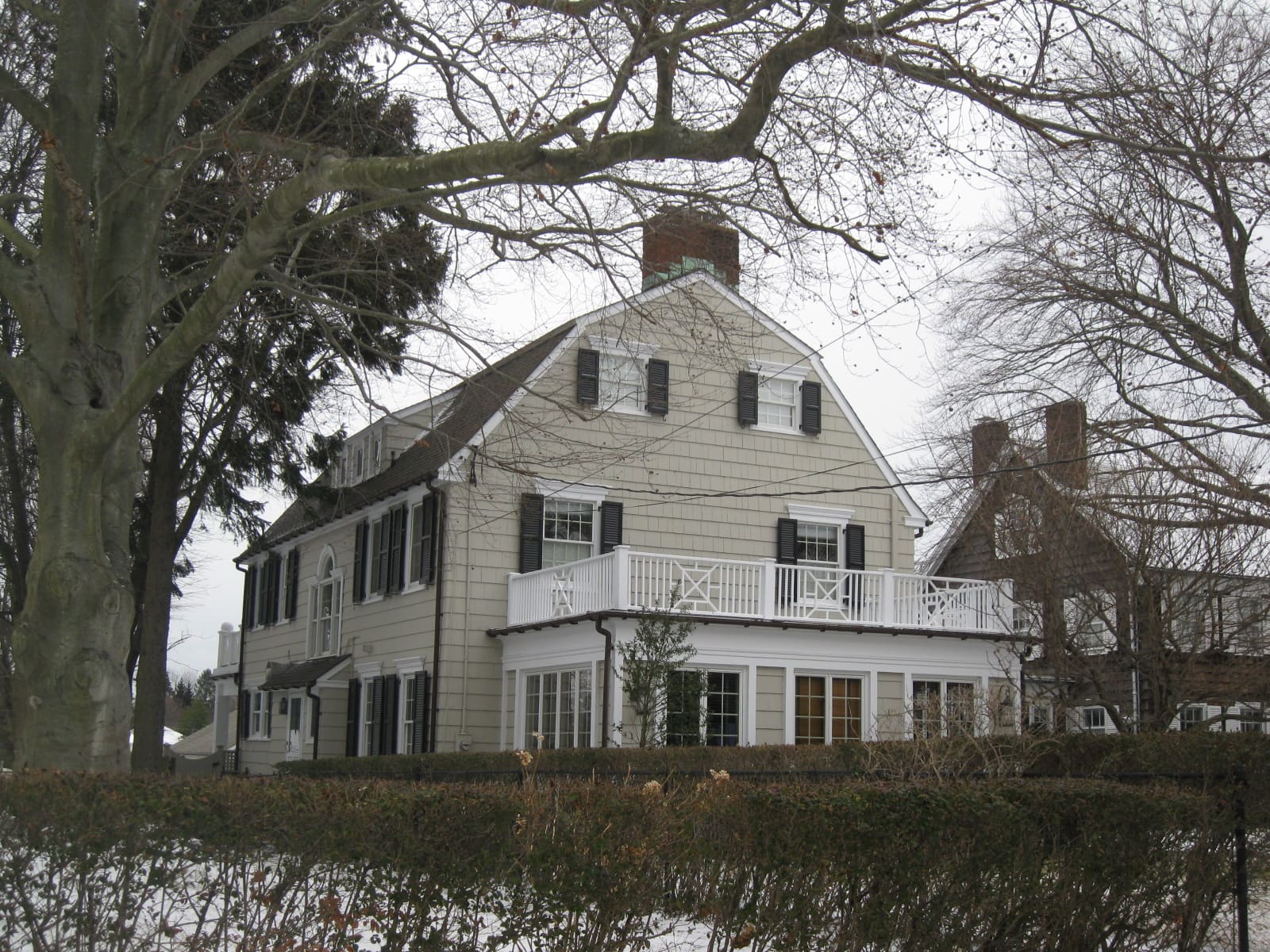
The wider Conjuring universe mixes real names, broad case premises and wholly invented supernatural plots. Its version of the Warrens later intersects with the fictional Enfield case and the Demon Nun. The actual Enfield Poltergeist had its own contested history, while the grimoire figure behind the name Valac looks nothing like the franchise’s nun. The Warrens’ most famous case, their investigation at Amityville, follows the same basic shape: real events first, Warren involvement afterward, and a much larger legend added on top.
For the movie character’s canon rather than the historical record, RedReactions has a separate Valak in The Conjuring Universe guide.
Annabelle’s screen mythology should be treated the same way: a horror fiction built from a real object and a much looser paranormal legend.
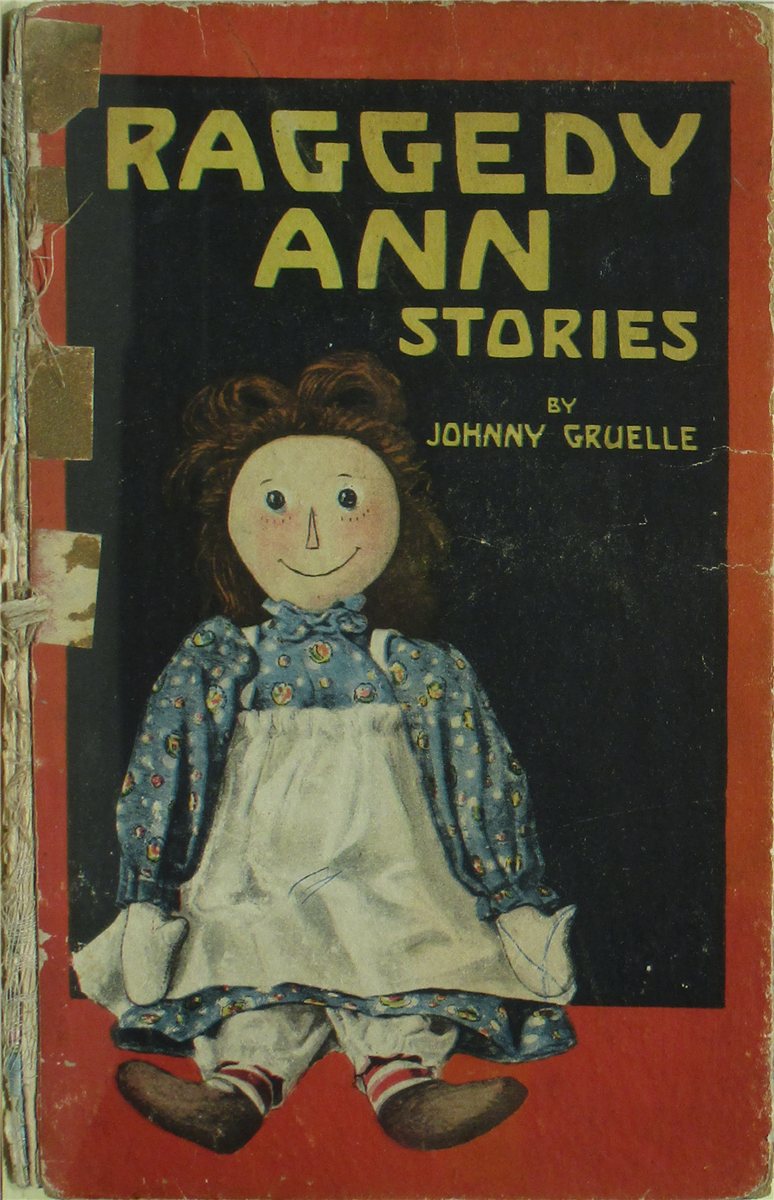
Cover of Johnny Gruelle’s Raggedy Ann Stories (1918) / Public Domain via Wikimedia Commons. The book artwork predates the Warren story by decades. Source.
A Few Things the Story Does Not Establish
“The real Annabelle is the creepy porcelain doll.” No. The alleged Warren object is a Raggedy Ann doll. The porcelain version is a movie prop design.
“Annabelle Higgins is a verified dead child.” No public evidence establishes that. The name appears within the original paranormal account and later fiction expands it.
“The case was proven by the Warrens.” The Warrens offered an interpretation and retold the case extensively. Their supernatural conclusion was not independently demonstrated.
“The films tell the true story.” They use the doll and the Warrens as inspiration, then invent their own timeline, characters and rules.
“No one can explain why people find the doll frightening.” That part is easier. A familiar toy paired with a warning label, a sealed case and a story of harm is an efficient piece of modern folklore. The fear can be real without proving the haunting.
So, Is Annabelle Real?
The doll is real. The press coverage and the Warren case are real parts of American paranormal history. The stories of movement, injuries and demonic attachment are claims made by the people involved, not facts independently established to the standard we would expect for an extraordinary event.
That uncertain space is why Annabelle endured. A very ordinary doll became a case file, then a museum attraction, then a movie icon. Each version added something: a new name, a more frightening origin, a better warning, a more photogenic face.
The real story behind Annabelle is less tidy than the films. It is also more revealing: a local haunting claim became a durable legend because it could move easily between testimony, belief, publicity and horror fiction.
Sources and Further Reading
- Skeptical Inquirer: “Are Haunted Dolls Mere Child’s Play? Part Two”, including its discussion of the 1971 Connecticut Sunday Herald report and later retellings.
- The Strong National Museum of Play: Gruelle family collection.
- Johnny Gruelle’s 1915 doll-design patent.
- Johnny Gruelle, Raggedy Ann Stories (1918).
- Gerald Brittle, The Demonologist, a later Warren-associated retelling of the case.
- Haunted Warren Museum, for its current promotional description of the collection and exhibition.