Lore & Explained / Folklore
Vampires Explained: The Real Folklore Behind the Undead Before Dracula
Vampire traditions were never one universal mythology. Balkan revenant beliefs, New England practices and later fiction each have different histories.
Topics: Vampires, Folklore, Dracula
Cbarry123 / Wikimedia Commons (Public Domain)
Vampires are not one ancient, worldwide creature. The modern image of a pale aristocrat who sleeps in a coffin, fears crosses and burns in sunlight is largely the product of nineteenth- and twentieth-century fiction. Earlier traditions were diverse local explanations for illness, death and the troubling appearance of decomposing bodies.
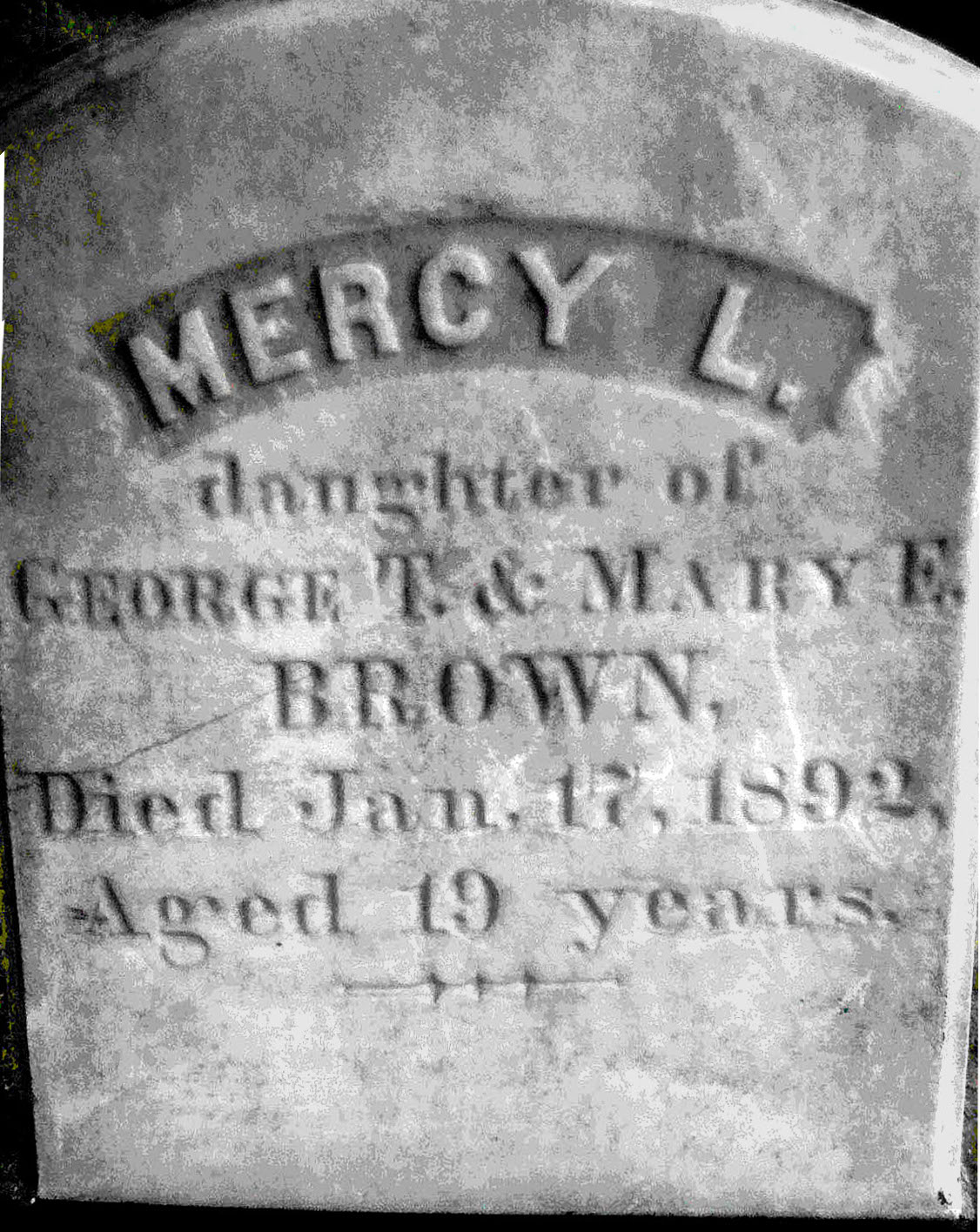
Mercy Brown’s gravestone in Exeter, Rhode Island. Her 1892 exhumation became the best-known New England anti-vampire case; the photograph does not depict the exhumation. Source. Cbarry123 / Wikimedia Commons, Public Domain.
Balkan revenants and official reports
The word family behind vampire entered Western European attention through reports from Habsburg-controlled Balkan territories. In 1725, the death of Petar Blagojević was followed by a local accusation that he had returned to harm villagers. In 1732, military surgeon Johannes Flückinger documented an investigation associated with Arnold Paole. These reports establish that officials recorded vampire beliefs; they do not establish that revenants existed.
Exhumation accounts often describe swelling, blood or apparently preserved bodies. Modern forensic understanding explains many such observations as ordinary decomposition. Staking, decapitation and burning were protective acts within particular communities, not a shared global vampire rulebook.
Different traditions, different histories
New England’s nineteenth-century “vampire” cases emerged in a different setting, often amid tuberculosis outbreaks. The Mercy Brown case is not a Balkan survival transplanted intact into America. Greek, Romanian, Serbian and Slavic traditions likewise should not be flattened into a single system.
Garlic, crosses, coffins and sunlight have uneven histories. Sunlight destroying vampires, for example, was standardized far more by later screen fiction than by older folklore. Polidori, Le Fanu and especially Bram Stoker transformed disparate motifs into literary vampires. Read our guide to Dracula and Vlad the Impaler for the difference between Stoker’s fiction and history.
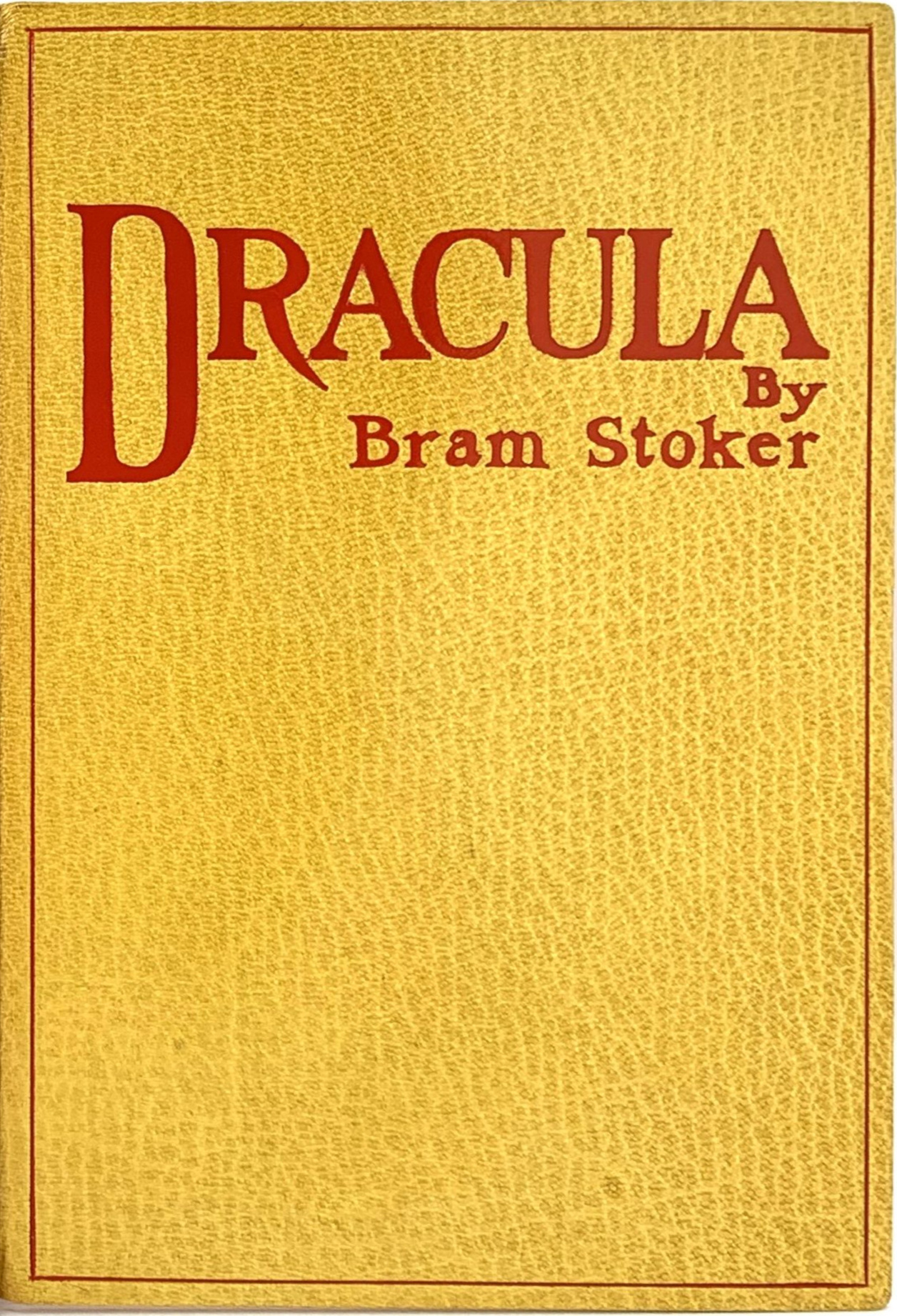
The first-edition cover of Bram Stoker’s Dracula (1897), a literary work that reshaped the modern vampire. Source. Anonymous / Wikimedia Commons, Public Domain.
Modern people sometimes identify as “real vampires,” but there is no verified evidence for supernatural vampirism. For a modern urban legend with a very different record, see the Highgate Vampire.
Why a body could seem “undead”
Many details in vampire reports become less mysterious when read alongside ordinary post-mortem change. Decomposition can produce bloating, dark fluid around the mouth, hair and nail beds that appear more prominent as skin recedes, and a body that seems unusually preserved under particular burial conditions. To frightened relatives, opening a grave after a run of deaths could look like physical confirmation of a revenant. It was not. It was a terrible, emotionally charged attempt to interpret disease before germ theory and modern pathology.
This does not mean that every custom had one medical cause. Folk practice also carried religious ideas about improper burial, social conflict, suicide, outsiders and a person thought dangerous in life. Archaeologists sometimes find deviant burials — stones, sickles or other measures placed with a body — but a striking grave does not automatically prove that its community used the modern word “vampire.” Context and local records matter.
The Habsburg reports and their afterlife
The cases of Petar Blagojević and Arnold Paole became famous because imperial officials and physicians wrote about them in forms that circulated across Europe. In the 1720s and 1730s, the Habsburg frontier was a place where administrators encountered Serbian-language beliefs and rendered them for a wider, often skeptical readership. The resulting reports helped carry forms of vampir into German, French and English print.
They are not neutral scientific investigations by modern standards. Officials inspected exhumed bodies through the assumptions and vocabulary available to them, and witnesses described grief, illness and fear through local tradition. Nevertheless, they are valuable historical documents: they show how a regional fear became a European sensation, and why later writers came to treat “the vampire” as if it had one settled origin.
New England’s “consumption vampires”
Nineteenth-century New England had a different crisis: tuberculosis, then commonly called consumption. When several members of a family sickened and died, relatives sometimes suspected that a deceased relative was draining life from the living. In a handful of documented cases, bodies were exhumed and a heart or other organ was burned; ashes were sometimes administered as a remedy. These were desperate anti-disease practices, not evidence that anyone had encountered an immortal predator.
Mercy Lena Brown died in Exeter, Rhode Island, in 1892 after other members of her family had died of tuberculosis. Her body was exhumed and her heart burned in an attempt to help her ill brother Edwin. Newspapers carried the episode widely, helping make it the most cited American vampire case. The event deserves sensitivity: it records a family confronting a lethal epidemic with the explanations available to them.
How fiction made a shared vampire
Eighteenth-century reports fed Gothic fiction, but the polished aristocratic vampire is a literary construction. John Polidori’s 1819 The Vampyre gave English readers the charismatic, socially mobile Lord Ruthven. Sheridan Le Fanu’s Carmilla added another influential nineteenth-century form. Stoker’s Dracula (1897) gathered folklore, travel writing and contemporary anxieties into a novel whose Count has since become a cultural default.
That default should not be projected backward. A vampire in a Serbian village account, a Greek revenant, a New England tuberculosis panic and a Transylvanian count on screen are connected through changing stories, not by a single timeless rulebook. For a closer look at the novel’s historical source material, see Dracula, Vlad the Impaler and Bram Stoker.
Questions readers ask
Where did vampire legends begin? There is no single origin; related revenant beliefs developed in many places.
Were vampires believed to be real? Yes, in specific historical communities, and those beliefs sometimes prompted official investigations.
Did old folklore say vampires burn in sunlight? Not as a universal rule; that feature is strongly associated with later fiction.
What was the Mercy Brown case? A 1892 Rhode Island anti-vampire exhumation during a tuberculosis outbreak; it documents a folk response to disease, not supernatural proof.
Did people really stake suspected vampires? Some communities used staking and other protective burial practices, but the details varied significantly by place and period.

.jpg)
