The Index
How DNA Solved the 1968 Jackie Dunleavy Murder Case
How did London police identify a suspect in Jackie Dunleavy’s 1968 murder? See what genetic genealogy revealed and why no charges were laid in 2026.
Topics: Jackie Dunleavy, Cold Cases, London Ontario, Genetic Genealogy
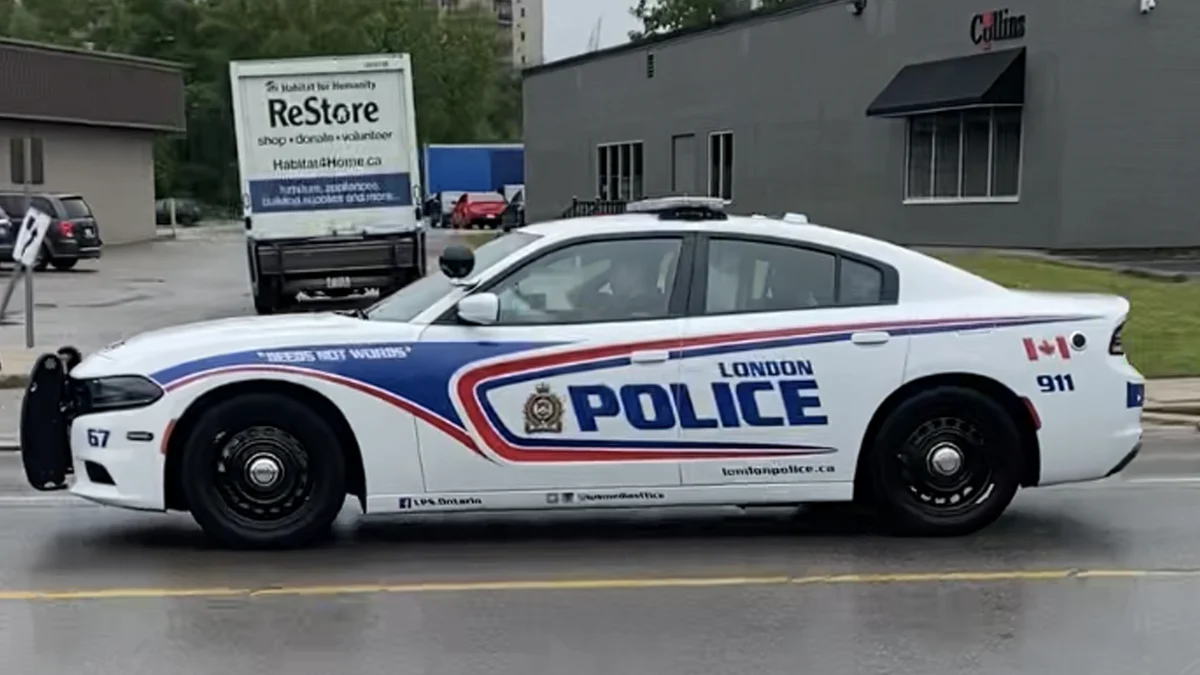
London police announced on November 23, 2026, that preserved DNA helped them identify Michael Joseph Moore as the person they believe killed 16-year-old Jacqueline “Jackie” Dunleavy in 1968. Genetic genealogy narrowed the search, and investigators then collected additional evidence and submitted DNA samples for comparison. Moore died in 2018, so the police finding will not lead to charges or a trial.
What had police preserved from 1968?
Jackie was in Grade 10 at Westminster Secondary School and worked at the Stanley Variety Store in London, Ontario. On January 9, 1968, she finished her shift at about 6:30 p.m. Three young people found her on the grounds of Katherine Harley School at about 8 p.m. The London Police Service account identifies strangulation as the cause of death.
The first investigators collected biological material, interviewed witnesses and kept the evidence. The case later went through Project Angel, a joint effort by the London Police Service and Ontario Provincial Police that ran from 1997 to 2001. London police say the profile that helped identify Moore was connected to earlier work done through that project. Their release does not specify what the sample was or where it was found.
That gap matters in older cases. In the JonBenét Ramsey investigation, the public discussion turns in part on the limits of the available DNA material. For Jackie’s case, Othram has said it was able to develop a profile suitable for a genealogy search.
What did genealogy establish, and what came after it?
| Stage | What investigators reported |
|---|---|
| Laboratory work | Othram says it built a profile from preserved evidence in 2025 that could be used to look for genetic relatives. |
| Genealogy | Investigators found distant relatives linked to the unknown profile. Toronto police helped use family trees to narrow the list of people to investigate. |
| Follow-up | London police conducted more interviews, gathered evidence and sent DNA samples to Ontario’s Centre of Forensic Sciences for comparison. |
Finding a relative gives investigators a line of inquiry. London police did not say which reference samples were used in Jackie’s case or make the comparison results public in the release. The Toronto identification of a man known as Derek illustrates the same distinction with a different method. Genealogy gave detectives a lead there, and a fingerprint comparison confirmed the identification.
The announcements also answer different questions. In the identification of Jack Ashley Brooks Jr., DNA helped restore the name of a man whose remains had been unidentified. In the Dunleavy case, Jackie’s identity was known from the outset. The preserved evidence helped police identify a suspect.
Why were no charges laid?
London police say Moore died on March 3, 2018, before the renewed investigation identified him. Investigators said they had enough evidence to pursue charges had he lived. That is the police assessment. There was no trial or verdict. The service also said it would still accept information from people with firsthand knowledge relevant to the case.
Frequently asked questions
Who was Jackie Dunleavy?
Jacqueline “Jackie” Dunleavy was a 16-year-old student in London, Ontario. She was last seen leaving work on January 9, 1968, and was found dead later that evening.
Did a genealogy search alone identify Michael Joseph Moore?
No. The search narrowed the investigation. London police say they followed it with interviews, additional evidence and DNA samples submitted for comparison.
Was Michael Joseph Moore charged in the Dunleavy case?
No. Moore died in 2018. Police named him in November 2026 and said the evidence would have supported charges had he still been alive.